BAKU, Azerbaijan, July 31. Uzbekistan and
Pakistan will expand the list of goods eligible for preferential
trade beginning Aug. 14, broadening market access for exporters and
deepening bilateral economic cooperation, under a presidential
decree signed by Uzbek President Shavkat Mirziyoyev.
This was reflected in the statement by the Ministry of
Investment, Industry and Trade of Uzbekistan.
The decree, approved on July 10, ratifies a protocol expanding
the scope of the Uzbekistan-Pakistan Preferential Trade Agreement,
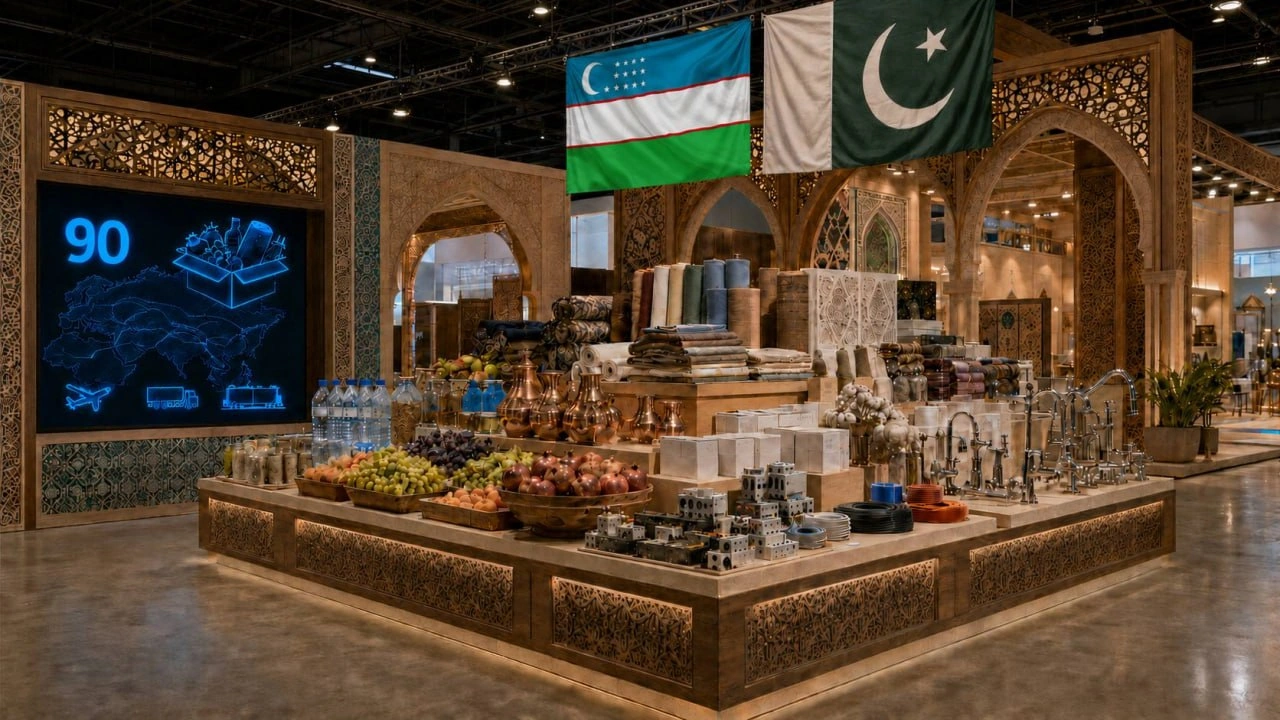
which will extend preferential treatment to nearly 90 product
categories.
Under the expanded agreement, exporters from both countries will
benefit from reduced customs duties and simplified trade procedures
on a wider range of goods.
"The preferential regime will cover approximately 90 product
categories, providing for reduced customs duties and simplified
trade procedures," the Ministry of Investment, Industry and Trade
said in a statement.
For Uzbek exporters, the new preferences will apply to selected
fruit and vegetable products, food products, bottled drinking
water, textiles, yarn, knitted fabrics, copper products, electrical
equipment, pharmaceuticals and sanitary products.
According to the ministry, the expanded agreement is expected to
strengthen the presence of Uzbek companies in the Pakistani market,
increase bilateral trade and create new opportunities for
investment and industrial cooperation between the two
countries.
The Ministry of Investment, Industry and Trade, together with
relevant government agencies, will provide comprehensive support to
exporters to help them take full advantage of the new trade
preferences and facilitate access to the Pakistani market.
The preferential trade agreement is part of broader efforts by
Uzbekistan and Pakistan to deepen economic ties, diversify
bilateral trade and improve market access for businesses. Both
countries have been working to expand trade and transport
connectivity in recent years, viewing preferential trade
arrangements as a key mechanism for boosting commercial exchanges
and encouraging cross-border investment.