BAKU, Azerbaijan, August 10. Kyrgyzstan's
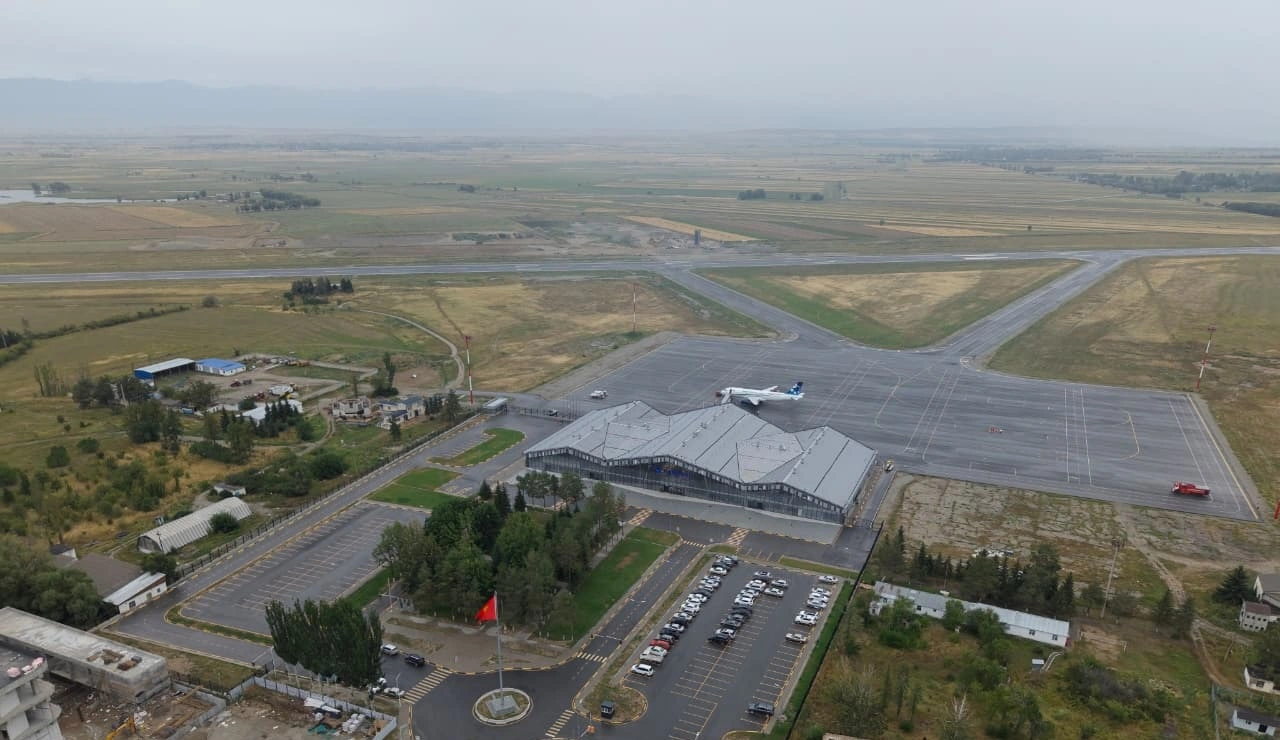
Karakol International Airport received an Airbus A320 for the first
time following the completion of a major runway reconstruction.
This was reported in a press release issued by Airports of
Kyrgyzstan OJSC on August 10.
According to the press release, a technical flight was carried
out at the airport on August 10, marking the first flight following
the completion of the runway reconstruction and an important step
toward launching regular international flights.
As part of the upgrade, the runway was extended from 2,450 to
3,750 meters. Modern lighting equipment and an instrument landing
system (ILS) were also installed, the report noted.
The upgraded infrastructure allows the airport to receive larger
aircraft, including Airbus A320 and Boeing 737 family aircraft,
whereas its previous capabilities were mainly suited to regional
aircraft such as the Dash 8 Q400 and business jets.
“Today is truly a historic day for Karakol International
Airport. For the first time, an Airbus A320 has landed here,”
Chairman of the Board of Airports of Kyrgyzstan Manasbek Samidinov
said.
He added that work is underway to open new routes connecting
Karakol with Russia, CIS countries, the Middle East and other
potential markets.
According to Samidinov, the goal is to turn Karakol into an air
gateway to the Issyk-Kul region and provide foreign tourists with
direct access to one of Kyrgyzstan's key tourism destinations.
Meanwhile, Karakol International Airport is located near the
city of Karakol, the administrative center of Kyrgyzstan's
Issyk-Kul Region in the country's northeast. The airport primarily
serves the eastern part of the Issyk-Kul basin and provides air
access to one of Kyrgyzstan's most important tourism areas.
The region is known for Issyk-Kul Lake, mountain resorts and
year-round tourism, including skiing and trekking. Karakol itself
is a major gateway to the eastern part of the lake and the
surrounding mountain areas, making the airport's modernization
important for improving access for both domestic travelers and
foreign tourists.
At the same time, Kyrgyzstan has been pursuing a broader
modernization of its civil aviation infrastructure to improve
connectivity between the country's regions, expand international
air links and support tourism. The government has placed particular
emphasis on upgrading regional airports and improving their ability
to handle larger aircraft and international routes.
The development of regional airports is closely linked to
Kyrgyzstan's tourism strategy, with Issyk-Kul considered one of the
country's main destinations for foreign visitors.