BISHKEK, Kyrgyzstan, September 1. The member
states of the Shanghai Cooperation Organization (SCO) account for
more than 40% of the world’s population and about one-third of
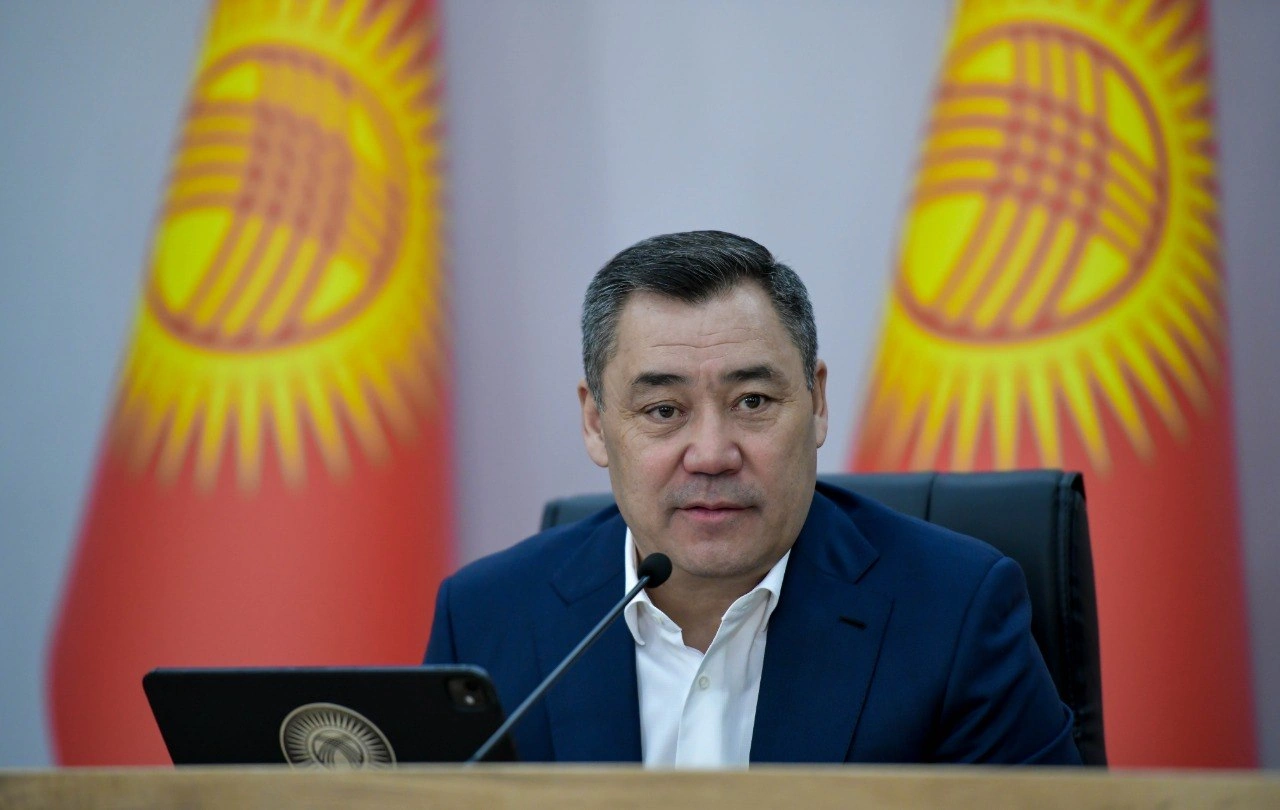
global GDP, President of Kyrgyzstan Sadyr Japarov said, Trend's special correspondent
reports.
President of Kyrgyzstan made the remarks while addressing the
opening of the SCO summit in Bishkek.
According to him, in the year marking the SCO’s 25th
anniversary, the common task of the participating states is not
only to summarize the results of the organization’s first
quarter-century of activity, but also to open a new stage of its
development. “In the year of the SCO’s 25th anniversary, our common
task is not only to summarize the first quarter-century, but also
to open the next page in the history of the organization, a page of
sustainable peace, joint development and shared prosperity,”
Japarov said.
The President of Kyrgyzstan expressed confidence that the SCO
member states would be able to develop coordinated decisions that
meet the interests of their peoples. “I am convinced that we will
be able to develop coordinated decisions that meet the interests of
our peoples. May the anniversary year become a starting point for a
new stage in the development of our organization,” he noted.
Japarov also stated the need to further improve the activities
of the SCO.
The SCO was established in 2001 and initially comprised China,
Russia, Kazakhstan, Kyrgyzstan, Tajikistan and Uzbekistan. Over 25
years, the organization has expanded to 10 member states.
The 26th anniversary SCO summit is being held in Bishkek on
August 31 and September 1 under the chairmanship of Kyrgyzstan. The
meeting focuses on the further development of the organization,
strengthening economic and transport cooperation, as well as
cooperation in the security sphere.
Following the summit, the leaders are expected to consider a
number of documents related to the development of the SCO’s
financial and economic mechanisms, including initiatives to expand
settlements in national currencies and establish new cooperation
institutions.