BAKU, Azerbaijan, September 1. Uzbekistan and
Pakistan agreed to prepare a joint roadmap to accelerate the
implementation of cooperation projects in textiles, healthcare,
pharmaceuticals, agriculture and other priority sectors.
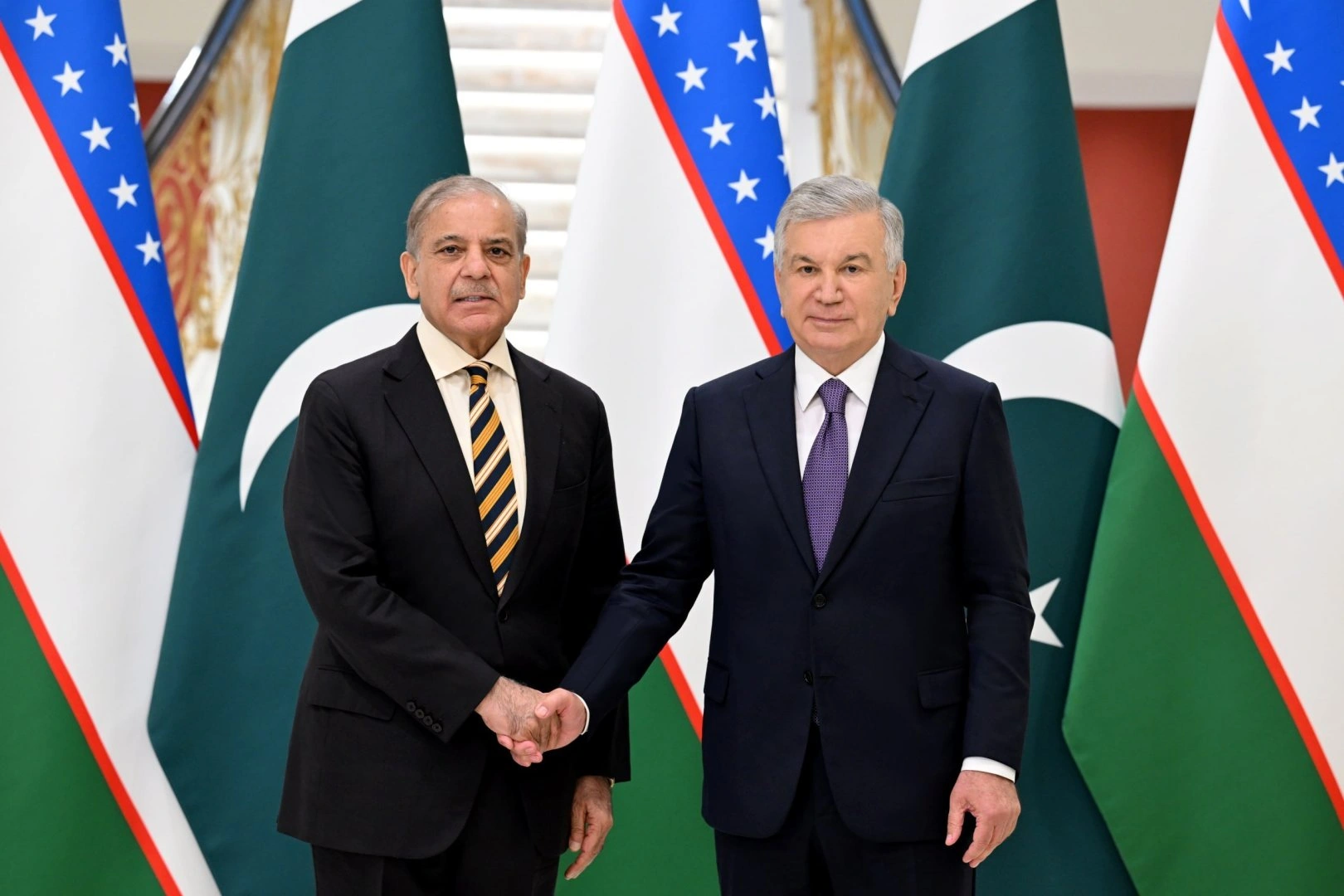
This was reflected in the statement by the press service of the
Uzbek president, following a meeting in Bishkek between President
Shavkat Mirziyoyev and Pakistani Prime Minister Shehbaz Sharif.
The meeting focused on expanding trade, economic, investment,
transport and logistics cooperation between the two countries, with
the sides emphasizing the need to translate political dialogue into
practical projects.
The leaders agreed that the joint roadmap would serve as a
mechanism to speed up the implementation of existing agreements and
identify new areas for cooperation.
The initiative comes after Mirziyoyev’s historic visit to
Islamabad in February, which the Uzbek side described as a turning
point that elevated bilateral relations to a new level.
“An agreement was reached to adopt a joint roadmap aimed at
accelerating the implementation of projects in textiles, medicine,
pharmaceuticals, agriculture and other priority areas,”
Uzbekistan’s presidential administration said.
The roadmap is expected to support closer coordination between
government agencies and businesses while helping remove barriers to
joint initiatives.
Particular attention during the talks was also given to
expanding regional cooperation and humanitarian ties. The sides
discussed preparations for the Forum of Regions, which is scheduled
to take place in Khiva this year, as well as upcoming Days of Uzbek
Culture and Cinema in Pakistan.
The leaders also exchanged views on strengthening transport and
logistics connectivity, an area considered increasingly important
as Uzbekistan seeks to expand access to regional and international
markets.
The planned roadmap signals a shift from broad political
commitments toward a more structured project-based partnership. By
focusing on sectors such as textiles, pharmaceuticals and
agriculture, both countries are targeting industries with potential
for manufacturing cooperation, technology exchange and increased
trade. The mechanism could also help strengthen
business-to-business ties and support Uzbekistan’s broader efforts
to diversify trade routes through South Asia, while allowing
Pakistan to deepen its economic engagement with Central Asia.