BISHKEK, Kyrgyzstan, September 1. Uzbekistan
has proposed a new Shanghai Cooperation Organization mechanism to
coordinate efforts on food, water and energy security, including a
program on water and energy efficiency through 2035, Trend's special
correspondent reports.
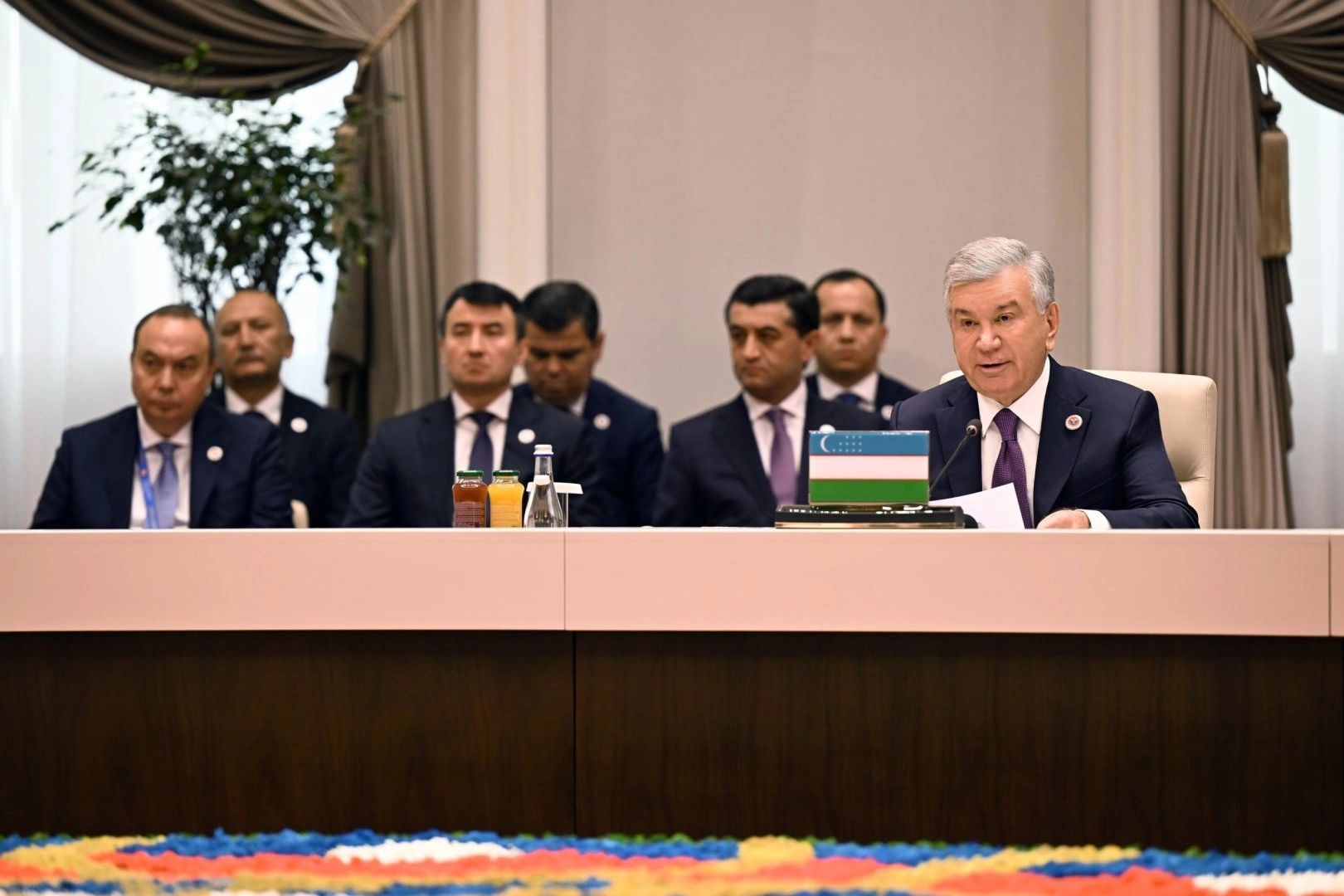
President Shavkat Mirziyoyev made the proposal at the SCO’s
25th-anniversary summit in Bishkek, highlighting the need for
closer regional coordination in response to growing climate and
resource pressures.
Mirziyoyev said the SCO should develop a unified agenda on food,
water and energy security, with a dedicated mechanism responsible
for coordinating comprehensive programs, facilitating technology
transfers and promoting the exchange of expertise among member
states.
As part of the initiative, Uzbekistan proposed developing an SCO
Program for Technological Cooperation on Water and Energy
Efficiency through 2035.
The proposed program would provide a framework for SCO members
to share modern technologies and practical solutions aimed at
improving the efficiency of water and energy use. It could also
support joint projects and the wider adoption of resource-saving
technologies across the region.
The initiative is particularly relevant for Central Asia, where
water availability, energy demand and agricultural production are
closely interconnected. Improvements in irrigation efficiency and
energy use could help countries address resource constraints while
supporting economic growth and food security.
For Uzbekistan, the proposal also creates an opportunity to
expand regional cooperation around technologies that can reduce
pressure on water resources and improve energy efficiency. The
country has been investing in water-saving irrigation, renewable
energy and modernization of its energy infrastructure as it faces
rising demand and climate-related challenges.
The proposed SCO mechanism would complement Uzbekistan’s broader
push to make the organization a platform for practical economic and
technological cooperation, alongside initiatives covering
industrial cooperation, transport connectivity and artificial
intelligence.
By setting a horizon through 2035, the proposed program could
provide SCO members with a longer-term framework for coordinating
investments, technology exchange and resource-efficiency projects
across the region.