BISHKEK, Kyrgyzstan, September 1. The UN and
the Bretton Woods system need to be reformed to reflect current
realities and increase the representation and influence of
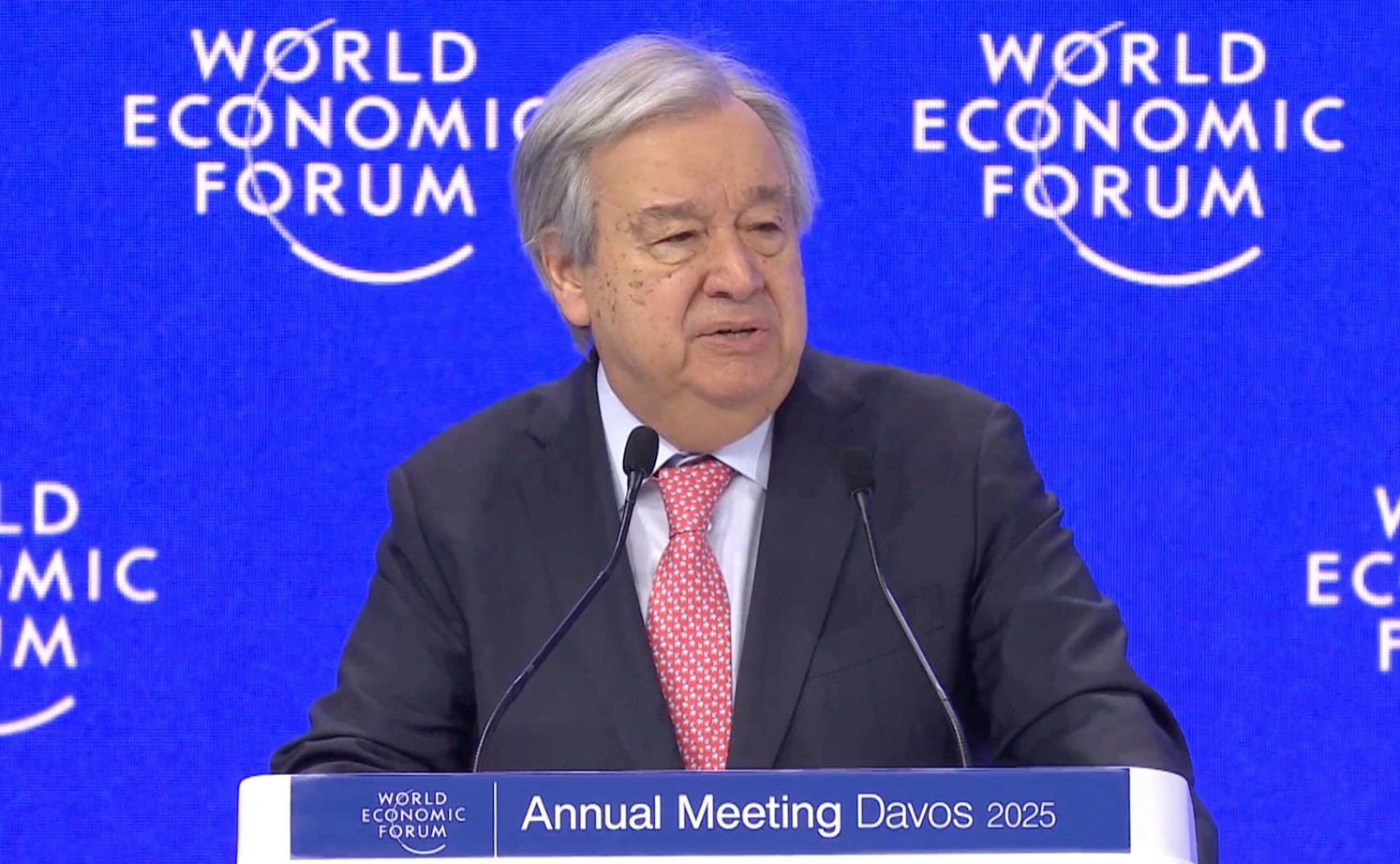
developing countries, UN Secretary-General Antonio Guterres said
this while addressing the SCO Plus meeting in Bishkek, Trend’s special correspondent
reports,
“Our relationships are changing, but multilateral organizations
still essentially reflect the realities of 1945. We must reform our
multilateral institutions, including the United Nations and the
Bretton Woods system, so that they reflect today’s realities and
increase the representation and influence of developing countries
to build a fair world order,” he said.
Guterres noted that the modern world is becoming increasingly
multipolar, stressing the need to strengthen this process. “Our
world is increasingly multipolar. That is a good thing and must be
strengthened. Multipolarity is a condition for justice in global
governance and international relations. And multipolarity is the
best support for effective multilateralism and a United Nations at
the service of all, without double standards, in line with the
Charter,” the UN chief said.
He stressed that the UN highly values its longstanding
cooperation with the Shanghai Cooperation Organization (SCO),
calling it an important pillar of multilateralism.
Addressing development financing, Guterres said the global
financial architecture needs to be reformed and the debt burden of
developing countries addressed. “We must reform the global
financial architecture to ensure fairness and equality, and
seriously address the debt that is suffocating so many developing
countries. Multilateral development banks must become bigger,
better and bolder to support them,” he said.
Guterres also stressed the need to ensure that artificial
intelligence benefits all countries. “Artificial intelligence must
benefit all countries. For this, certain frameworks are necessary,”
the UN chief noted.
He expressed gratitude for support for the initiative to
establish an independent international scientific panel and a
global dialogue on AI governance within the UN framework, so that
all countries can participate in shaping global approaches in this
sphere.