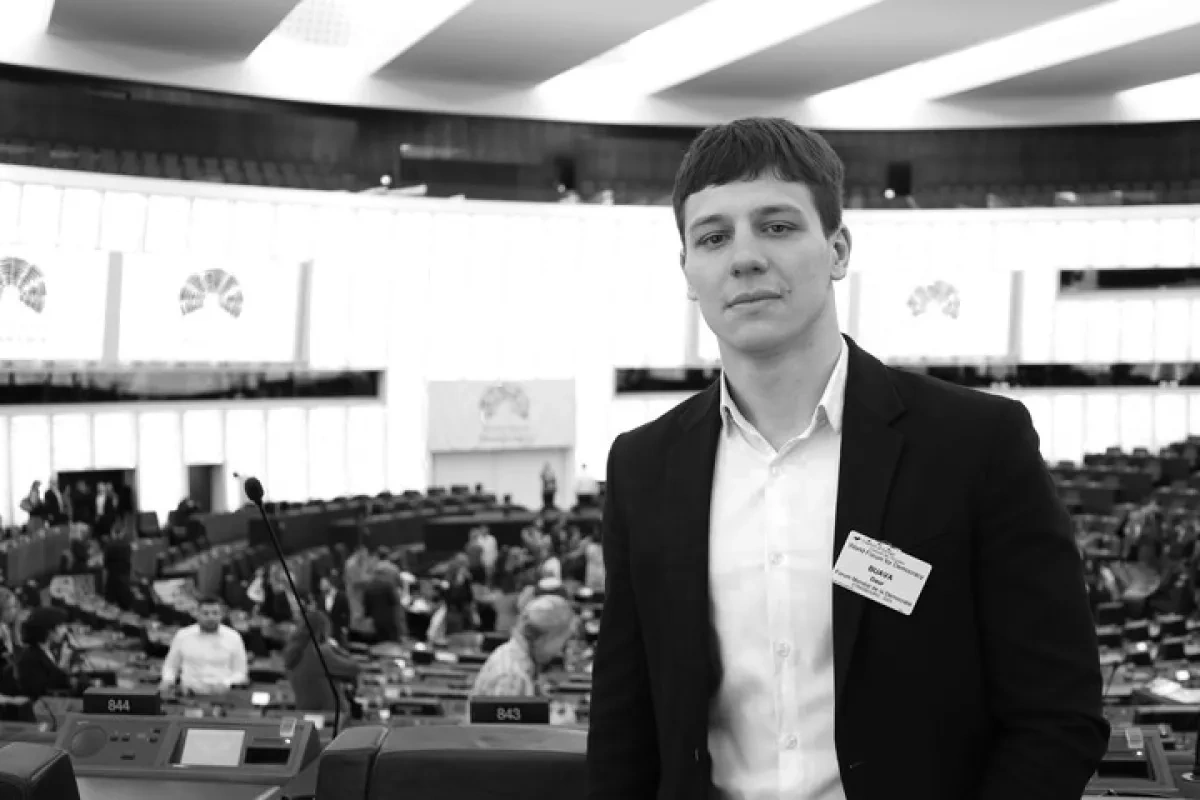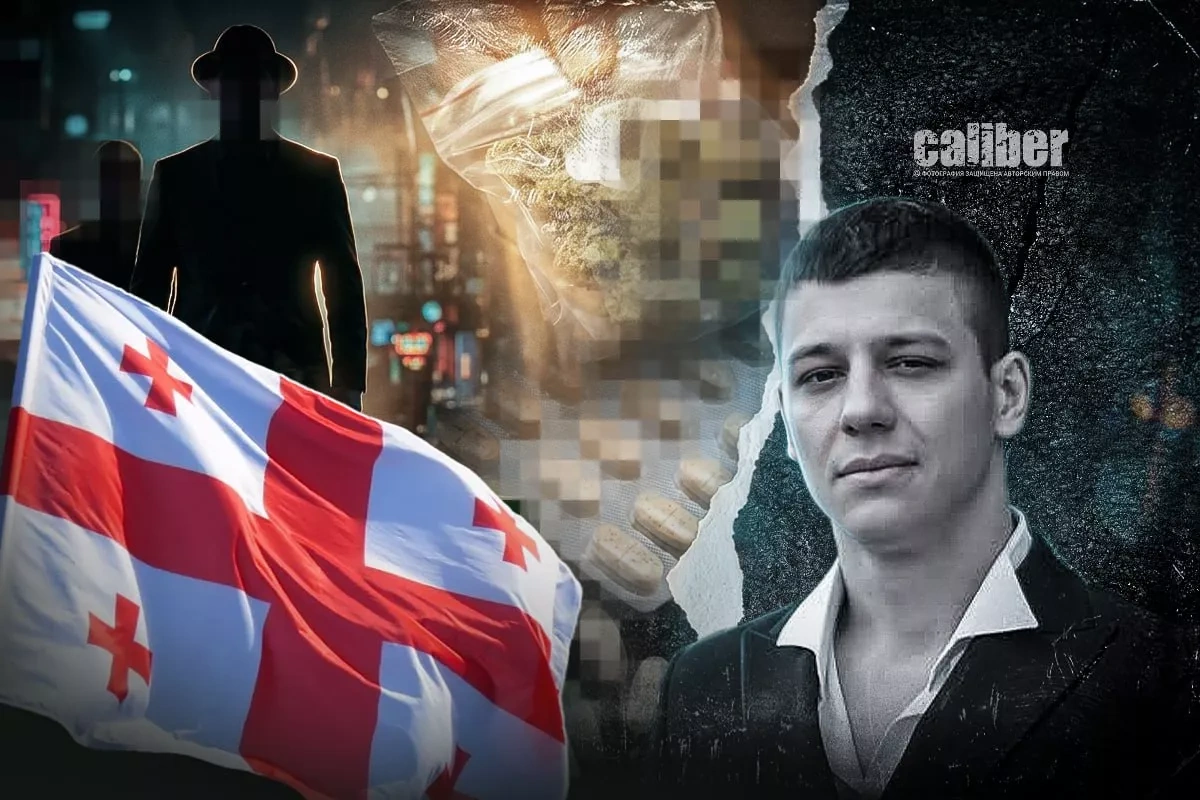
On August 27–28, 2026, Daur Buava, one of the most prominent Abkhaz bloggers advocating Georgian-Abkhaz dialogue and reconciliation, was found dead in Tbilisi. Buava gained recognition through TikTok videos and public appearances in which he called on Abkhaz and Georgians to abandon their mutual hostility and seek reconciliation.
Following Buava’s death, he was branded a “traitor” in Abkhaz separatist circles, with some linking his death to Georgian security services. Representatives of Georgia’s pro-Western opposition, meanwhile, blamed Russia’s FSB for what happened and attempted to link Buava’s death to the ruling Georgian Dream party.
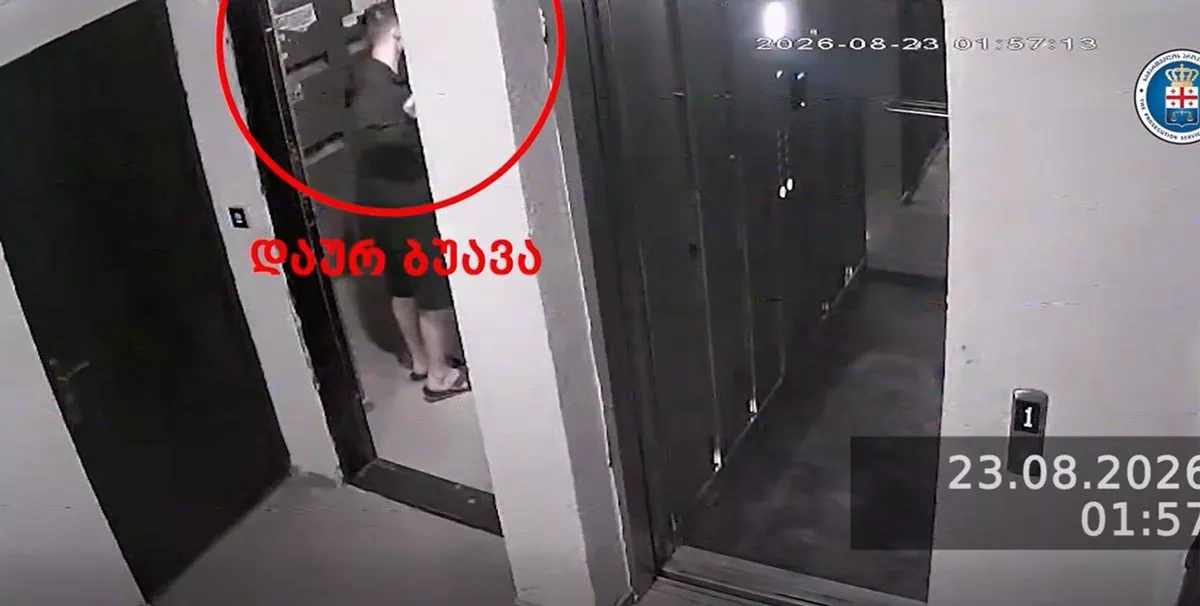
However, materials from the Georgian Prosecutor’s Office investigation point to a different picture. On August 23, an acquaintance of Buava, a Ukrainian citizen identified as V.K., came to his rented apartment in Didi Dighomi. She brought methadone with her, which the two of them consumed together. According to her account, she lost consciousness at around 3:00 a.m., and on the morning of August 25, she found Buava unconscious and breathing heavily. Fearing the consequences, she left the apartment without informing anyone of his condition. Security cameras recorded her leaving the building at 9:43 a.m. with the assistance of local residents.
A forensic examination confirmed that Buava had used methadone and alcohol, while methadone was also found in the apartment. Georgia’s Interior Ministry also detained two people linked to the acquisition of the drug, which was subsequently consumed by Buava and V.K. At the same time, investigators have not yet officially identified methadone as the cause of death. The investigation is ongoing, including under Article 115 of Georgia’s Criminal Code, which concerns incitement to suicide. V.K. has been charged under Article 128 of the Criminal Code for leaving a person in danger.
The tragedy once again raises questions not only about Georgian-Abkhaz reconciliation, but also about the serious problem of drug use among young people, particularly in separatist Abkhazia.
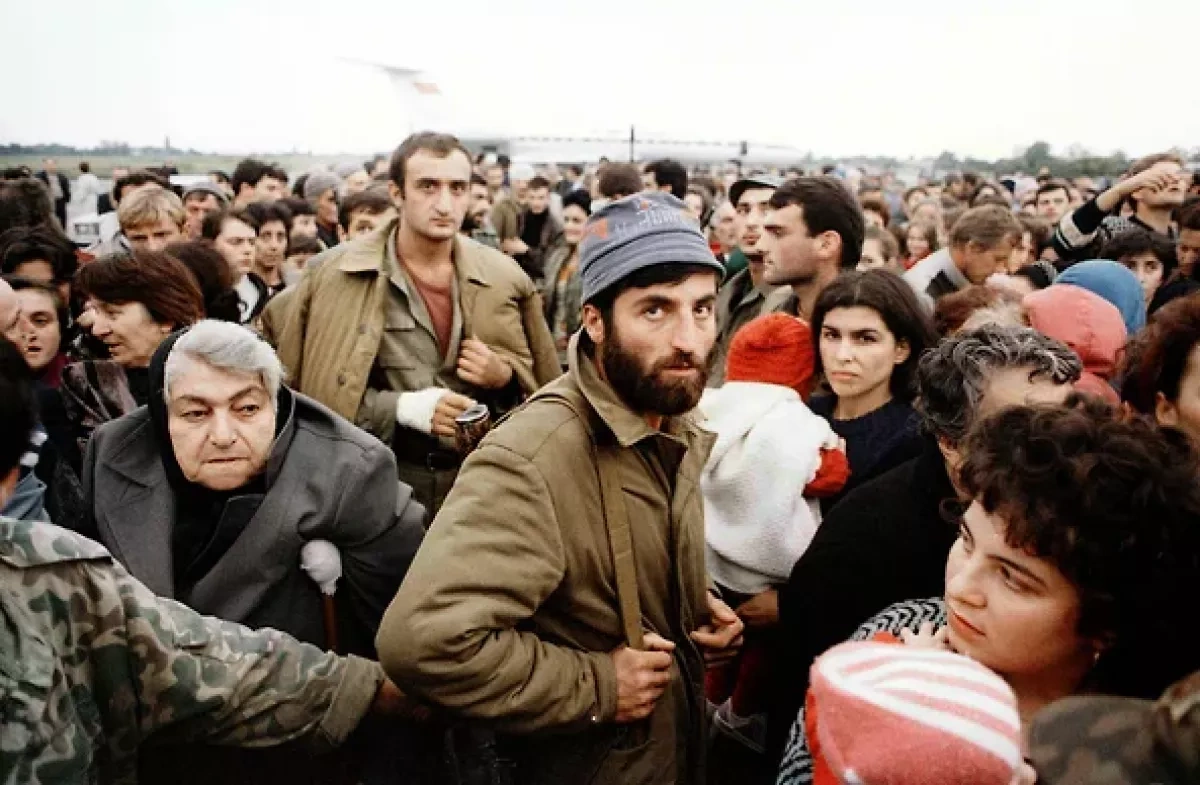
Daur Buava was born in 1994, after the end of the 1992–1993 war, which ended with separatist forces establishing control over most of Abkhazia and the mass expulsion of the Georgian population. As a result of the war, a significant number of homes and apartments were abandoned by their original owners and subsequently occupied by other people.
The fate of many families caught up in such circumstances was far from easy. Abkhaz society has repeatedly spoken about the social consequences of the war, including the destruction of established social networks, the departure of educated people, and the deterioration of the urban environment. In cities that experienced ethnic cleansing and a mass exodus of their populations, much of the former multiethnic intelligentsia and urban culture disappeared.
The consequences were particularly severe for young people. Families who moved to the cities from rural areas found themselves in a completely different social environment. The disruption of traditional ties, lack of prospects, economic difficulties, and the atmosphere of the post-war society created fertile ground for social problems, including drug addiction. Yet even families that had no direct involvement in looting or the seizure of other people's property could not exist in a vacuum.
Growing up in Tkvarcheli, Daur Buava was also shaped by a society in which the separatist authorities had spent decades cultivating hostility toward Georgia and Georgians, emphasising the differences between the two peoples and glorifying the 1992–1993 war as a “patriotic war.” It was in this environment that he began his public activities.
Initially, judging by his early publications, Buava’s attitude toward Georgia differed little from the official separatist rhetoric. However, in 2021, after becoming acquainted with life in Georgia, Buava was able to reconsider many of his previous views. He moved to Tbilisi and, in 2022, obtained Georgian citizenship.
After that, he encountered difficulties returning to Abkhazia. In 2022, the de facto Abkhaz authorities opened a case against Buava on charges of “treason,” accusing him of posting TikTok content that allegedly promoted the republic’s integration with Georgia.
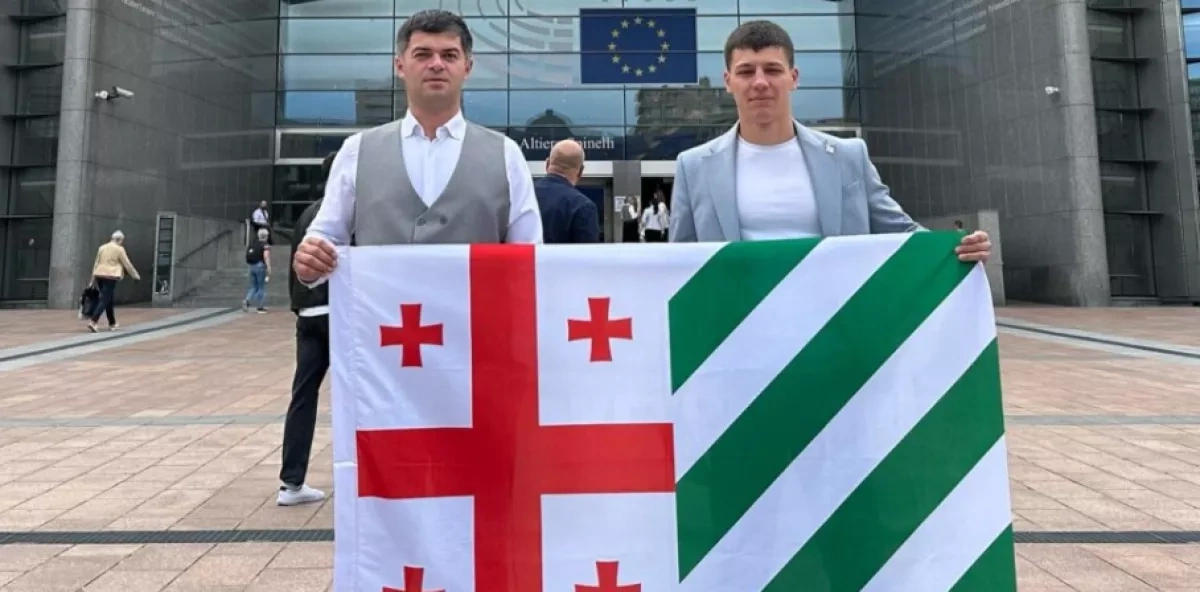
In July 2023, Buava addressed the European Parliament, where he spoke about the need to resolve the Georgian-Abkhaz conflict and emphasised the Georgian side’s willingness to extend a hand to the Abkhaz population. “I am Abkhaz myself, from Abkhazia, and I have been living in Tbilisi for two years. I have seen and understood a lot for myself,” he said.
Buava became a rare example of someone who managed to overcome his previous perceptions and move from confrontation toward dialogue. This is what makes his fate particularly tragic. Meanwhile, young Abkhaz people who remain trapped in radical separatist ideas are being exposed to very different role models.
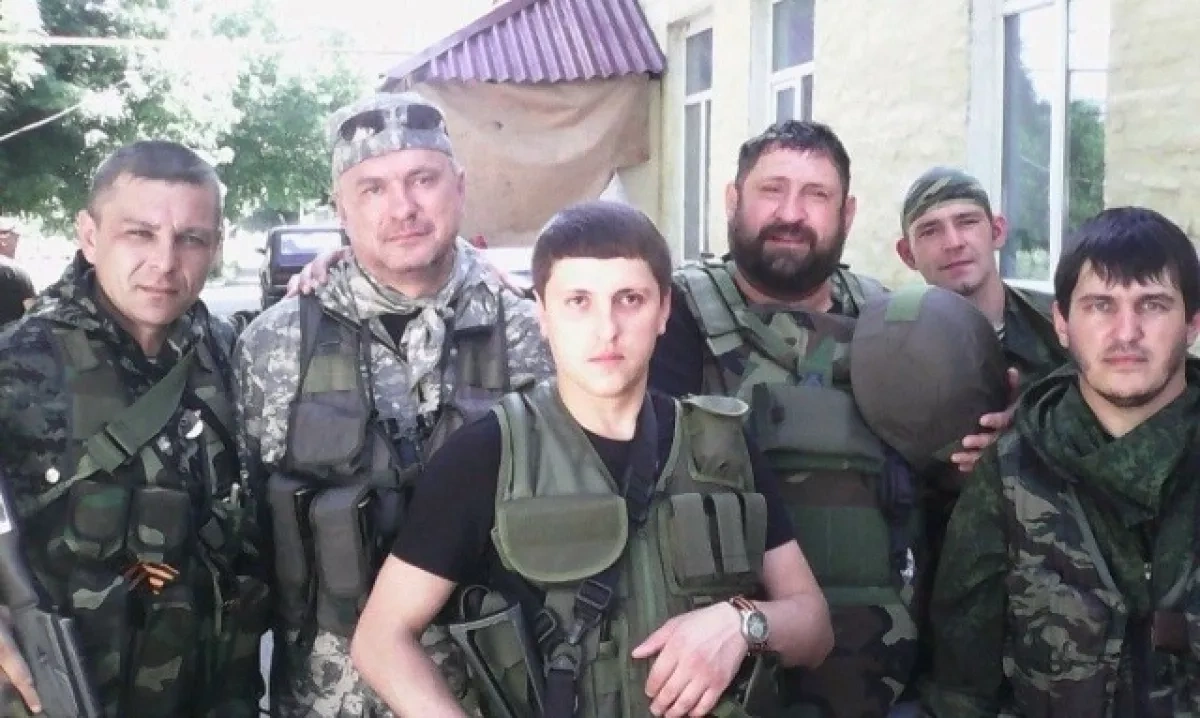
A telling example is Akhra Avidzba, known by the call sign “Abkhaz,” the commander of the Pyatnashka unit, which fought in Donbas. Even his former ally, Igor Strelkov (Girkin), the former “defence minister” of the separatist Donetsk People’s Republic, publicly described Avidzba as a “criminal, bandit and drug addict.”
A cult of war, force, and criminality, compounded by a lack of prospects, is hardly conducive to a healthy social environment. On the contrary, it creates fertile ground for the spread of drug use.
After moving to Tbilisi, Buava seemed to have been given a chance to start a new life. He married a Georgian woman and could have built a family founded not on hostility, but on relations between members of two peoples. Yet his story was far from a happy ending.
A new political environment gradually formed around Buava, and his rhetoric increasingly came to align with the agenda of Georgia’s pro-Western opposition. If separatist propaganda had previously taught him to see Georgia and Georgians as the source of all problems, the main targets of criticism in his new circle became Russia, Russians, and Georgian Dream, which the opposition accused of maintaining ties with Moscow. At the same time, Buava spoke positively of some initiatives by the Georgian government toward the Abkhaz population, although he did not support its policies overall.
Today, opposition figures are challenging the investigative version involving drugs, instead focusing on Buava’s political activities. His former wife also denied that he had a drug addiction and accused some of his colleagues of exploiting the tragedy for self-promotion. According to her, Buava himself had said during his lifetime that he did not trust the people he worked with.
It is premature to draw any definitive conclusions about the influence of his new circle. The investigation is ongoing. However, what has been established is that Buava used drugs together with V.K. and was subsequently left unconscious.
The tragedy of Daur Buava should serve not as an opportunity for yet another round of political speculation, but as a reason to discuss what happens to young people caught between the legacy of war, political propaganda, and drugs.
Buava managed to overcome the hatred toward Georgia that had been instilled in him and reached out to Georgians, becoming one of the symbols of the possibility of reconciliation between the two peoples. But his fate showed just how fragile that
Instead of becoming an example of successful reconciliation, Buava fell victim to several destructive forces at once — the consequences of war, political radicalisation, and drugs. Now, his tragic fate itself could become an obstacle to the Georgian-Abkhaz reconciliation that he once chose to work toward.
By Vladimir Tskhvediani, Georgia, exclusively for Caliber.Az