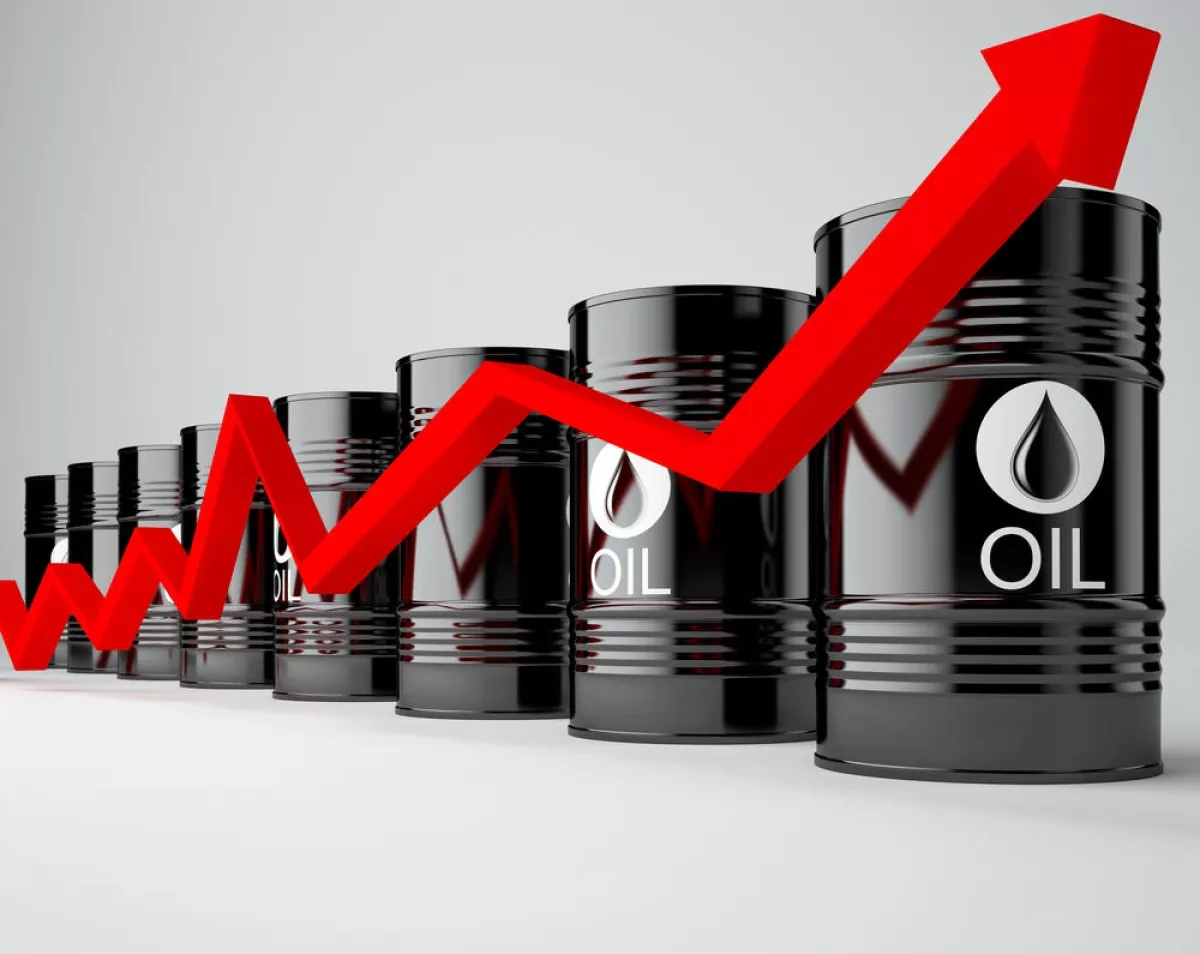
Oil prices climbed further on September 2 as escalating US-Iran tensions fueled fresh concerns over crude supplies from the Middle East and pushed hopes for a swift de-escalation of the conflict further out of reach.
Brent crude futures gained 75 cents, or 0.8%, to reach $95.40 a barrel, while US West Texas Intermediate (WTI) futures added 44 cents, or 0.5%, to trade at $90.66.
The latest gains have lifted both benchmarks to five-week highs, with markets increasingly pricing in the risk of prolonged regional hostilities and possible disruptions to crude exports.
“Developments in recent days brought risks to regional oil supplies back into focus,” ING analysts said in a note. “We’ve seen oil flow through the Strait of Hormuz despite the stalemate between the US and Iran, but rising tensions clearly put crossings at risk.”
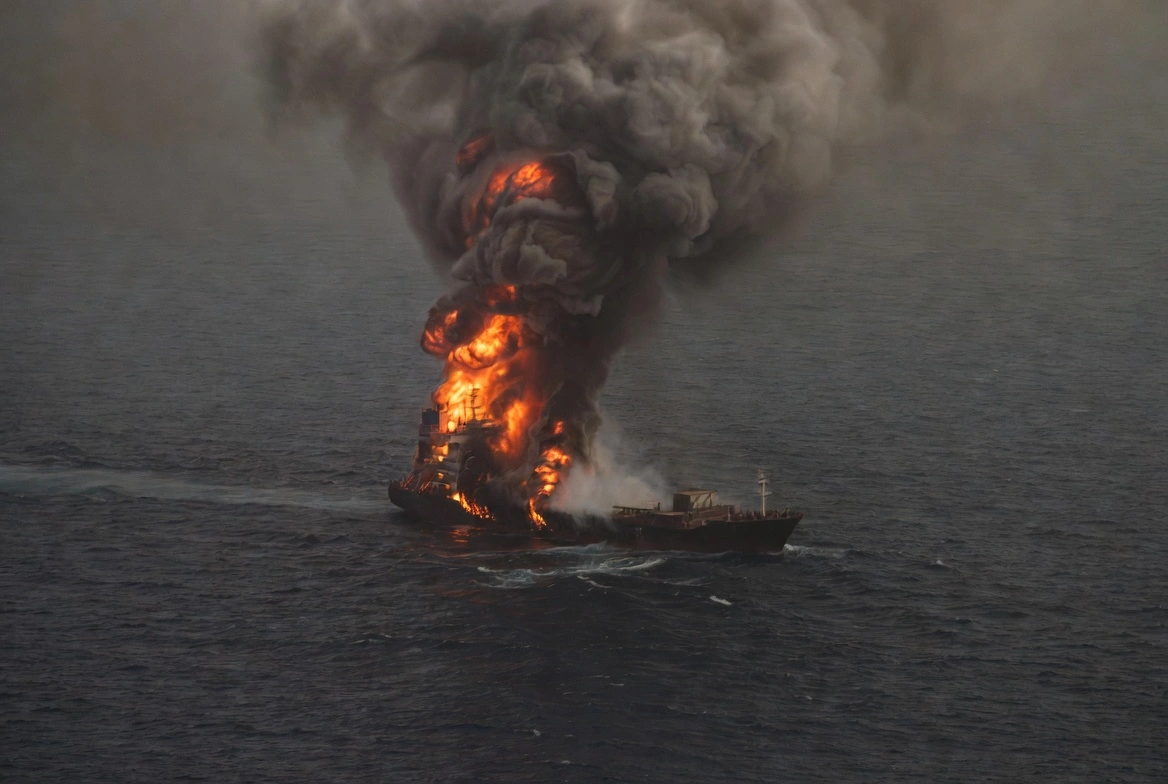
Concerns over supply disruptions intensified after a series of US strikes, including attacks on two Iranian tankers and roughly 100 other targets across Iran. The targets included air defence installations operated by the Islamic Revolutionary Guard Corps (IRGC), radar systems, maritime facilities, mining equipment and communications infrastructure.
The IRGC subsequently warned that the US strikes could further hamper maritime traffic through the Strait of Hormuz. The group also claimed responsibility for a large-scale missile attack on Prince Hassan Air Base in Jordan, where US long-range drones are deployed.
By Jeyhun Aghazada