Global climate pressures, turbulence in the world economy, and persistent structural challenges at home have long constrained the potential of Azerbaijan’s agricultural sector. A government meeting chaired by President Ilham Aliyev in May focused on addressing these challenges through a comprehensive reform agenda. This was followed by the approval of the “State Program for the Development of Agricultural Production and Processing, Fisheries and Aquaculture for 2026–2030,” as well as the entry into force of updated laws on “Seed Production” and “Fisheries.”
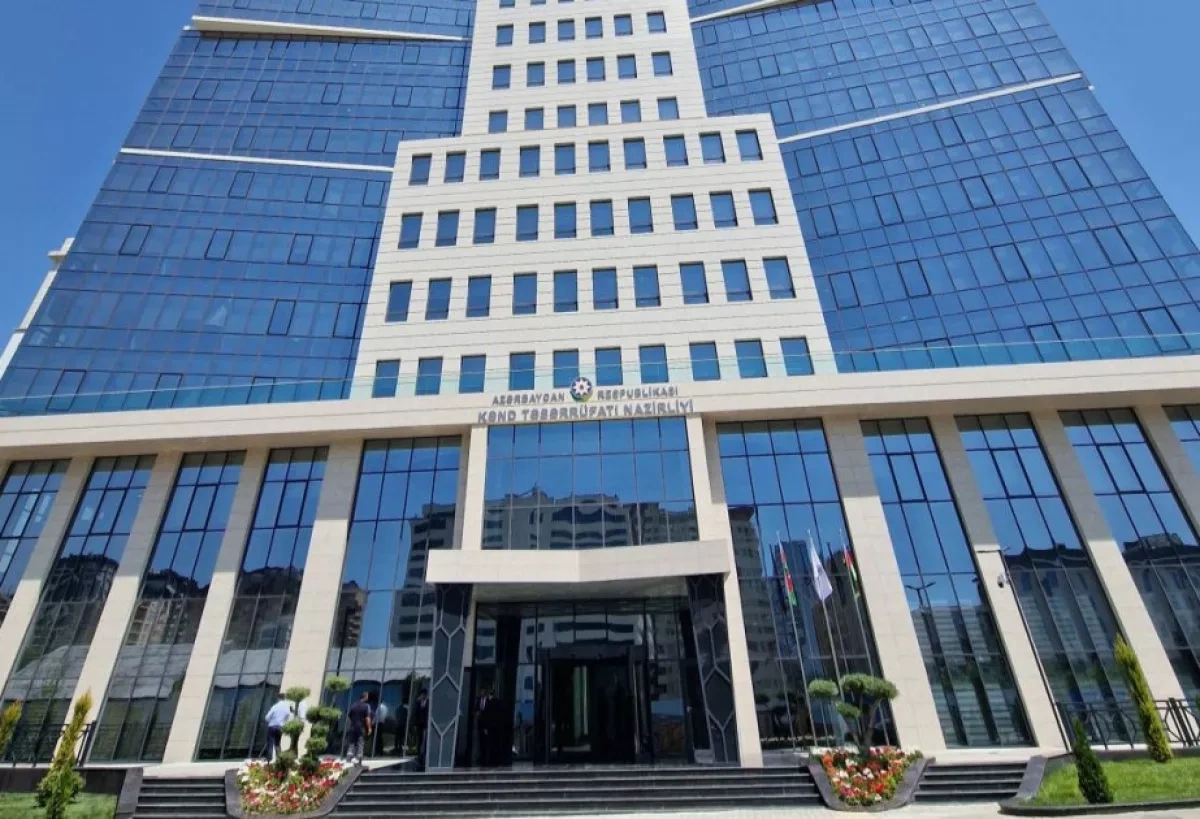
At a dedicated forum hosted by the Ministry of Agriculture, officials stressed that the new regulatory framework is designed to modernise state support mechanisms, accelerate the digital transformation of the agricultural sector, and bring national practices closer to international standards.
The acute shortage of irrigation water, imported inflation, disruptions to transport and supply chains, and the global energy crisis have significantly increased production costs, putting further upward pressure on food prices. Azerbaijan’s agricultural sector has also been affected by these trends. To mitigate these risks and strengthen national food security, the government has recognised the need to accelerate reforms and place both agriculture and food processing on a more intensive development
Against this backdrop, the State Program envisages a large-scale shift toward water-efficient irrigation, the widespread adoption of digital management systems, and the modernisation of agricultural processing and logistics infrastructure. Farmers are also set to gain greater access to advanced agrotechnical services, preferential lending, and investment. Together, these measures are expected to raise productivity, strengthen import substitution, and significantly expand Azerbaijan’s agricultural exports.
The State Program also provides for a range of important legislative and regulatory measures covering agriculture, fisheries, and aquaculture. As part of this effort, a new law, “On the Agricultural Sector,” is being drafted. Meanwhile, the updated laws “On Fisheries” and “On Seed Production,” aligned with international standards, are expected to simplify access to state support for farmers and processors, streamline subsidies and preferential financing, accelerate digitalisation, and expand access to electronic services for agricultural producers.
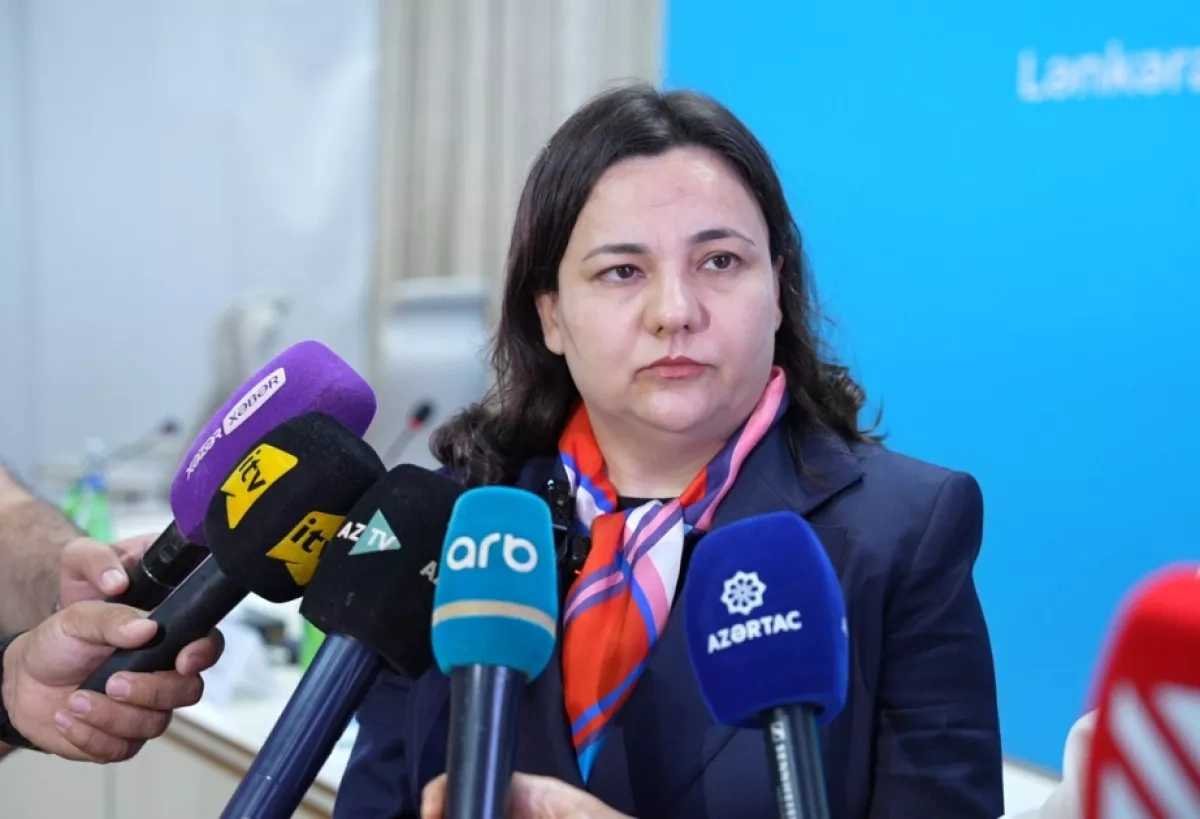
As Deputy Minister of Agriculture Ilhama Gadimova noted at a press conference, the key objective of the new measures is to bring legislation in the sector into line with modern requirements and international standards. Expanding digital capabilities is expected to be a central part of this effort.
“Digitalisation will enable the authorities to conduct state oversight remotely, beginning with the registration of entities operating in these fields, while further simplifying access to public services through digital solutions,” Gadimova said.
Another important development is the formal recognition of fisheries as a fully fledged branch of agricultural activity. This brings the sector under the tax incentives and state support mechanisms available to agriculture, while increasing its export potential has been identified as one of the key priorities of the State Program.
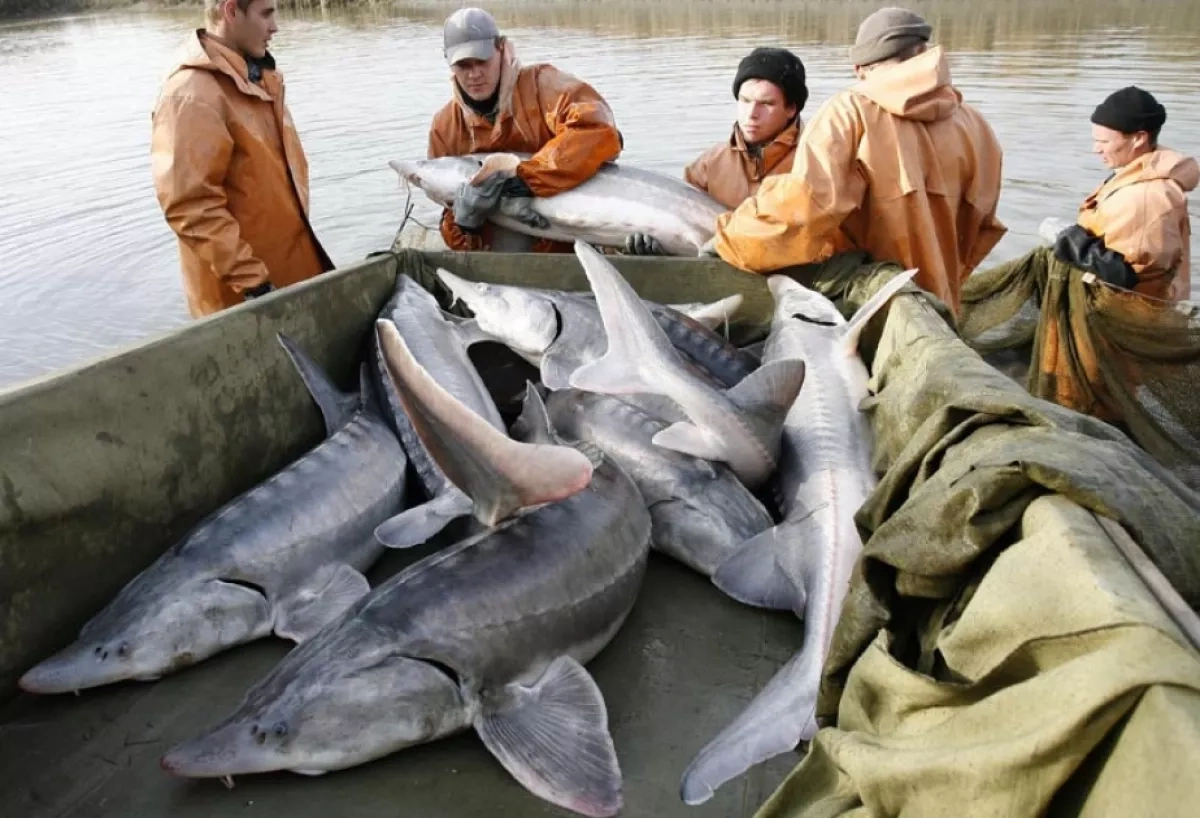
The move comes against the backdrop of mounting pressure on the Caspian Sea ecosystem. Global warming, regulation of rivers flowing into the increasingly shallow sea, the discharge of untreated industrial wastewater, shifts in the ecological balance, declining fish stocks, and illegal fishing have all contributed to a sharp reduction in populations of commercially valuable species. As a result, marine fishing in the Caspian is becoming an increasingly difficult and less profitable economic activity, making a gradual shift toward aquaculture not only logical but increasingly necessary.
To regulate the activities of domestic aquaculture enterprises, President Ilham Aliyev issued a decree in December 2024 titled “On Additional Measures to Develop Fisheries and Aquaculture in Azerbaijan.” The decree laid the groundwork for establishing the Fisheries and Aquaculture Center, a public legal entity operating under the Ministry of Agriculture. In July 2025, the president signed amendments to the Land Code and the Law “On Fisheries,” clarifying the legal status of land designated for aquaculture facilities and the categories of land on which such facilities may be established. It is also worth noting that, three years earlier, Azerbaijan had adopted the “State Program for the Development of Aquaculture in Azerbaijan for 2023–2027.”
The emerging legal framework is designed to simplify the registration of fish-farming enterprises and modernise sectoral record-keeping, while closely linking increased production with environmental safeguards, the sustainable use of water resources, and the protection of biodiversity. In this way, Azerbaijan is seeking to expand aquaculture without compromising the ecological sustainability of the sector.
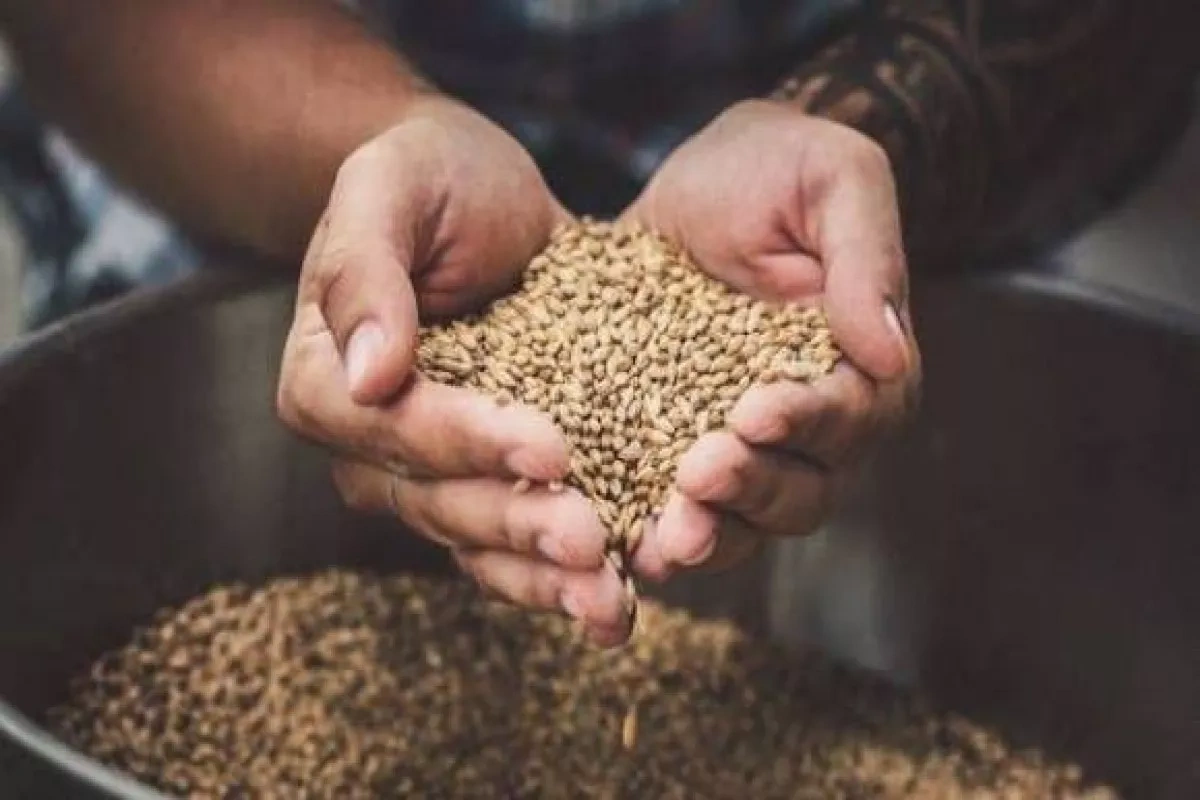
Equally important is the adoption of the new Law “On Seed Production.” The legislation introduces the concept of a “seed production operator,” Taleh Zeynalov, Deputy Chairman of the Agricultural Services Agency, said at the conference. He explained that the operator’s remit covers the entire seed supply chain, including production, imports, exports, procurement, trade, storage, cleaning, and related activities.
The law will also strengthen the monitoring of seed quality on the domestic market. According to Deputy Minister Ilhama Gadimova, both the Ministry of Agriculture, as the sector’s regulatory authority, and farmers will have access to more comprehensive information. Market participants will be able to obtain detailed data on the quality of seed materials, their producers, and trading operators, allowing them to make better-informed purchasing decisions and select seeds with greater yield potential. Oversight of entities involved in seed production will also be reinforced through a dedicated digital system.
The Deputy Minister added that digital solutions, including artificial intelligence (AI), will help strengthen quality control over imported seeds and prevent products that fail to meet established standards from entering the Azerbaijani market.
On the other hand, the new legislation expands opportunities for the domestic private sector to contribute to the development of this field. In particular, the involvement of specialised private seed-production enterprises in the cultivation of breeder, elite, and certified seeds is envisaged. “The reproductive seeds grown in our country are produced precisely from breeder and elite seeds, and our production system is built around them. Making greater use of the more advanced capabilities of the private sector could provide a foundation for producing higher-quality products,” Gadimova added.
It is worth recalling that at the government meeting, the president instructed relevant agencies to step up cooperation with the private sector, while also encouraging foreign investors and attracting international companies to develop the most in-demand areas of agriculture. More than 2 billion manats ($1.17 billion) is expected to be allocated from public funds for implementation of the State Program over the next four and a half years, while private investors are expected to contribute more than 3 billion manats ($1.76 billion) to these initiatives.