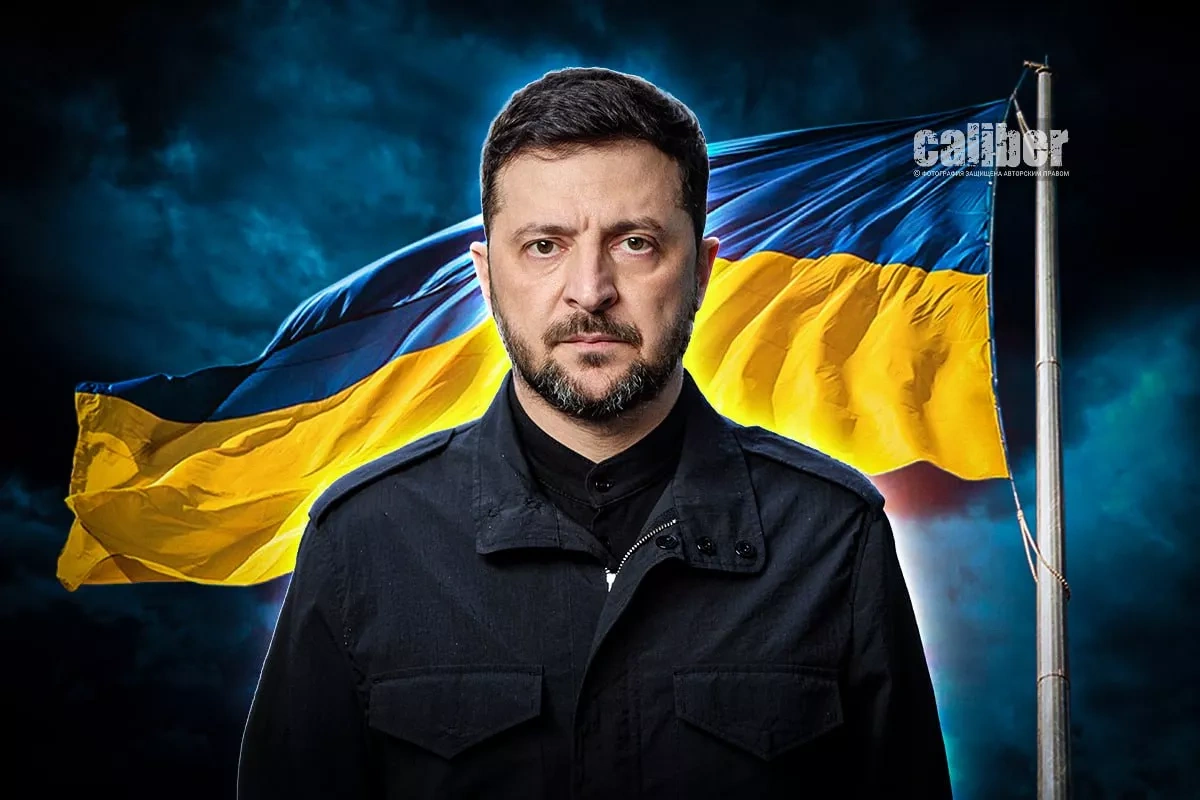
Ukrainian President Volodymyr Zelenskyy has expressed frustration that Ukraine’s international partners have gone on summer vacation amid continued attacks on the country.
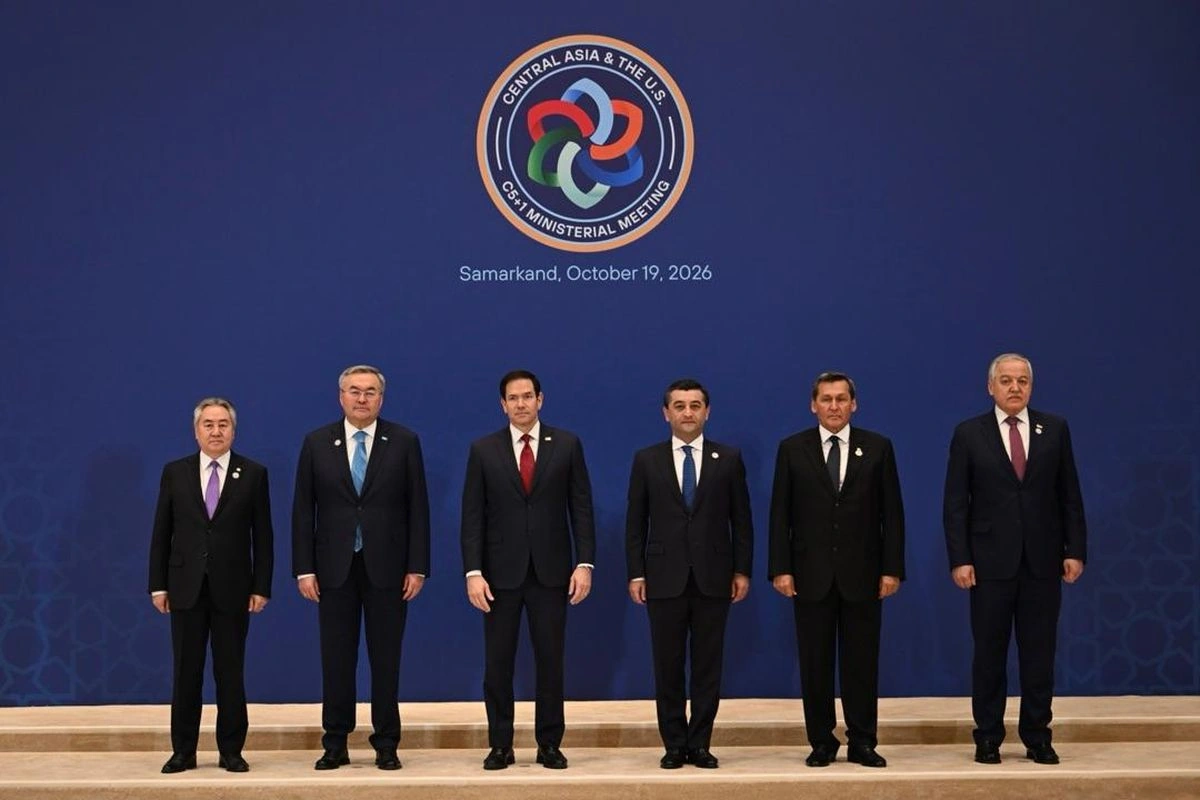
“For the past two weeks, the whole world, Europe and the world that are helping us, have been on vacation. And it leaves a very unpleasant aftertaste. I cannot help but share it... this feeling, you know... of 'diplomacy according to schedule.' In other words, when it's vacation, it's vacation. This is a very unpleasant fact,” he said.
The statement is striking for a number of reasons. Ukraine is certainly entitled to expect continued support from its allies, particularly amid an ongoing war. But foreign leaders are not subordinates of the Ukrainian president, nor are they obliged to cut short their holidays at Kyiv’s request. They are accountable first and foremost to their own governments, parliaments and voters.
Moreover, there is no principle of international law requiring foreign politicians to work without a break because of the Russian-Ukrainian war. At the same time, according to his official biography, the Ukrainian president himself has a legal education, having graduated from the Kryvyi Rih Economic Institute of Kyiv National Economic University (KNEU) with a degree in Law.
Although Zelenskyy has no professional experience in the legal field, even a basic legal education should have been enough to understand the questionable basis of his complaints about the schedules of foreign leaders. Ukrainians themselves may also recall that the president has previously taken vacations without seeking the approval or coordinating the timing with his European partners.
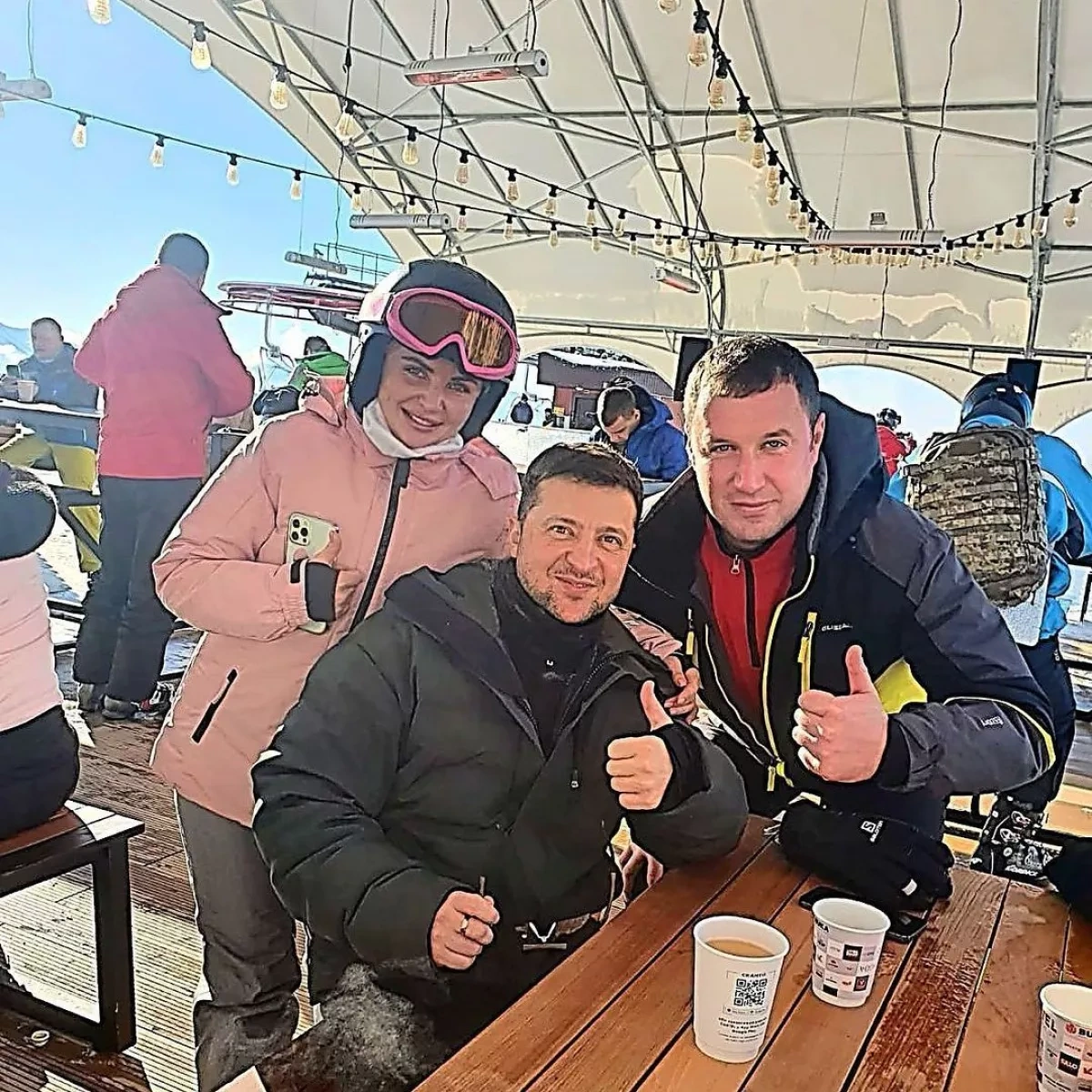
Thus, on January 4, 2022, Volodymyr Zelenskyy arrived at the Bukovel ski resort, describing the trip as a “short winter break.” Three days later, on January 7, he posted a video from the ski slopes, wishing Ukrainians a Merry Christmas.
The Ukrainian president’s vacation came just a month and a half before Russia launched its full-scale invasion on February 24, 2022 — at a time when the United States and other Western allies were already publicly warning Kyiv about the growing likelihood of a Russian attack.
Zelenskyy dismissed and denied those warnings at the time. Many Ukrainians, however, still remember the president’s conduct in the weeks leading up to the invasion. They also remember an earlier episode that offers an interesting insight into Zelenskyy’s attitude toward questions about his responsibilities and obligations.
In January 2019, journalists from Schemes: Corruption in Details, a program produced by Radio Free Europe/Radio Liberty, published an investigation into Zelenskyy’s business interests in Russia. The investigation alleged that companies linked to Zelenskyy continued to own three film-production companies in Russia, despite his earlier claim that he had ended his business activities there following Russia’s annexation of Crimea in 2014.
By that time, Zelenskyy had already announced his intention to run for president, although he had not yet been formally registered as a candidate by Ukraine’s Central Election Commission. Schemes journalist Maksym Savchuk subsequently approached Zelenskyy outside his office in Kyiv and attempted to obtain a comment.
Rather than substantively addressing the questions, Zelenskyy suggested that the journalist arrange a separate meeting. When Savchuk continued pressing him about his business interests in Russia, Zelenskyy responded sharply: “I owe you nothing. I owe only my parents.”
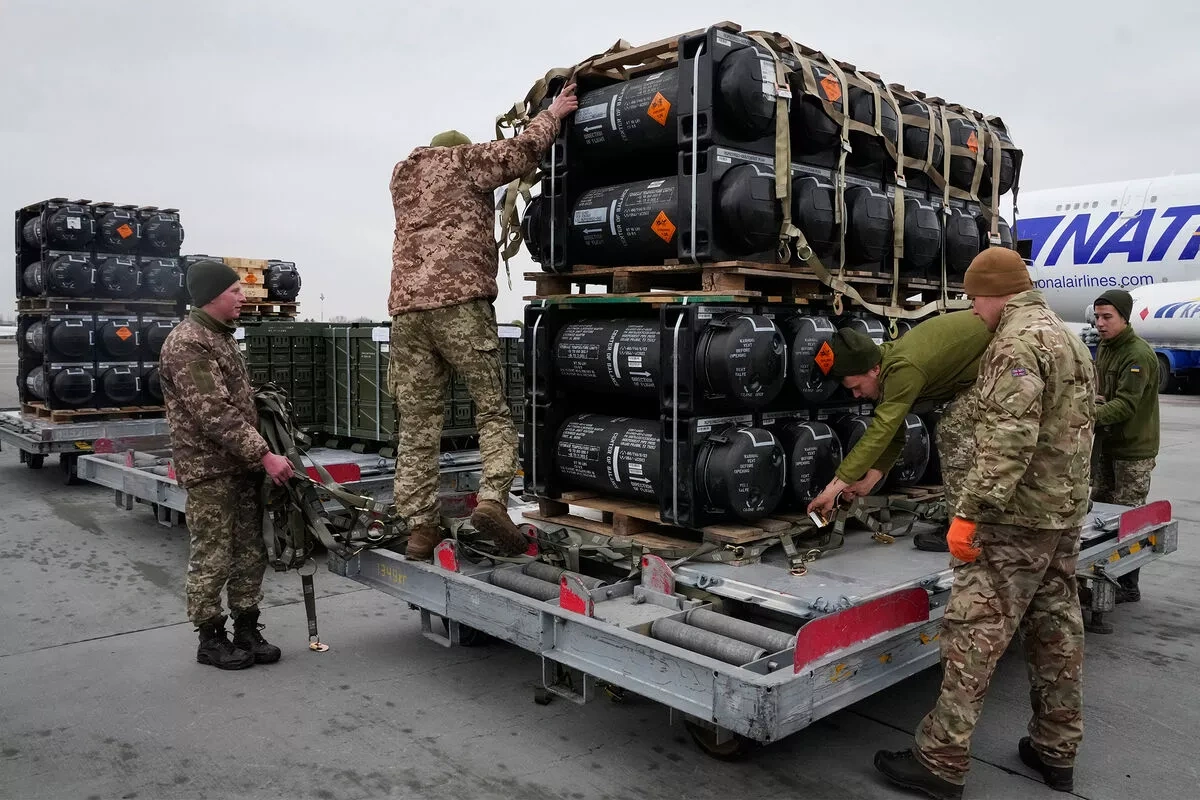
And if any European politician were to respond to Zelenskyy’s criticism in similar terms, they would be justified in doing so. This is particularly true given the scale of assistance Ukraine has received from its foreign partners since the start of the full-scale war — amounting to hundreds of billions of dollars in military, financial and humanitarian aid.
Ukraine’s dependence on external financing has become especially pronounced in 2026. Following a revision of the state budget, almost 43% of its projected revenues are expected to come from a single major EU financial assistance package. At the same time, without continued international financial support, Kyiv would struggle to cover the enormous budget deficit created by the war.
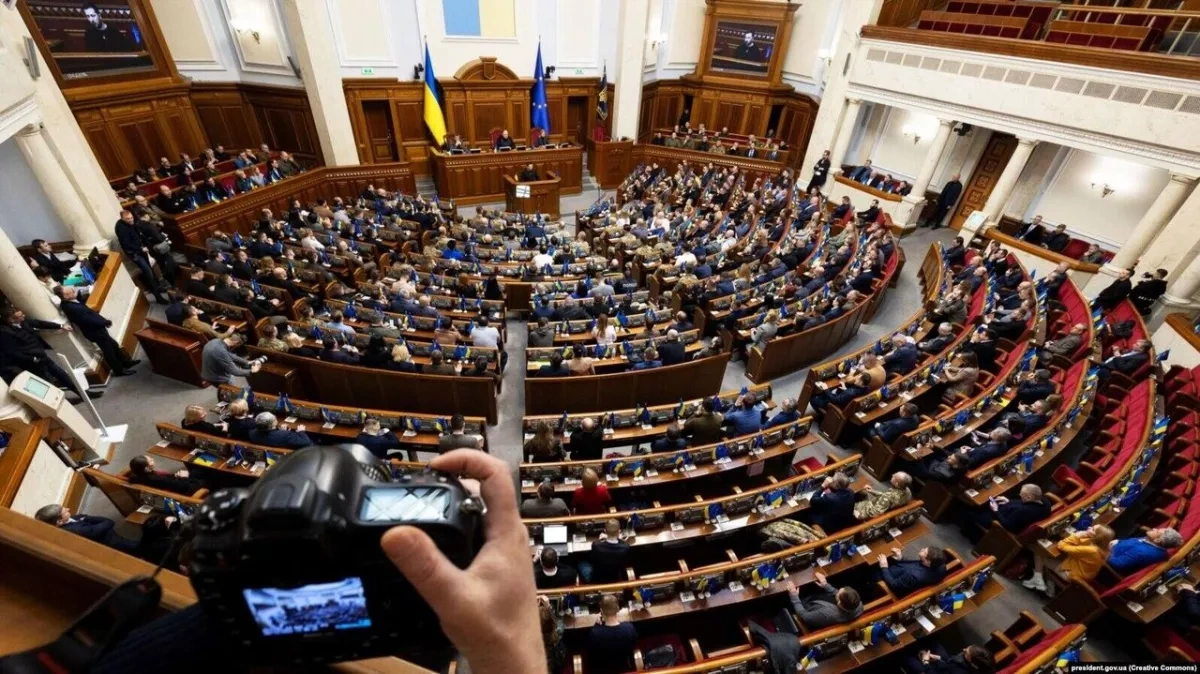
Another detail is particularly noteworthy. As recently as September 1, Ukraine’s Verkhovna Rada once again failed to pass legislation that would restore value-added tax (VAT) on international parcels worth up to €150.
Neither the main bill, No. 15112-d, nor any of the alternative bills — Nos. 15112-1, 15112-2, 15112-3, 15112-4, 15112-5 and 15112-6 — received enough votes to abolish the VAT exemption. At the same time, it is well known that when legislation considered critically important to his administration has been at stake, Volodymyr Zelenskyy has personally appeared in the Verkhovna Rada to appeal to lawmakers. On such occasions, the presidential majority has generally managed to secure the votes needed to pass the legislation.
This time, however, Zelenskyy did not appear in parliament. The result prompted Daniil Getmantsev, chairman of the Verkhovna Rada’s Committee on Finance, Tax and Customs Policy, to declare: “Today, populism and schemes have won. And, apparently, the Rada is no longer capable of making difficult decisions.” According to Getmantsev, the cost of the failure could amount to €4 billion in EU assistance, while also jeopardising continued cooperation with the IMF. Against the backdrop of such decisions at home, the Ukrainian president’s complaints about foreign partners look even more absurd.