BAKU, Azerbaijan, September 24. Turkmenistan
has adopted a National Strategy for Industrial Development for
2030-2045 to support the country's long-term industrialization.
This was reflected in a statement issued by the press service of
the Turkmen government.
According to the publication, President Serdar Berdimuhamedov
signed the resolution approving the strategy.
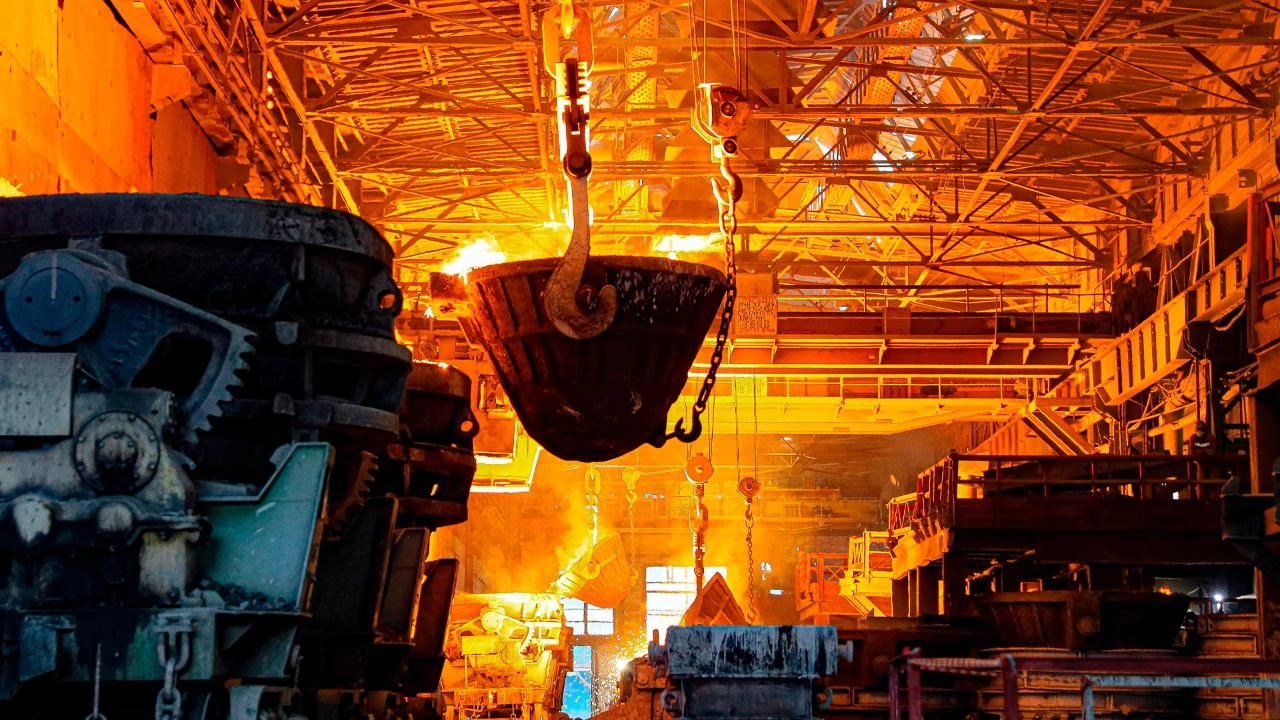
“Today, Turkmenistan has a powerful industrial sector that
ensures economic and sustainable development. To consistently
implement measures to transform our country into an advanced
industrial state, we should adopt the National Strategy for
Industrial Development of Turkmenistan for 2030-2045,” President
Serdar Berdimuhamedov said.
The strategy was developed to guide the country's industrial
development over the 2030-2045 period and advance the ongoing
industrialization process.
Chairman of the Halk Maslahaty Gurbanguly Berdimuhamedov said
initiatives aimed at industrializing the national economy are
giving strong impetus to the development of the industrial
sector.
He identified the adoption of a long-term strategy for further
industrialization as an important task and linked it to a new stage
of industrial development in Turkmenistan.
The strategy was presented at a meeting of the Halk Maslahaty,
where Gurbanguly Berdimuhamedov called on President Serdar
Berdimuhamedov to sign the relevant documents.
For reference, The Halk Maslahaty of Turkmenistan is the
country's highest representative body. Following the 2023
restructuring of the political system, it operates separately from
the Mejlis and is chaired by Gurbanguly Berdimuhamedov. The body
brings together representatives of central and local authorities,
public organizations and other groups. Its meetings have been used
to discuss major state policy and economic priorities.
Economic issues have featured prominently in previous meetings.
At the November 2022 meeting devoted to the draft 2023 State
Budget, the Halk Maslahaty discussed the country's investment
policy, financial market and currency stability. Proposals included
measures to increase budget revenues through privatization, the
development of the securities market, the transformation of state
enterprises into joint-stock companies and support for
export-oriented manufacturing. The meeting also addressed financing
for industrial enterprises, agriculture and entrepreneurs, as well
as the development of import-substituting production.
At the September 2024 meeting, the economic agenda included the
allocation of state budget funds and the country's investment
priorities. President Serdar Berdimuhamedov said 67.8% of
investments allocated for construction were directed to production
facilities and 32.2% to social facilities. The meeting also covered
the development of education, healthcare, culture and
infrastructure, alongside measures related to the banking sector
and the national currency.
The 2024 meeting also continued the practice of linking the
body's agenda to annual socioeconomic and investment programs.
Earlier that year, its Presidium had considered the implementation
of the 2024 socioeconomic development and investment program, with
these issues subsequently forming part of preparations for the
September session.