BAKU, Azerbaijan, September 24. Turkmenistan
plans to launch construction of a plant capable of processing
60,000 tons of industrial cottonseed annually in Dashoguz Province,
President Serdar Berdimuhamedov said at a meeting of the Halk
Maslahaty.
This was reflected in a statement issued by the press service of
the Turkmen government.
According to the information, the facility will produce
vegetable oil and is planned as part of the country's agricultural
development efforts.
“In Dashoguz Province, we plan to lay the foundation this year
for a modern enterprise designed to process 60,000 tons of
industrial cottonseed and produce vegetable oil,” Serdar
Berdimuhamedov said.
The president said the project forms part of measures to
strengthen food security, supply raw materials for the light
industry and improve agricultural production efficiency.
He also said a joint laboratory complex for research institutes
under the Ministry of Agriculture will be commissioned this year to
support scientific work in crop farming, livestock breeding and
seed production.
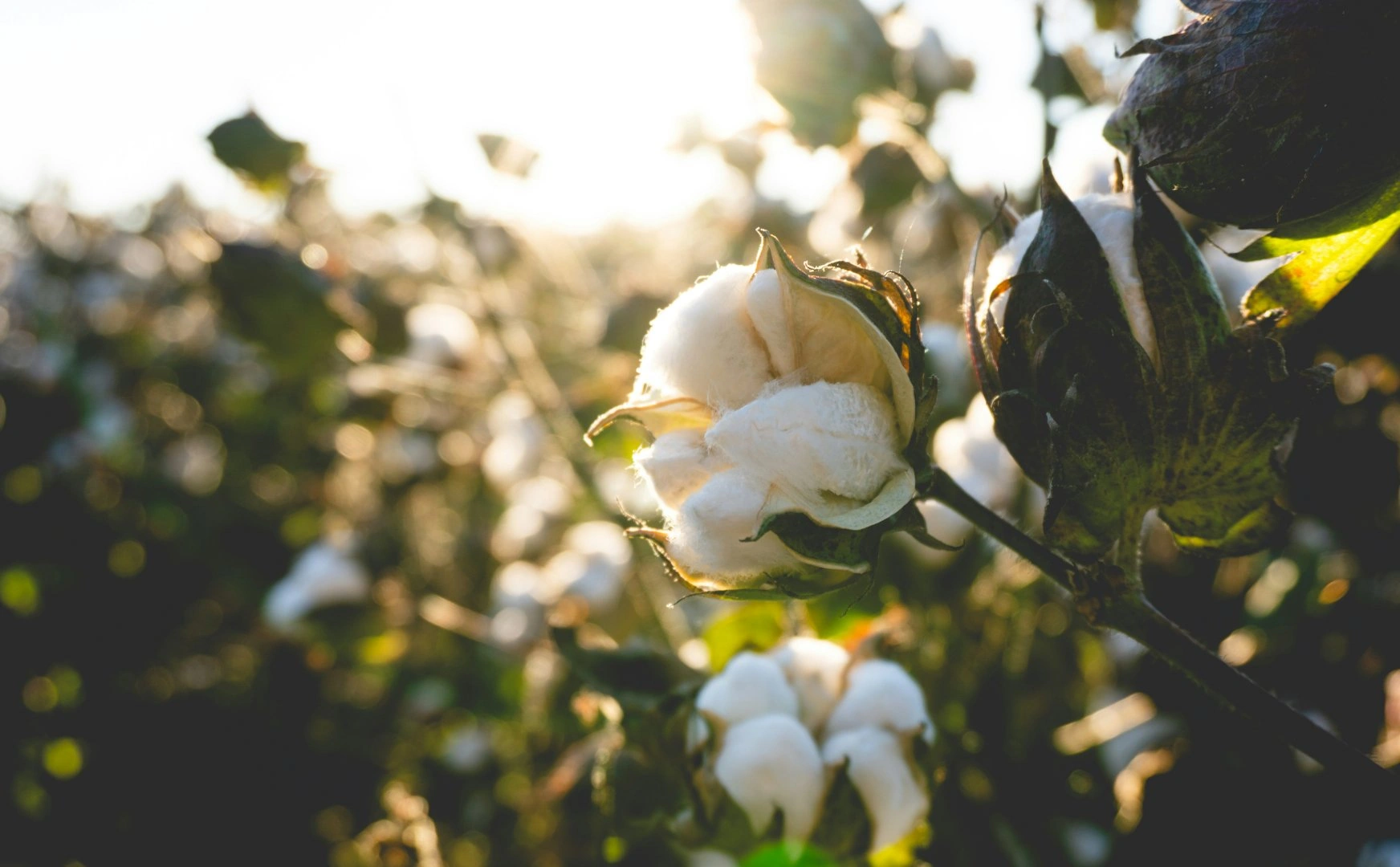
“At the same time, thanks to the dedicated efforts of cotton
workers, 1,250,000 metric tons of “white gold” are expected to be
harvested this year,” Berdimuhamedov added.
According to Serdar Berdimuhamedov, Turkmenistan is also
continuing to modernize irrigation and drainage systems through the
introduction of new technologies and maintains cooperation with the
UN Food and Agriculture Organization (FAO).
Meanwhile, agriculture is one of the key sectors of
Turkmenistan’s economy, contributing around 11-12% to GDP and
employing a significant share of the population. The sector focuses
primarily on the cultivation of strategic crops such as cotton and
wheat, as well as vegetables, fruits, and melons.
The government places strong emphasis on modernizing farming
practices, improving irrigation systems, and increasing
productivity through state support programs. Large state entities,
including Turkmenpagta State Concern and Turkmengallaonumleri State
Association, coordinate cotton and grain production, respectively,
while livestock breeding and food processing are managed by
specialized state associations.