BAKU, Azerbaijan, September 28. The Caspian Sea
Water Desalination Project in Azerbaijan is expected to commence in
the third quarter of 2026, reads the project’s Environmental and
Social Impact Assessment.
“The Project is expected to commence in the third quarter of
2026, following financial close and the issuance of the Notice to
Proceed, marking the start of full-scale construction activities.
Initial operations are anticipated to begin in the third quarter of
2028, when the plant will start producing water on a limited basis.
Full commercial operations are expected to be achieved by the first
quarter of 2029. Once operational, the facility will continue to
provide water supply for an anticipated period of approximately 25
years,” the document reads.
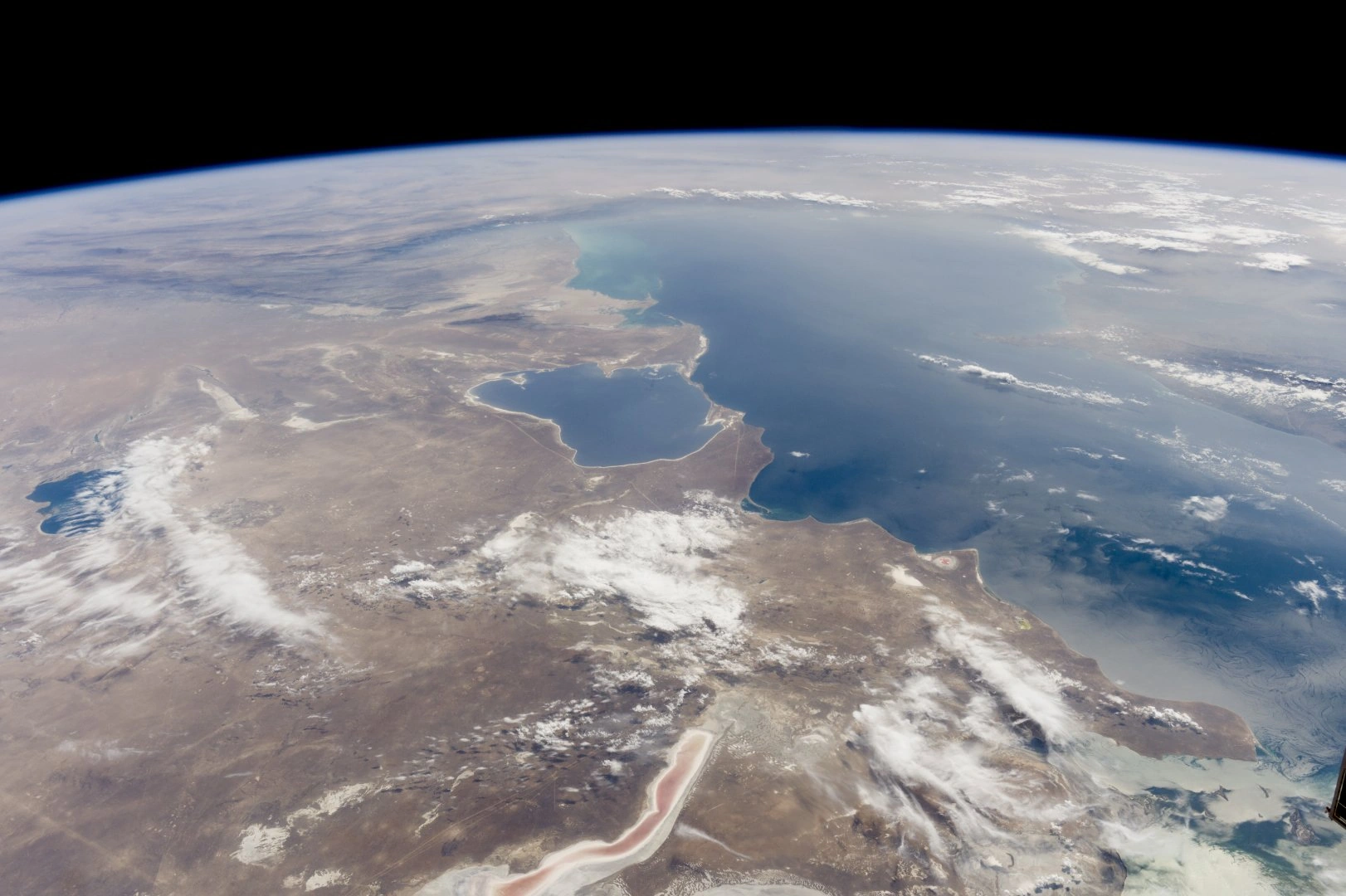
The proposed desalination plant will be located within the
Sumgayit industrial area, near the Caspian Sea, on a site of
approximately 30 hectares. The Project will have a production
capacity of around 300,000 m³ of potable water per day. It will be
developed and operated by a dedicated project company established
in Azerbaijan, under a long-term agreement with the Azerbaijan
State Water Resources Agency.
The Project aims to address increasing water demand in Baku and
surrounding areas by providing a reliable and sustainable source of
potable water. By introducing seawater desalination, the Project
will diversify Azerbaijan’s water supply and reduce reliance on
traditional surface water sources. It is also designed to improve
the efficiency and resilience of the existing water supply system
through the use of modern, energy-efficient technologies. The
development will bring economic and technical benefits, including
the introduction of modern technologies and international
expertise, supporting local capacity building within the water
sector.
At this stage, it is understood that the project developer ACWA
is seeking an amount of project finance from financial Institutions
that are Development Finance Institutions (DFIs), which will
include the International Finance Corporation (IFC), Japan Bank for
International Cooperation (JBIC) and Nippon Export and Investment
Insurance (NEXI). This ESIA Non Technical Summary (NTS) and broader
Environmental and Social (E&S) package has been prepared for
the potential financing of the Project by the above-mentioned
targeted international lenders. The respective lenders will
undertake a process of E&S Due Diligence/Review to ensure that
the Project can be accepted for financing under their respective
E&S Policies.
The Project will produce potable water from seawater using SWRO
technology. Seawater will be abstracted from the Caspian Sea
through offshore intake pipelines and conveyed to the plant, where
it will undergo a series of treatment processes to remove salts and
impurities. The process includes pre-treatment to remove suspended
solids and protect the system, followed by reverse osmosis where
freshwater is separated from saline water. The treated water is
then stabilised and disinfected to meet drinking water standards
before being supplied to the distribution network. Supporting
infrastructure includes power supply systems, chemical storage and
dosing facilities, product water storage, and brine outfall
infrastructure for the safe discharge of residual saline water back
to the sea.
The Project will be delivered by an experienced international
Engineering, Procurement and Construction (EPC) contractor
consortium led by PowerChina Huadong Engineering Corporation
Limited (HDEC), in partnership with Innovative Water Application
Company (IWAC) and Water & Environment Technologies Company
(WETICO). The consortium will be responsible for the detailed
design, construction, and commissioning of the desalination plant
in accordance with national requirements and international good
practice.
Construction will involve a combination of onshore and offshore
works. Onshore activities will include site preparation,
earthworks, excavation, and backfilling to establish foundations
and plant infrastructure. Materials from the existing site,
including concrete and soils, will be reused where suitable to
reduce waste and minimise the need for imported materials. Civil
works will include the construction of buildings, tanks, and
supporting infrastructure, with ground improvement measures
implemented to ensure long-term stability.