BAKU, Azerbaijan, September 28. Trade between
the countries through which the Middle Corridor passes could
increase 1.5-fold in value terms and by 60% in physical volume by
2040 compared to 2023.
This was stated in the World Bank report “Integration:
World-Class Trade Logistics along the Trans-Caspian Transport
Corridor.”
According to forecasts, trade dynamics between individual
countries will vary.
“The growth pattern reflects persistent constraints. Countries’
export baskets remain heavily concentrated in hydrocarbons, metals,
and other bulk commodities, while trade in higher-value-added
goods—including machinery, electronics, and manufactured goods, is
expanding from a relatively low base.
Despite the expected increase in the share of higher-value-added
goods, the use of the Trans-Caspian Transport Corridor for their
transportation remains relatively limited.
“In addition, trade costs along the corridor remain high
compared to comparable regions. The report attributes this to
geographical characteristics and institutional fragmentation,” the
bank reports.
As noted, despite the growth in trade volumes, the pace of
structural transformation remains moderate, which underscores the
importance of the corridor’s operational efficiency in supporting
diversification.
The World Bank characterizes the Middle Corridor as an emerging
international trade route distinguished by its length, complexity,
and fragmentation.
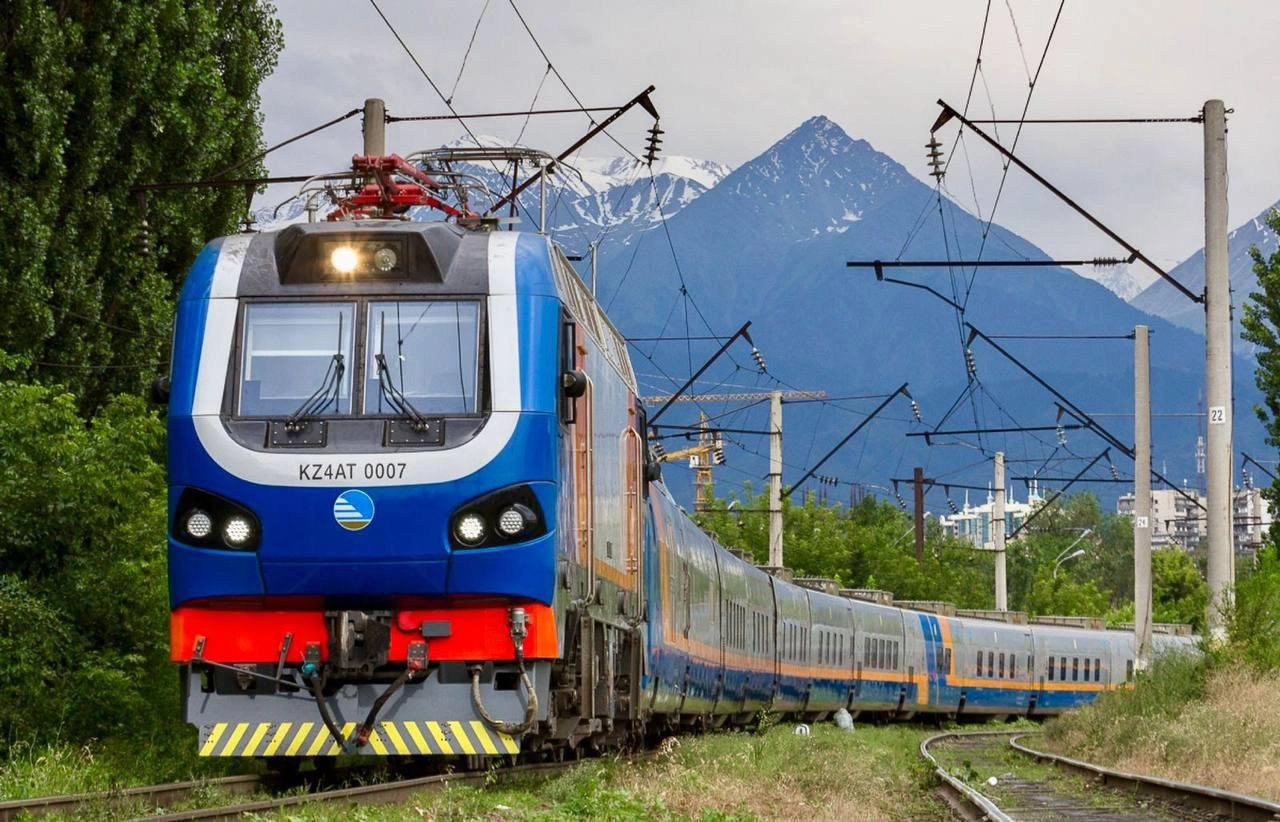
"This corridor is a multimodal freight network connecting two
continents. The corridor’s routes pass through Central Asia, East
Asia, the South Caucasus, Türkiye, and on to Europe, and their
length can exceed 10,000 kilometers.
The multimodal nature of the corridor, which includes rail and
road transport, short-sea shipping, and the interaction between
seaports and inland ports, increases operational complexity
compared to routes that use a single mode of transport.
Depending on the route, the delivery of cargo from the shipper
to the recipient via the Central Corridor involves crossing several
borders. “Typically, a single route involves four to five border
crossings, two changes in rail gauge, up to four transshipments
from rail to vessels and back, and up to 10 entries into or exits
from customs transit procedures,” the World Bank reports.
According to the World Bank, the high degree of fragmentation of
the corridor complicates the management of this system: “Its
operation involves several rail operators, shipping lines, port and
customs authorities from countries with varying levels of income
and degrees of economic integration, as well as national and
supranational bodies responsible for decision-making and
coordination.”
The World Bank notes that ensuring the effective operation of
such a system is one of the most challenging tasks in the field of
global logistics development.