BAKU, Azerbaijan, September 28. The World Bank
has identified priority projects for the development of the Middle
Corridor in Azerbaijan.
This was stated in the World Bank report “Integration:
World-Class Trade Logistics along the Trans-Caspian Transport
Corridor.”
According to the report, the list includes projects for the
modernization and further expansion of the Baku–Alat–Boyuk Kasik
railway line, as well as the creation of a national network of dry
ports.
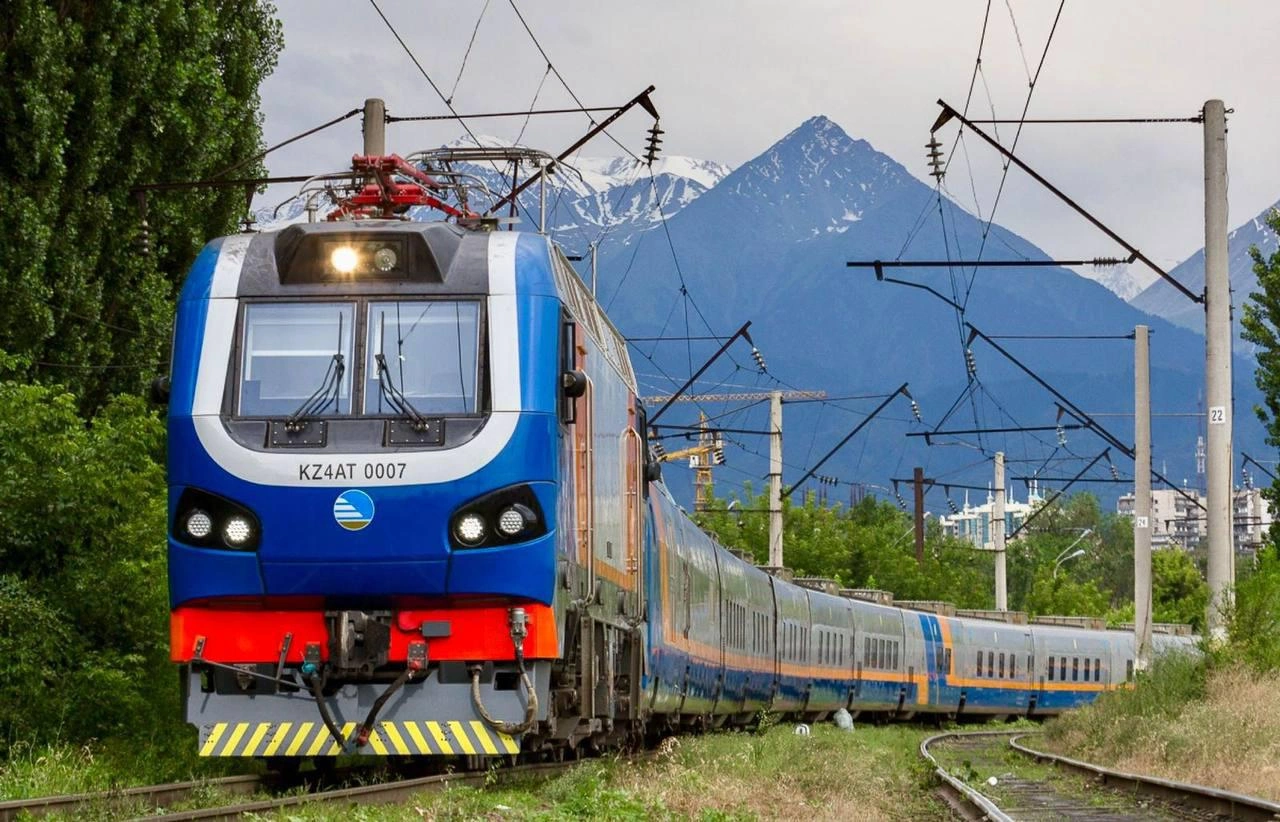
The first project involves completing the ongoing modernization
of the Baku–Alat–Boyuk Kasik railway line. The bank notes that this
line forms the backbone of the Middle Corridor within Azerbaijan.
Modernization work is currently underway, including the
implementation of a new electrification system and the upgrading of
signaling systems.
The estimated cost of the project is $260 million. The project
is currently being implemented and is classified as a short-term
investment priority; private sector participation is not
envisaged.
The second priority area is the development of a national
network of dry ports. The project entails establishing new dry
ports near the Boyuk-Kasik border crossing to serve the Black Sea
and Turkish segments of the Middle Corridor; in Baku, to act as an
extended gateway for the Baku port and support the Middle Corridor;
and a southern logistics hub to support the proposed new
Trans-Caspian International Transport Route (TITR) alignment
running through Azerbaijan and Armenia to Kars.
The estimated cost of the project is $300 million. It is
currently at the pre-feasibility study stage, falls within the
short-term horizon, and envisages private sector participation
alongside Azerbaijan Railways CJSC.
The third project involves increasing the future capacity of the
Baku–Alat–Boyuk Kasik railway line.
According to World Bank estimates, further expansion and
modernization of the line will likely be required in the 2030s to
accommodate growing traffic volumes along the Middle Corridor.
The estimated cost of the project is $600 million. It’s at the
pre-feasibility study stage and is classified as a medium-term
investment project. No private sector participation is
envisaged.
Thus, the total estimated investment for the three
aforementioned projects amounts to $1.16 billion.