BAKU, Azerbaijan,
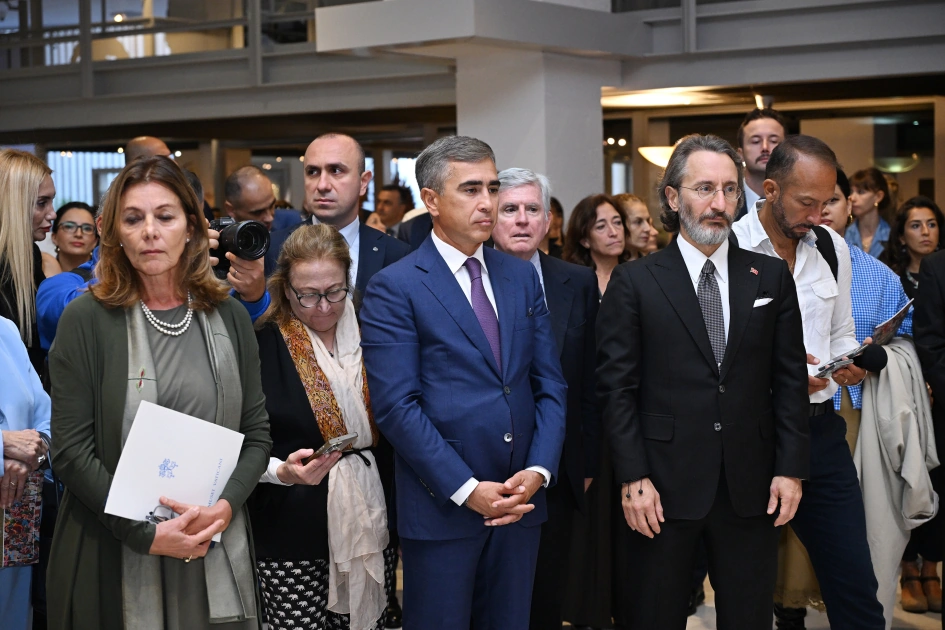
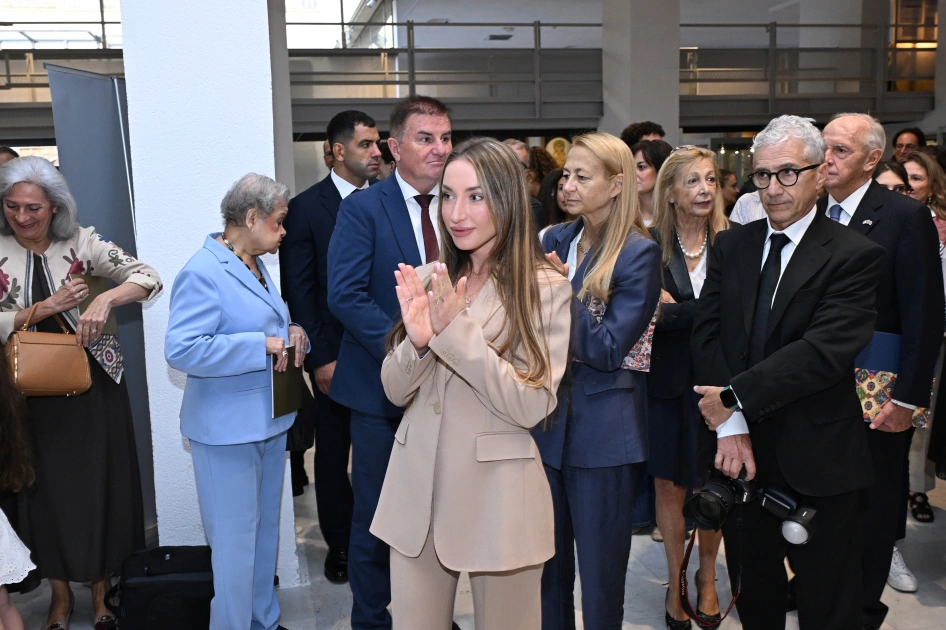
September 29. The opening ceremony of an
exhibition of Azerbaijani carpets dedicated to Judaism,
Christianity, and Islam as part of the "Heavenly Religions" project
was held at the Holy See on September 29.
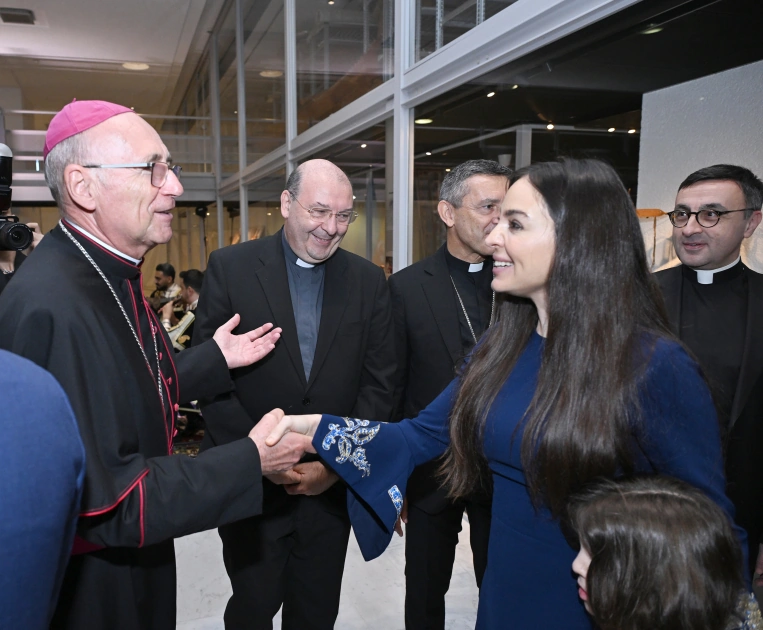
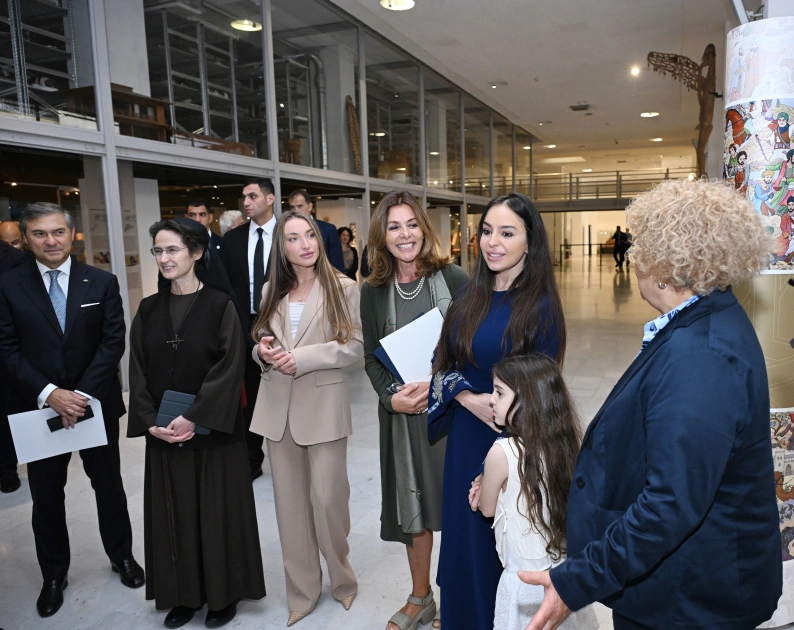
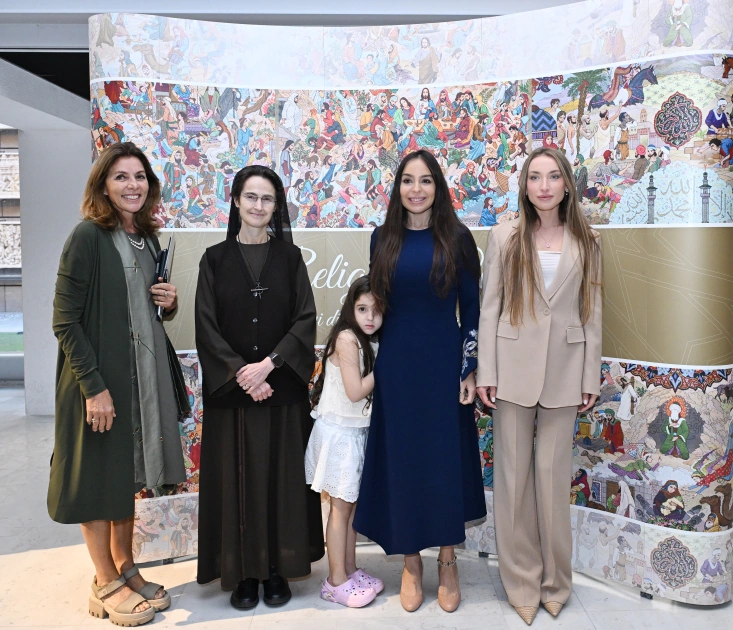
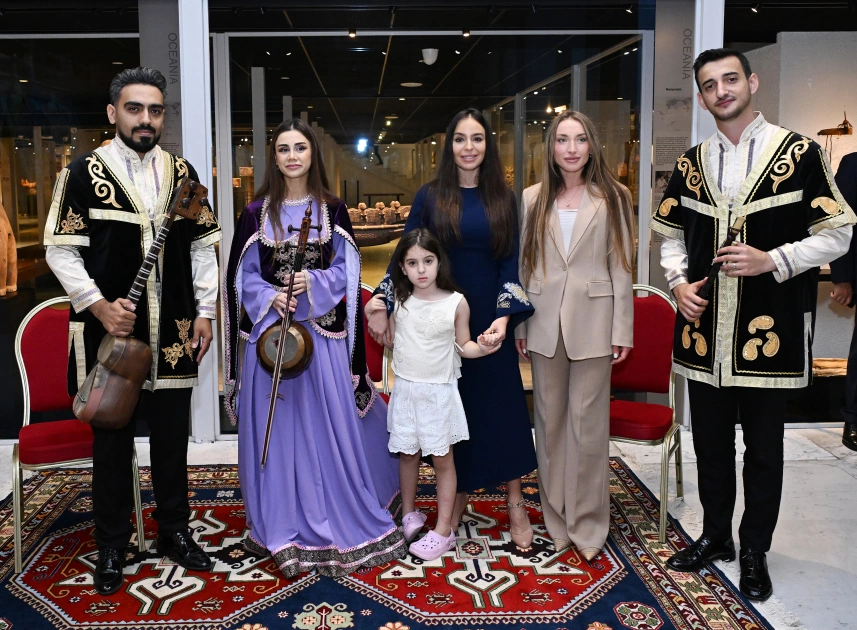
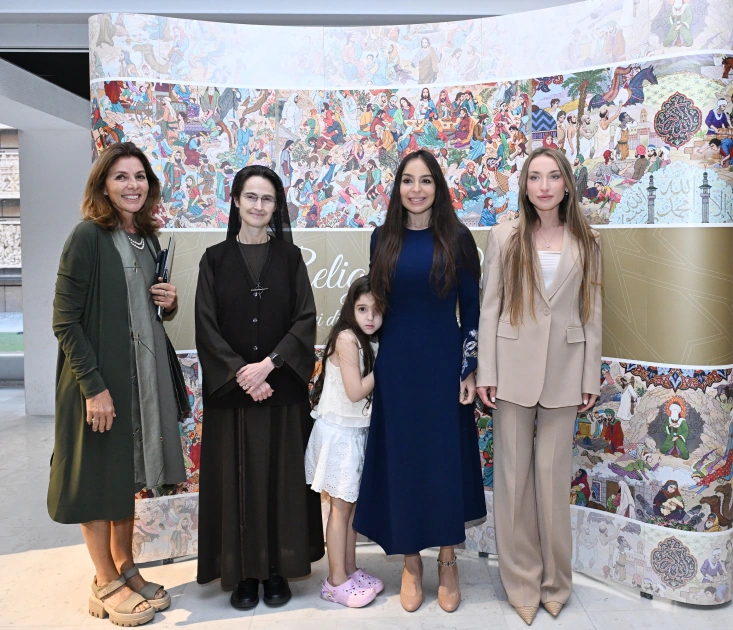
Vice-President of the Heydar Aliyev Foundation Leyla Aliyeva and
Alena Aliyeva attended the event.
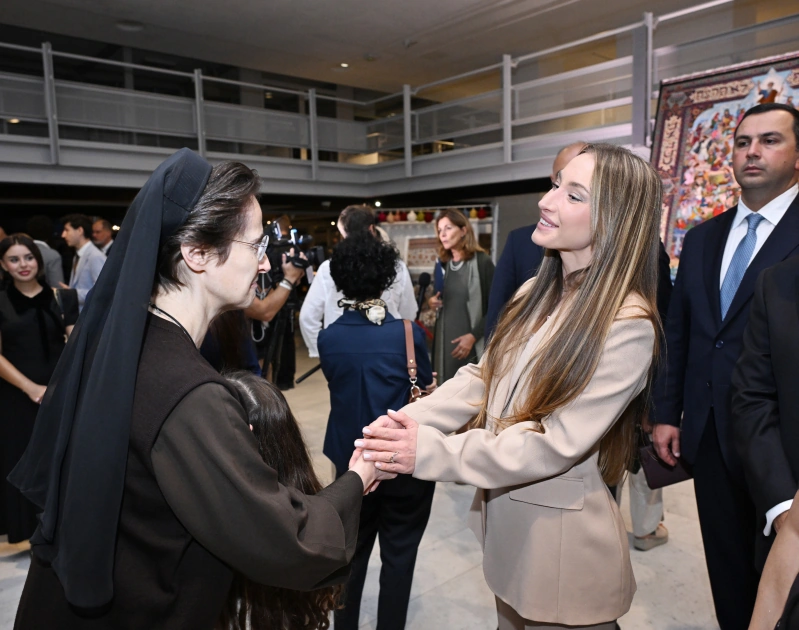
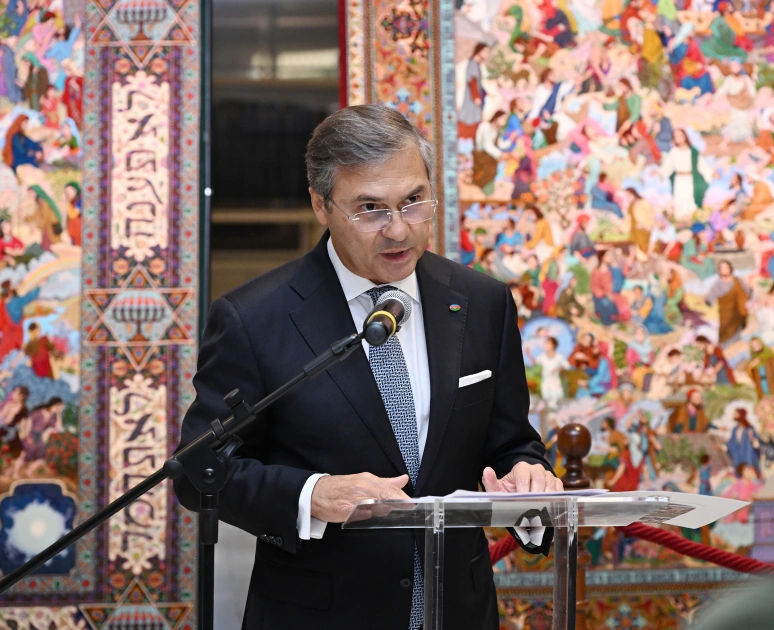
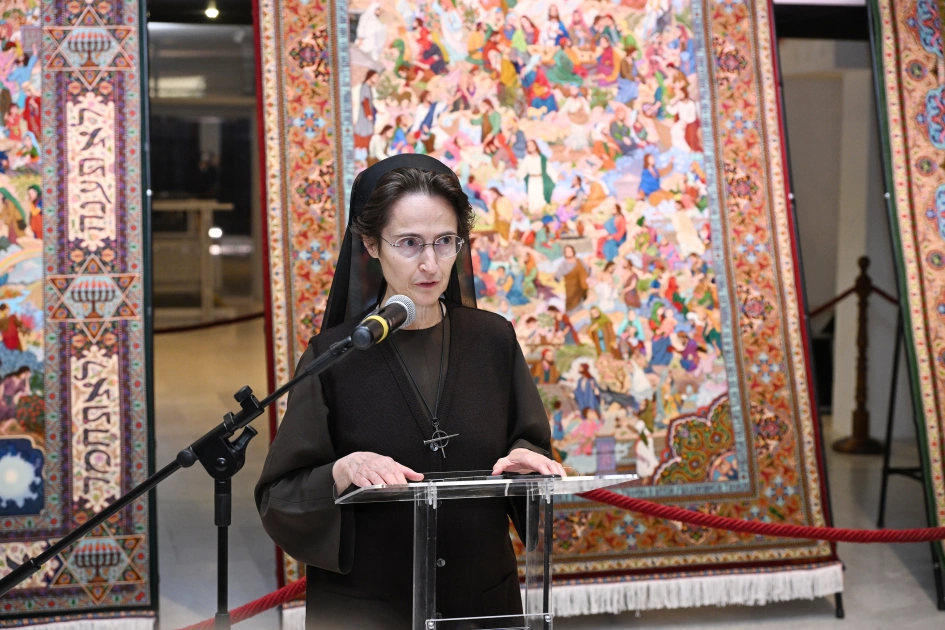
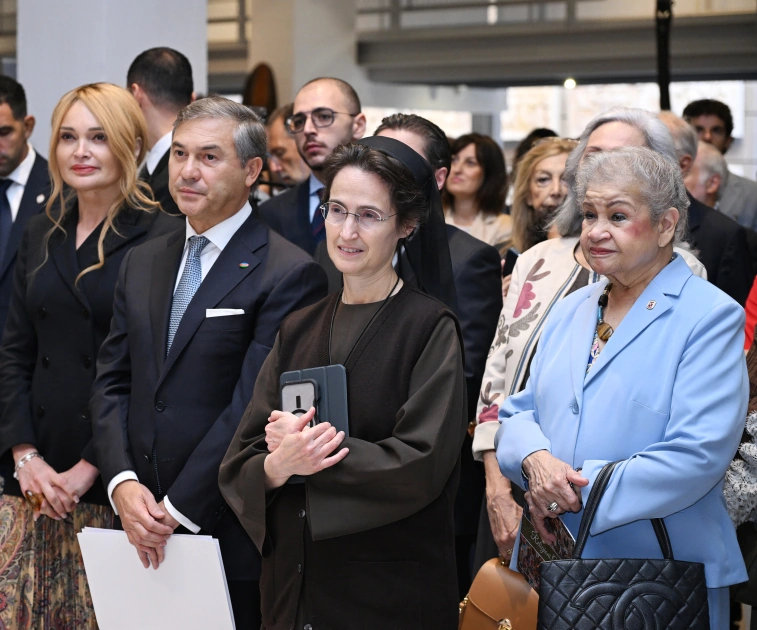
Speaking at the opening ceremony, President of the Governorate
of Vatican City State Sister Raffaella Petrini stated that culture
and memory are the main pillars of peace, saying: "The exhibition
aims to create an opportunity for dialogue among different
religions, peoples, cultures, languages, and traditions. This is
also a tribute to Azerbaijan, where the roots of the art of carpet
weaving are deeply connected to the country's traditions. The
carpets exhibited here today are not only valuable examples created
by highly skilled artisans, but also embody identity and
humanity."
Raffaella Petrini noted that the exhibits are also ambassadors
of the values of interfaith dialogue, stating that, while creating
concrete opportunities for such talks, the exhibition serves as a
further confirmation of the excellent bilateral character of
relations between Azerbaijan and the Vatican.
Ambassador of Azerbaijan to the Holy See Ilgar Mukhtarov
mentioned that the carpet has always been a factor connecting East
and West in Azerbaijan's rich cultural heritage, pointing out that
Azerbaijan was an important part of the historic Silk Road for
centuries and became one of the region's main centers for silk
production and carpet weaving.
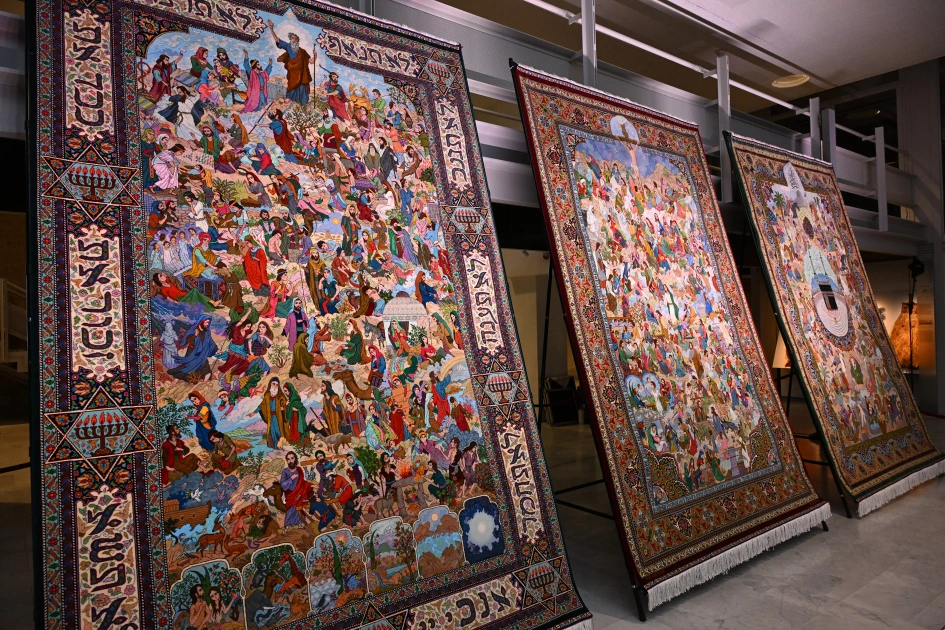
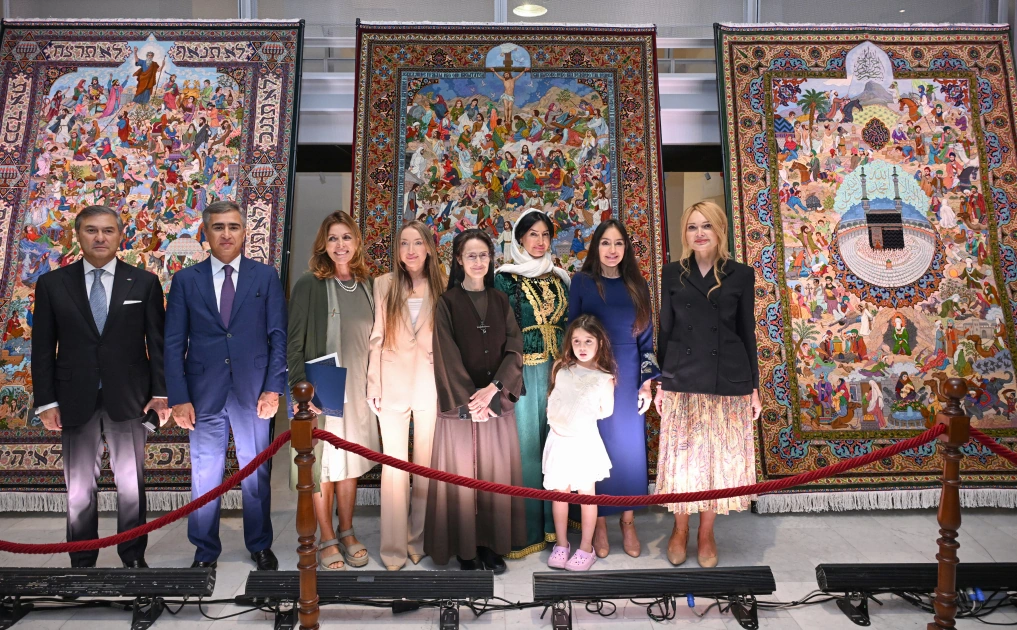
Stating that the three carpets presented today constitute a
unique artistic triptych dedicated to universal human values, the
Ambassador noted: "During an eight-year working process, an
artistic synthesis between faith, dialogue, and tolerance was
achieved while maintaining full respect for the traditions of all
three religions. In our country, the free spirit of the Azerbaijani
people manifests itself not only in tolerance, but also in genuine
respect for houses of worship and sacred heritage. This spirit has
shaped a unique example of peaceful coexistence in Azerbaijan that
is demonstrated to the entire world. In this sense, the carpets
presented today are extremely valuable works of art."
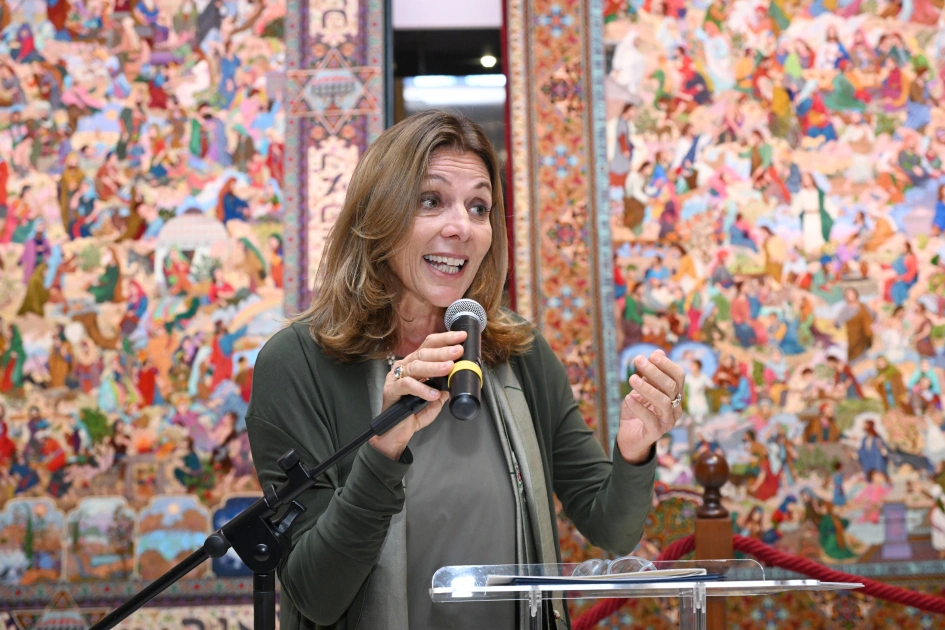
Director of the Vatican Museums Barbara Jatta noted that Rome
has always built bridges to share beauty and ideas, saying: "These
magnificent carpets are displayed in one of the most prestigious
sections of the Vatican Museums – the Museum Anima Mundi. As you
know, 'Anima Mundi' means 'soul of the world', and we decided to
name this section of the museum as such over the past decade. This
part of the museum is one of its most special corners. Four
continents of the world are represented in this reconstructed
space: Australia, Africa, America, and Asia. Together with the
Heydar Aliyev Foundation, our goal is to bring these together.
Thousands of visitors who come to the museum every day have the
opportunity to see these works that unite different cultures and
faiths."
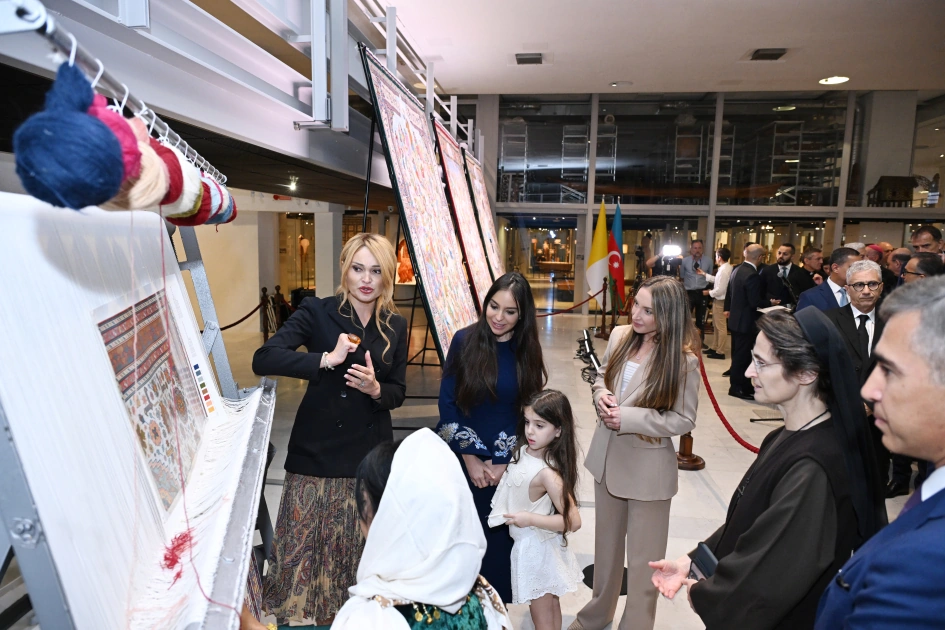
Director of the National Carpet Museum Amina Melikova noted that
this work marks the beginning of a new era in the art of carpet
weaving in Azerbaijan, stating that 28 women implemented the idea
of "Heavenly Religions" for the first time over eight years.
According to her, Azerbaijan has always been a space of peace
where representatives of different religions can live together.
"For us, the carpet is a value higher than craftsmanship or
traditional art. We know that every traditional art demonstrates
the spirit of a nation. Thus, today it is possible to see the
spirit of Azerbaijan and its people in these three carpets," added
A. Melikova.
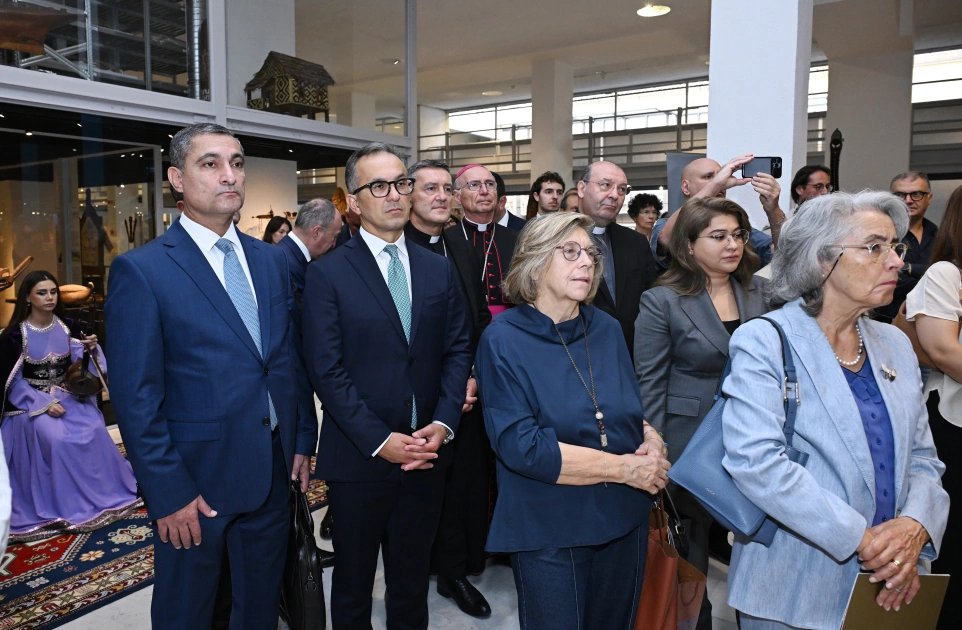
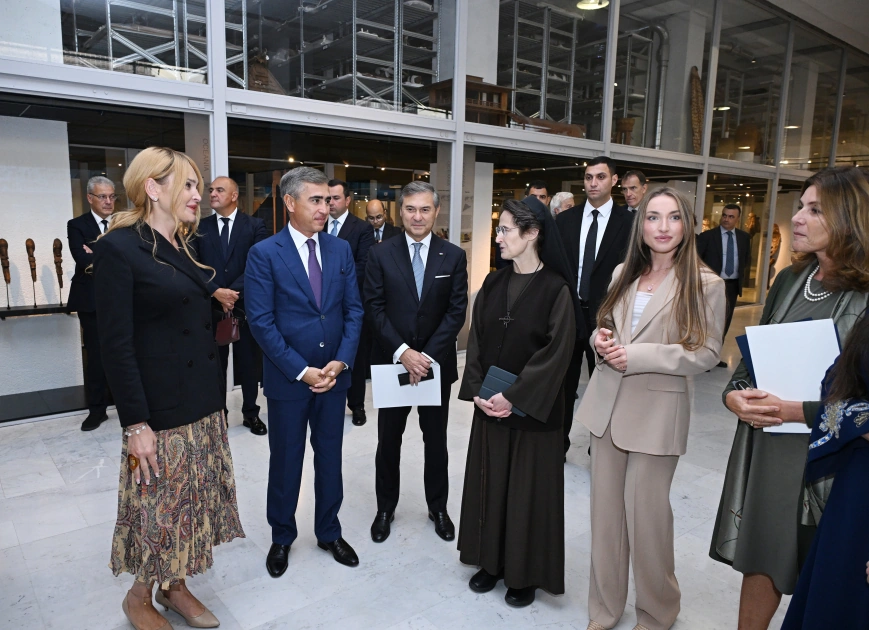
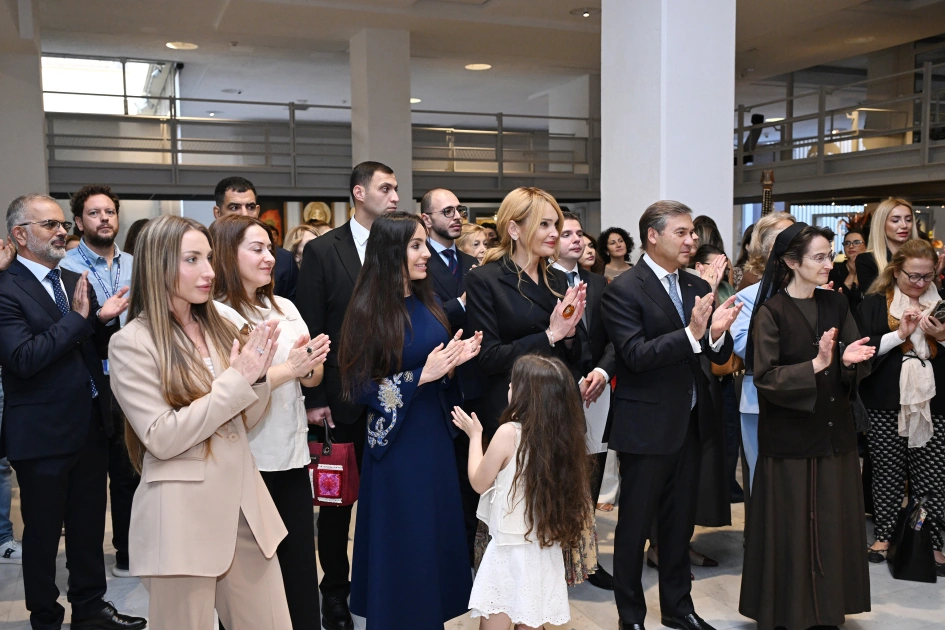
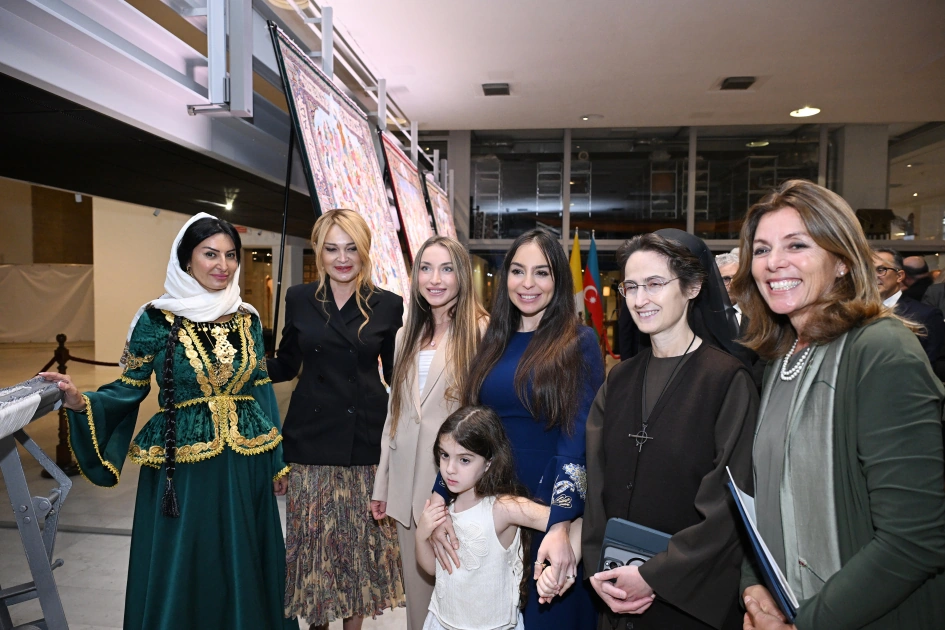
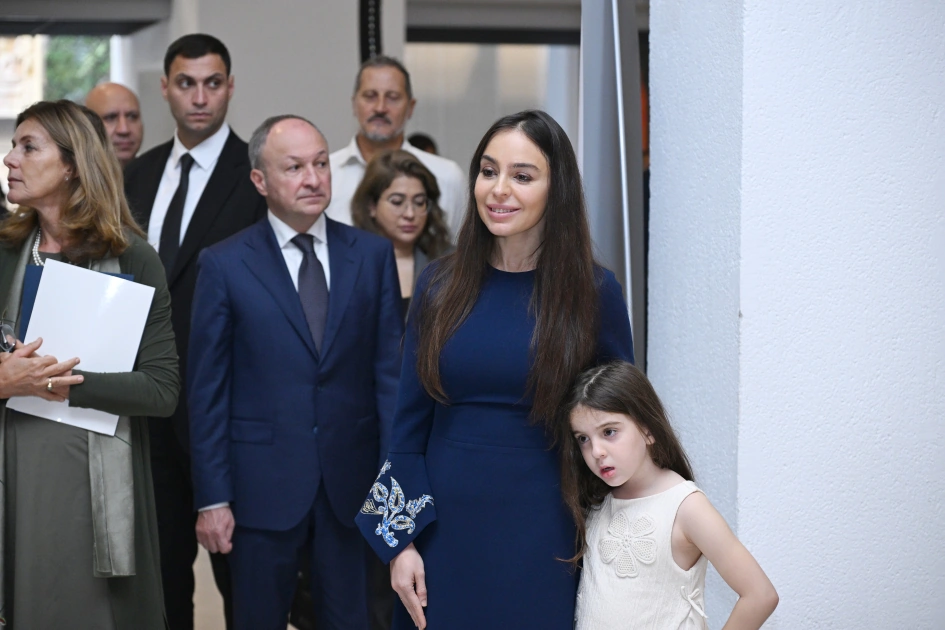
The guests then toured the exhibition.
The artwork is dedicated to Judaism, Christianity, and Islam,
embodying deep philosophical thought and the spirit of national
craftsmanship. All three carpets symbolize different religions and
cultures individually, but when brought together, they express
humanity's shared values of peace, mercy, and justice. The project
is an embodiment of universal values stemming from the depths of
Azerbaijani culture and its cultural diplomacy strategy.