BAKU, Azerbaijan, August 6. The Eurasian
Economic Commission (EEC) and Kyrgyzstan discussed prospects for
developing public procurement across the Eurasian Economic Union
(EAEU), with a focus on digitalization.
This was reflected in a press release published by the EEC
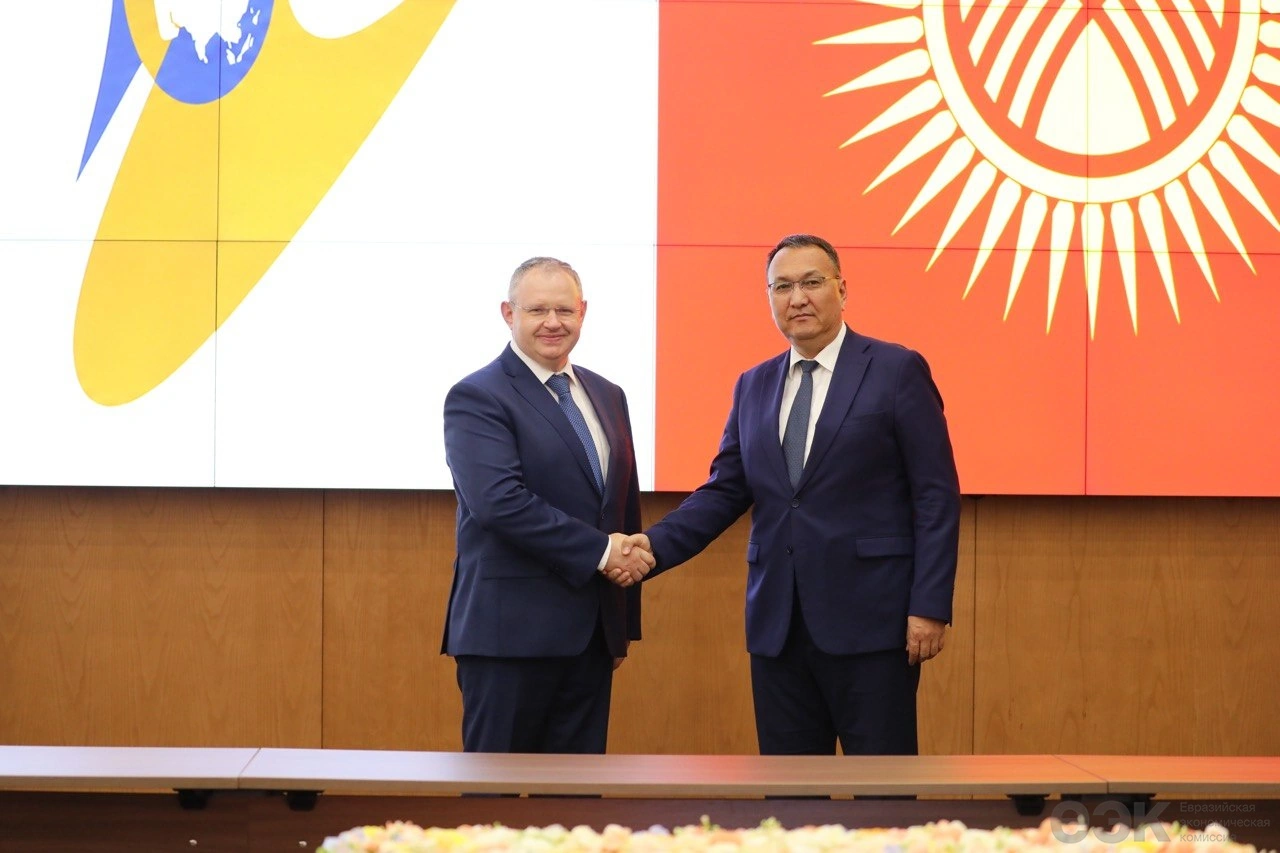
following a meeting between EEC Minister in charge of Competition
and Antitrust Regulation Maxim Yermolovich and Kyrgyz Finance
Minister Ruslan Suinaliev in Bishkek.
According to the commission, the parties reviewed joint work on
amendments to the Treaty on the Eurasian Economic Union, as well as
issues related to compliance with reporting deadlines and the
digital transformation of public procurement systems.
Yermolovich thanked the Kyrgyz side for its active role in
advancing the digitalization of public procurement, noting the
country's contribution to the EAEU's digital agenda and the further
development of the union's legal framework.
"The sides also reaffirmed the importance of continuing
cooperation to modernize procurement mechanisms and strengthen
integration processes within the EAEU," the EEC noted.
Kyrgyzstan has been among the most active supporters of digital
transformation within the Eurasian Economic Union, particularly in
the field of public procurement. The country was one of the first
EAEU members to introduce a nationwide electronic procurement
platform and has consistently backed the harmonization of digital
procurement rules across the union. Bishkek has also advocated for
expanding cross-border access to government tenders, viewing
digitalization as a tool to improve transparency, reduce
administrative costs and broaden participation of domestic
businesses in the EAEU common procurement market.
For Kyrgyzstan, further integration of procurement systems is
also linked to wider economic objectives. Government contracts
account for a significant share of domestic public spending, while
simplified access to procurement markets across the EAEU could
create additional opportunities for Kyrgyz suppliers, particularly
small and medium-sized enterprises. Recent trends show that closer
alignment of digital procurement rules is increasingly viewed not
only as an administrative reform, but also as a mechanism for
expanding regional trade and strengthening the country's
participation in the union's common market.