BAKU, Azerbaijan, August 8. Kazakhstan reviewed
the state and prospects of trade, economic and investment
cooperation with 10 foreign countries at a government meeting.
This was reflected in a press release published by the press
service of the Kazakh government on August 8.
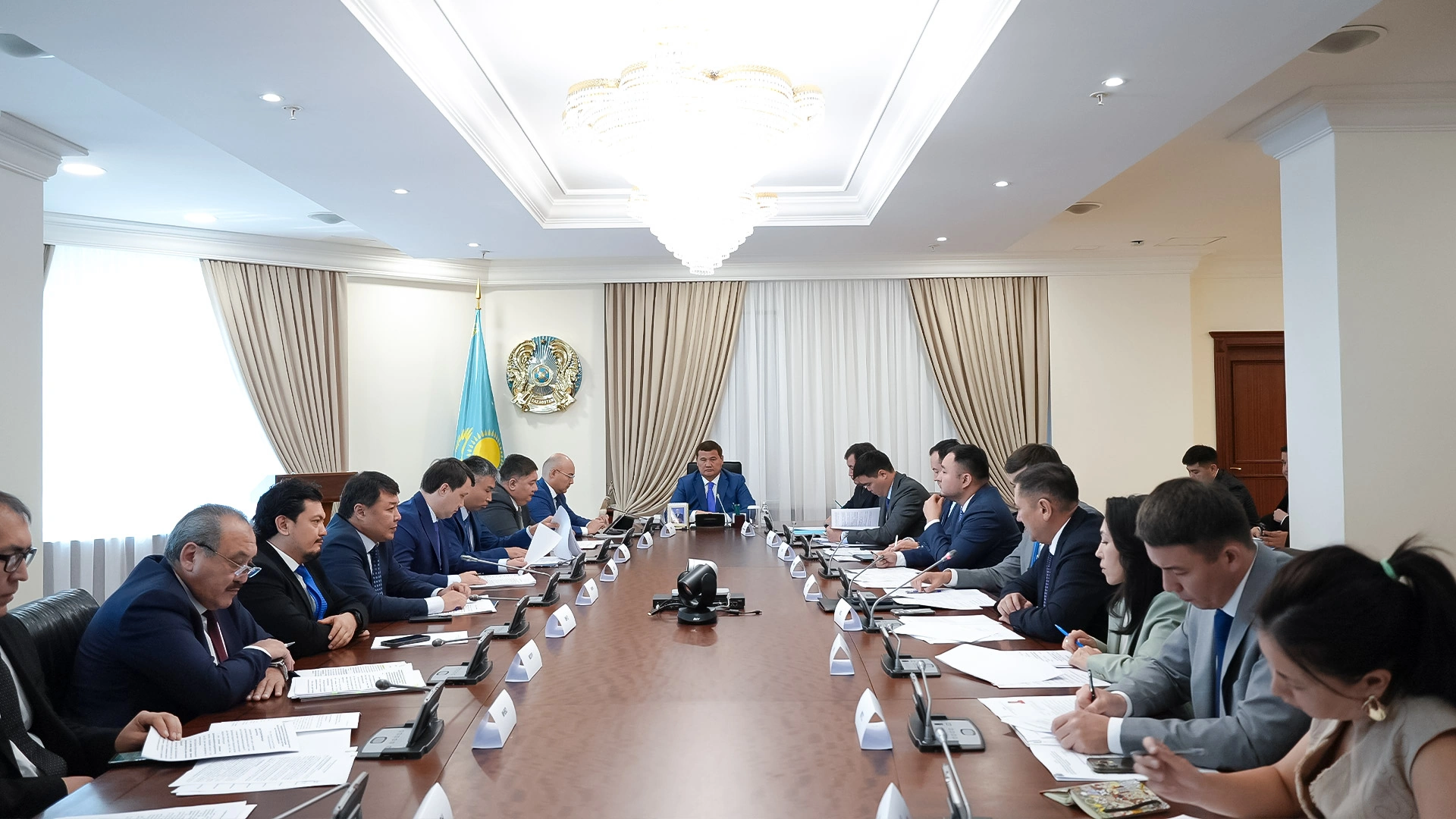
According to the press release, the meeting was chaired by First
Deputy Prime Minister Nurlybek Nalybayev.
The participants reviewed economic cooperation with Azerbaijan,
Türkiye, Turkmenistan, China, South Korea, Japan, Tajikistan,
France, Germany, and the UK, as well as progress in implementing
joint projects.
Nalybayev said strengthening mutually beneficial cooperation
with foreign partners remains under the close attention of
Kazakhstan's President.
The sides also identified priority areas for further development
of the country's foreign economic ties.
Nalybayev emphasized that strengthening trade, economic and
investment cooperation with foreign partners is an important factor
in Kazakhstan's “industrial and technological development.”
Following the meeting, state bodies and organizations were
instructed to step up efforts to implement existing agreements and
continue developing new initiatives.
Meanwhile, Kazakhstan's foreign trade policy is increasingly
focused on diversifying export markets, expanding trade and
investment ties beyond traditional partners and strengthening the
country's role as a major transit hub between Asia and Europe.
China, Russia, Central Asian countries, Türkiye, the South
Caucasus, the European Union and East Asian markets remain among
the key directions of Kazakhstan's external economic
engagement.
Alongside its traditional commodity exports, Kazakhstan is
seeking to increase supplies of processed and higher value-added
products and attract investment into manufacturing, agriculture,
energy and other non-resource sectors. The development of transport
corridors, particularly routes linking Kazakhstan with China, the
Caspian region and European markets, is also becoming an important
element of the country's trade strategy.