BAKU, Azerbaijan, August 13. Uzbekistan and
South Korea have agreed to expand cooperation in agriculture,
including the introduction of digital technologies, smart livestock
systems and modern agricultural machinery, as Tashkent seeks to
improve productivity and modernize agricultural services.
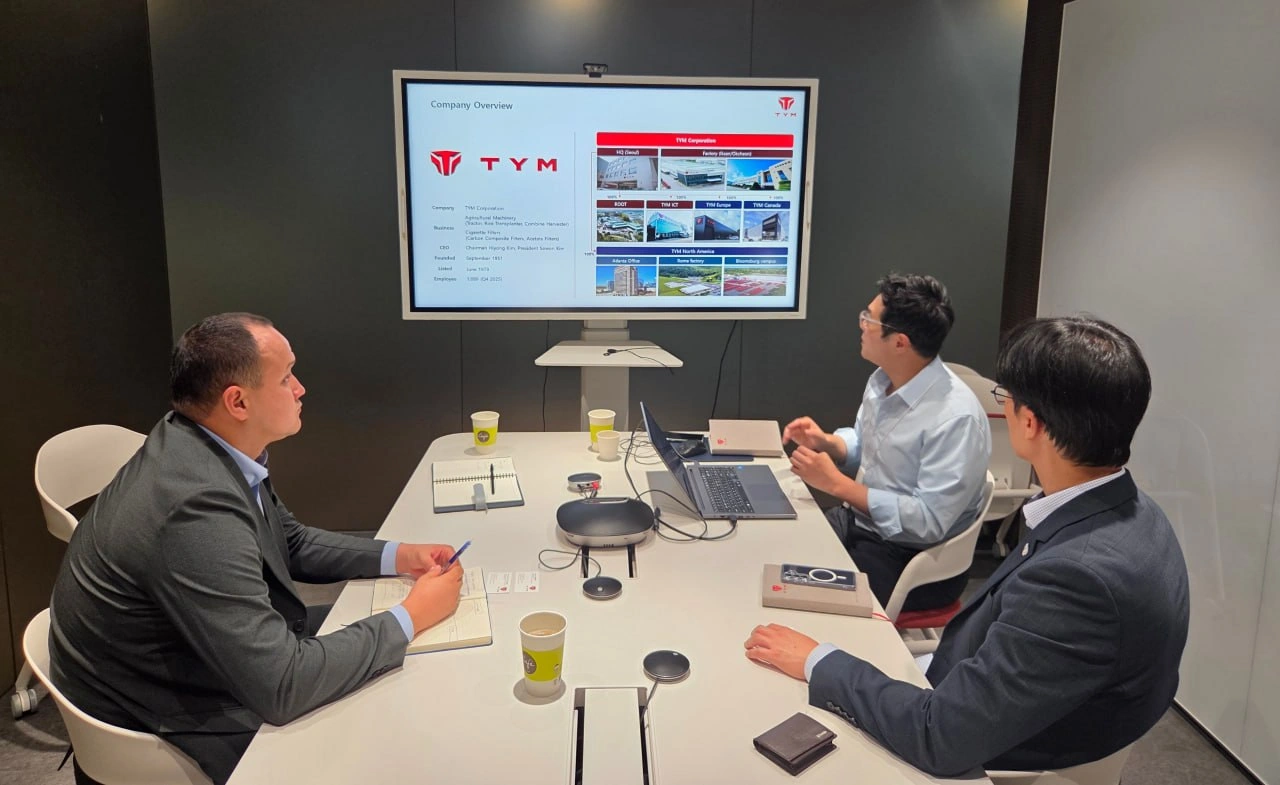
This was reflected in the statement by the Ministry of
Agriculture of Uzbekistan following meetings between Uzbek
agricultural officials and representatives of the Korea
Agricultural Machinery Industry Cooperative (KOAMI), Jeonbuk
Technopark and South Korean agricultural machinery manufacturer
TYM.
The discussions focused on expanding the use of digital
technologies in livestock farming and increasing access to modern
agricultural machinery for farmers and agricultural service
providers.
A key initiative involves plans to establish a Smart Livestock
Center in Tashkent Region in 2028–2030. The center is expected to
use artificial intelligence-based monitoring, automated management,
precision feeding and digital tracking systems to improve livestock
management and operational efficiency.
The initiative also includes plans to train 300 specialists in
South Korea, providing them with additional technical knowledge and
practical experience in modern agricultural technologies.
Cooperation with TYM has also moved into the testing stage.
Under the project, 37 methane-powered tractors have initially been
provided to the state-owned “Republic Agroservices” organization
for testing. Their efficiency and suitability for agricultural
services will be evaluated over a two-year period.
“The projects are aimed at accelerating digital transformation
in agriculture and improving the efficiency of agricultural
production,” the Uzbek Agriculture Ministry said.
The tractor testing program could also pave the way for
localized production in Uzbekistan. Depending on the results, the
sides will consider the possibility of manufacturing the machinery
domestically.
The cooperation reflects Uzbekistan’s broader efforts to
modernize its agricultural sector through digitalization,
technology transfer and international partnerships. The planned
smart livestock center, specialist training and machinery testing
could strengthen the country’s agricultural infrastructure while
supporting the adoption of more efficient farming practices.
The sides are expected to continue work on the proposed projects
and develop mechanisms for their practical implementation.