BAKU, Azerbaijan, October 20. A group of
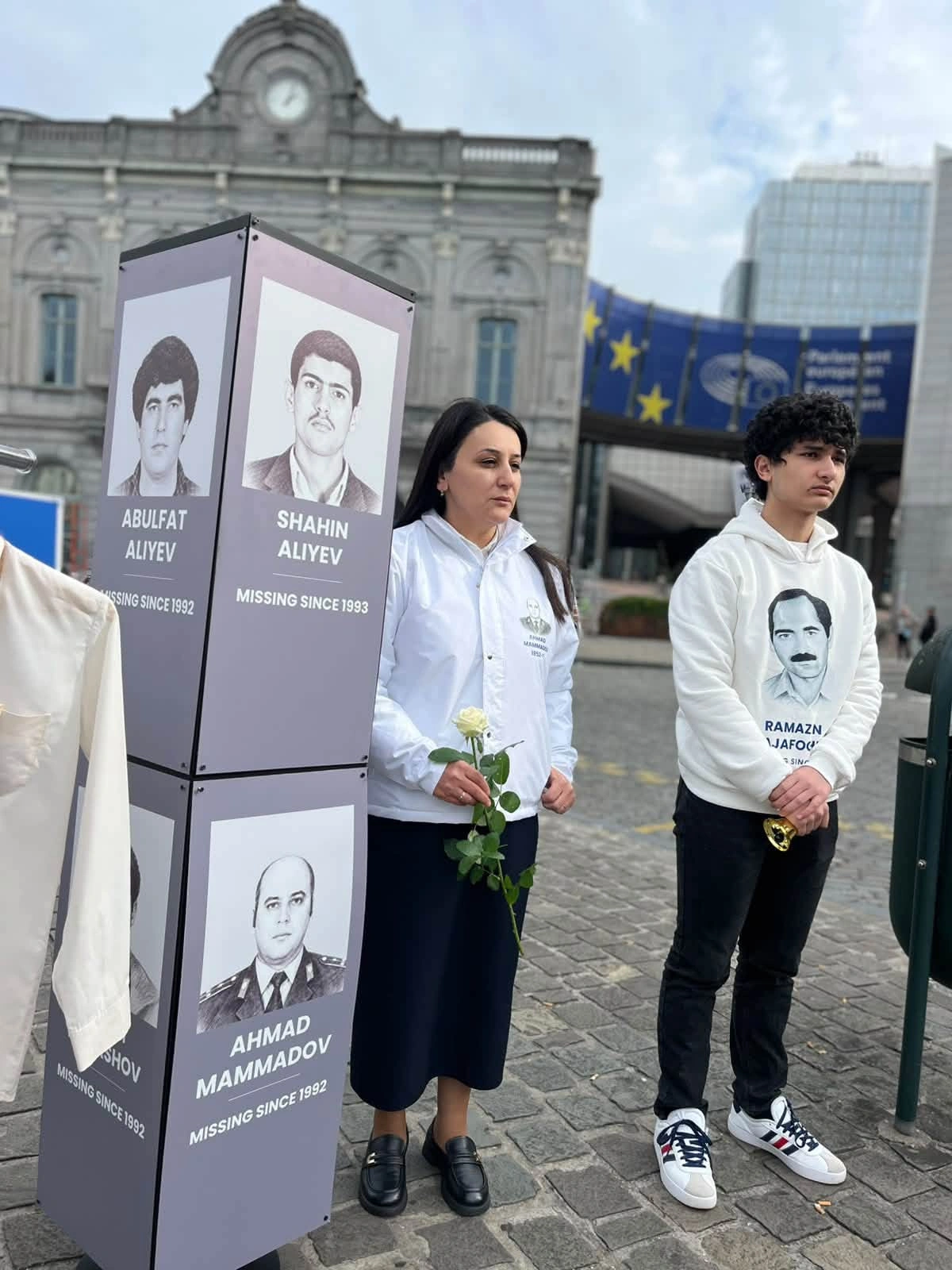
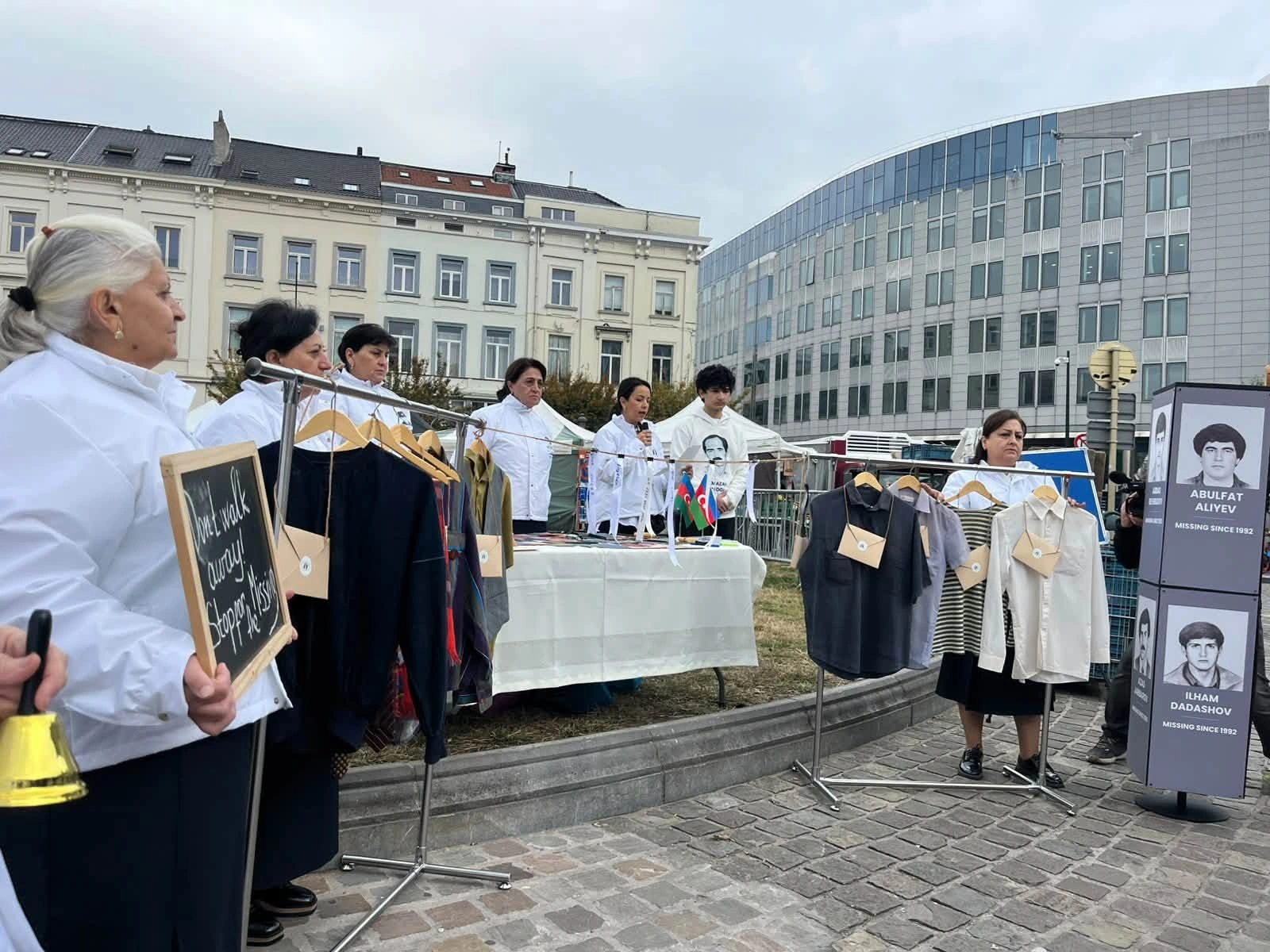
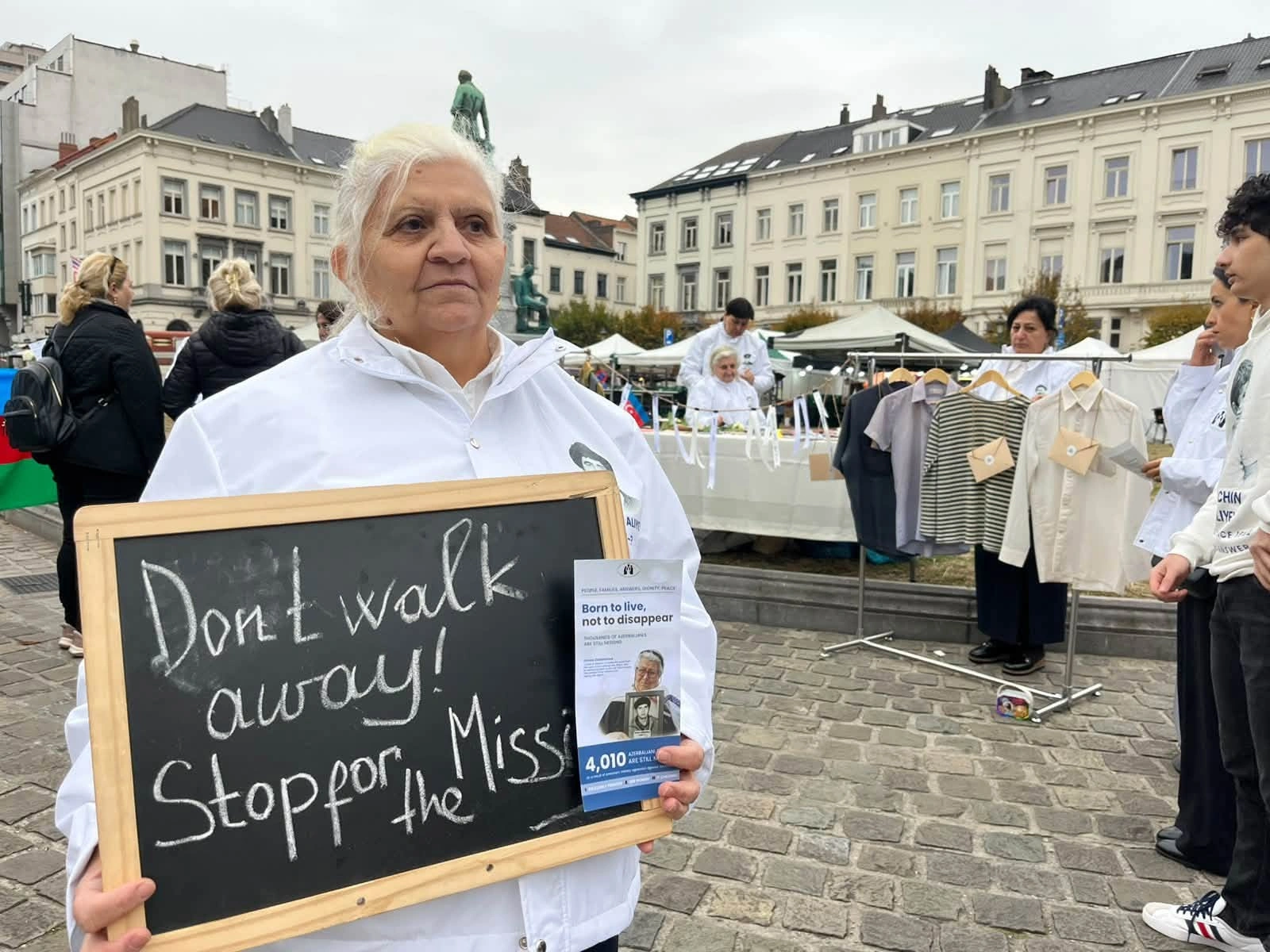
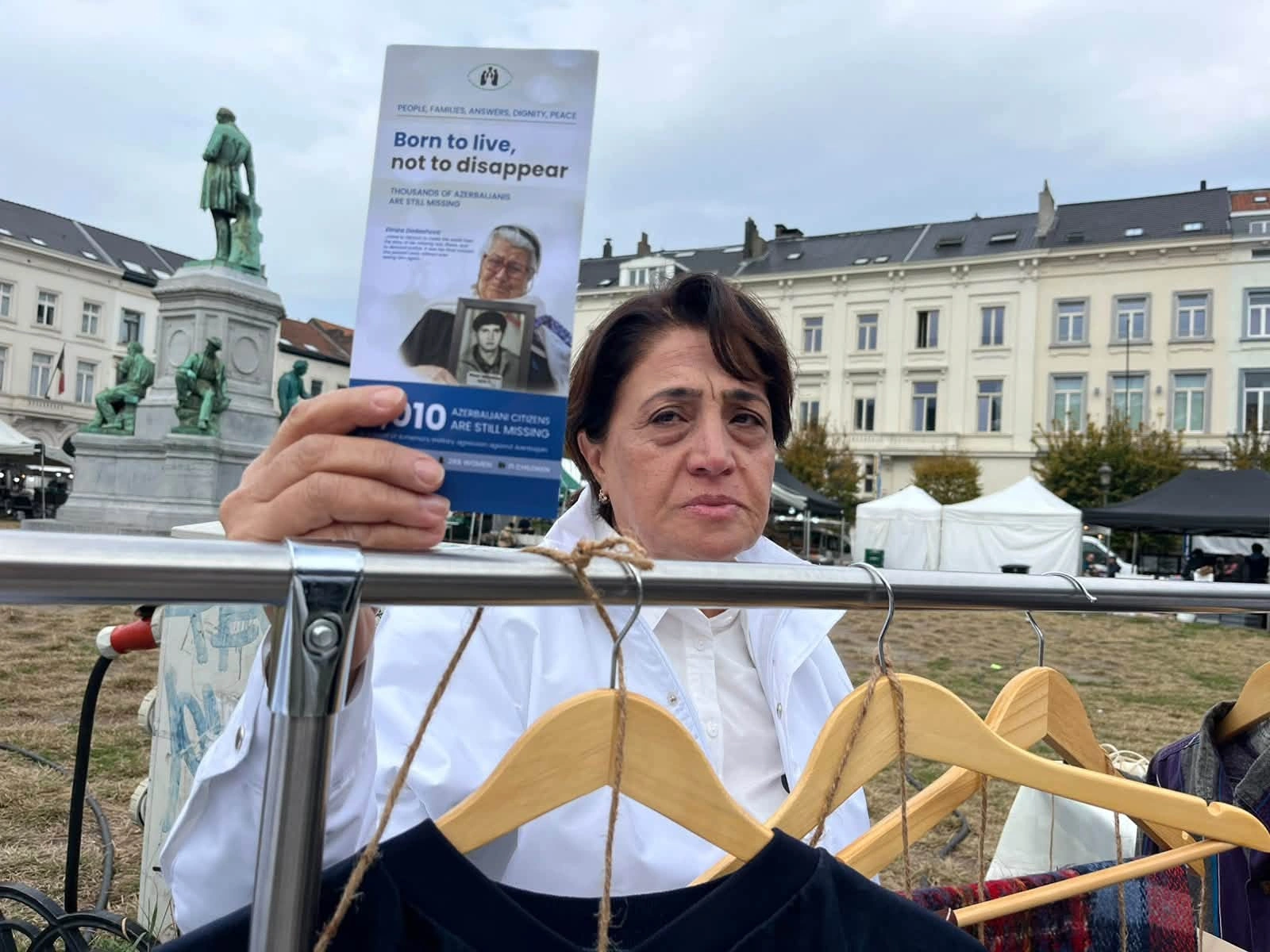
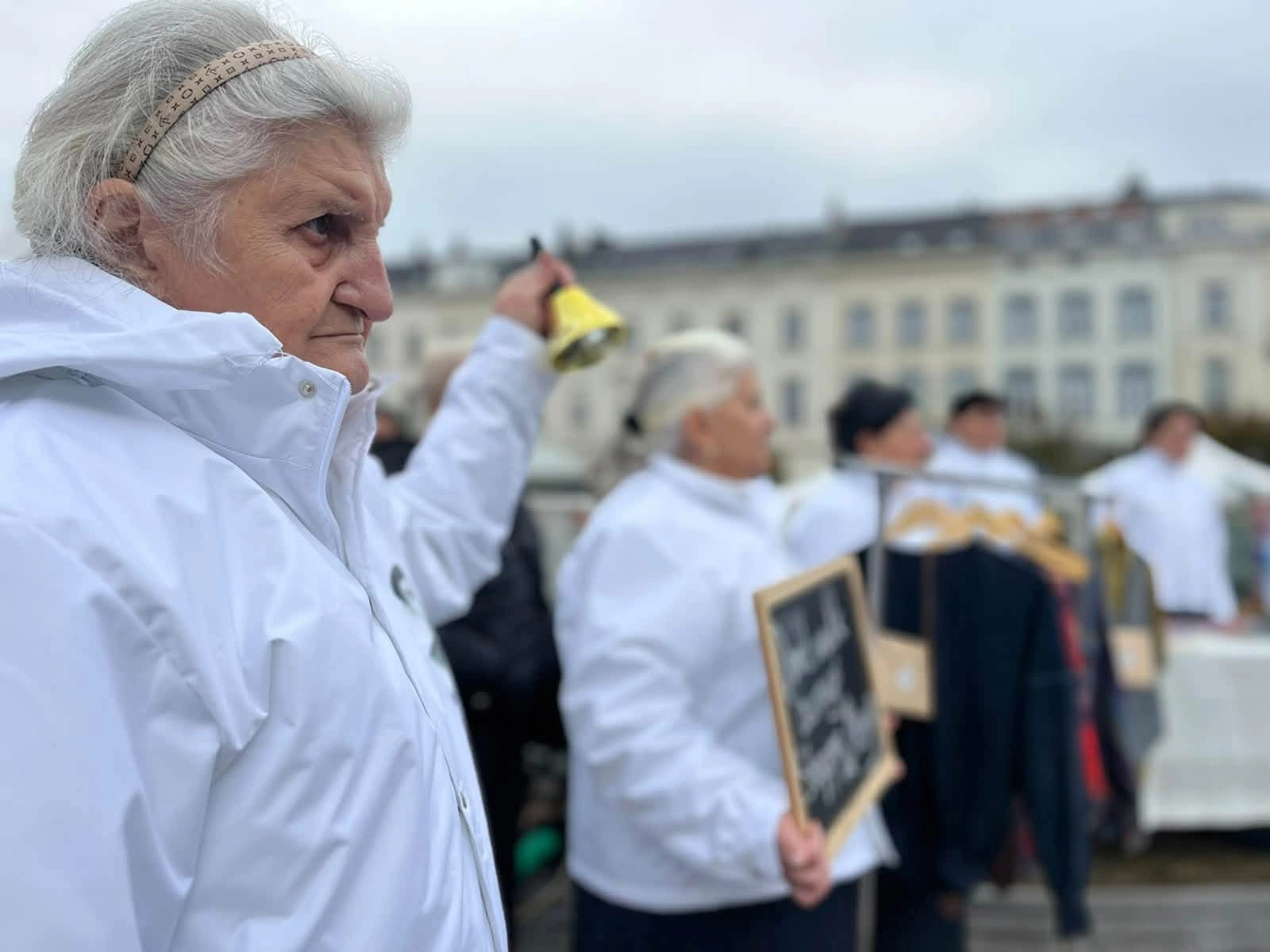
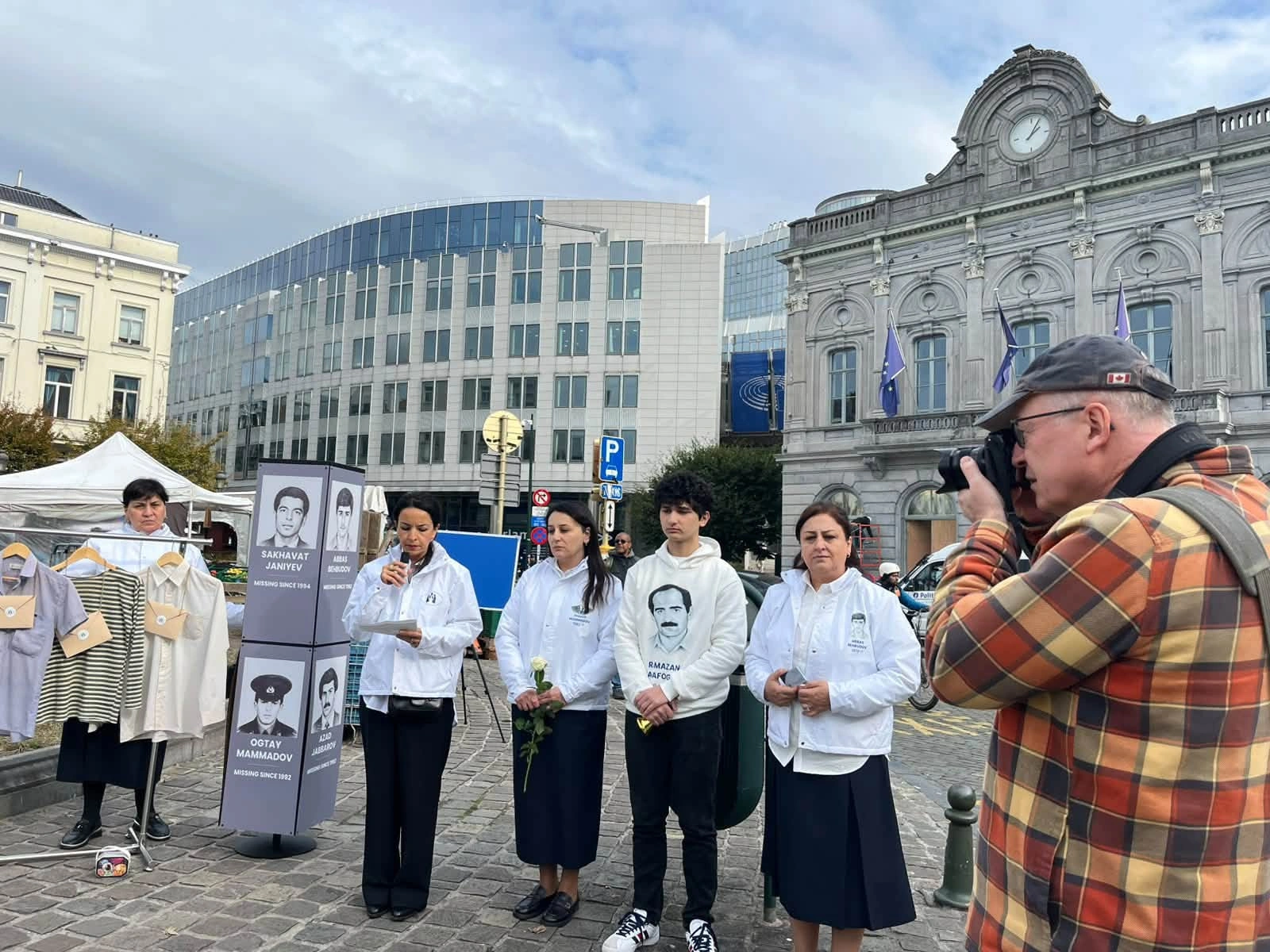
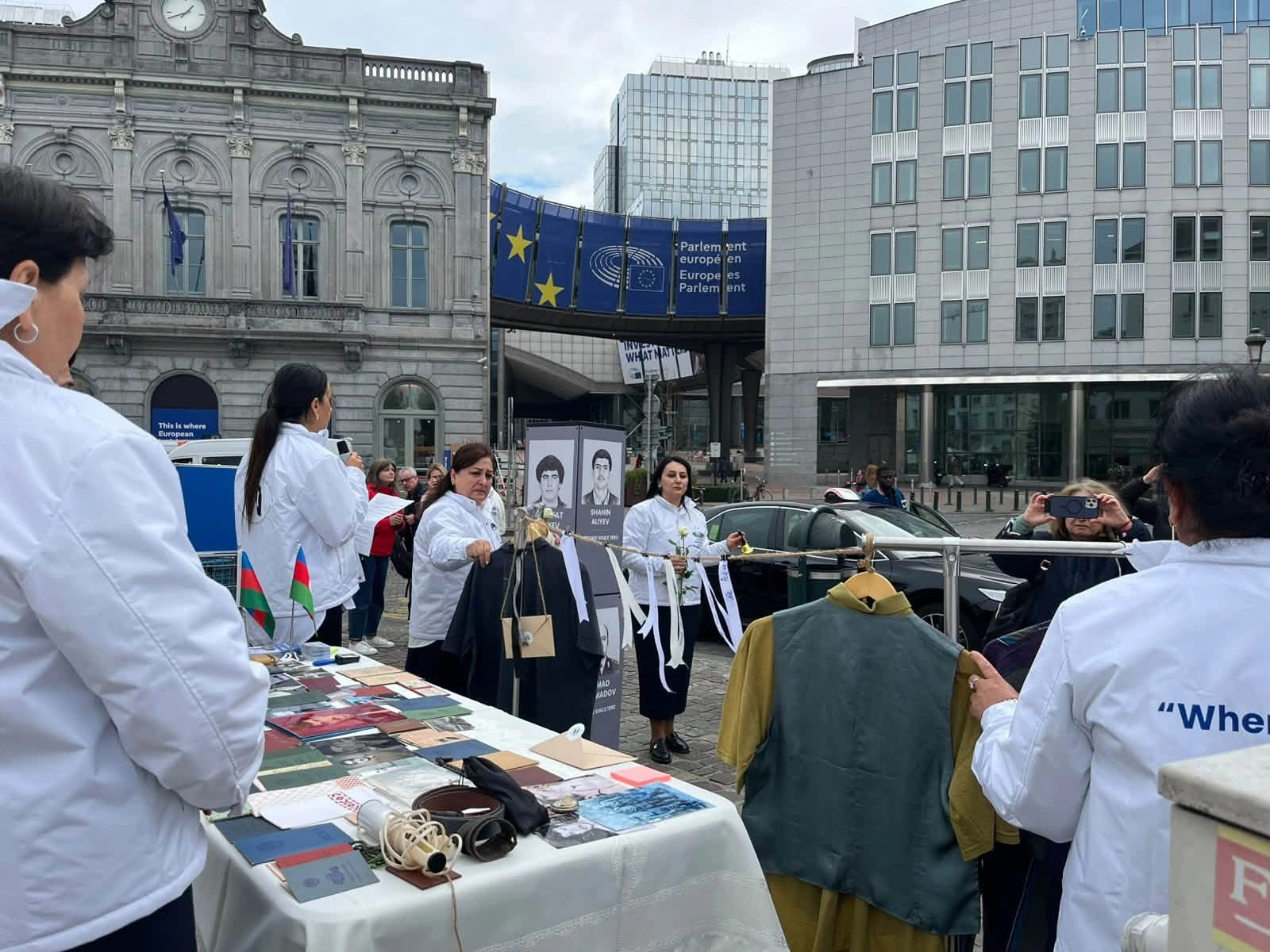
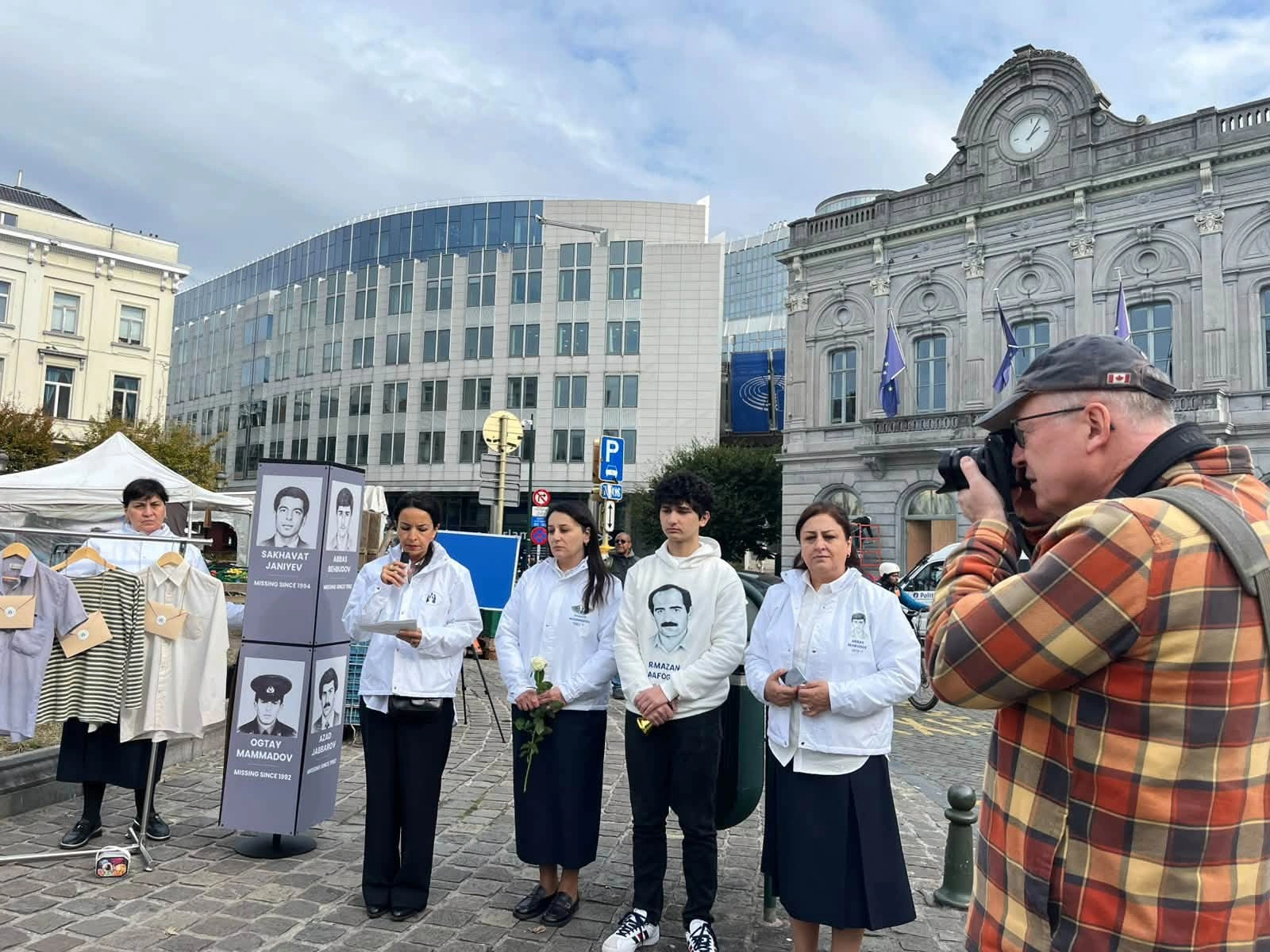
Azerbaijani families of missing persons held a protest outside the
European Parliament in Brussels, Belgium, on October 20. Organized
by the “Garabagh Missing Families” Public Union, the demonstration
took place at Place du Luxembourg, Azerbaijan’s Agency for State
Support to NGOs reported.
A protest statement read out during the demonstration
highlighted the plight of families who have been waiting for more
than 30 years for news of their missing relatives. It said that
4,010 Azerbaijanis, including 71 children, 288 women and 319
elderly people, went missing during Armenia’s occupation of
Azerbaijani territories.
The statement noted that 32 mass graves had been discovered in
liberated Azerbaijani territories, with 328 missing persons
identified through forensic genetic examinations and the remains of
273 handed over to their families. It called on Armenia to disclose
relevant information and archives to help establish the fate of
those still missing.
The families also appealed to the European Parliament, urging
greater attention to the issue and stressing that the right to know
the truth is a universal human right. Recalling the case of Elmira
Dadashova, who died without learning the fate of her missing son
after travelling to Geneva to raise the issue, they asked EU
institutions: “How many more mothers must pass away without knowing
the fate of their children?”
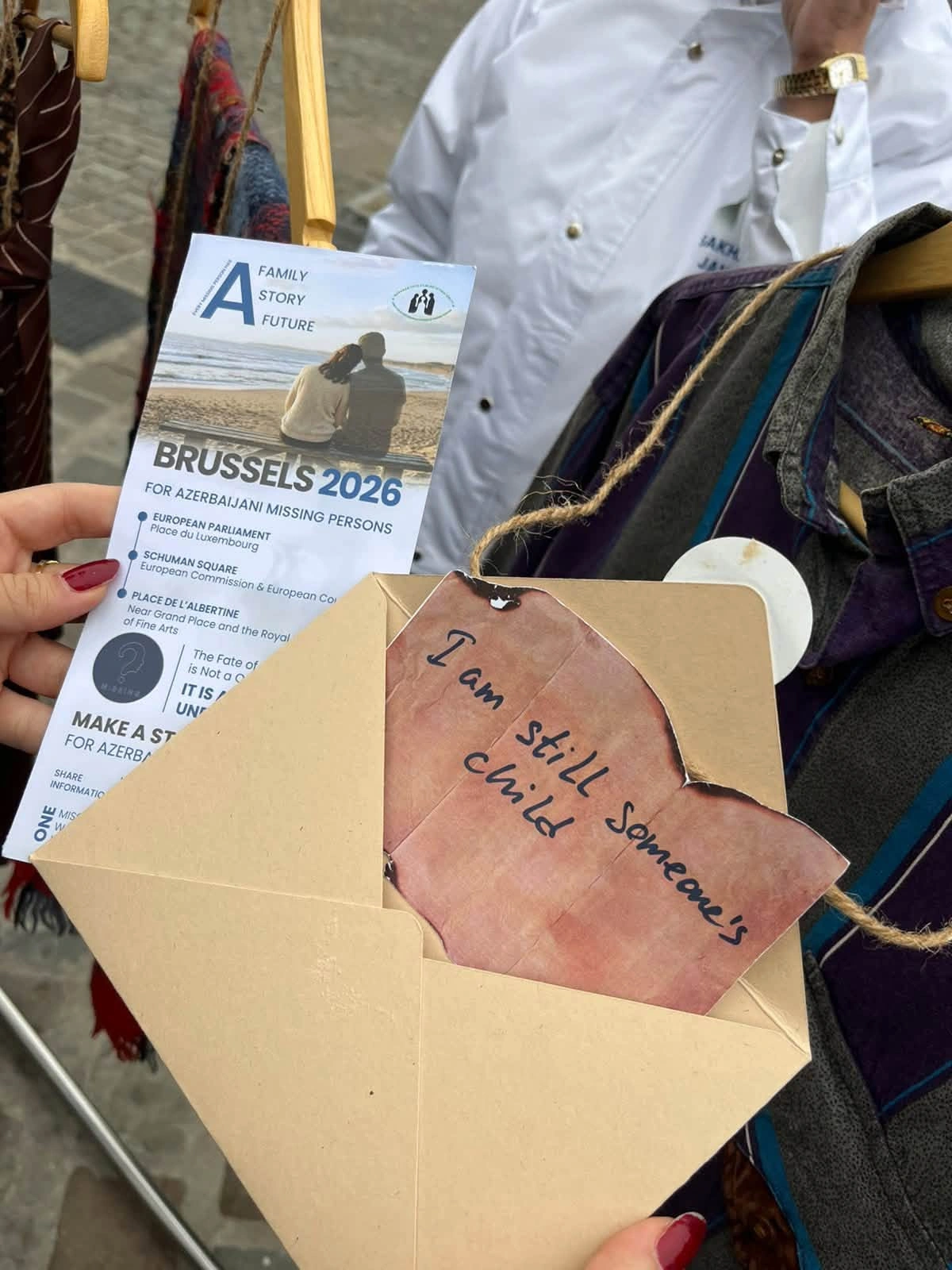
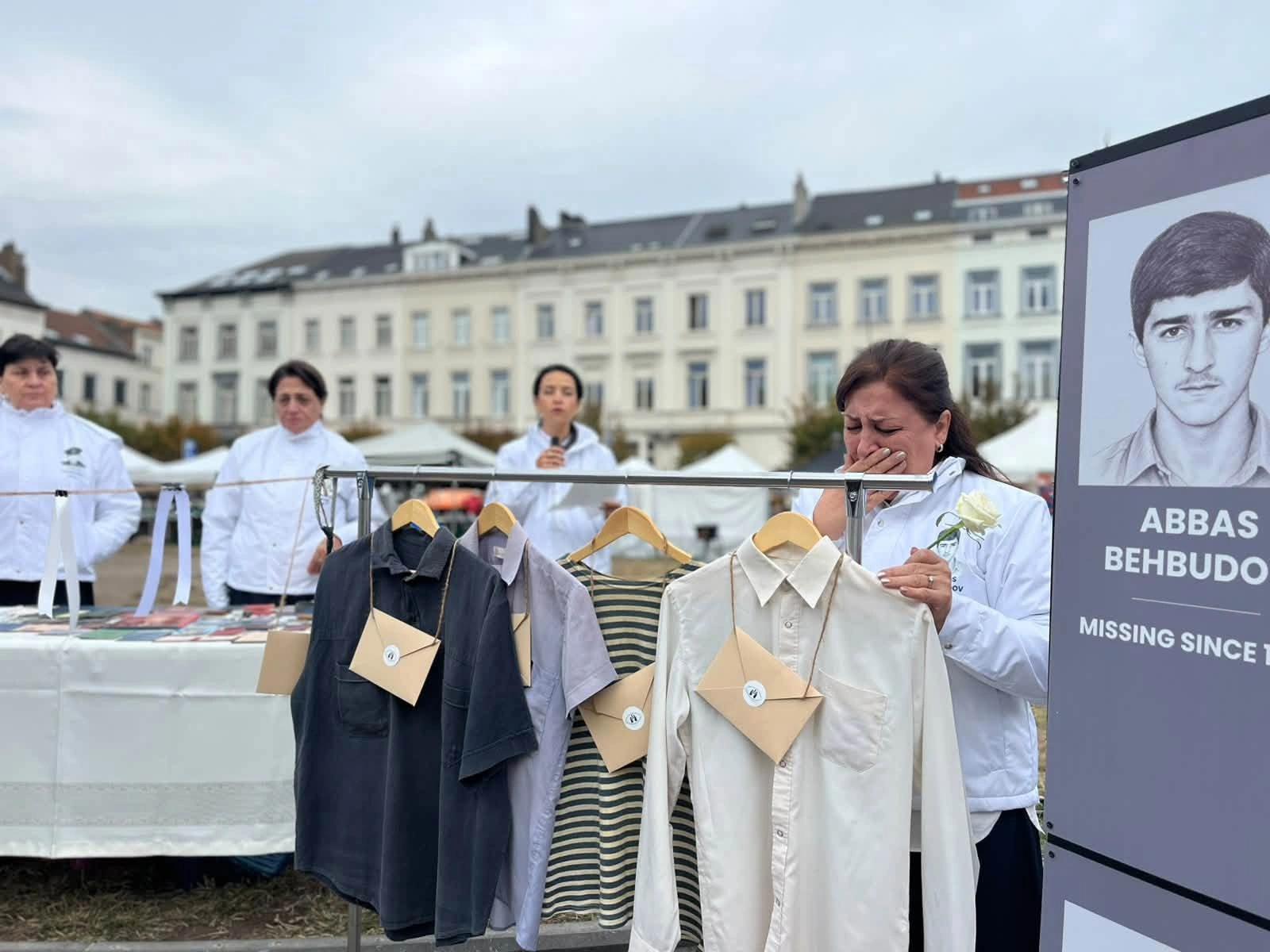
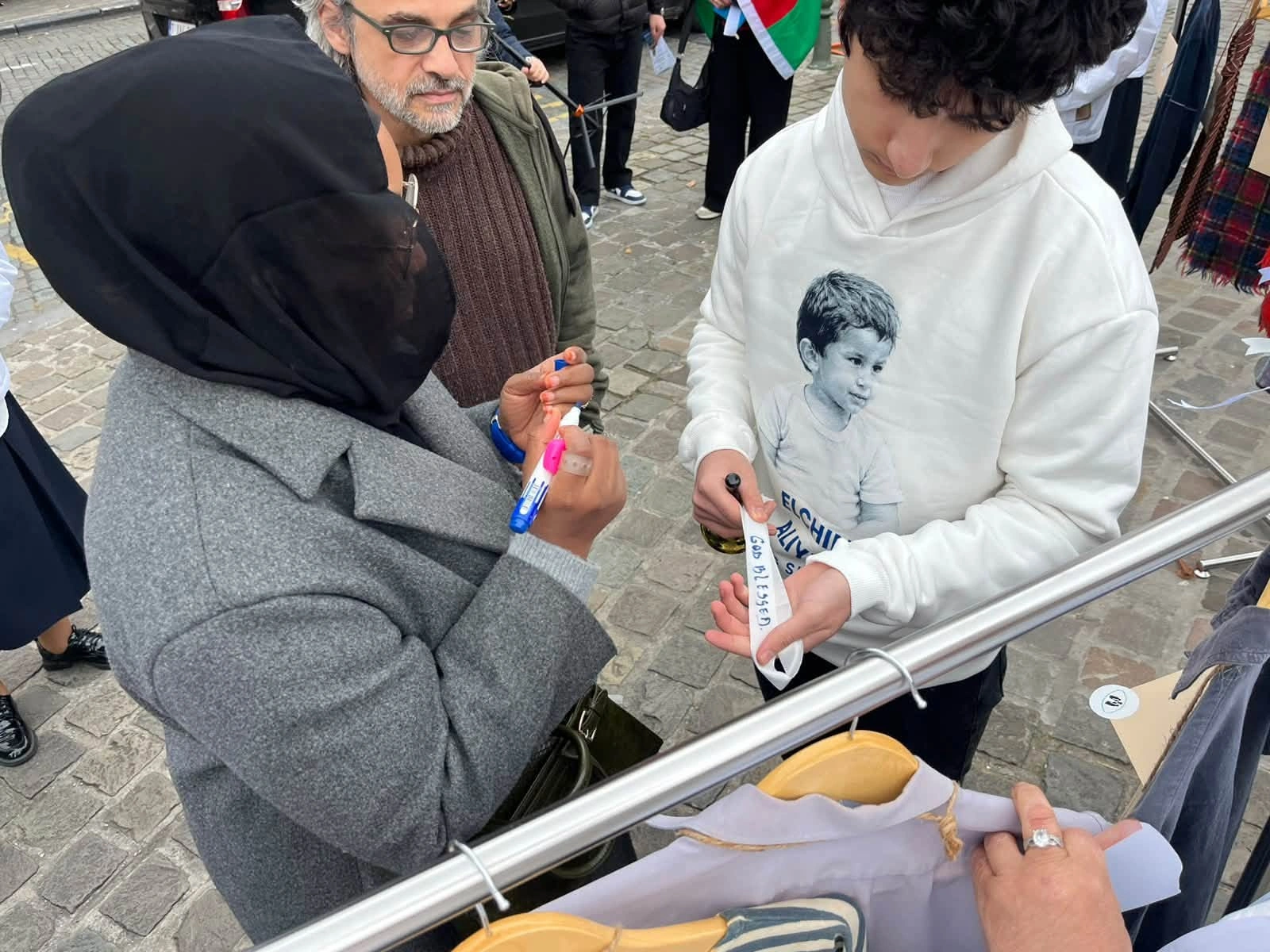
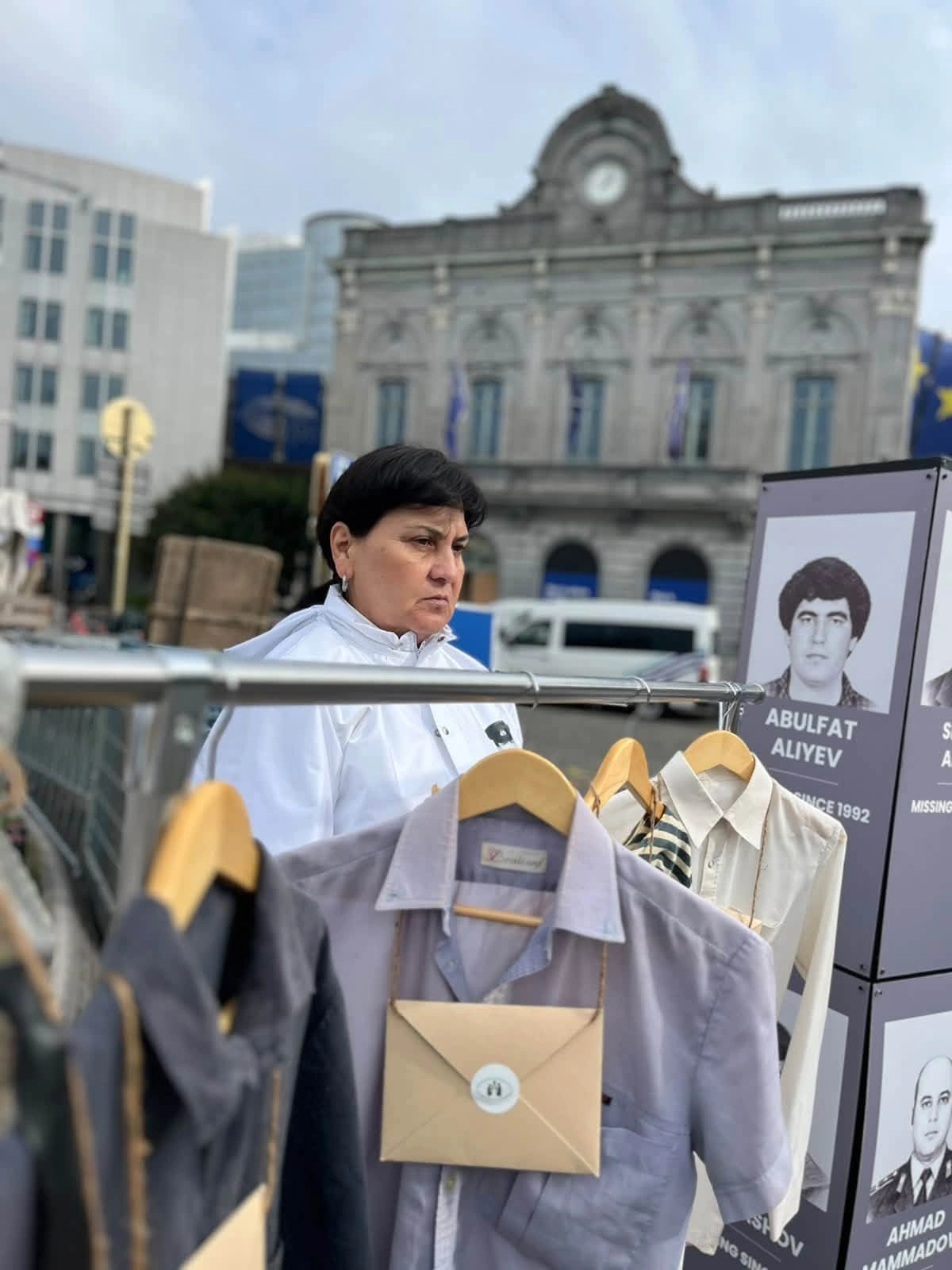
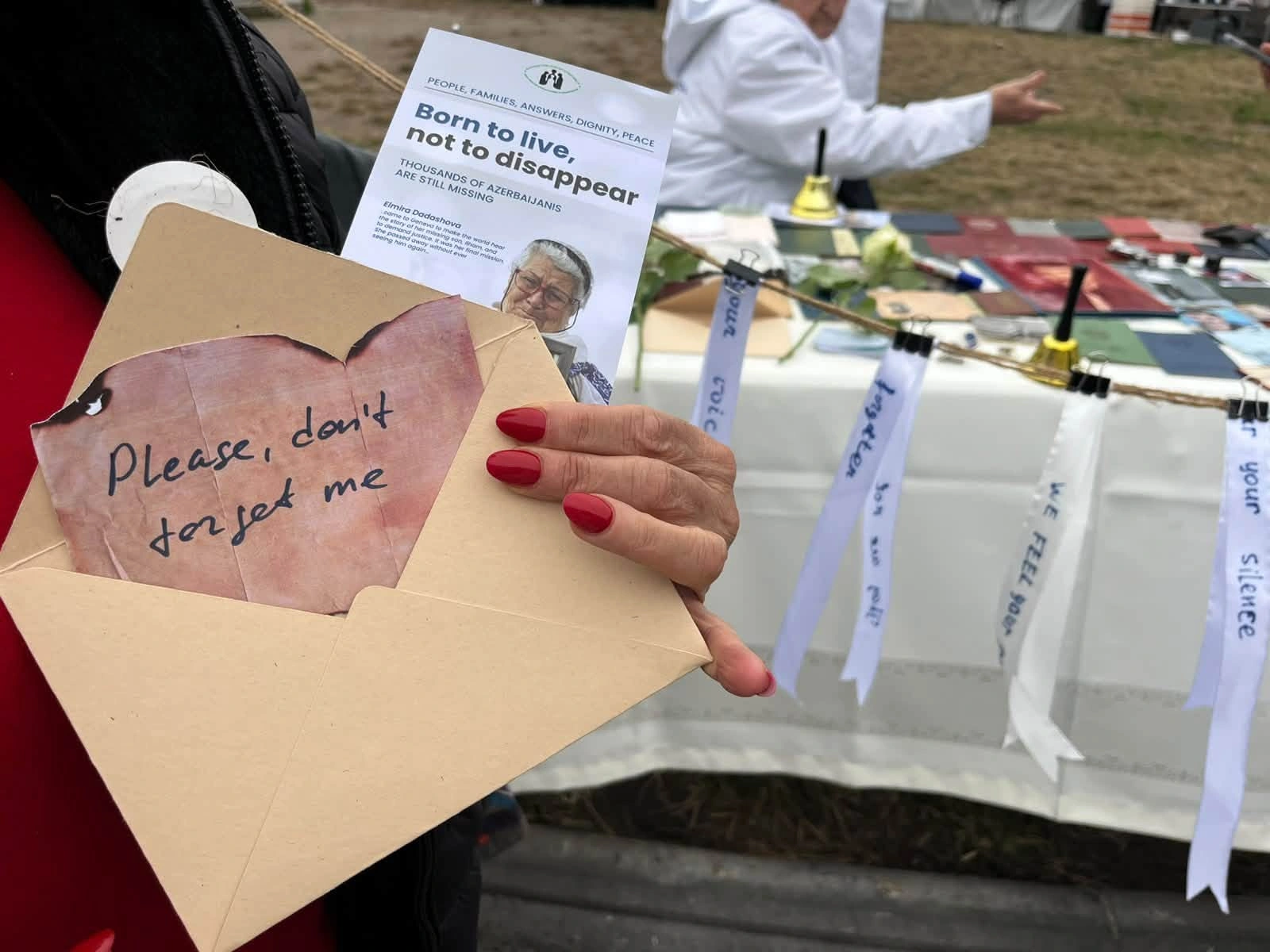
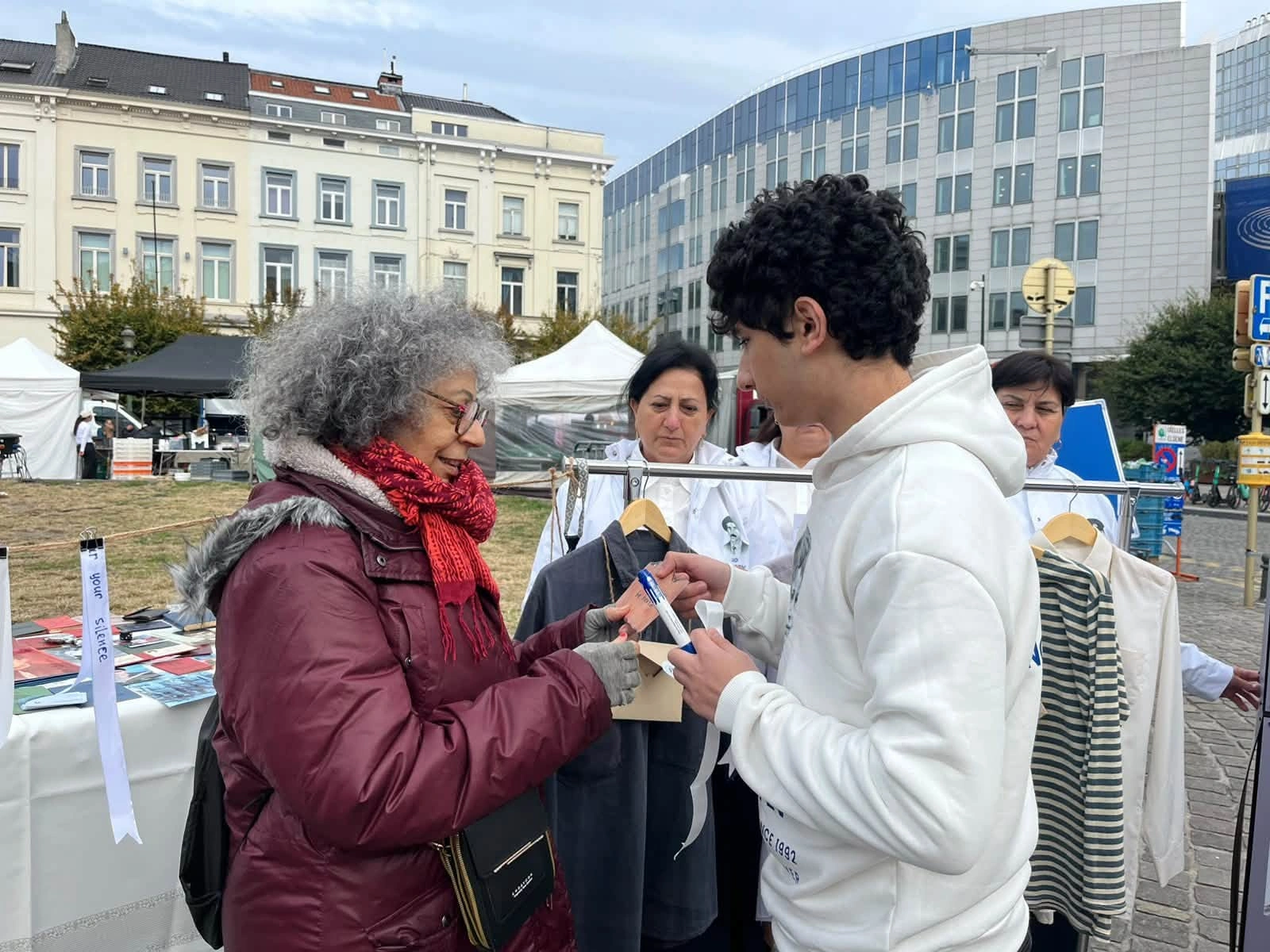
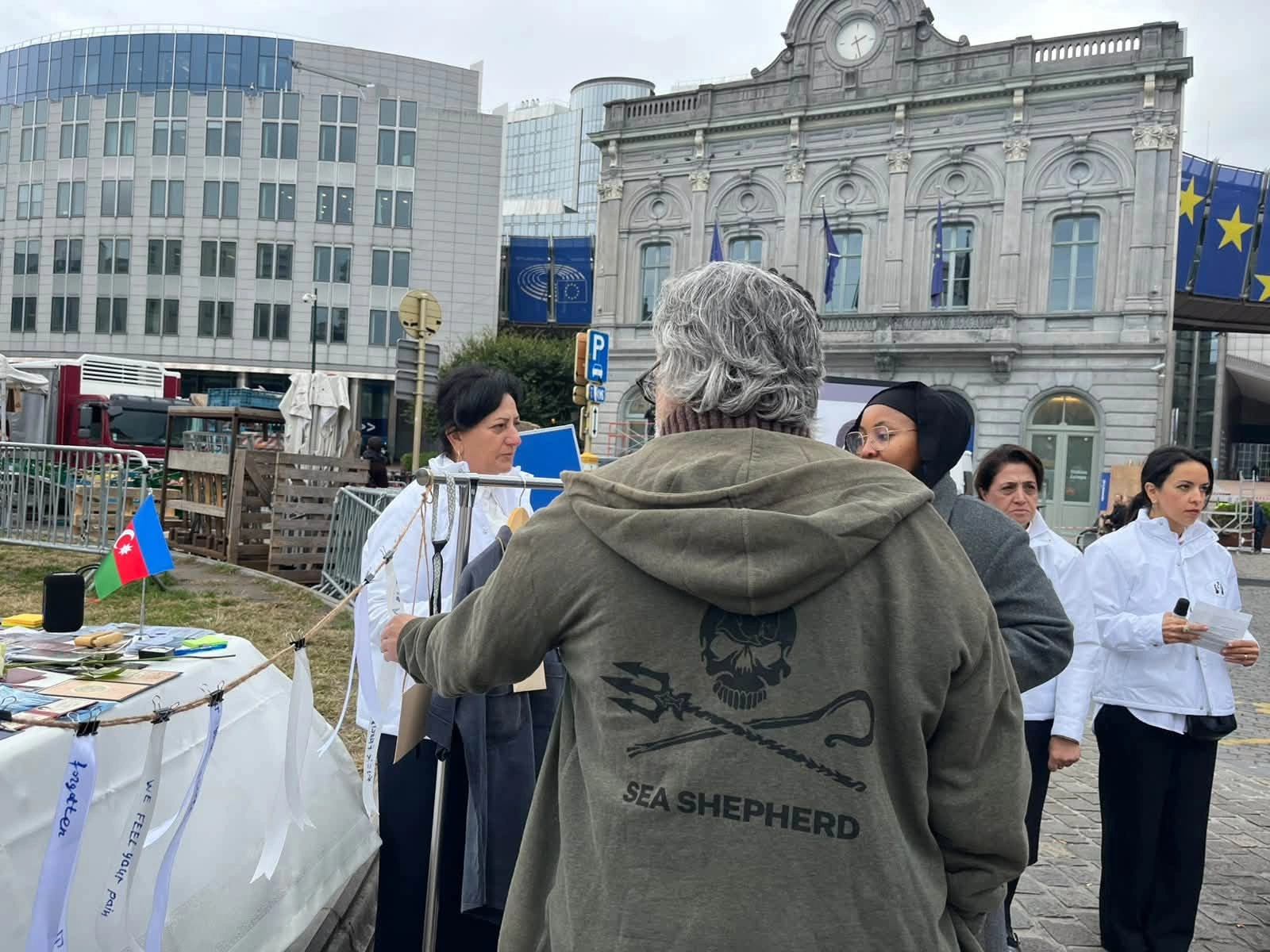
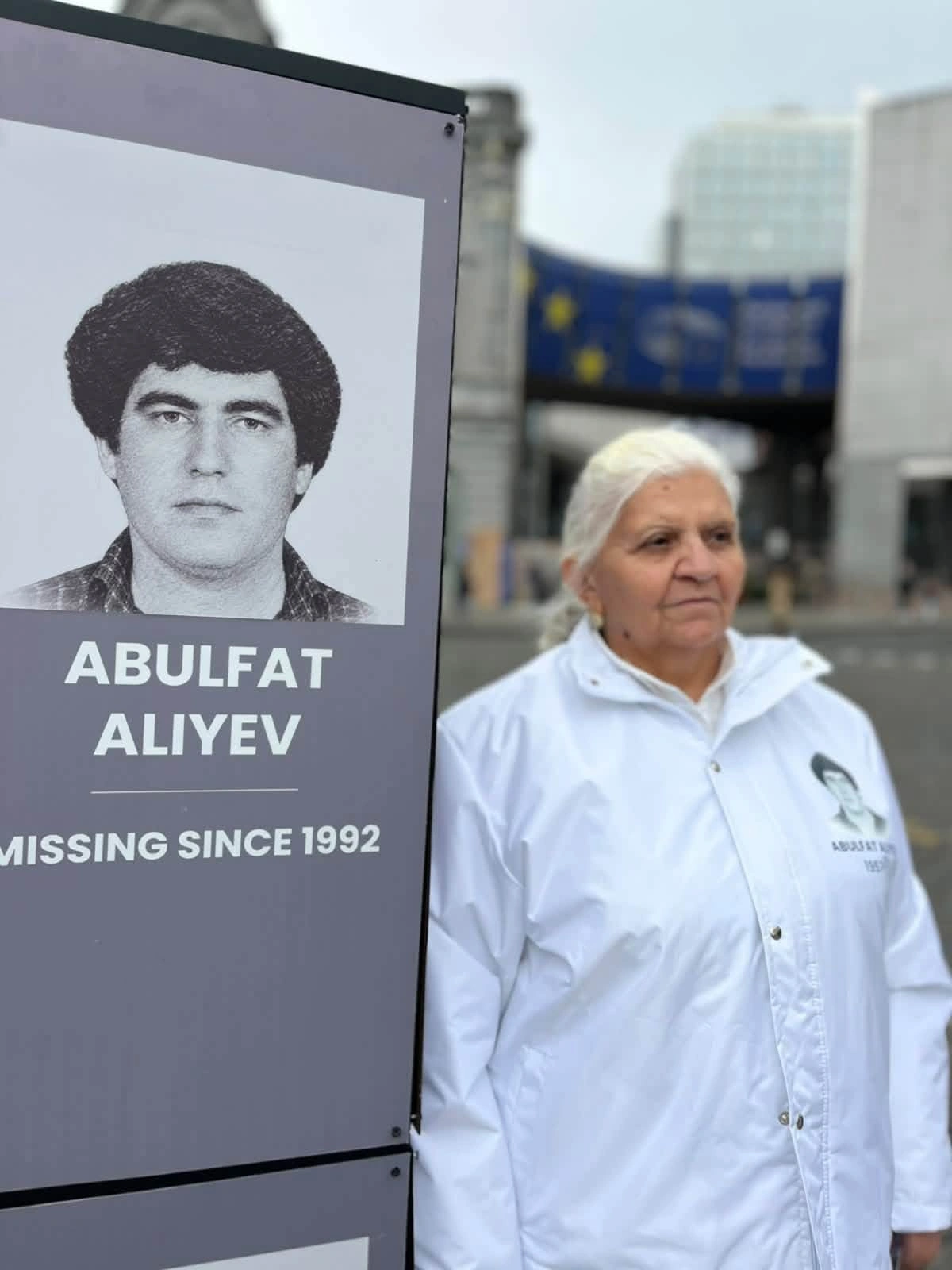
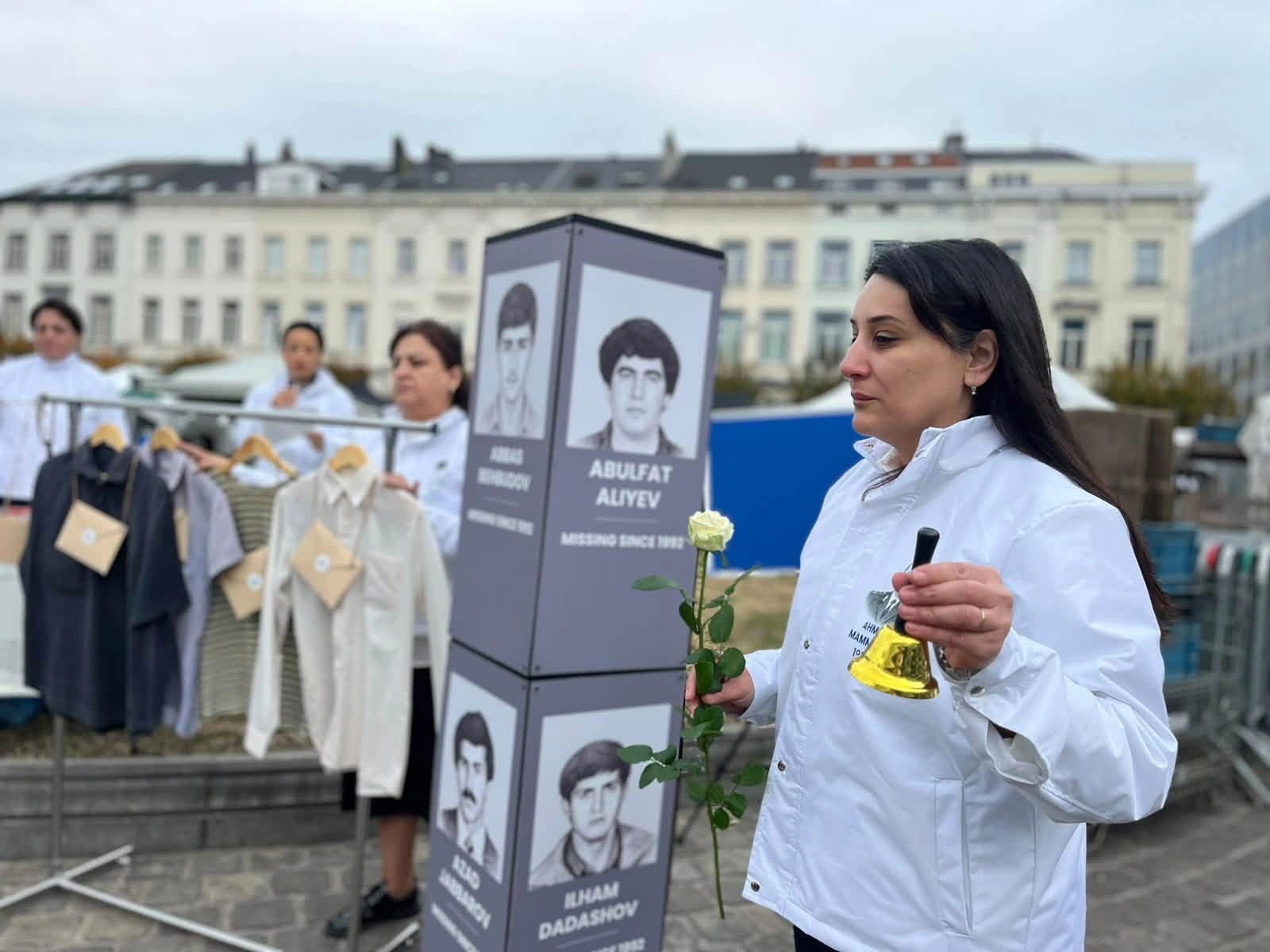
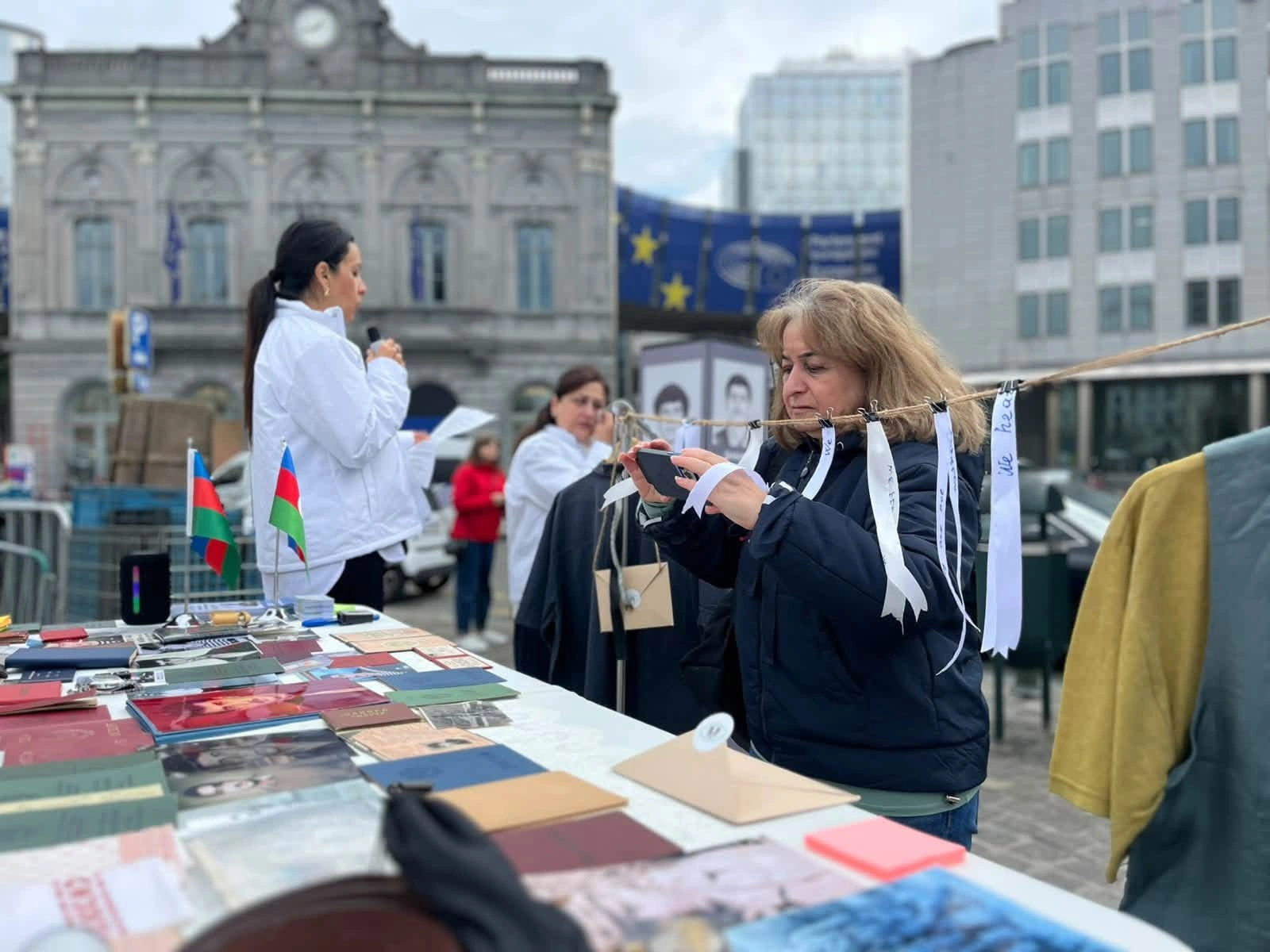
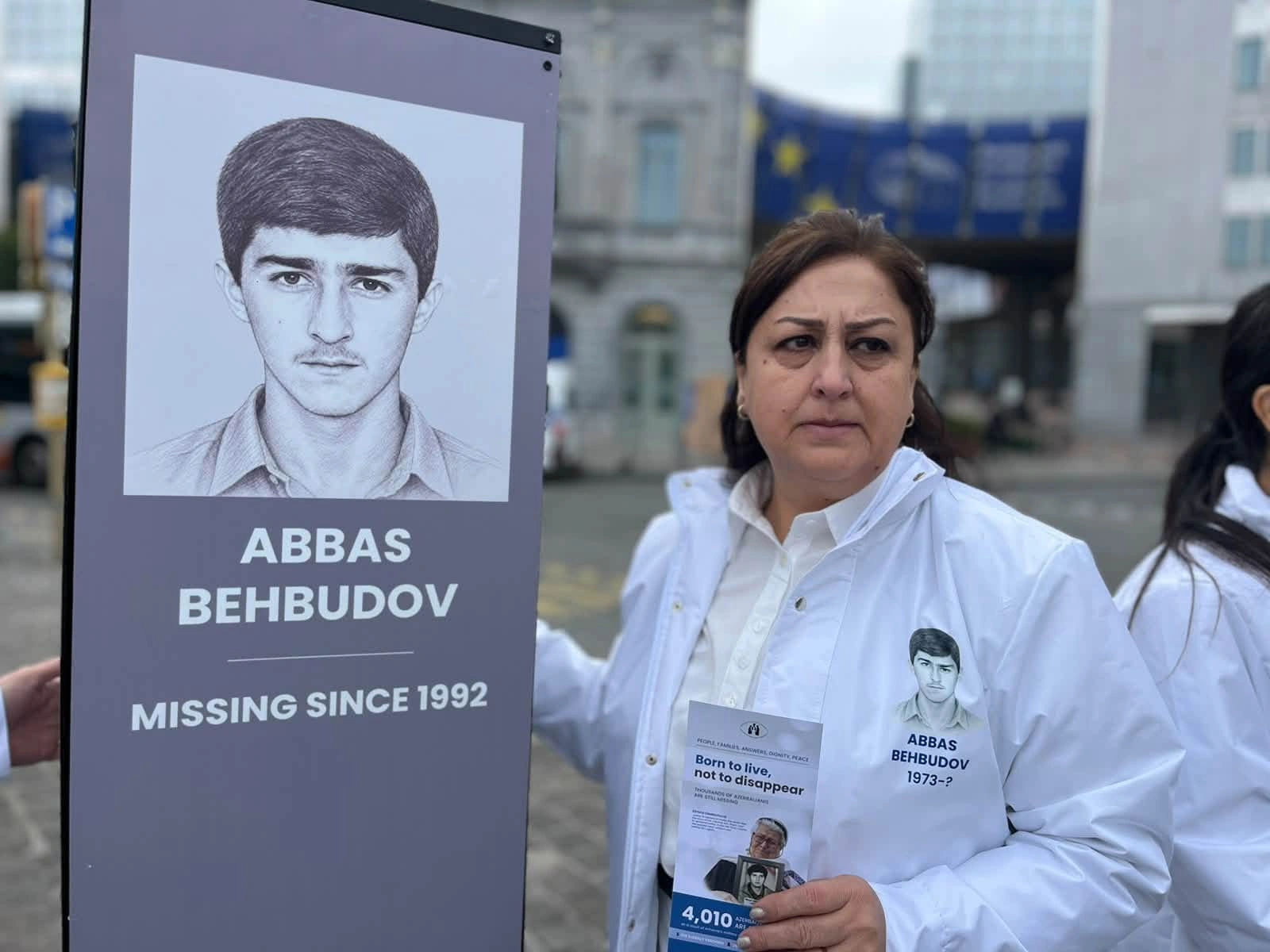
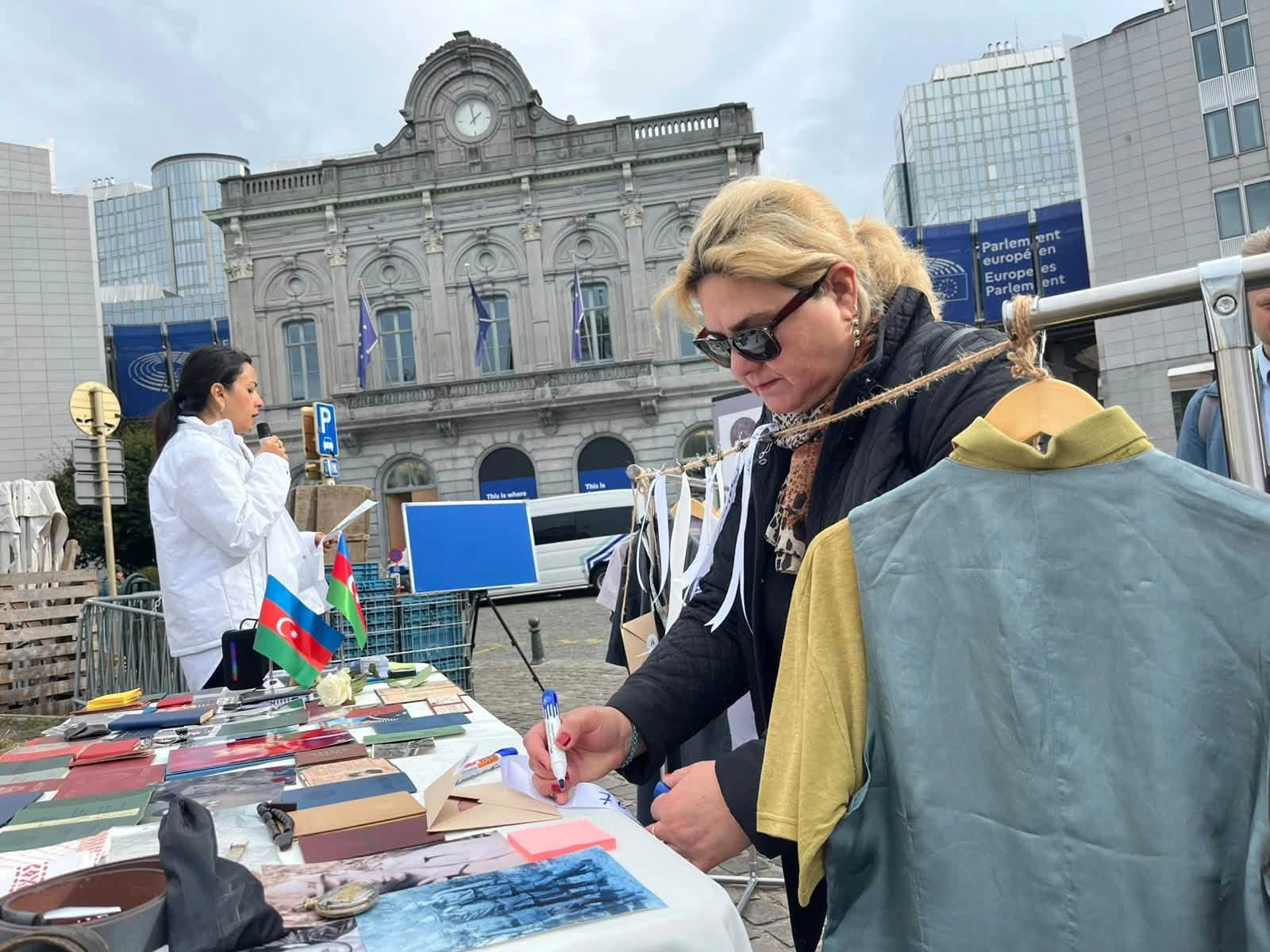
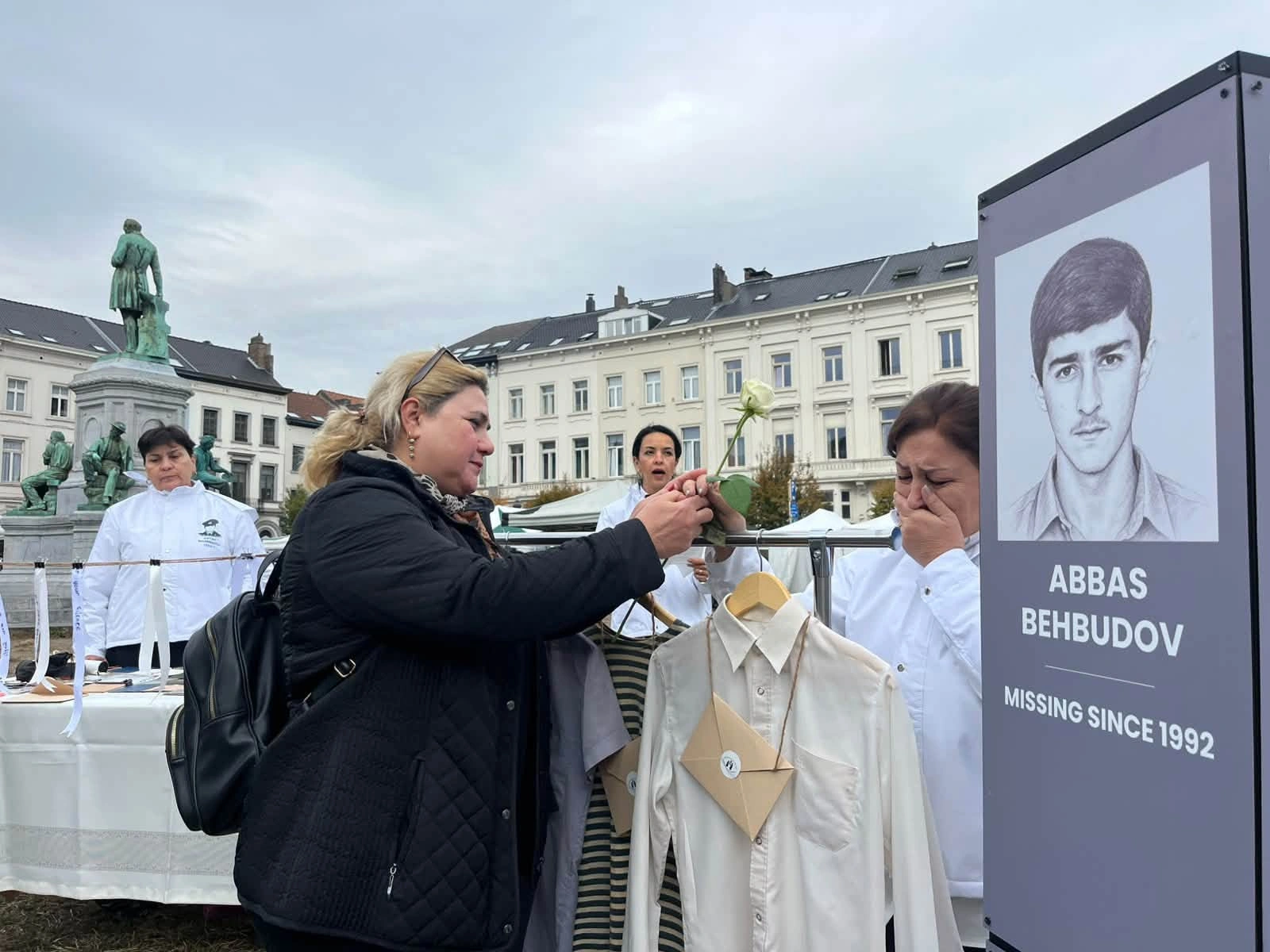
A special installation featuring photographs and clothing of
missing Azerbaijanis, along with letters bearing messages from
their perspective, was displayed during the protest. Visitors
expressed solidarity by writing messages of support, tying
commemorative ribbons and laying flowers.
Konul Behbudova, chair of the “Garabagh Missing Families” Public
Union, called on Armenia to disclose information about mass grave
locations and help clarify the fate of missing Azerbaijanis,
stressing that no family should have to wait forever for
answers.
On August 30 last year, the “Garabagh Missing Families” Public
Union held a protest in Geneva in front of the “Palace of Nations,”
where the UN’s European office is located, at the symbolic “Broken
Chair” monument, which represents the cries of people suffering
from all forms of armed violence. During the protest, personal
belongings and documents of missing Azerbaijanis were displayed,
and an original composition of slogans was presented, narrating
their life stories and addressing humanity in their voice.
The union won the NGO Support Agency’s 2026 grant competition
with its “Echoes of Absence” project.
Meanwhile, Gilavar Photo Club of Azerbaijan organized
exhibitions in seven European cities — Geneva, Brno, Ljubljana,
Sarajevo, Zagreb, Salzburg and Rome — as part of the “A Mine-Free
World” campaign, highlighting mine threats in liberated Azerbaijani
territories, including residential areas, cemeteries and sites near
mass graves.