BAKU, Azerbaijan, August 14. Uzbekistan and
Serbia discussed ways to expand trade and economic partnership and
investment ties, defining pharmaceuticals, agriculture, the
chemical industry, mechanical engineering, the textile industry,
and transportation infrastructure as promising areas for
cooperation.
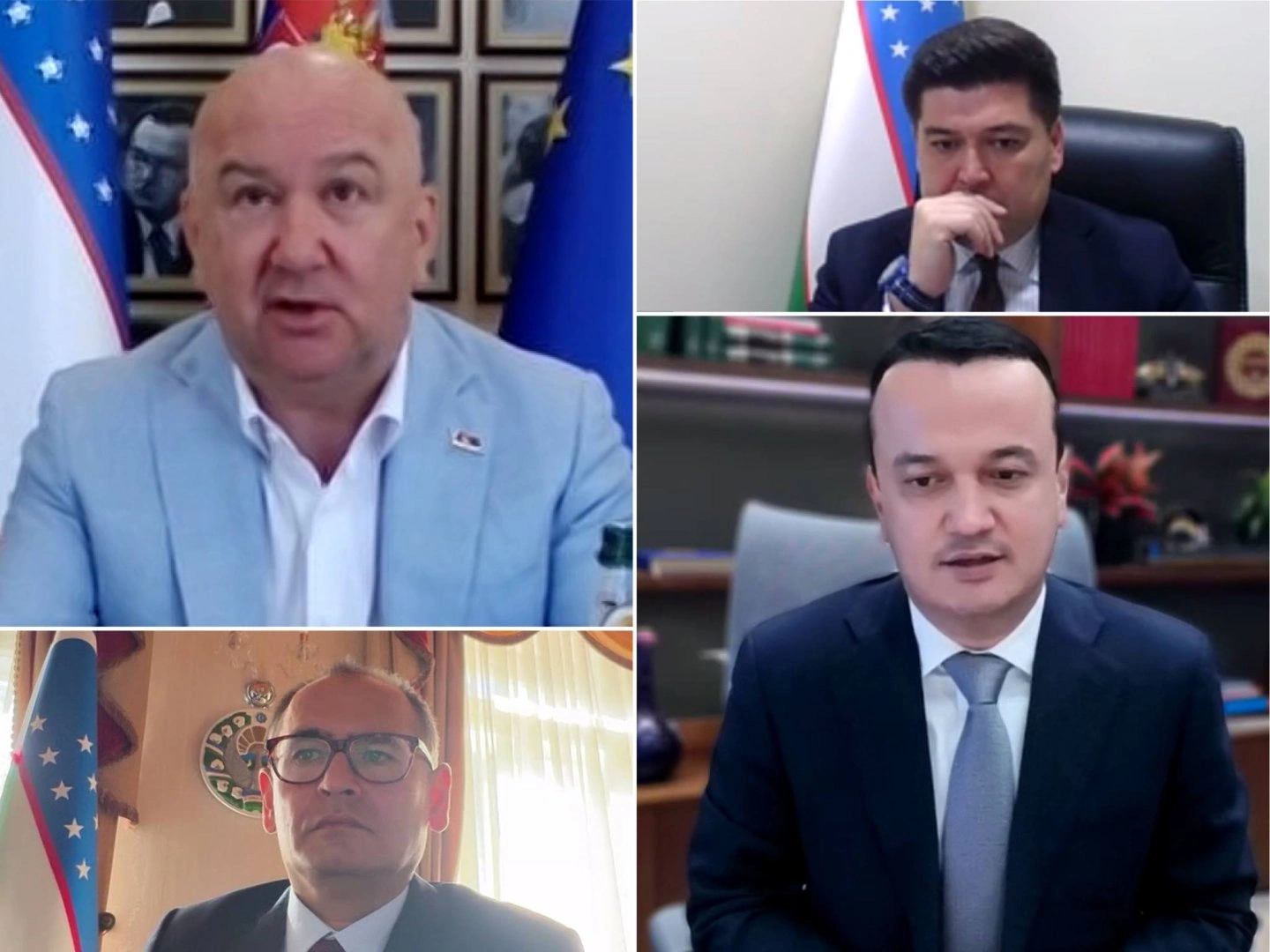
This was reflected in the statement by the Uzbek Ministry of
Investment, Industry and Trade following an online meeting between
Minister Laziz Kudratov and Serbia’s Minister responsible for
international economic cooperation, Nenad Popović, on August
13.
According to the ministry, in the course of the meeting, the
sides also reviewed the current state of Uzbek-Serbian economic
relations and explored opportunities to further expand bilateral
cooperation.
Particular attention was given to preparations for the first
meeting of the Intergovernmental Commission on Economic
Cooperation, which is scheduled to take place in Belgrade this
autumn.
During the talks, the sides discussed specific trade and
investment initiatives aimed at strengthening economic ties between
the two countries. Priority areas identified included
pharmaceutical production, agriculture, chemical industry,
mechanical engineering, textile manufacturing and transport
infrastructure.
“The parties agreed to continue joint efforts to expand mutual
trade and promote new projects,” Uzbekistan’s Ministry of
Investment, Industry and Trade said.
The upcoming intergovernmental commission meeting is expected to
provide a platform for developing practical cooperation mechanisms
and advancing new economic initiatives.
Uzbekistan and Serbia have been seeking to strengthen economic
engagement by increasing trade volumes and encouraging investment
cooperation across various sectors. Expanding industrial
partnerships and joint projects could create new opportunities for
businesses from both countries.
The sides reaffirmed their commitment to maintaining dialogue
and continuing cooperation to develop mutually beneficial projects
and enhance bilateral economic relations.