BAKU, Azerbaijan, August 18. The European Union
(EU) and China are accelerating the development of the Middle
Corridor.
This was reported in a statement by the Transport Corridor
Europe-Caucasus-Asia (TRACECA).
The statement said that the EU launched a new transport
accessibility platform in August 2026, which aims to connect Europe
with Central Asia via the Black Sea and the South Caucasus. The EU,
together with international financial institutions, plans to
mobilize about 2 billion euro for the development of infrastructure
in the Black Sea region and the South Caucasus.
According to the statement, EU Enlargement Commissioner Marta
Koss noted that the volume of cargo transportation along the
Trans-Caspian route could increase fivefold in the next 15
years.
The statement emphasized that the main participants in the
corridor are Kazakhstan and Azerbaijan.
"Kazakhstan has invested $35 billion in transport infrastructure
over the past seven years and will continue to invest in the future
to strengthen its role as a key link between China and Europe.
International financial institutions are also actively involved
in the development of the Trans-Caspian route. The Asian
Infrastructure Investment Bank and the International Finance
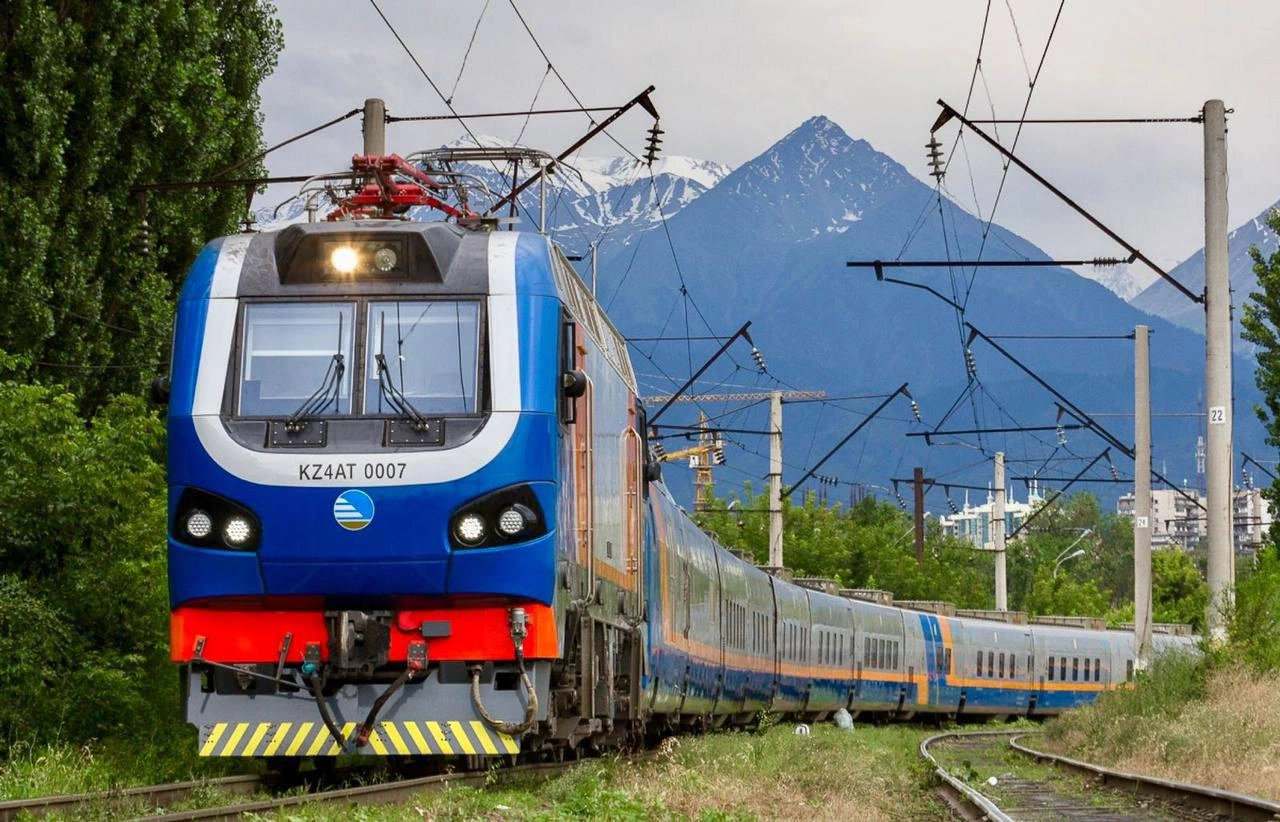
Corporation are financing the construction of a 75-kilometer
railway line in Kazakhstan, bypassing Almaty, for about $300
million. The country's road modernization program is worth $1.5
billion.
The capabilities of Kazakhstan's ports on the Caspian Sea have
also been expanded. As a result of projects implemented in the
ports of Aktau and Kuryk, their total cargo handling capacity has
been increased to 21.6 million tons per year. In parallel,
Azerbaijan and Georgia are working to increase the capacity of the
Baku port and the Baku-Tbilisi-Kars railway, which will facilitate
the transportation of goods to Turkish and European markets.
Despite the development of infrastructure, the volume of cargo
transportation through the Middle Corridor is still relatively low.
In 2024, 4.5 million tons, and in 2025, 4.7 million tons of cargo
were transported on the route. The target for 2030 is to increase
this figure to 11 million tons.
For the European Union, the Middle Corridor is important in
terms of transporting cargo from China via an alternative route to
the Russian route. China, on the other hand, views this route as an
opportunity to diversify its cargo supply routes to Europe and
strengthen its economic influence in Central Asia and the South
Caucasus," the statement pointed out.
The Middle Corridor is a transport and trade route connecting
Asia with Europe through Central Asia, the Caspian Sea, Azerbaijan,
Georgia and Türkiye. It serves as an alternative to the traditional
Northern and Southern corridors and provides a land-based link
between China and Europe.