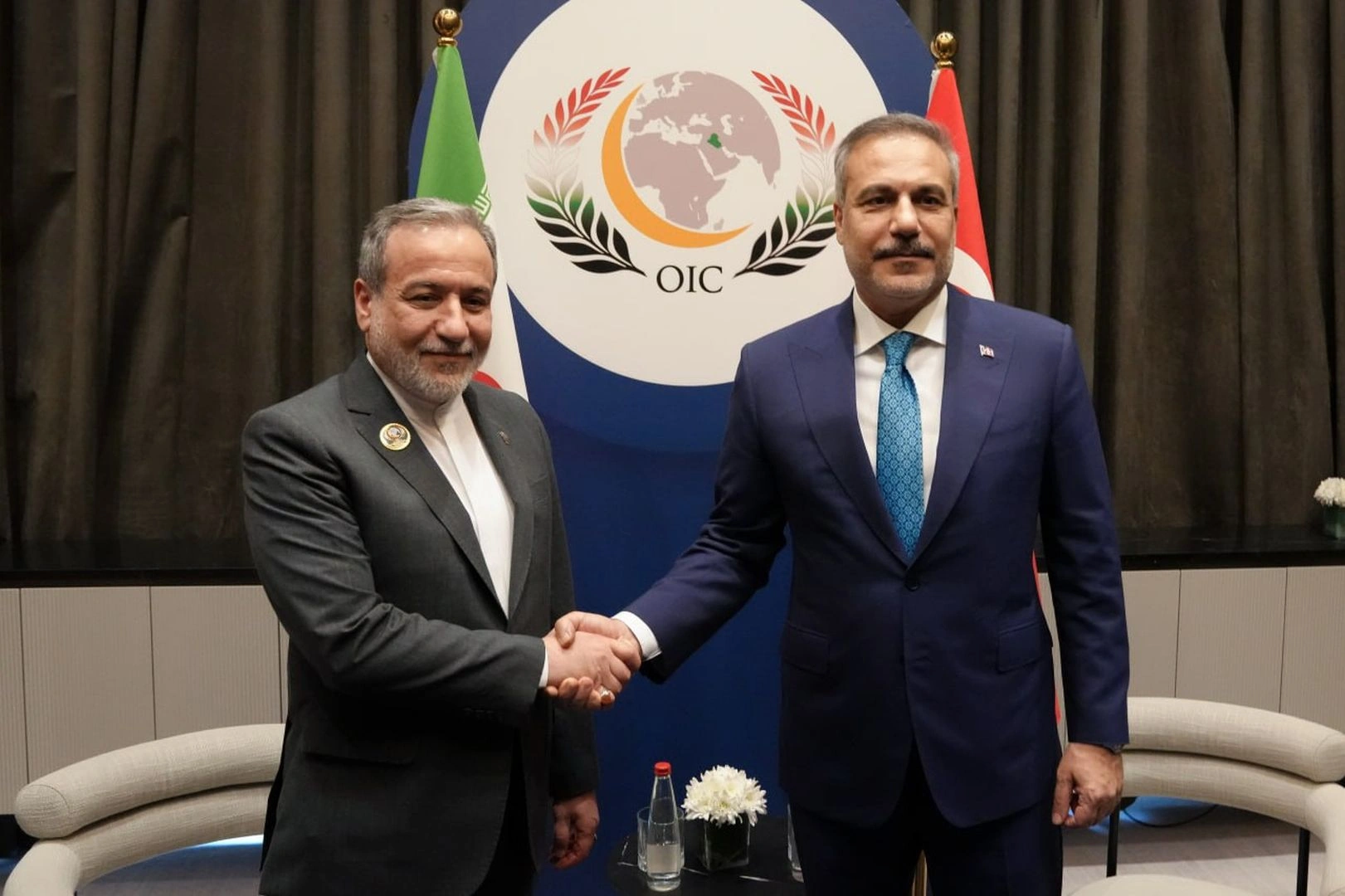
BAKU, Azerbaijan, October 17.
Iran supports the safe conduct of shipping and cargo transport in
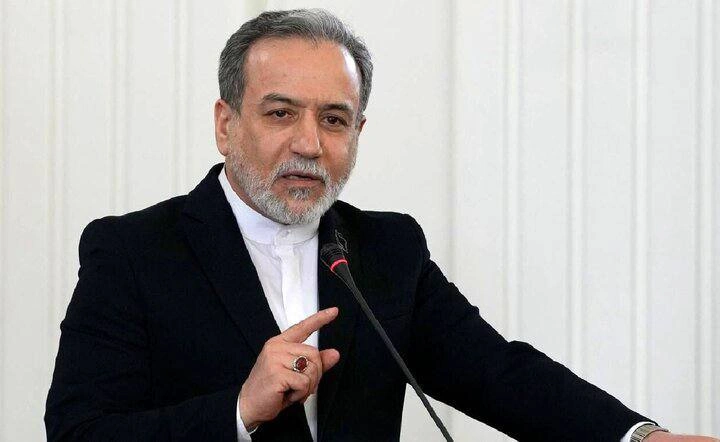
the Strait of Hormuz, Iranian Foreign Minister Seyed Abbas Araghchi
said at the 52nd session of the Council of Foreign Ministers of the
Organization of Islamic Cooperation in Baghdad, Iraq, on October
17.
This was reflected in a statement by the Iranian Ministry of
Foreign Affairs.
"The Strait of Hormuz is vital for the energy and trade of the
majority of member states of the Organization of Islamic
Cooperation. Until February 28, 2026, the Strait remained fully
open and secure. Since that date, following military airstrikes by
the U.S. and Israel against Iran, it has not been possible to
restore security. It’s impossible to return maritime security to a
normal state when a country is subjected to bombardment, threats of
destruction, and a blockade," he noted.
The Iranian minister recalled that, with the mediation of
Pakistan and the support of Qatar, Iran and the U.S. signed the
‘Islamabad Memorandum of Understanding' on June 17. Under the fifth
provision of this memorandum, Iran is required to take the
necessary measures to facilitate the safe passage of vessels. In
this regard, Iran immediately initiated technical discussions with
the Sultanate of Oman to fulfill this obligation. Within two weeks,
about 60% of vessel traffic was restored. However, actions taken by
the U.S. side hindered the implementation of the memorandum, and
the established mechanisms for resolving misunderstandings were not
followed.
Araghchi also noted that over the past two years, Iran has
engaged in negotiations in good faith. However, instead of
diplomacy, it has repeatedly faced military aggression. This has
created deep distrust regarding the initiation of new negotiations,
absent reliable guarantees that such events will not recur.
Nevertheless, Iran has kept the door to dialogue open. A specific
seven-day plan has been presented to the U.S. side via Qatar,
indicating that, provided the necessary conditions are met, the
Strait of Hormuz could be opened, and the passage of vessels could
return to normal within seven days. The choice now rests with the
U.S. side.
The next escalation in U.S.-Iranian relations began on July 8.
On that day, for the first time since the signing of the memorandum
between Washington and Tehran, U.S. forces launched a series of
strikes on Iranian territory, allegedly in response to an attack on
a merchant ship in the Strait of Hormuz. On the same day, U.S.
President Donald Trump announced the suspension of the ceasefire
with Iran. In response, Tehran began striking U.S. targets located
in Bahrain, Jordan, Qatar, Kuwait, the UAE, and Oman. As a result
of the conflict, maritime trade in the Strait of Hormuz came to a
standstill.