BAKU, Azerbaijan, August 18. Uzbekistan plans
to launch 105 new industrial and infrastructure projects worth $27
billion this year as the country accelerates investment and expands
its economic capacity, President Shavkat Mirziyoyev said.
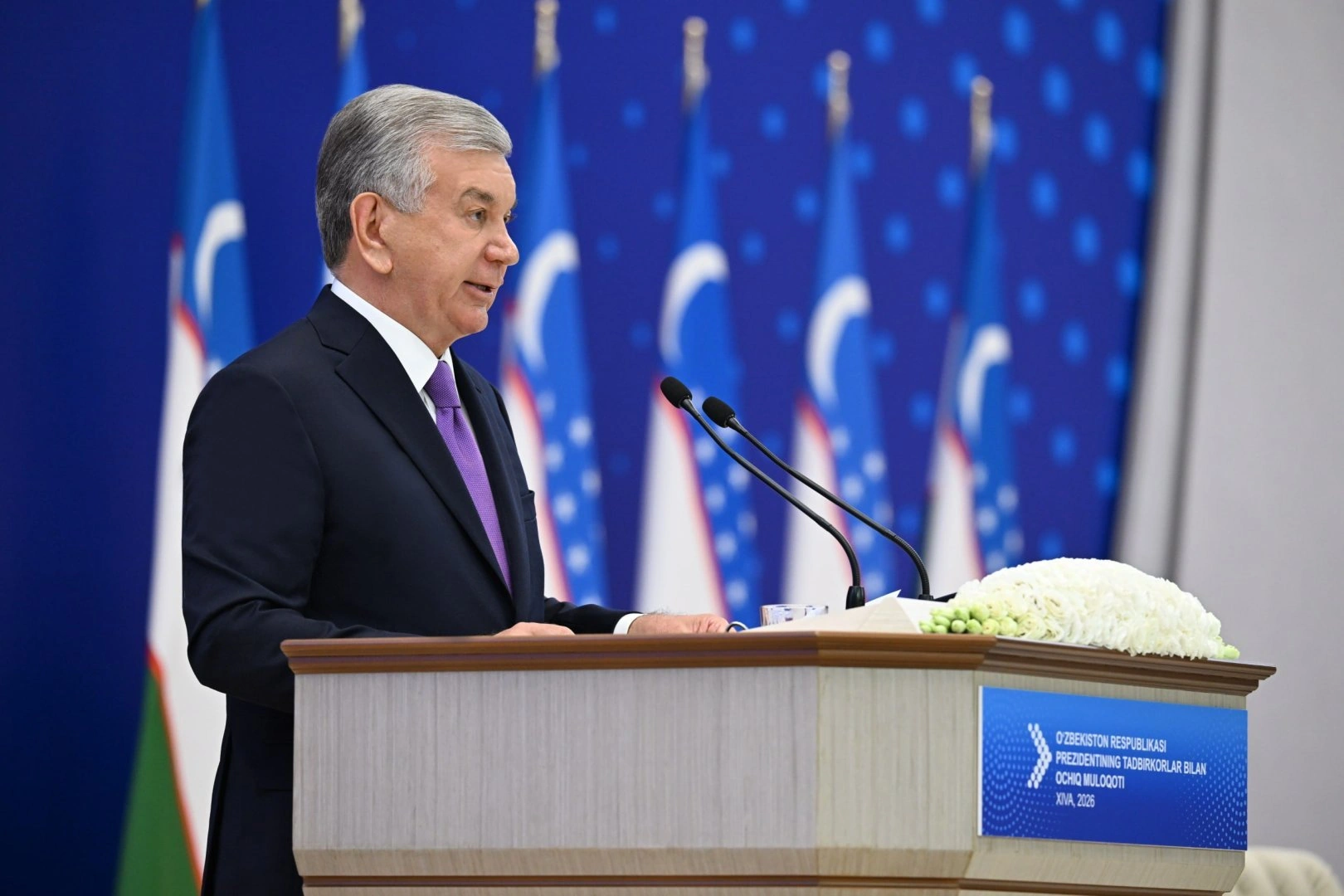
This was reflected in the statement on the Official channel of
the Press Secretary of the President of the Republic of Uzbekistan,
following an open dialogue with the country’s business community in
Khorezm region.
The projects form part of a broader investment drive covering
energy, transport, manufacturing, logistics and urban development,
with major initiatives including a nuclear power plant in Jizzakh,
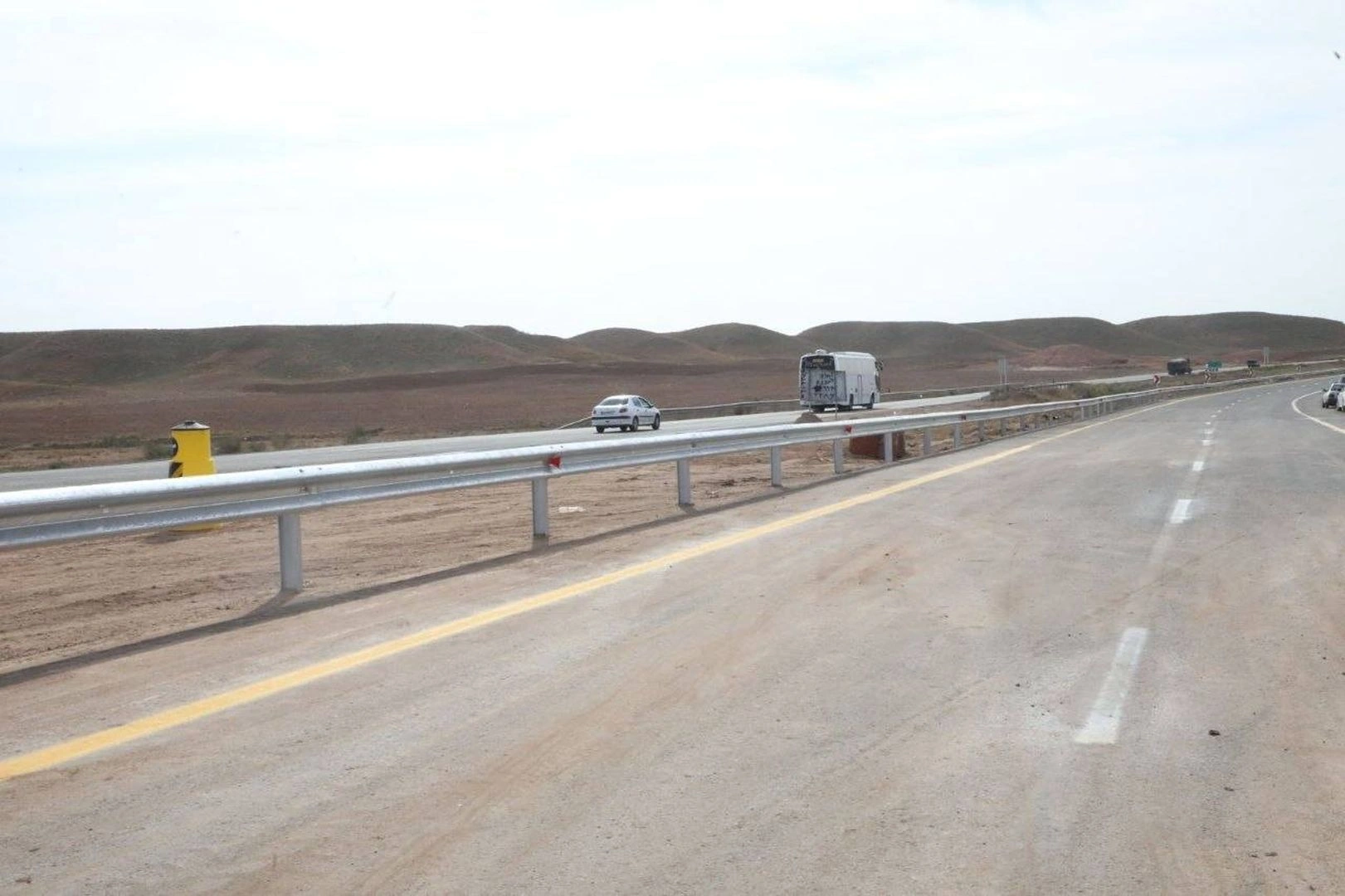
a fourth copper processing plant in Almalyk and new highways
linking Tashkent with Samarkand and Andijan.
Other major projects include an eco-friendly aviation fuel
complex in Khorezm, a 940-hectare greenhouse complex in
Surkhandarya and the New Tashkent airport in Yukori Chirchiq.
This gives you a much stronger inverted-pyramid opening: the
$27B figure is immediately in the first sentence, then the second
paragraph explains what the money is going into.
New residential areas are also being developed across the
country for around 3 million people. Local businesses seeking to
supply products and services for these projects will be offered
conditions equal to those available to foreign investors.
The government is also taking steps to strengthen transport and
logistics. Import duties and recycling fees on trucks have been
abolished, while VAT on the provision of railway wagons for
international transportation will be reduced to a zero rate.
Next year, a logistics center with a capacity of 500,000 tons is
expected to begin operations at Georgia’s Poti port, while
practical work on the Anaklia port project will also begin. Major
logistics hubs are planned for Alat, Termez, Yangiyul, Akhangaran
and Khanabad.
Uzbekistan also plans to launch the Tashkent International
Financial Center and the Enterprise Uzbekistan International
Digital Technologies Center next year. The two platforms are
expected to help attract $20 billion-$25 billion in capital, along
with new technologies and expertise.
Mirziyoyev also announced new initiatives based on issues raised
by entrepreneurs, with the first focused on creating a sustainable
growth trajectory for businesses.
The share of small businesses in banks’ loan portfolios has
increased from 45% to 63%, while 76.5 trillion soums (about $6.4
billion) was allocated to small and medium-sized businesses in the
first half of 2026.
A new single digital portal for credit services has also been
launched, allowing entrepreneurs to submit one application while
banks compete to offer financing. New entrepreneurs will be able to
apply online for loans of up to 5 billion soums. (around
$421,408)
The government plans to establish an integrated support
ecosystem covering every stage of business development through
three programs: Business Start, Business Lift and Business
Rise.
Under Business Start, entrepreneurs will receive training in
developing projects, preparing loan documents and managing
financial reports with the help of artificial intelligence. The
program will receive 100 billion soums (approx. $8.4 million) in
funding and provide ready-made business plans and unsecured loans
of up to 200 million soums (about $16,856).
“We will create a comprehensive system that supports
entrepreneurs from their first step all the way until they grow
into large businesses, rather than simply providing them with
loans,” Mirziyoyev said.
The measures are intended to improve access to finance, support
new entrepreneurs and help small businesses transition toward
larger-scale operations and investment.