BAKU, Azerbaijan, August 19. Kazakhstan's
Ministry of Energy has introduced additional anti-terrorism
security measures for offshore oil and gas facilities in the Kazakh
sector of the Caspian Sea.
According to Order No. 297, signed by the Minister of Energy
Yerlan Akkenzhenov on August 6, 2026, amendments have been made to
the regulations governing anti-terrorism protection of vulnerable
oil and gas infrastructure.
"To strengthen anti-terrorism protection of facilities, oil and
gas sector entities (owners, proprietors, managers or officials of
the facilities) conducting subsurface operations in the Kazakh
sector of the Caspian Sea shall provide a location near production
facilities for the deployment of the forces and equipment of the
Maritime Operational Headquarters for Combating Terrorism upon its
request," the order says.
The new measures are aimed at strengthening the physical
protection of critical offshore oil and gas infrastructure and
improving the ability of relevant authorities to respond to
potential security threats.
The move comes amid heightened security concerns surrounding
regional oil infrastructure. Attacks and incidents affecting the
Caspian Pipeline Consortium (CPC) infrastructure have increased,
placing greater focus on the security of energy export routes.
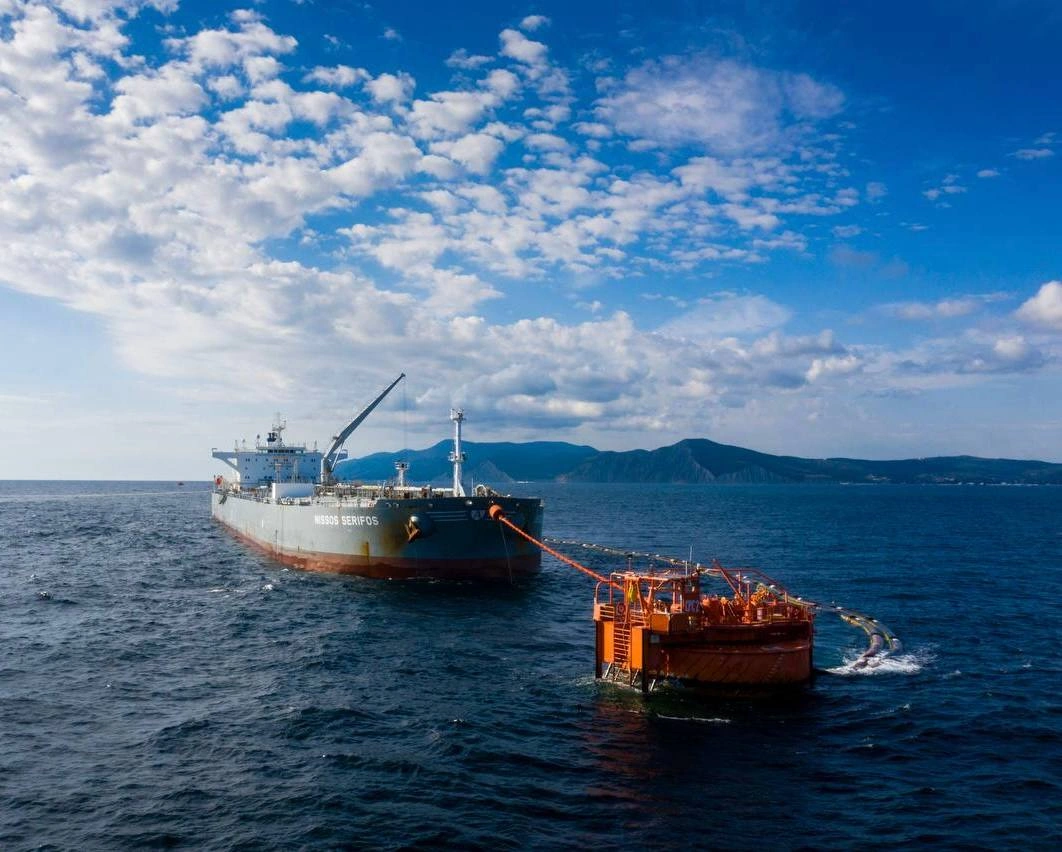
The CPC is a major international oil transportation system
linking Kazakhstan, Russia and global energy companies. Its
1,500-kilometer pipeline transports crude oil mainly from
Kazakhstan's Tengiz, Karachaganak and Kashagan fields, as well as
from Russian producers.
Around 80% of Kazakhstan's oil exports are transported through
the CPC pipeline system, making the route a critical component of
the country's energy export infrastructure.