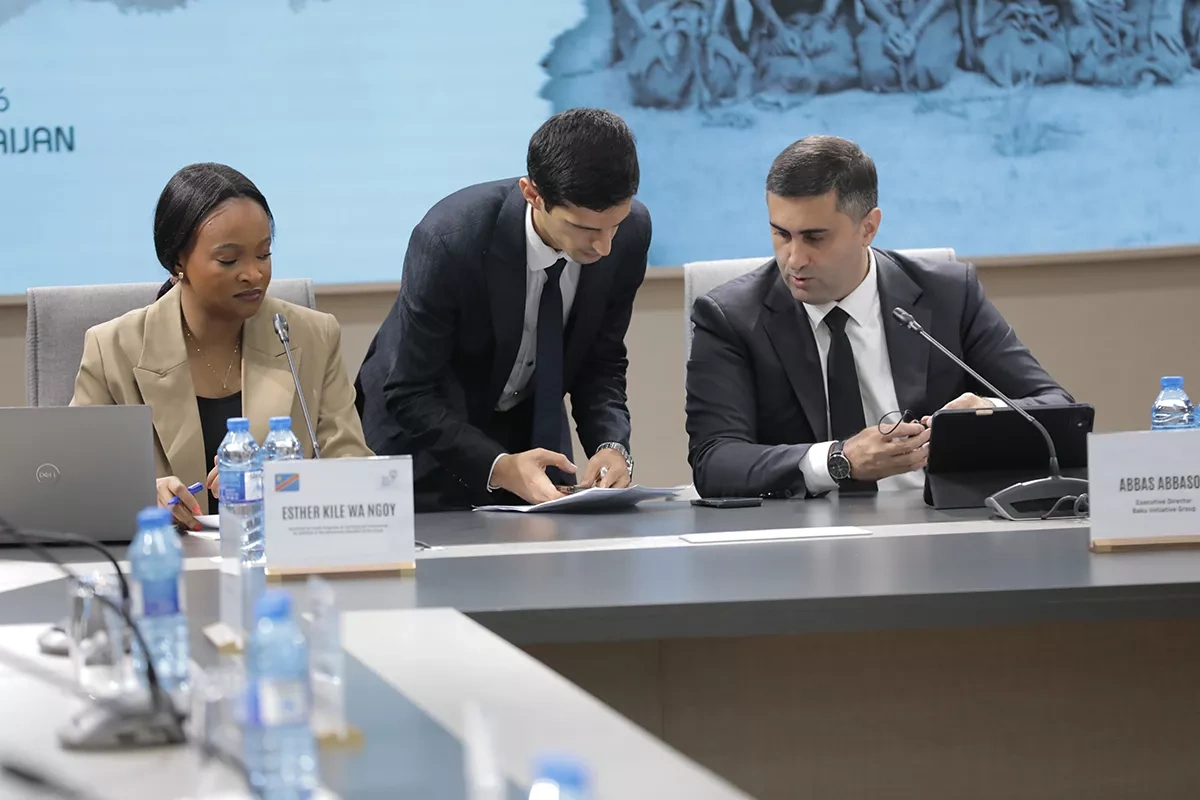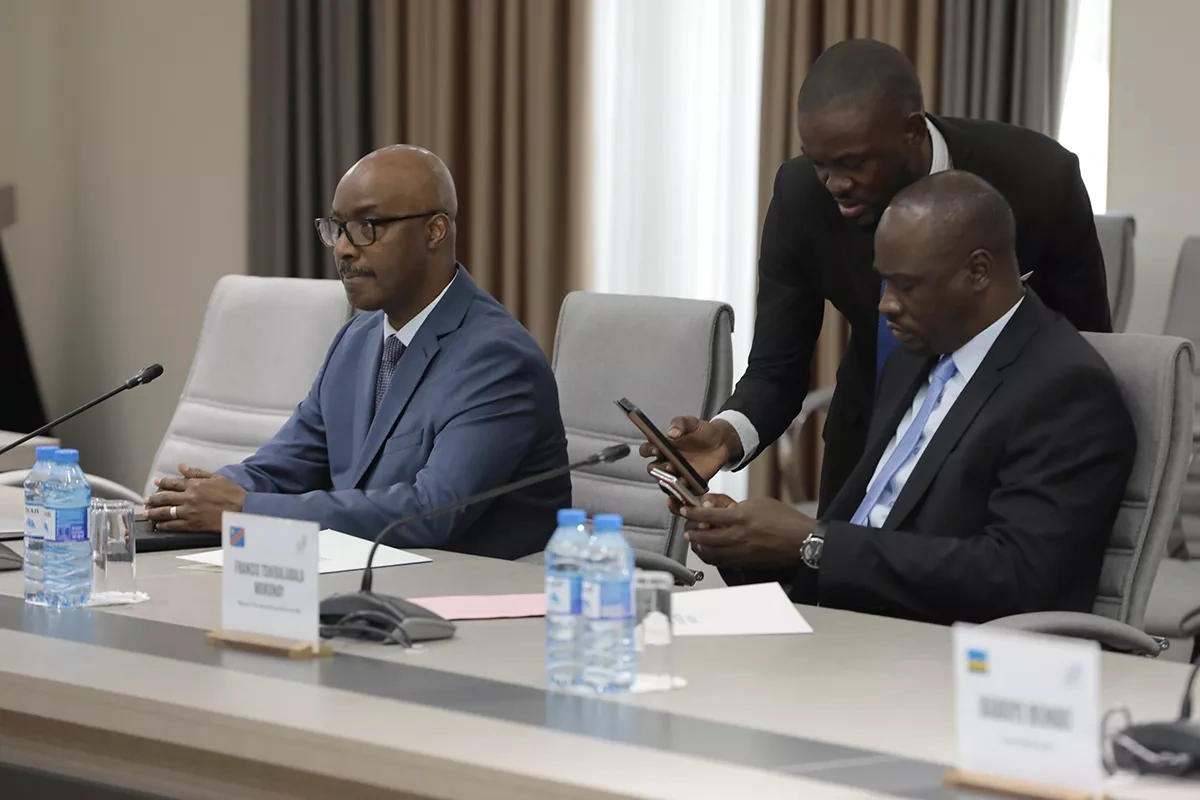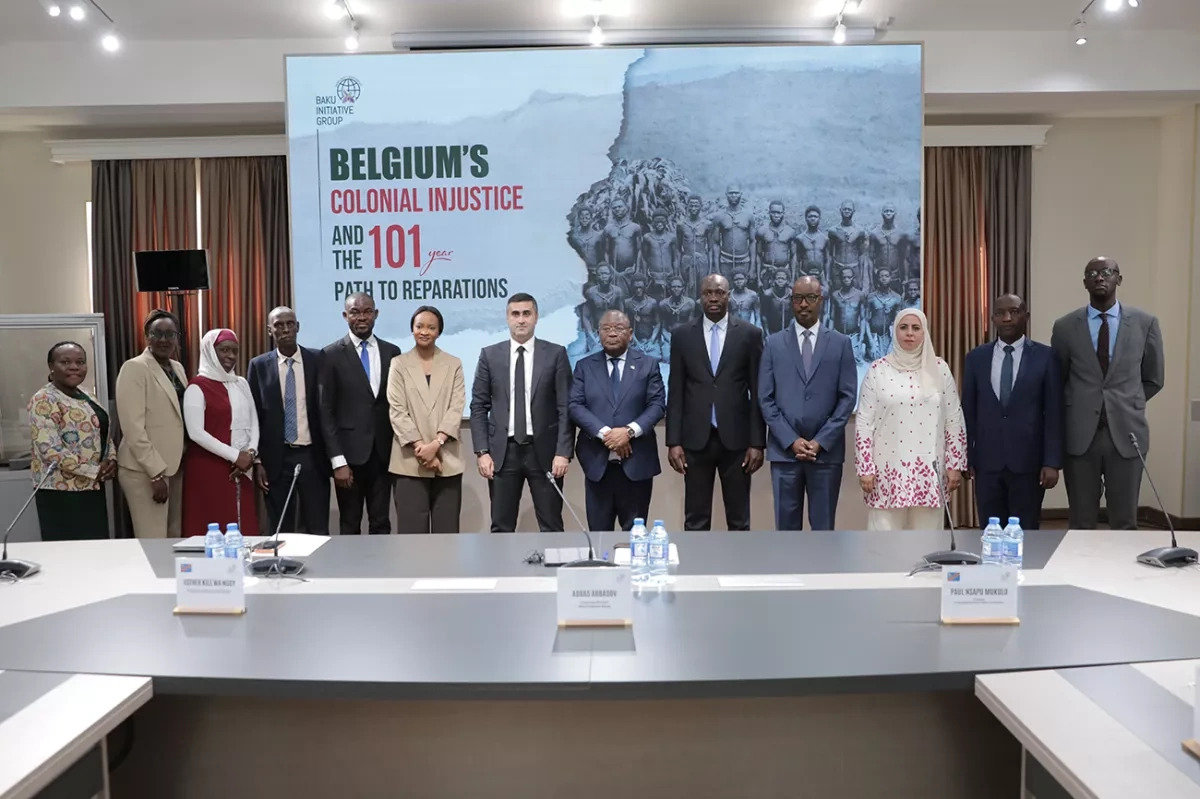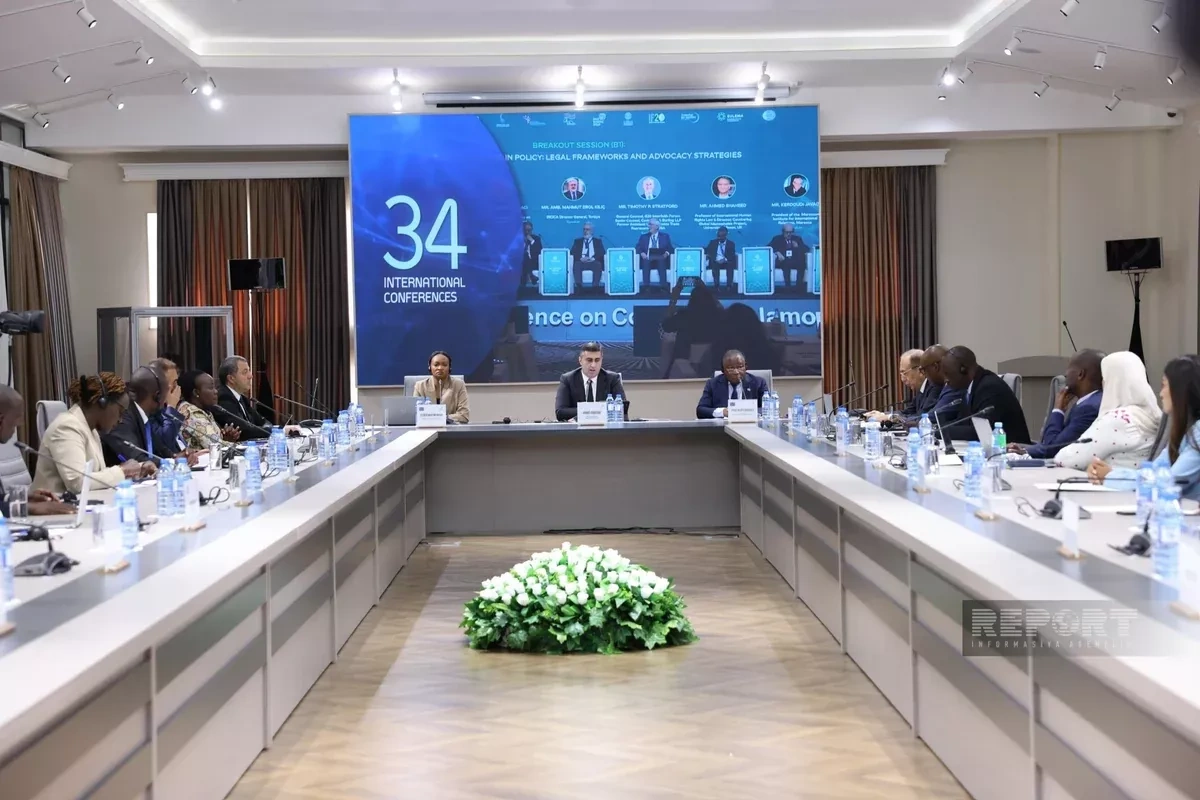
An international conference titled “Belgium’s Colonial Injustice and the 101-Year Path to Reparations” has been held in Baku, bringing together officials and experts to discuss calls for Belgium to address alleged colonial-era crimes and provide reparations.
Organized by the Baku Initiative Group (BIG), the conference brought together representatives from the Democratic Republic of the Congo (DRC), Rwanda and Burundi — former Belgian colonies where participants said neocolonial influence continues to persist — as well as representatives from Morocco, South Africa and the United Nations, Caliber.Az reports per local media.
The discussions focused on efforts to place Belgium’s alleged responsibility for colonial-era crimes against the peoples of the DRC, Rwanda and Burundi on the agenda of the UN, including the Human Rights Council.
Participants also discussed the establishment of an international enforcement mechanism to monitor Belgium’s obligations regarding reparations and restitution, in line with the principles set out in UN General Assembly Resolution 60/147.
The resolution outlines victims’ rights to legal protection and reparations, including restitution, compensation, rehabilitation and satisfaction measures such as acknowledgment and an official apology, as well as guarantees of non-recurrence.
According to conference participants, Belgium has yet to fully meet these obligations. They said Brussels has not issued an official state apology for crimes committed in the DRC, Rwanda and Burundi during the colonial period, with Belgian officials instead expressing “deep regret,” which participants argued does not constitute a legal obligation to provide reparations.
The conference also addressed the issue of cultural heritage. Participants said that while some 84,000 cultural artifacts have been inventoried, their actual repatriation has allegedly been delayed for decades. They also said inventory data remains inaccessible to the public and that bilateral agreements on restitution have yet to be concluded.
Experts from the DRC, Rwanda and Burundi were also reported to still lack full access to Belgian colonial-era archives and documents, which participants said are essential for examining the historical record and addressing outstanding claims.
10:09
An international conference on Belgian colonialism is being held in Baku, bringing together officials, diplomats and experts from former Belgian colonies and international organisations.
The conference, titled “Belgium’s Colonial Injustice and the 101-Year Path to Reparations”, has been organised by the Baku Initiative Group (BIG).
According to BIG, participants include officials from the Democratic Republic of the Congo (DRC), Rwanda and Burundi, as well as representatives from Morocco and South Africa and experts from the United Nations.
Among those attending are the DRC Ombudsman, members of the Congolese parliament, Rwanda’s ambassador and diplomats in Türkiye, and UN experts.
The discussions are focused on efforts to place issues related to Belgium’s colonial legacy on the UN agenda, including at the Human Rights Council. Participants are also examining calls for official apologies and compensation for crimes committed during the colonial period in the DRC, Rwanda and Burundi.
Another issue under discussion is the creation of an internationally binding mechanism to monitor Belgium’s obligations concerning reparations and restitution, based on principles set out in UN General Assembly Resolution 60/147.
The conference is also addressing access to Belgian colonial archives, the participation of specialists from former colonial territories in relevant processes, and the return of human remains and other historical materials to their countries of origin.
By Aghakazim Guliyev