BAKU, Azerbaijan, August 29. Kazakhstan and the
Comprehensive Nuclear-Test-Ban Treaty Organization (CTBTO) called
on states to step up efforts to bring the Comprehensive
Nuclear-Test-Ban Treaty (CTBT) into force and strengthen the global
norm against nuclear testing.
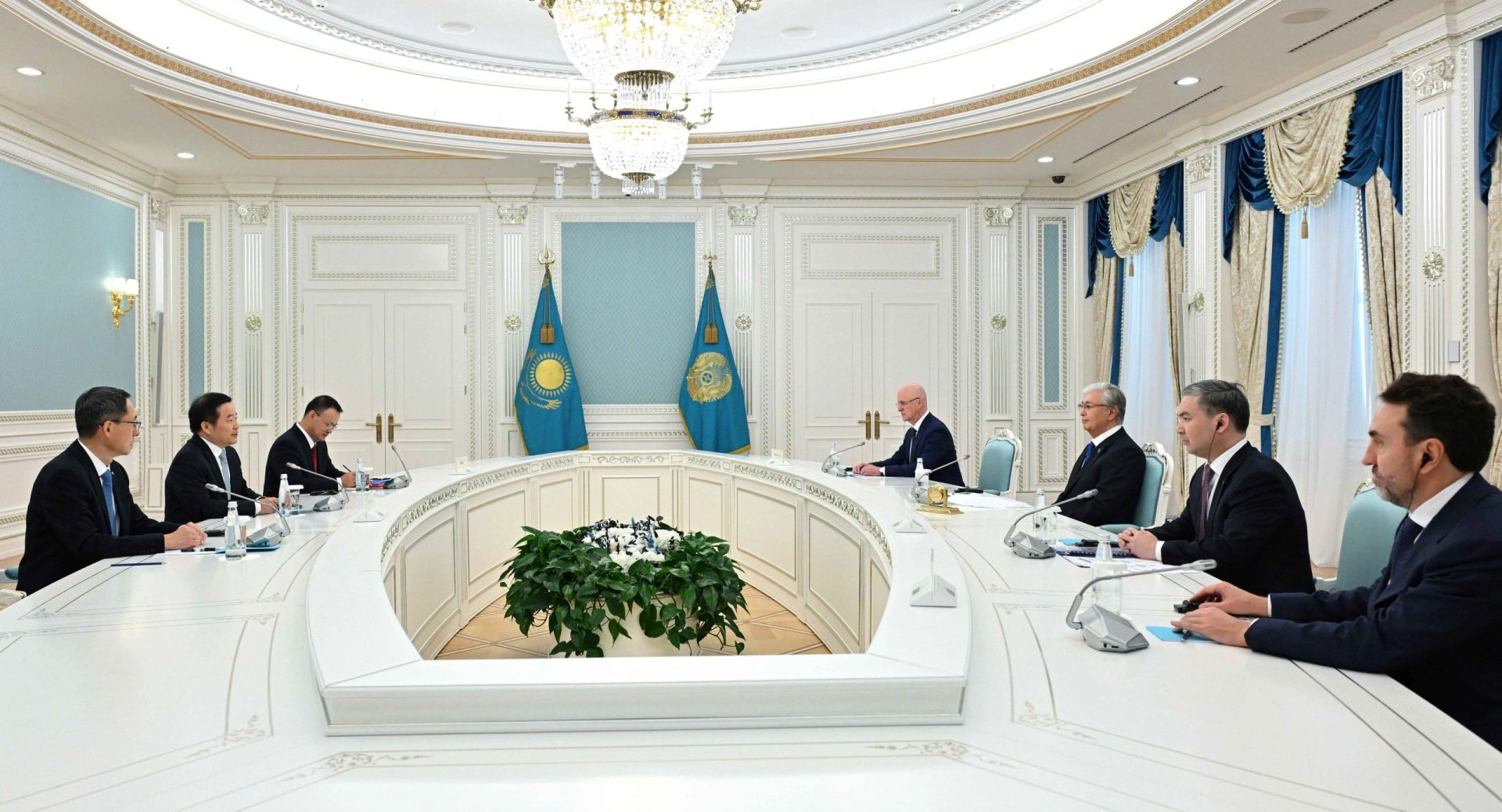
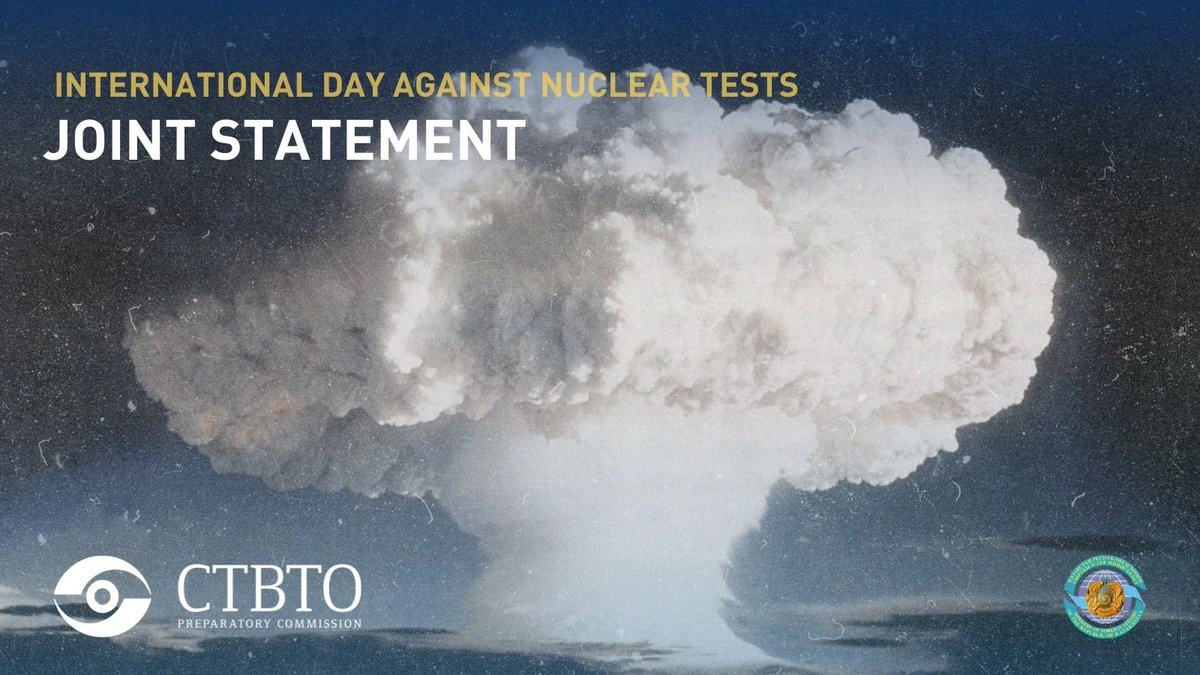
The call was made in a joint statement by Kazakh Foreign
Minister Yermek Kosherbayev and CTBTO Executive Secretary Robert
Floyd on the International Day against Nuclear Tests, marked on
August 29.
"2026 marks several critical milestones for global nuclear
disarmament and non-proliferation efforts. On 29 August Kazakhstan
will celebrate 35 years since the closure of the Semipalatinsk test
site where, over four decades, more than 450 nuclear tests took
place, providing a stark example of the dangerous consequences,
human trauma, and environmental damage caused by nuclear testing.
The closure of the Semipalatinsk test site sent a powerful
political message and played a crucial role in broader global
efforts that led to the adoption of the CTBT in 1996. Since then,
Kazakhstan has consistently supported the Treaty and the build-up
of its verification regime," the statement says.
According to the statement, the CTBT has been signed by 188
states and ratified by 179. Kazakhstan and the CTBTO welcomed the
recent signing and ratification of the treaty by Tonga.
The statement also highlighted progress in establishing the
CTBT’s verification regime. A total of 308 facilities worldwide
have been certified, including 293 monitoring stations and 15
radionuclide laboratories, with the network more than 90 percent
complete.
Kazakhstan currently hosts five stations of the International
Monitoring System operated by the National Nuclear Center. The
sides also noted Kazakhstan’s contribution to the development of
the CTBT’s on-site inspection capabilities. Four field experiments
were conducted in Kazakhstan in 1999, 2002, 2005 and 2008,
including at the Semipalatinsk test site.
The statement said the Integrated Field Exercise 2026 (IFE26),
scheduled for October in Namibia, will provide an opportunity to
further develop on-site inspection methods and equipment and
strengthen national verification capabilities.
Kazakhstan and the CTBTO called on all states to uphold existing
moratoriums on nuclear testing and urged countries that have not
yet signed or ratified the CTBT to do so without delay. The sides
also called on the remaining Annex 2 states, whose ratification is
required for the treaty to enter into force, to demonstrate their
commitment to nuclear non-proliferation and disarmament.
The statement noted that the 30th anniversary of the CTBT’s
opening for signature should serve as a new impetus for efforts to
achieve its entry into force and establish a permanent, legally
binding end to nuclear testing.