BAKU, Azerbaijan, September 4. Turkmenistan has
assumed the acting chairmanship of the UN Group of Landlocked
Developing Countries (LLDCs).
This was announced by Aida Kasymalieva, Permanent Representative
of Kyrgyzstan to the UN in New York, in a post on X.
“Kyrgyzstan hands over the acting Chairmanship of the LLDC Group
to Turkmenistan,” Kasymalieva wrote on social media.
Kasymalieva added that Kyrgyzstan would continue advancing the
interests and priorities of landlocked developing countries at the
UN Security Council.
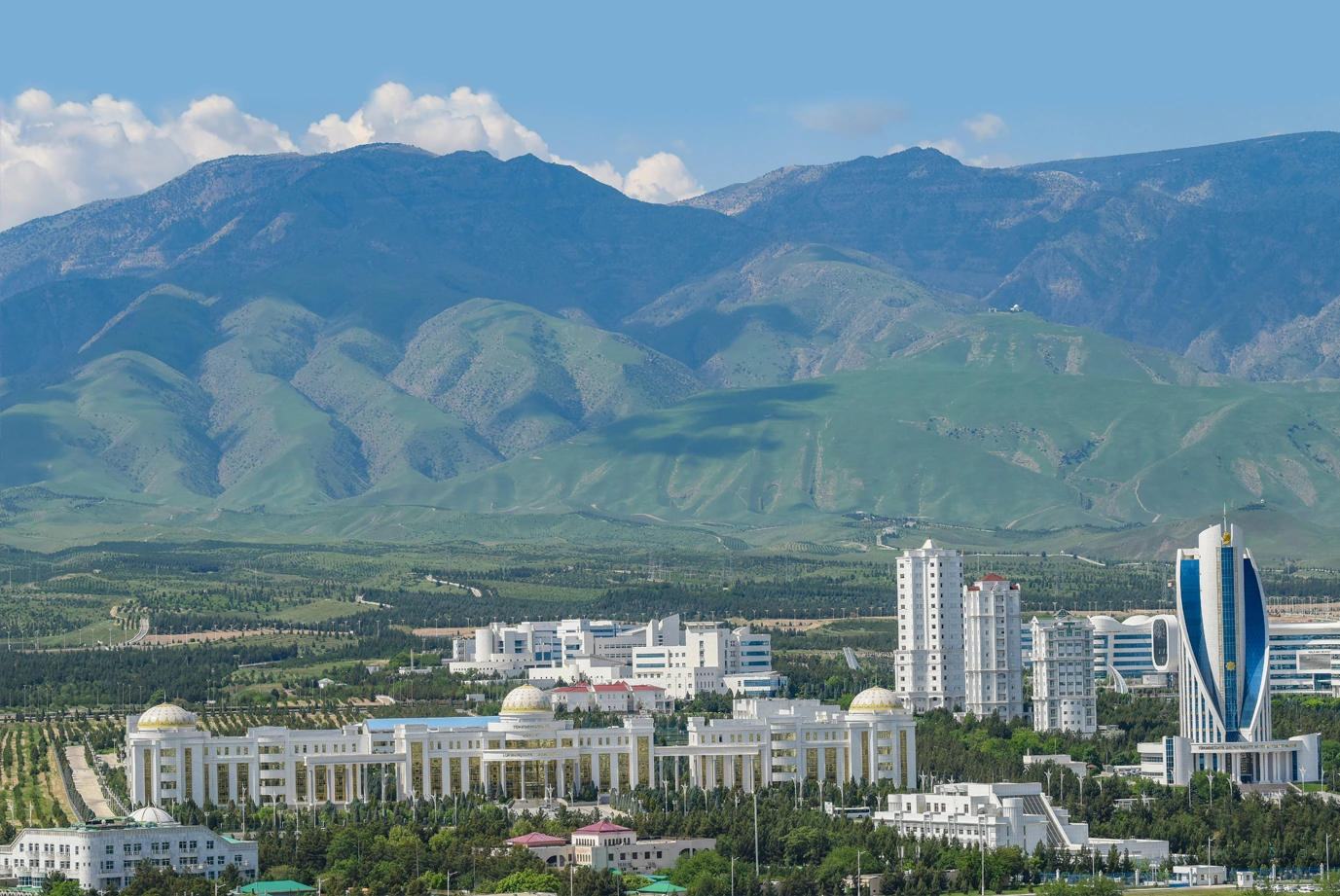
The handover comes shortly after Turkmenistan hosted the Third
UN Conference on Landlocked Developing Countries (LLDC3) in the
Avaza National Tourist Zone, where leaders, ministers and
international organizations adopted the Avaza Political Declaration
and the Avaza Programme of Action for the next decade. The
documents set priorities for improving transport connectivity,
trade facilitation, infrastructure development, digital
transformation and climate resilience across the world's 32
landlocked developing countries.
The Avaza conference, held from August 31 to September 2,
brought together representatives from more than 100 countries,
around 50 international organizations and private-sector
participants. Turkmenistan chaired the conference, while
Kyrgyzstan, as the acting chair of the LLDC Group at the time,
participated in shaping the agenda that is now moving into the
implementation phase.
By taking over the acting chairmanship of the LLDC Group,
Turkmenistan assumes a coordinating role at a time when landlocked
developing countries are seeking lower transit costs, stronger
transport corridors and greater integration into global trade under
the Avaza Programme of Action.
The development also aligns with Turkmenistan's recent emphasis
on transport connectivity. On September 2, Chairman of the
country's Halk Maslahaty (Parliament) Gurbanguly Berdimuhamedov
described building transport links between Asia and Europe as a key
national priority, saying the country was ready to use its
geographical position to expand transit corridors, strengthen the
Trans-Caspian route and develop logistics infrastructure as part of
its “Revival of the Great Silk Road” concept.
“Being at the strategic crossroads of Eurasian routes, our
country is ready to use the advantages of its geographical location
for the economic rapprochement of regions and continents, Asia and
Europe. And this is the most important cultural task of building
bridges of cooperation, mutual understanding and trust for the sake
of common prosperity,” he said.