BAKU, Azerbaijan, September
22. A working group was established within the
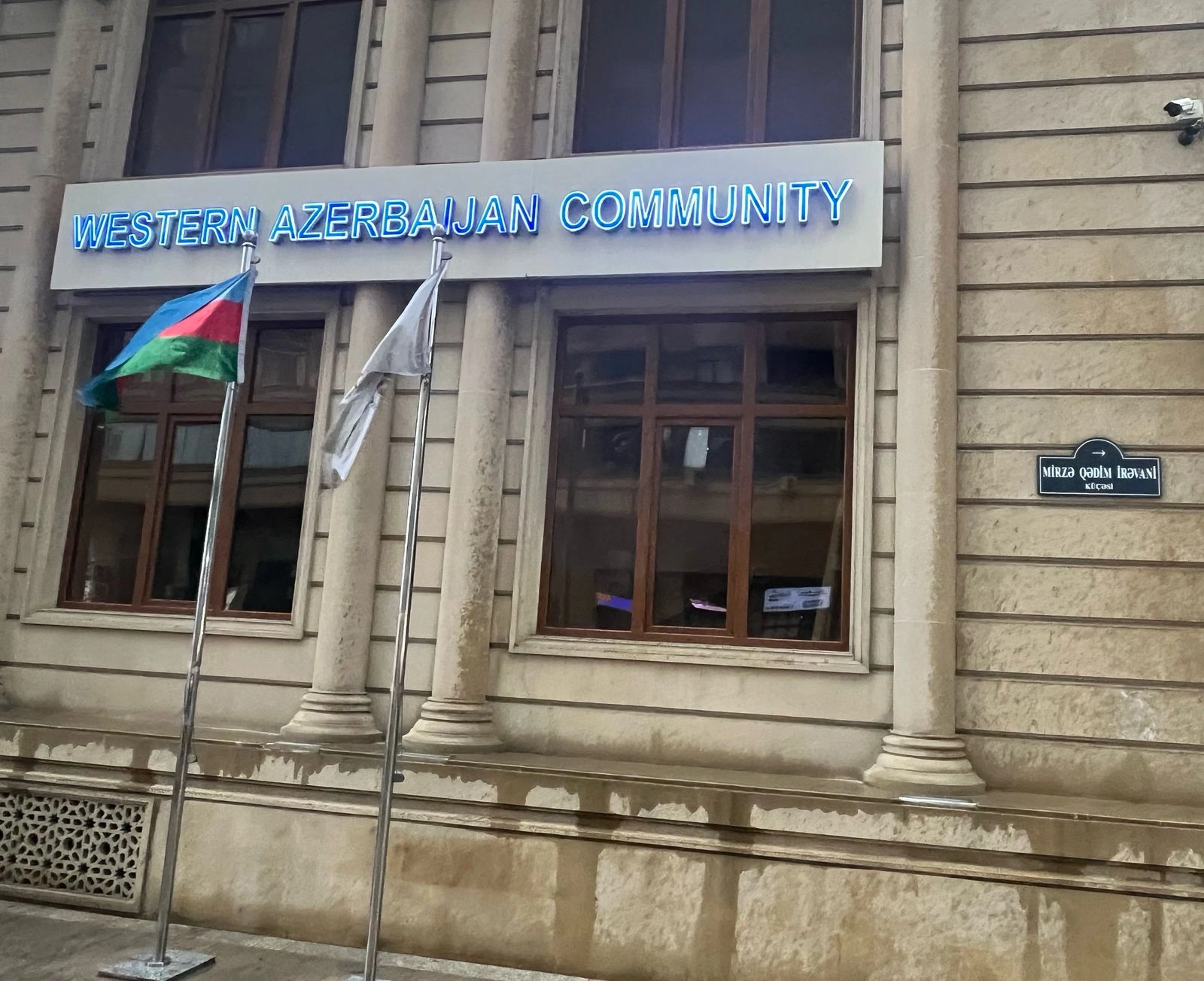
Western Azerbaijan Community to study the Albanian Christian
heritage located in the current Armenia, historical Zangezur,
Daralayaz, and the Goycha lake basin today.
According to the community, the group was formed to conduct
scholarly research—using archival documents and other primary
sources—into the history, architectural and epigraphic
characteristics, and origins of the churches, chapels,
cross-stones, and monasteries in the area.
A belief has prevailed in Azerbaijani academic circles that
documents pertaining to the Albanian Catholicosate from the 16th to
the 19th centuries were completely destroyed. While losses are
undeniable, numerous documents and sources concerning both the
Albanian Catholicoses and the religious and social history of that
era are preserved in the archives and manuscript collections of
various countries, and some have already been published. These
materials are scattered across different repositories; the working
group’s primary mission is to locate them through systematic
searching and consolidate them into a unified scholarly database.
Currently, the Western Azerbaijan Community already possesses
hundreds of documents on this subject.
The visit by foreign diplomats to the Ganjasar Monastery complex
this September demonstrated that cultural heritage has moved onto
the diplomatic agenda. The Western Azerbaijan Community regards the
multi-layered religious and cultural heritage within the territory
of present-day Armenia—including medieval monuments of Caucasian
Albania—as an integral part of its own heritage, as the successors
of the deported Azerbaijanis. In the international academic
community, this position can be substantiated only by facts
grounded in source material and by research subject to independent
verification. The research will also serve to document the
historical and cultural foundations for the safe and dignified
return of the deported population.