BAKU, Azerbaijan, September 23. Baku is
establishing a new platform for international dialogue on security
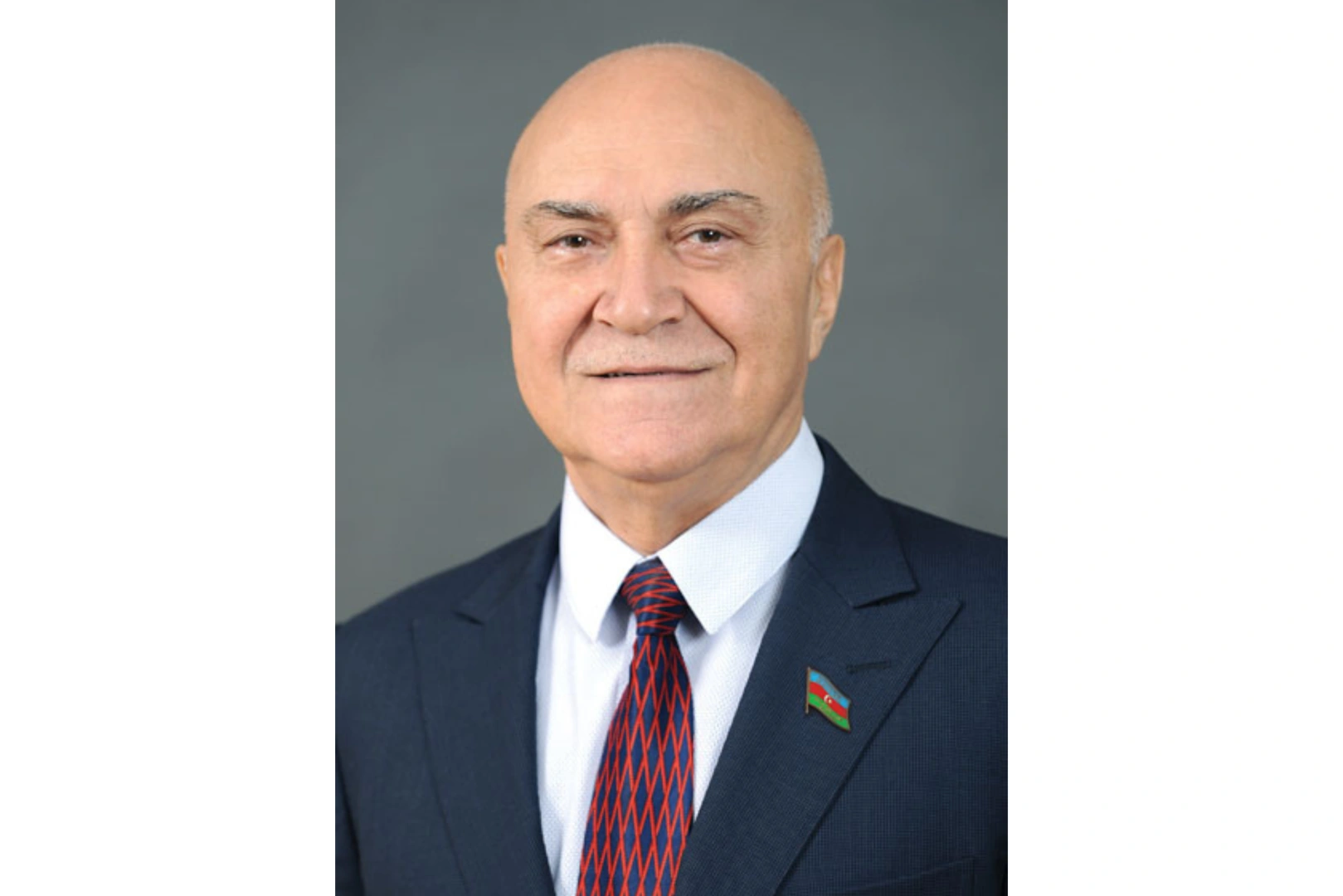
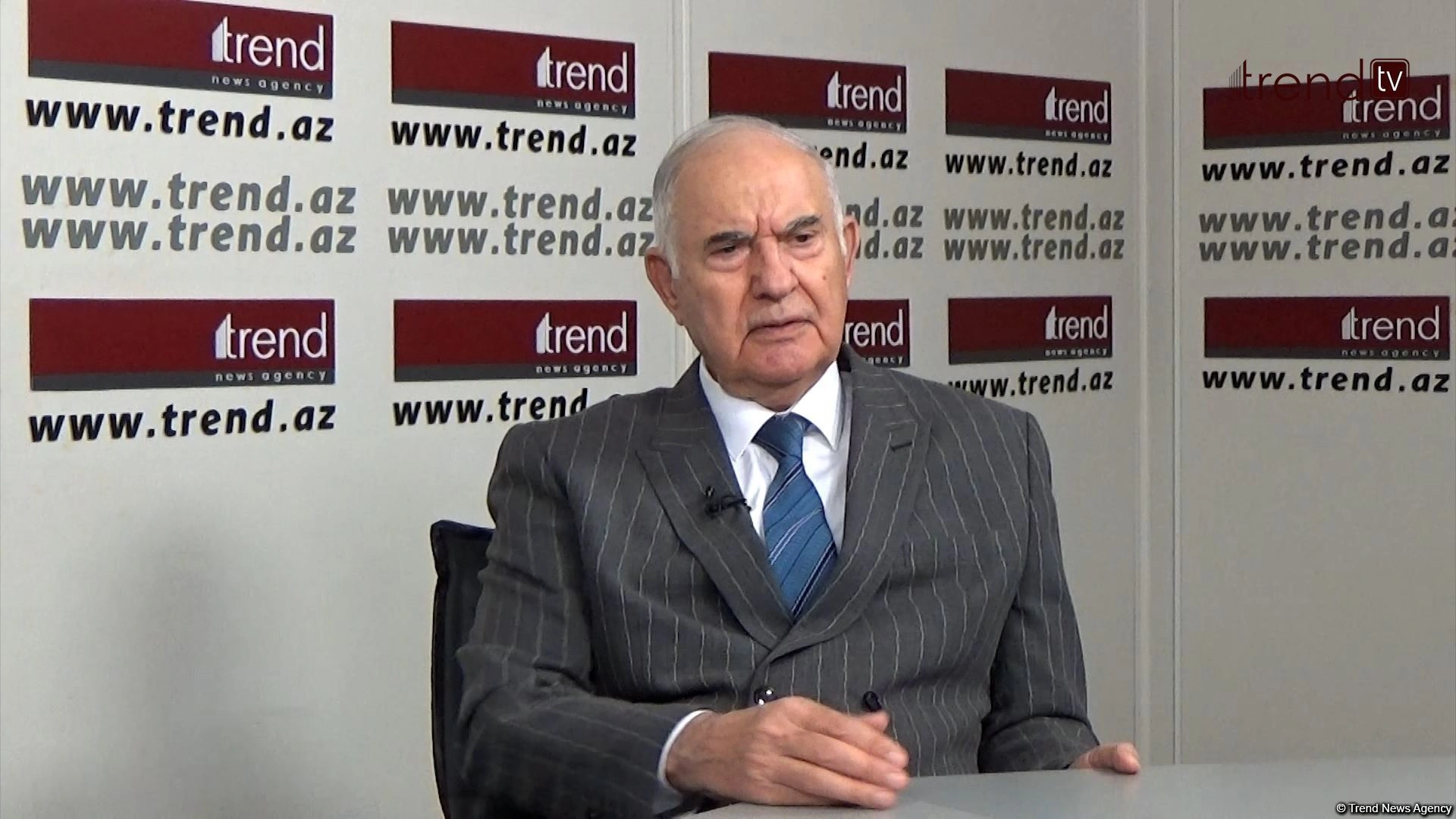
issues, political analyst Azer Garayev told Trend.
"The 4th Baku Security Forum, held in Baku, serves as a major
platform for discussing a wide range of issues on the international
security agenda. The event, organized by the State Security Service
of Azerbaijan, is attended by heads and high-ranking
representatives of security agencies from more than 100 countries,
as well as representatives of international organizations. In
total, about 600 high-ranking representatives have gathered in
Baku, which attests to the scale of the forum and the need for
dialogue on security issues. Thus, Baku is establishing a new
platform for international dialogue in the field of security," he
noted.
According to him, the forum’s main theme was also chosen for a
reason. The theme, “New Challenges in Global Security Architecture
and the Formation of Effective Cooperation Mechanisms Against
Terrorism,” reflects the fact that the problems states face today
are no longer confined to a single country or region. Terrorism,
transnational crime, illicit trafficking in drugs and weapons,
cybercrime, illegal migration, as well as the security risks posed
by new technologies, require closer cooperation among
countries.
“It is precisely from this perspective that holding such a forum
in Baku is of particular significance. The expanding geographic
reach of participants in this event, now in its fourth iteration,
demonstrates that the forum is establishing itself as a sustainable
platform. Above all, bringing together the heads of special
services and law enforcement agencies from various countries in one
place creates opportunities for direct professional dialogue. This
involves not only presentations but also comparing the security
experiences of different countries, discussing existing challenges,
and identifying potential areas for cooperation,” Garayev
emphasized.
In his address to the forum participants, President Ilham Aliyev
emphasized: “The year-by-year expansion of the Forum’s geographical
reach, along with the growing relevance of the issues under
discussion, is a testament to the increasing international
significance of the Baku platform.” This observation highlights one
of the key features of the forum’s current scale. The broad
geographic representation of participants creates conditions for
discussing security issues in various regions on a single platform,
as well as for developing direct ties between countries,” he
said.
Garayev noted that one of the highlights demonstrating the scale
and importance of the forum was the participation of Kristine
Grigoryan, head of Armenia’s Foreign Intelligence Service.
“At a time when the peace process between Azerbaijan and Armenia
is ongoing, the participation of a high-ranking representative of
Armenia’s security agencies in such an international event in Baku
is of particular significance.” “This fact demonstrates that the
forum has become a platform that creates opportunities not only for
professional ties between the intelligence services of different
countries, but also for discussing security issues and cooperation
in the region,” the political analyst said.
According to him, another important aspect of the forum is the
discussion of the evolving nature of the security concept.
“Today, security is not limited to the protection of national
borders. Energy and food security, transportation and communication
networks, the banking system, the information space, and critical
infrastructure are also directly linked to the stability of states.
A crisis in one part of the world can quickly affect other regions.
Therefore, it is becoming increasingly important to address various
threats not in isolation, but as interconnected processes.
Another point in President Ilham Aliyev’s speech underscores
this. President Ilham Aliyev emphasized that ‘The concept of
security is no longer confined within the borders of individual
states.’ This approach also explains the essence of the forum’s
agenda. Cybercrime and terrorist networks, financial channels, and
information technologies can operate regardless of national
borders. Therefore, the rapid exchange of information and
coordination among security agencies is no longer an optional extra
but a real necessity,” he said.
The political scientist emphasized that the rapid development of
artificial intelligence and other modern technologies is raising
new issues on the security agenda.
“On the one hand, these technologies expand states’ capabilities
in the field of security, but on the other hand, they can be
misused by terrorist and criminal networks. Discussing such issues
at the forum allows for an exchange of views not only on the
consequences of these threats but also on the mechanisms by which
they arise,” Garayev said.
According to him, bringing together representatives of law
enforcement agencies from different regions on a single platform
creates an additional opportunity to identify common challenges,
exchange experiences, and build relationships. The Baku Security
Forum, which has been held since 2023, is already establishing a
permanent framework for this dialogue.
“The key significance of the 4th Baku Security Forum lies
precisely in the alignment of its scale and substance. In an era
when global risks are increasingly interconnected, such platforms
provide countries with the opportunity to jointly assess common
threats and expand opportunities for practical cooperation. In this
process, Baku is strengthening its position not only as the host
city but also as a platform that brings together various security
agencies and facilitates direct dialogue on the global agenda. The
forum’s expanding geographical reach year after year also indicates
that this role has already become a permanent feature,” the
political analyst added.