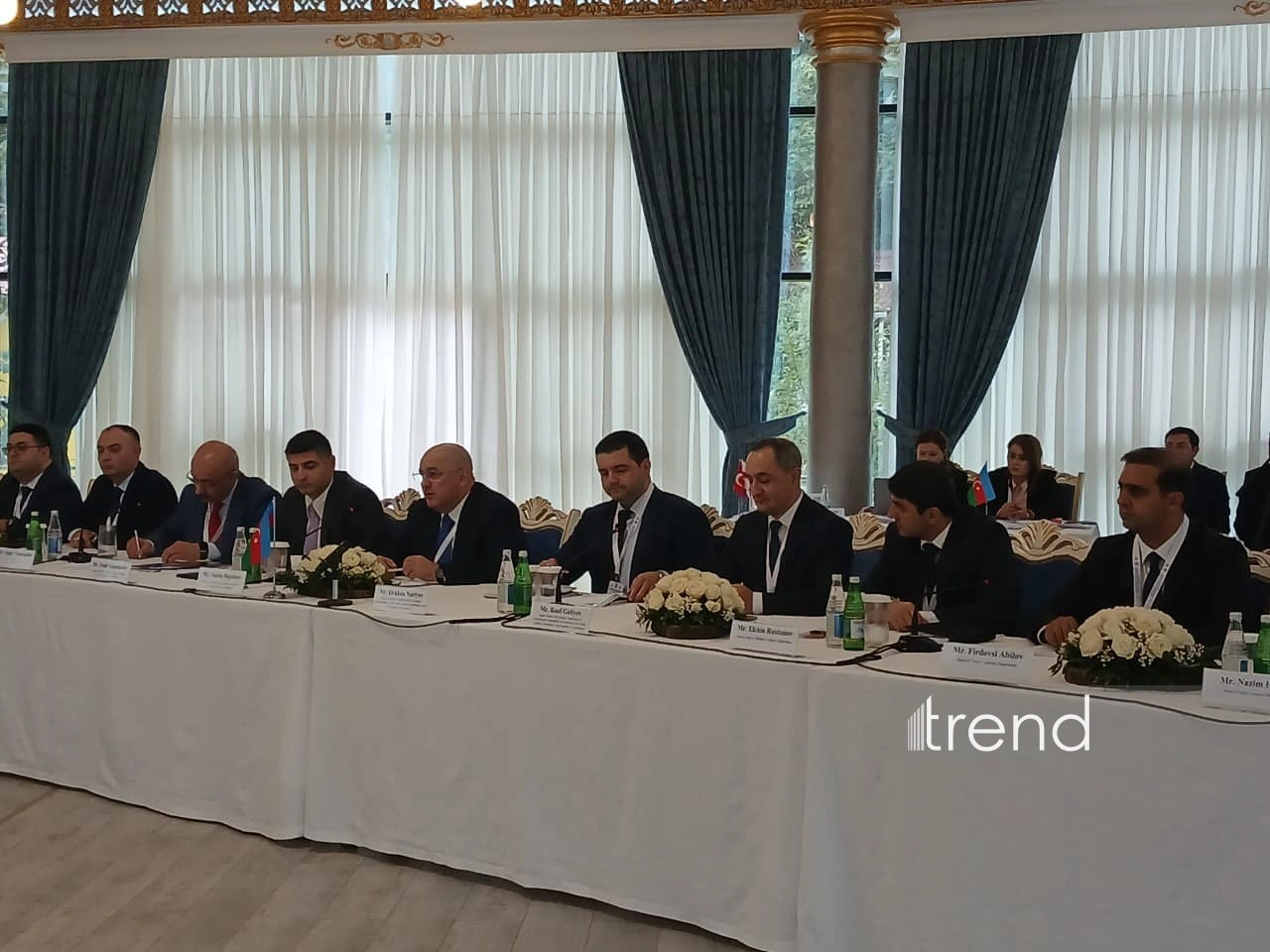
GOYGOL, Azerbaijan, September
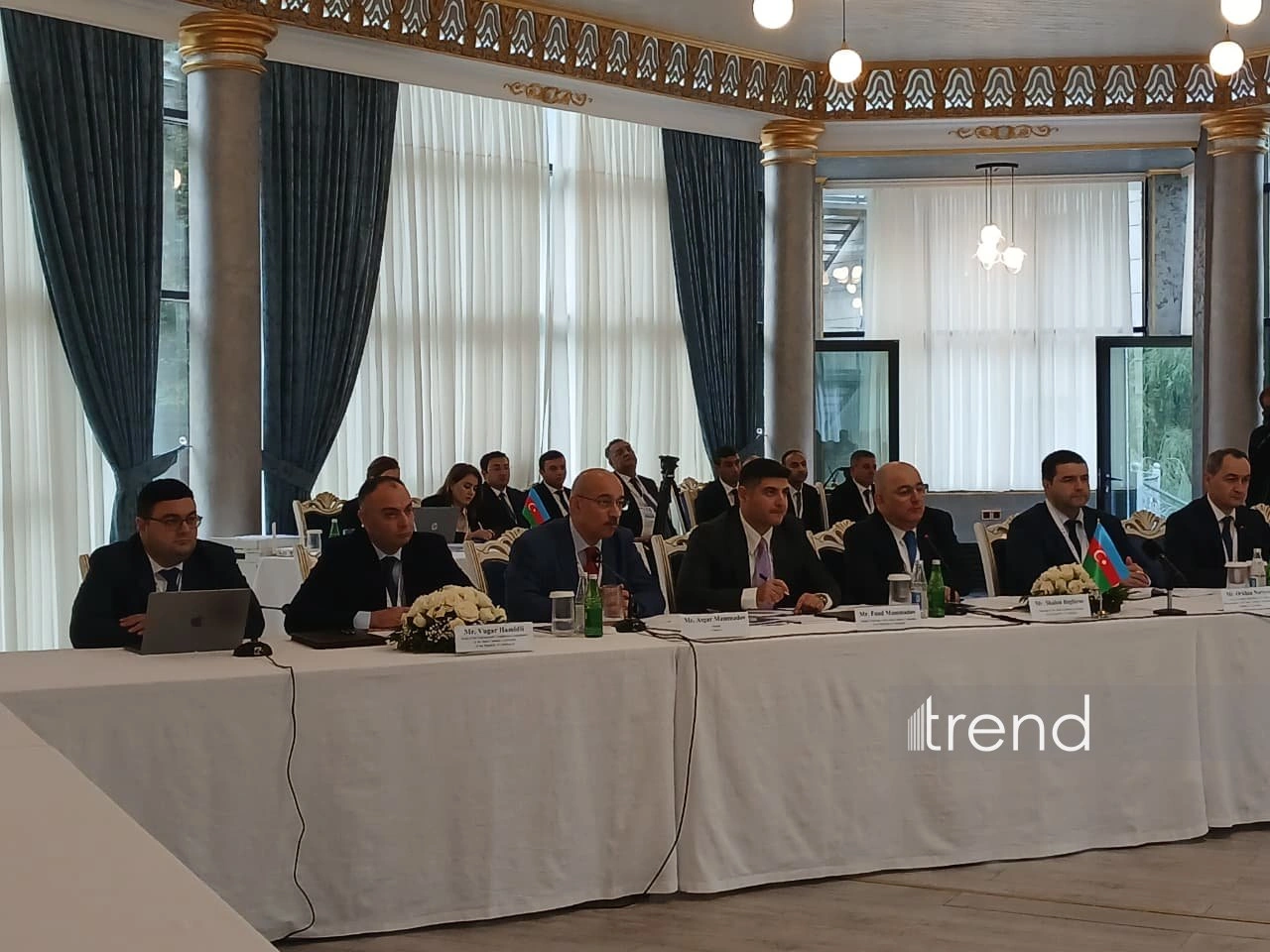
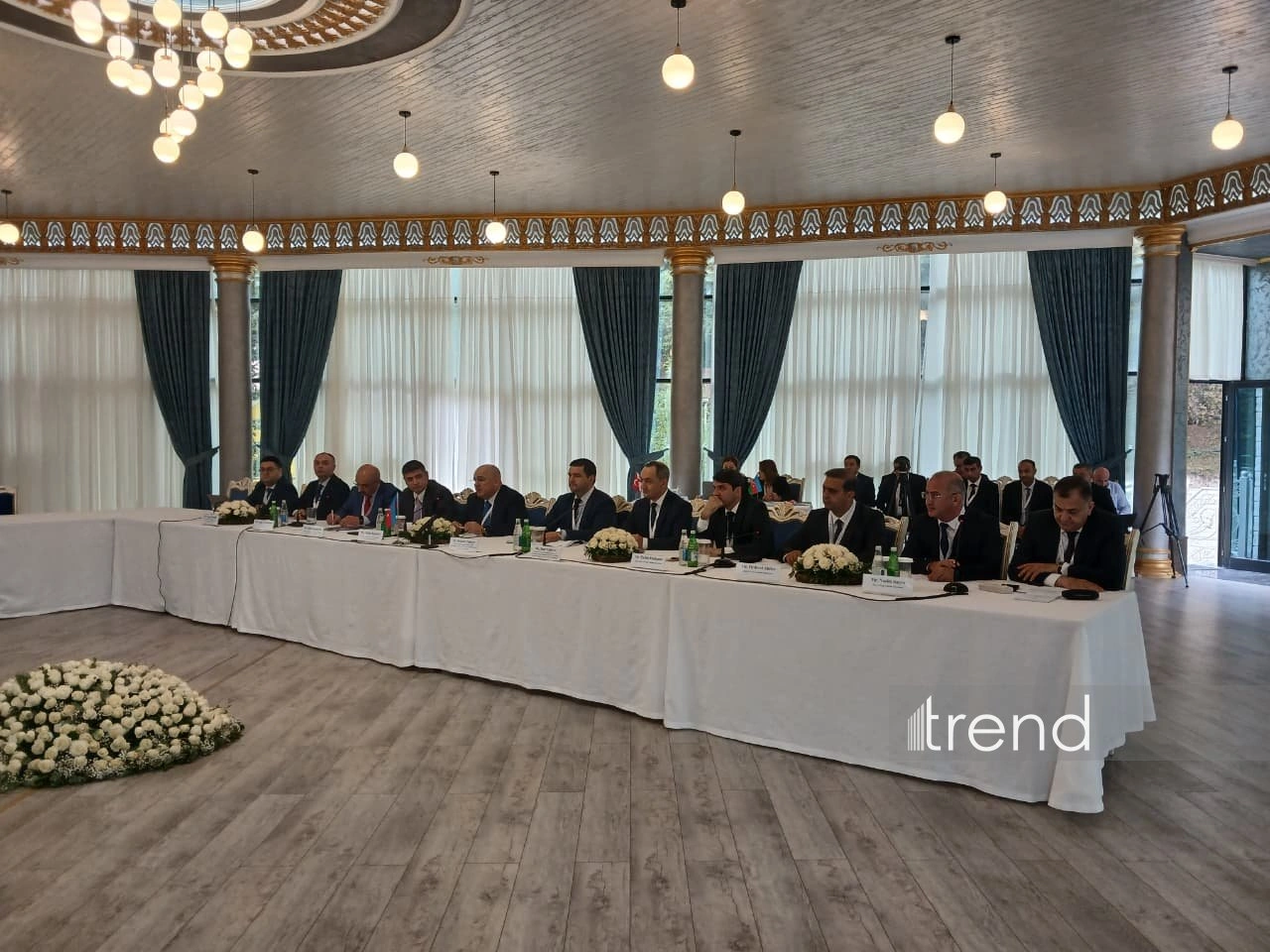
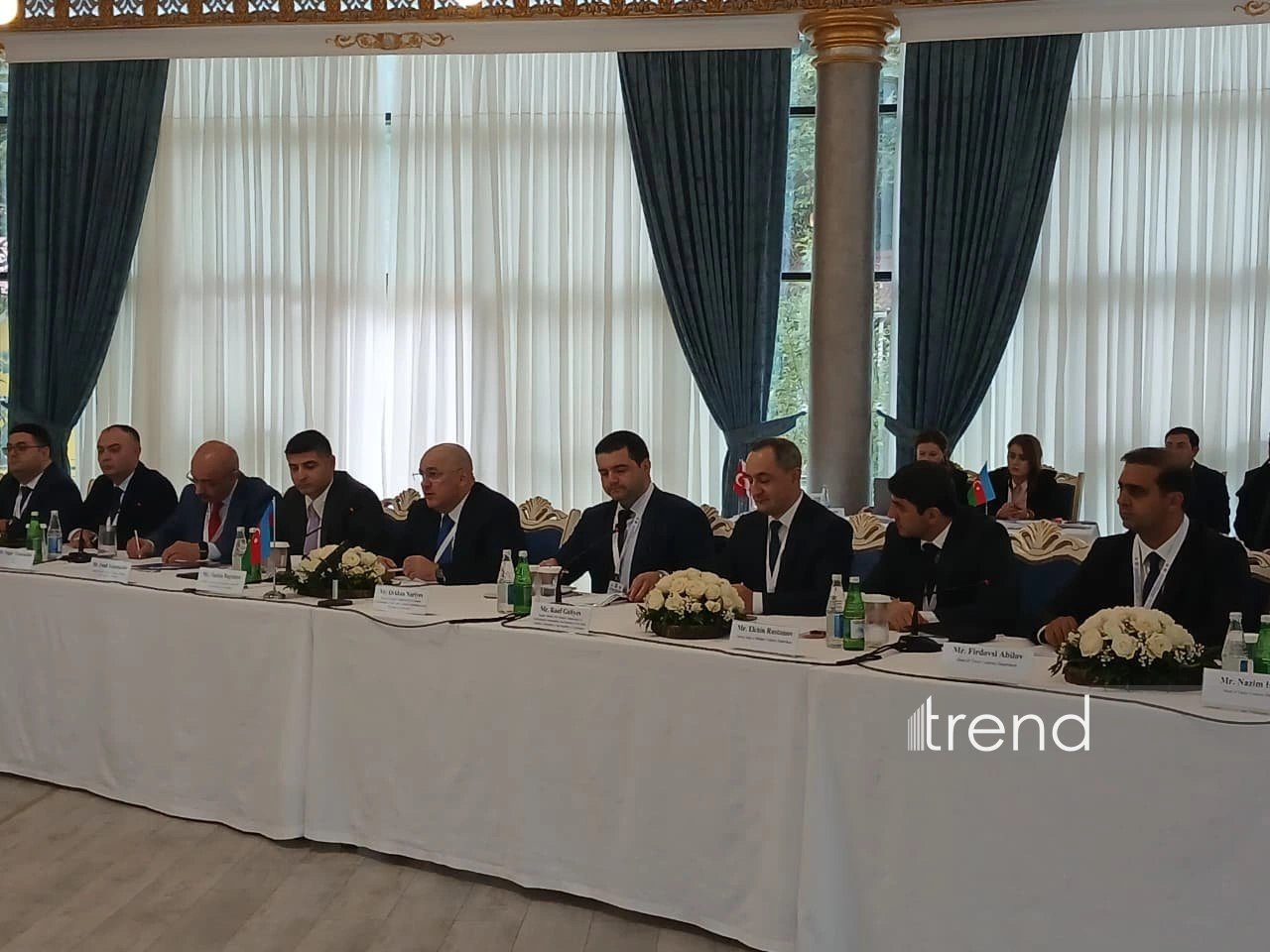
28. Azerbaijan, Türkiye, and Georgia discussed
customs issues at the fifth meeting of the Trilateral Committee on
Customs Issues, held in the Goygol district on September 28,
Trend's Karabakh
bureau reports.
The event participants first visited the monument to National
Leader Heydar Aliyev in Goygol and laid flowers at the
monument.
The meeting was attended by delegations led by the Chairman of
the State Customs Committee of Azerbaijan, Colonel-General of the
Customs Service Shahin Baghirov, Deputy Minister of Trade of
Türkiye Sezai Uçarmak, and Head of the Revenue Service of Georgia,
Deputy Minister of Finance Mamuka Baratashvili.
The current state and future prospects of cooperation among the
customs services of the three countries were discussed at the
meeting. The implementation status of agreements reached during
previous meetings was reviewed, and measures to be taken in the
next stage were outlined. During the discussions, special attention
was paid to optimizing customs procedures along the Middle
Corridor, accelerating transit operations, and expanding
information exchange among customs services.
Views were also exchanged regarding the facilitation of transit
operations, the acceleration of border-crossing processes, and the
strengthening of practical cooperation among customs services
within the framework of the Baku-Tbilisi-Kars railway project.
The parties also discussed the harmonization of transit customs
procedures, the improvement of the exchange of advance electronic
information, risk management, and the expansion of cooperation in
combating customs violations.
At the conclusion of the meeting, a protocol reflecting the
agreements reached was signed.
The 6th meeting of the Joint Committee on Customs Matters
between the State Customs Committee of Azerbaijan and the Ministry
of Trade of Türkiye was also held as part of the event.
Discussions at the meeting focused on the implementation of the
New Computerized Transit System (NCTS), the simplification of
customs procedures, the development of TIR and e-TIR mechanisms,
and the acceleration of cargo vehicle transit and increased
throughput capacity at border crossing points.
Furthermore, the parties reviewed opportunities to expand
cooperation and conduct joint operations and training in areas such
as combating customs violations, information exchange, Authorized
Economic Operator (AEO) status, customs statistics, and risk
management.
At the end of the meeting, a protocol reflecting the issues
discussed and the agreements reached was signed.