BAKU, Azerbaijan, October 5. Kazakhstan’s
Energy Ministry and Dunga Operating GmbH signed today an agreement
to settle disputed issues under the Production Sharing Agreement
(PSA) for the Dunga oil field, according to the ministry.
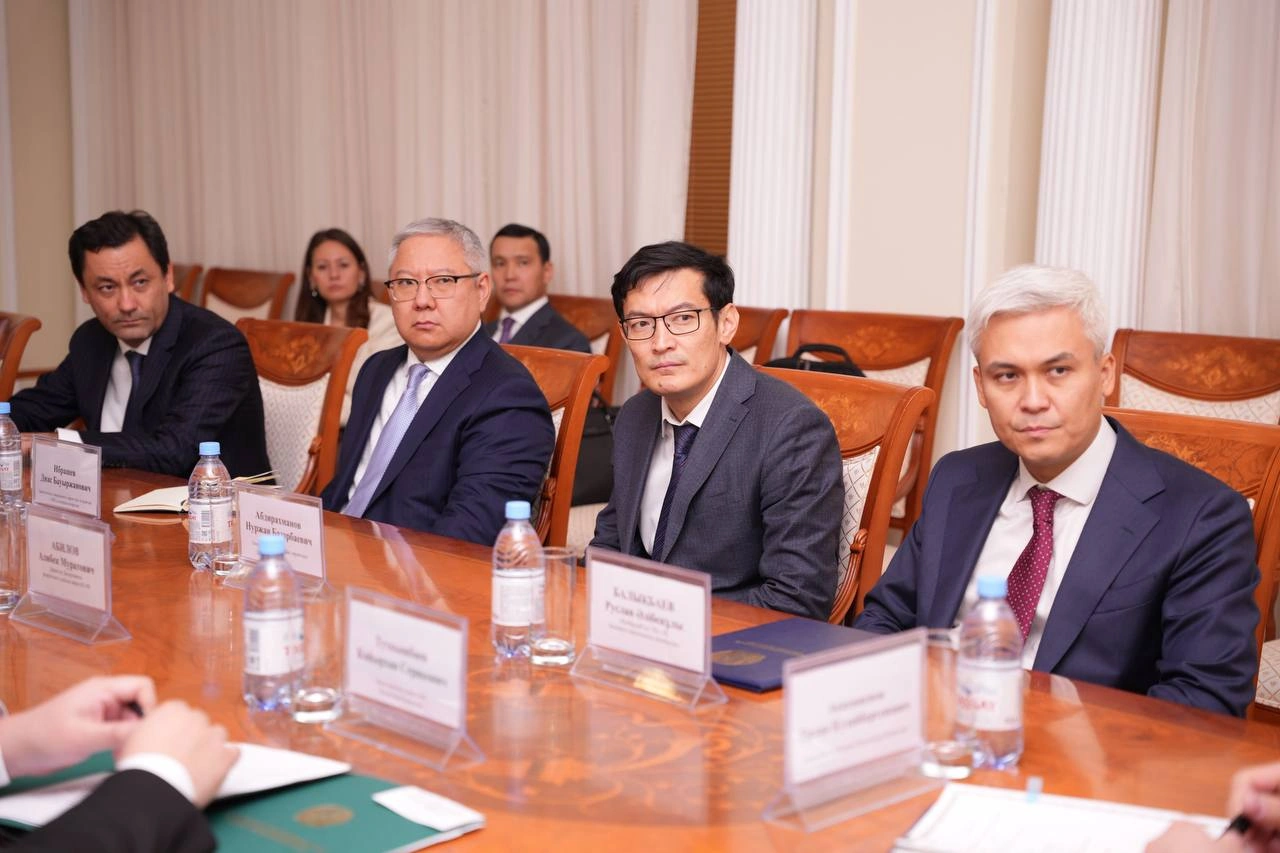
The agreement was signed in Astana by Kazakhstan’s Minister of
Energy Erlan Akkenzhenov and Dunga Operating GmbH CEO Nurzhan
Abdirakhmanov, with the participation of representatives of PSA,
the authorized body, and KazMunayGas NC JSC.
The agreement will subsequently be sent to the consortium’s
foreign partners, Oman Oil Company Limited and PTTEP Corporation,
for signing.
The agreement puts a final end to long-standing disagreements
between the parties over the recoverability of certain historical
costs incurred by the Contractor.
The agreements reached provide for the payment of an agreed
financial compensation to Kazakhstan, as well as the creation of
conditions for continued large-scale investment in the development
of the asset.
The settlement of the dispute will allow the parties to proceed
with the practical implementation of a new Field Development Plan
for 2026–2039.
The plan envisages the production of 67.4 million barrels of oil
and the attraction of substantial capital and operating
investments.
“The Dunga field has high potential and is of strategic
importance to the country’s energy sector. The development of the
project was hindered for a long time by accumulated disputes over
non-recoverable costs. The agreements reached make it possible to
protect the economic interests of the state without lengthy court
proceedings and pave the way for a new investment cycle. The
signing of the agreement will serve as the basis for the rational
and long-term development of the subsoil, with tangible returns for
our economy,” Kazakhstan’s Energy Minister Erlan Akkenzhenov
said.
According to the ministry, the consensus reached confirms
Kazakhstan’s commitment to maintaining a stable and predictable
investment climate.
"The Kazakh side has consistently advocated open dialogue that
makes it possible to find mutually acceptable solutions while
taking into account national priorities and the interests of
international partners that have been operating in the country
since 1994", the ministry states.