BAKU, Azerbaijan, October 5. Turkmenistan has
identified oil and gas processing, chemicals, transport
infrastructure, and transit as key areas for attracting foreign
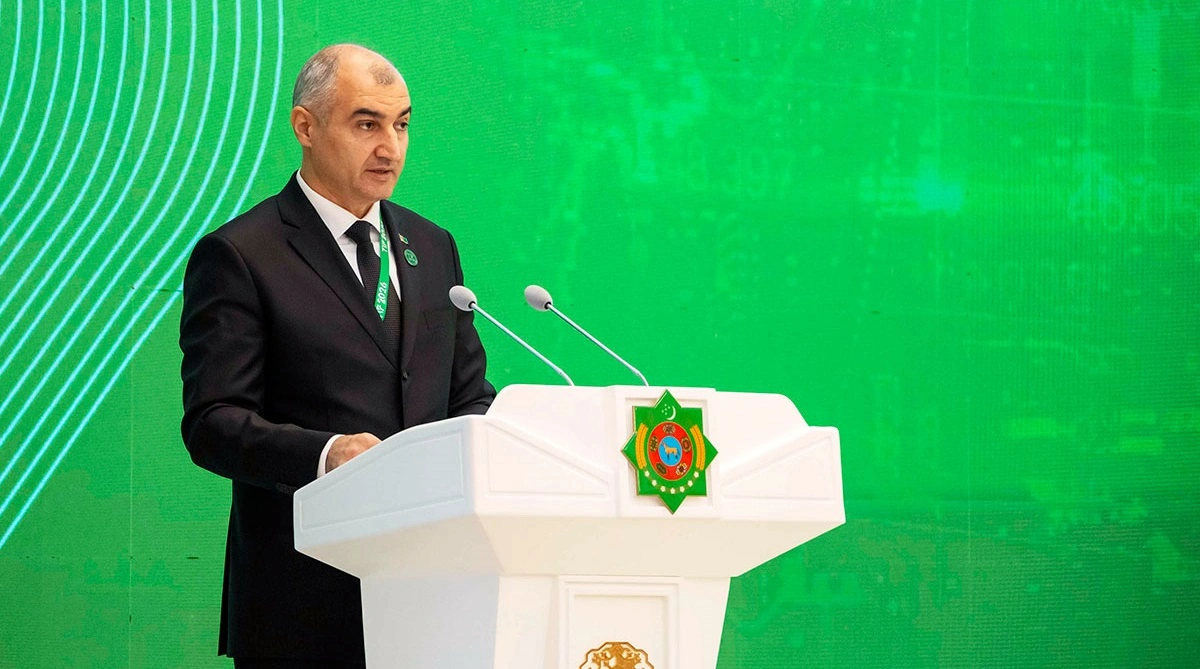
investment, the country’s Deputy Foreign Minister Ahmet Gurbanov
said at the Turkmenistan Investment Forum TIF 2026 in Ashgabat.
According to the Turkmen government press service, in the course
of the Forum, Gurbanov stated that investment is becoming a key
driver of economic growth as the global economy adapts to
structural changes in energy, logistics and production chains.
“In conditions when the global economy continues to adapt to
structural changes in energy, logistics and production chains, a
sustainable inflow of investment is becoming a decisive condition
for modernizing national economies, creating new jobs and improving
people’s well-being,” Gurbanov said.
He said Turkmenistan is consistently improving its investment
climate, including through updates to legislation covering investor
rights, tax and customs regulation, and public-private
partnerships.
The country is also expanding opportunities for foreign capital
in free economic zones. Gurbanov cited the Avaza National Tourist
Zone on the Caspian coast as one of the key examples, noting its
development as a regional center for tourism, business activity and
logistics.
Among the largest initiatives with international significance,
Gurbanov highlighted the Turkmenistan-Afghanistan-Pakistan-India
(TAPI) gas pipeline and the development of the International
Turkmenbashi Seaport.
According to the deputy foreign minister, the implementation and
utilization of the potential of these projects demonstrate
Turkmenistan’s drive for deeper integration into global and
regional energy and logistics systems.
Gurbanov also stressed that attracting investment is linked to
the country’s social and economic development priorities.
“Investment attraction for Turkmenistan is not an end in itself,
but an instrument of sustainable development in the interests of
people. Funds invested in infrastructure, industry and the social
sphere directly contribute to improving citizens’ quality of life,
creating new jobs, developing small and medium-sized businesses and
forming a modern, competitive economy,” he said.
He added that Turkmenistan’s Foreign Ministry would continue
supporting business and investment cooperation, contacts between
business communities and the creation of favorable conditions for
joint initiatives.