BAKU, Azerbaijan, October 8. The International
Road Transport Union (IRU), with financial support from the
European Union, is implementing the Modernising Road Transport
program in Central Asian countries and other regions.
According to information published on the IRU website, the
program focuses on professionalizing the road transport sector,
harmonizing regulations, introducing digital transport documents,
improving border procedures and ensuring compliance with TIR
requirements in Central Asia and other regions.
“The success of the Middle Corridor will depend not only on
financial investment, but also on how effectively countries,
government authorities and the industry work together,” the
publication said.
IRU added that reform issues will be the main focus of the
IRU-UN-OHRLLS event scheduled for Oct. 14 in Astana.
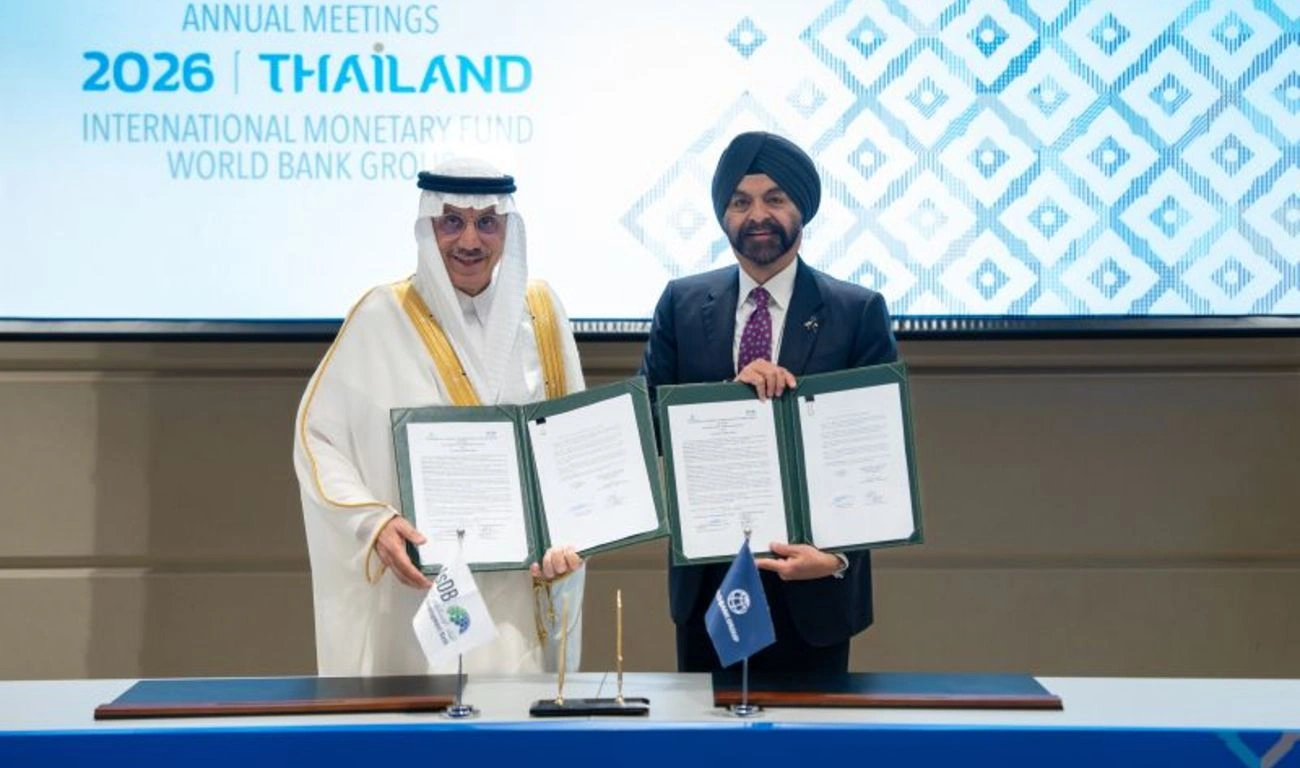
According to a World Bank report, targeted investments and
reforms could quadruple trade volumes along the Middle Corridor,
cut transport times by two-thirds, increase regional GDP by 3.3%
and create 2 million jobs by 2040.
“Realizing this potential will require at least $25 billion in
investment in physical infrastructure, as well as around $30
billion in so-called complementary investments, including road and
rail links, logistics centers, inland terminals, equipment and
digital systems.
The World Bank also identified operational and
non-infrastructure measures as one of the corridor’s key remaining
challenges. Border delays need to be reduced, documentation
simplified, cross-border cooperation strengthened, and a unified
digital corridor system for transport, transit and trade data
introduced,” the publication said.
IRU stressed that time lost at borders remains one of the main
obstacles to improving the competitiveness of the Middle Corridor.
It said that streamlining procedures and strengthening cooperation
should progress in parallel with infrastructure investment.
The new World Bank report also highlights the importance of
professional and efficient road transport services connecting the
corridor with local economies, including first- and last-mile
transportation.
IRU also noted updated IRU and World Bank recommendations on
road transport reform, which offer governments practical mechanisms
to modernize the sector and cover market access, professional
training and certification, international standards, enforcement
and regulatory reform.
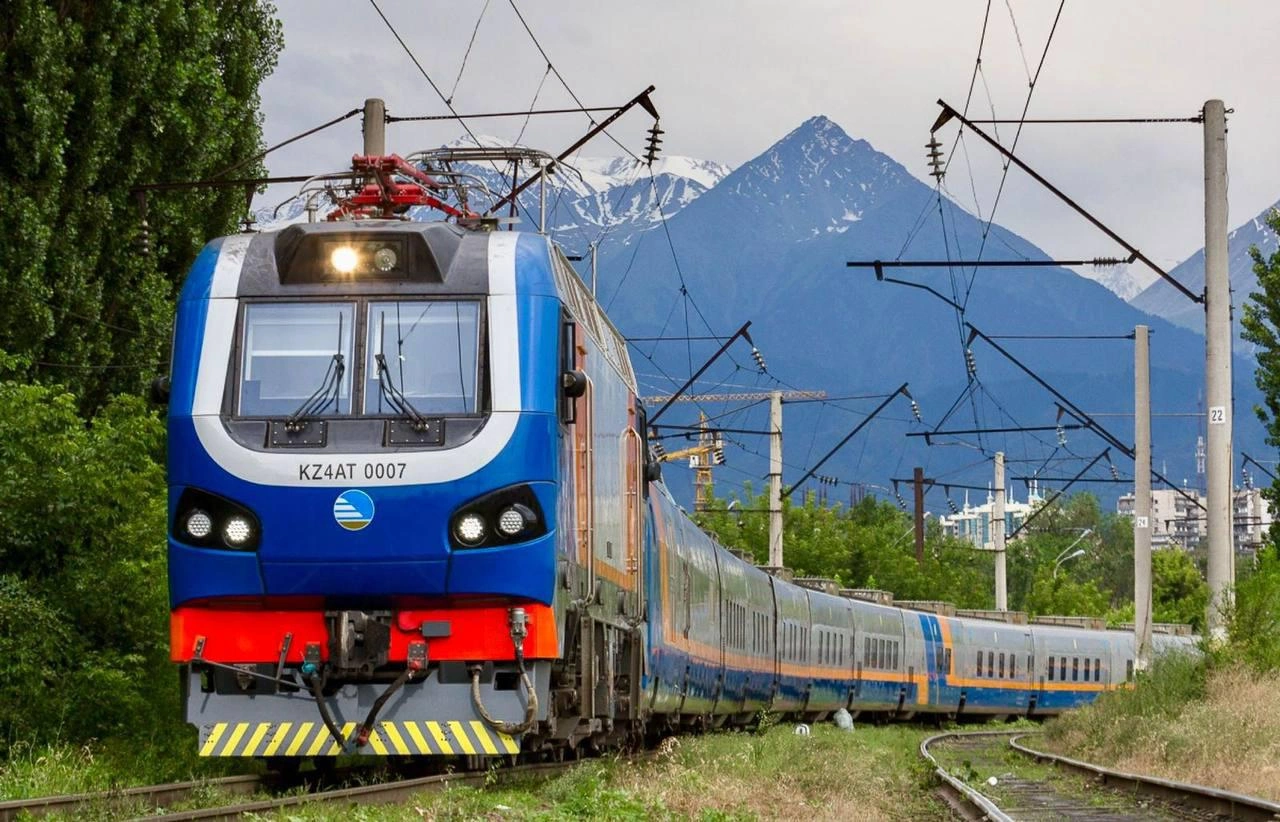
The Middle Corridor is a transport and trade route connecting
Asia with Europe. It starts in China, passes through Central Asian
countries, crosses the Caspian Sea and reaches Europe via
Azerbaijan, Georgia and Türkiye. The corridor is viewed as an
alternative to the traditional Northern and Southern routes,
connecting eastern parts of Asia, including China, with European
markets.