BAKU, Azerbaijan, October 13. Uzbekistan plans
to introduce a special environmental regime for greenhouses in
Tashkent and five surrounding districts, requiring operators to
adopt cleaner heating technologies and offering subsidies of up to
50 million soums (about $4.200) per hectare and preferential loans
of up to 3 billion soums (around $252.400) to support the
transition, following a presentation reviewed by President Shavkat
Mirziyoyev.
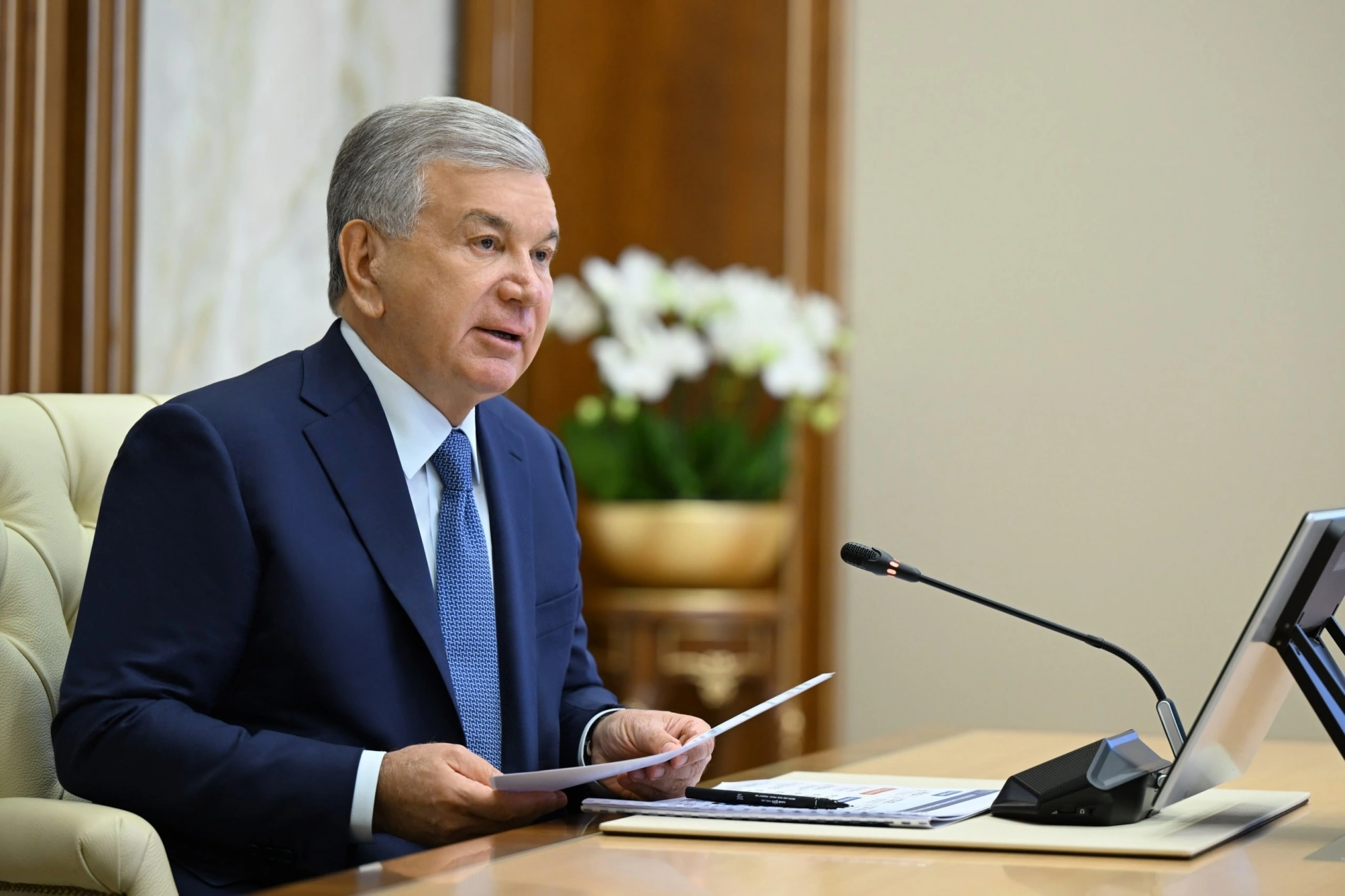
This was reflected in the statement by the press service of the
Uzbek president, following a presentation on introducing green
technologies into greenhouse operations and reducing their
environmental impact.
An inventory of greenhouses in Tashkent and surrounding areas
was conducted last year, and a special commission helped some
operators switch to cleaner energy sources. However, some
facilities continue to use coal.
During the fall and winter, weaker winds and temperature
inversions can cause emissions from greenhouse operations to
accumulate in the capital and nearby areas, worsening air
quality.
Under the proposed environmental regime, greenhouses would be
permitted to use natural gas, electricity, geothermal and solar
energy, as well as waste heat from thermal power plants. Burning
tires, plastics, bitumen, fuel oil, used oils and waste would be
prohibited.
Greenhouses currently using solid fuels would be required to
switch to the approved energy sources by December 1, 2026.
Exceptions could be granted to facilities that meet strict
technical requirements, including enclosed fuel storage, automated
boilers, effective dust and gas filtration equipment, backup
generators, safe ash and slag collection, and chimneys that meet
established height standards.
Continuous environmental monitoring is planned from October 15,
2026, through March 15, 2027. Authorities would monitor emissions,
the operation of filtration equipment and compliance with fuel
requirements. Data from measuring instruments and video
surveillance systems would be transmitted in real time to the
information system of Uzbekistan’s National Committee on Ecology.
Drones and members of the public would also participate in
monitoring.
Greenhouses found operating without filtration equipment,
exceeding permitted emission limits, or using prohibited fuels
would face enforcement measures. Authorities could suspend
operations where necessary.
To help operators comply with the new requirements, the
government has proposed subsidies of up to 50 million soums (about
$4.200) per hectare for environmentally friendly and
energy-efficient equipment, along with preferential loans of up to
3 billion soums (around $252.400) for seven years. Additional
support would help reduce the costs of purchasing and installing
environmental monitoring equipment.