BAKU, Azerbaijan, October 19. Uzbekistan
allocated 156.6 billion soums (about $12.9 million) in compensation
payments to more than 470,000 families in 2025 and the first nine
months of 2026 to help households cover electricity and natural gas
costs during energy tariff reforms, according to information
presented at a meeting in Tashkent on October 15.
This was reflected in the statement by the Uzbekistan's National
Agency for Energy Efficiency.
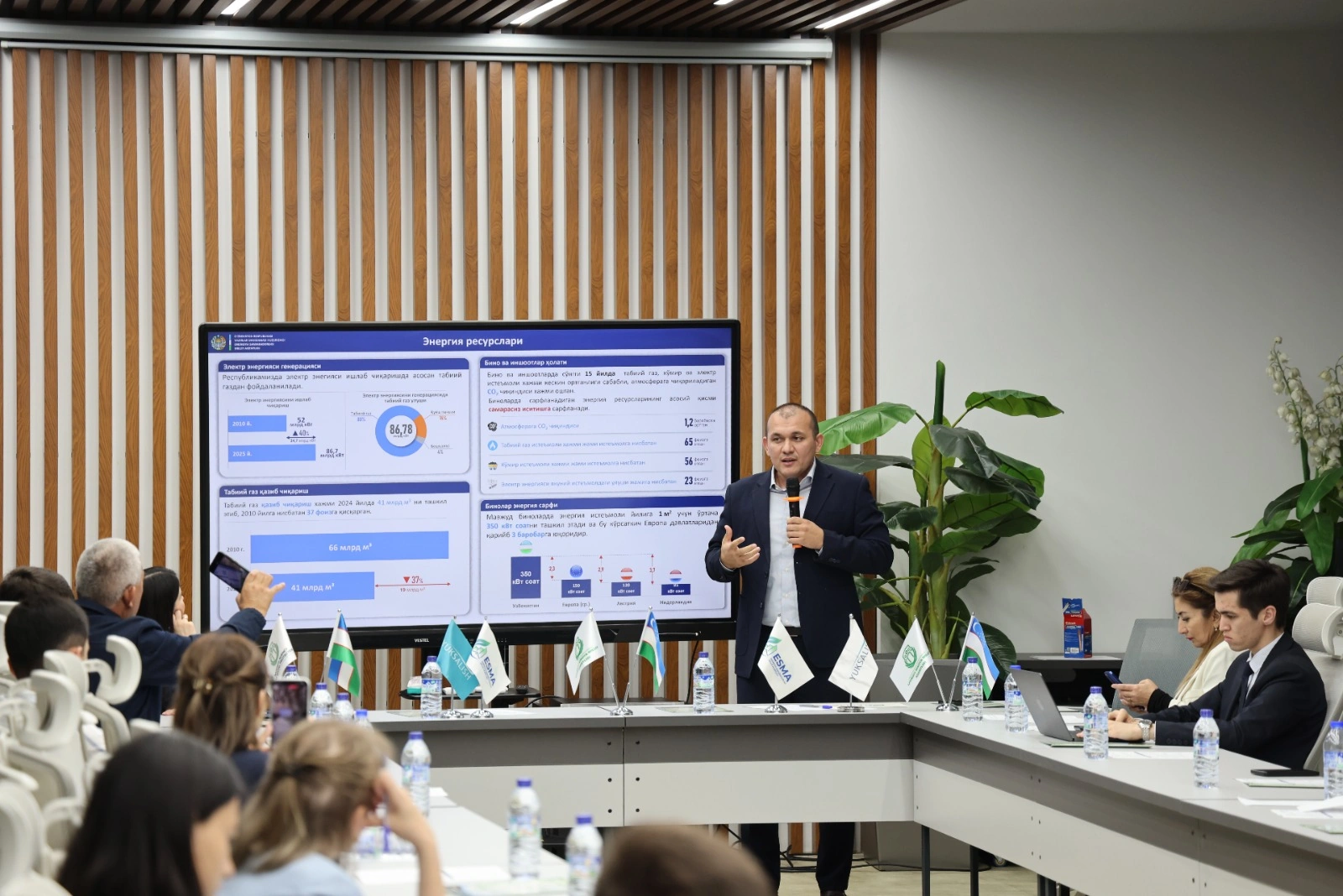
The event, held on October 15, focused on social protection
measures and energy efficiency under the World Bank’s Innovative
Carbon Resource Application for Energy Transition (iCRAFT) project,
which supports energy sector reforms in Uzbekistan.
The session was organized in cooperation with the Center of
Green Economy Projects under the Ministry of Economy and Finance,
the National Agency for Social Protection, the National Agency for
Energy Efficiency and the Yuksalish Movement. Government officials,
nongovernmental organizations, businesses and media representatives
attended.
Madina Azizova, chief specialist at the National Agency for
Social Protection, outlined existing compensation mechanisms and
proposals to expand assistance for vulnerable households.
Under the current arrangements, eligible families can receive
monthly compensation of up to 37,500 soums (around $3,10) for
electricity and between 135,000 (approx. $11,18 ) and 225,000 soums
(about $18,63) for natural gas, depending on the season.
Participants also discussed proposed measures for the 2026–2027
autumn and winter season. These include a one-time payment of 1
million soums (around $82,79) to each of 1.017 million families,
raising the income eligibility threshold for compensation from 1.5
times to twice the minimum consumer expenditure level, and
extending social assistance to an additional 166,000 families.
Other proposals include extending electricity and natural gas
compensation through April 1, 2028, covering costs associated with
coal and liquefied gas purchases, and increasing the baseline
electricity consumption allowance from 200 to 350 kilowatt-hours
during the heating season in areas with limited or no access to
natural gas.
Obid Ahmedov, head of department at the National Agency for
Energy Efficiency, presented existing financial incentives for
households and businesses adopting energy-efficient
technologies.
Under current support programs, households can receive full
reimbursement for residential energy audits, compensation for 20%
of solar panel costs and up to 40% of heat pump costs. Businesses
can also access financial incentives for renewable energy
technologies and energy audits.
Shohijahon Xurramzoda, head of division on the iCRAFT project
team, highlighted the importance of cooperation among government
agencies, civil society and other stakeholders in implementing
social support and energy efficiency measures.
Participants also raised practical challenges in accessing
assistance and discussed ways to improve public awareness of
available programs.
The session underscored the importance of balancing energy
sector reforms with targeted social assistance while expanding
household access to energy-efficient technologies.