BAKU, Azerbaijan, October 22. Kyrgyzstan held
the 15th Plenary Session of the Parliamentary Assembly of Turkic
States (TURKPA) on October 20, with the chairmanship of the
organization passing from Kazakhstan to Kyrgyzstan. The new
chairmanship under the leadership of Marlen Mamataliev, Speaker of
the Jogorku Kenesh (Parliament) of Kyrgyzstan, creates additional
opportunities to advance regional initiatives in trade, transport,
energy and digitalization, as well as strengthen economic ties
between Central Asia and the South Caucasus.
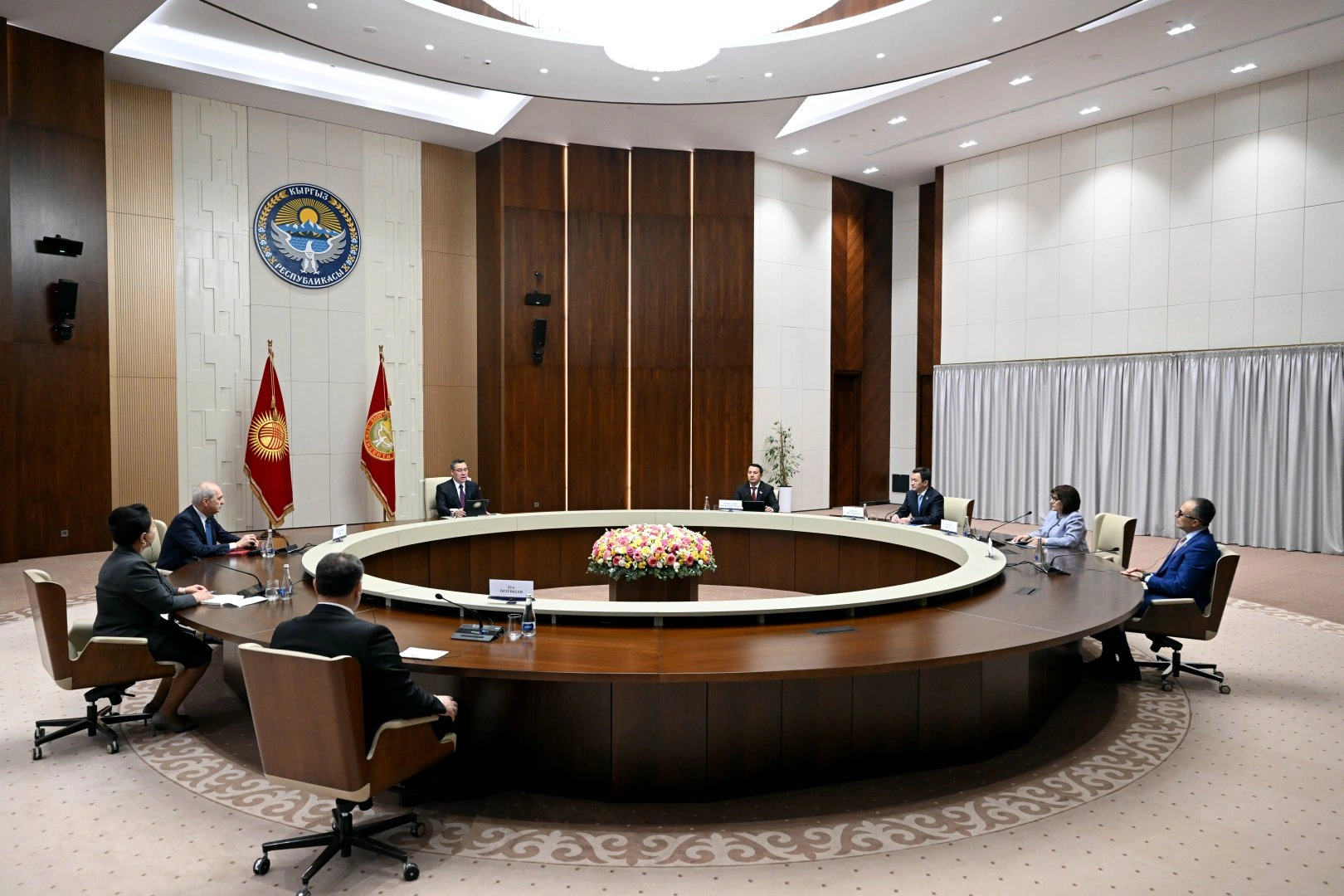
As part of the session, Kyrgyz President Sadyr Japarov received
the speakers of the parliaments of TURKPA member states. The
president described the meeting as evidence of friendship and
mutual trust between brotherly countries and reaffirmed Bishkek’s
interest in further developing cooperation. He said the Assembly’s
activities are intended to strengthen ties between the countries
and deepen cooperation in trade and economic affairs, transport,
energy, digitalization and humanitarian matters.
This agenda is becoming particularly important amid the growing
role of regional transport routes, expanding trade ties and the
need to harmonize rules governing cross-border economic
cooperation. Under these circumstances, TURKPA could serve not only
as a platform for political dialogue but also as an additional
mechanism for advancing legislative measures needed to implement
intergovernmental agreements.
One of the main outcomes of the session was the adoption of the
Bishkek Declaration and four model laws. Kyrgyzstan also outlined
its chairmanship priorities, including digital transformation,
legislation governing artificial intelligence, transport and
economic connectivity, youth policy, and expanded cultural and
humanitarian exchanges. The practical significance of these
priorities will depend on how consistently member states
incorporate the adopted decisions into their national legislation
and use them to develop joint initiatives.
Particular attention should be paid to Mamataliev’s proposal to
establish a unified electronic register of TURKPA model laws and
prepare an annual analytical report on their implementation. Such a
mechanism could provide more systematic monitoring of the
application of harmonized legislative approaches, help identify
differences in national regulations and determine areas for further
legal alignment. For businesses, this could potentially mean more
predictable operating conditions in TURKPA member states, although
tangible changes would require relevant decisions by national
authorities.
One of the most promising areas of Kyrgyzstan’s chairmanship
could be the development of transport and economic links between
Central Asia and the South Caucasus. Azerbaijan plays an important
role in this context, as its geographical position connects Central
Asia with the South Caucasus, Türkiye, and European markets. Deeper
cooperation between Baku and Bishkek could expand trade and
logistics opportunities and enable companies from both countries to
participate more actively in regional supply chains.
In October 2026, at a meeting of Central Asian leaders and
Azerbaijan in Awaza, Sadyr Japarov proposed considering unified
freight transportation tariffs and the creation of a common
electronic trading platform.
Parliamentary diplomacy could complement the work of governments
and relevant agencies in this area. Legislators could exchange
experience in regulating cross-border transportation, discuss ways
to simplify procedures for businesses and propose legal mechanisms
to support regional projects. However, introducing unified tariffs,
establishing a common electronic platform and implementing
infrastructure initiatives would require separate intergovernmental
agreements, technical preparation and financing.
The development of allied relations between Kyrgyzstan and
Azerbaijan creates further opportunities for such cooperation. On
October 20, Sadyr Japarov received Speaker of the Parliament of
Azerbaijan, Sahiba Gafarova. The sides discussed prospects for
cooperation in trade and economic affairs, investment, energy, and
transport.
Sadyr Japarov emphasized the special nature of the allied
relationship and the importance of consistently implementing
existing agreements, including the Treaty on Allied Relations
signed in July 2026. Gafarova, in turn, noted the dynamic
development of bilateral ties, including interparliamentary
cooperation, and stressed the importance of further strengthening
relations.
This political foundation creates conditions for advancing
bilateral initiatives within a broader multilateral framework.
Azerbaijan can use parliamentary contacts to expand engagement with
Central Asian countries, while Kyrgyzstan can strengthen its links
with the South Caucasus and improve access to regional transport
routes. A key outcome of this approach could be closer coordination
of legislative and economic initiatives aimed at developing trade
and attracting investment.
Digitalization will be another important area of Kyrgyzstan’s
chairmanship. During the plenary session, representatives of
Kyrgyzstan, Azerbaijan, Kazakhstan, Türkiye and Uzbekistan shared
their experience in applying digital technologies in parliamentary
work and discussed the legal aspects of artificial intelligence
development. Kyrgyzstan presented its transition away from
paper-based document management in parliament and the introduction
of digital tools, including a system for analyzing legislation.
Azerbaijan, in turn, presented its experience with electronic
document management, automated stenography and digital engagement
with citizens.
Exchanging such practices could provide a basis for joint
educational initiatives, recommendations on AI regulation and
improvements to electronic parliamentary procedures. The proposed
unified register of model laws could also make legislative
experience more accessible across member states and increase the
transparency of the Assembly’s work.
Alongside economic and technological issues, Kyrgyzstan intends
to develop the humanitarian dimension of cooperation. Discussions
at the TURKPA session covered the preservation of shared historical
and cultural values, expanded youth exchanges and the creation of a
common information space. The proposed recommendations envisage
cooperation among news agencies, television and radio broadcasters,
the development of media literacy and the exchange of experience in
using artificial intelligence. These initiatives could strengthen
information and public ties between member states, complementing
official diplomatic contacts.
The practical results of Kyrgyzstan’s chairmanship will depend
on whether the adopted documents and announced priorities are
followed up by the Assembly’s commissions, national parliaments and
governments. If the agreements are implemented consistently, TURKPA
could strengthen its role in aligning legislative approaches,
advancing regional transport initiatives and expanding digital
cooperation. If member states are unable to ensure the
implementation of the adopted decisions, the Assembly’s activities
may continue to focus primarily on political dialogue and the
exchange of experience.
For Kyrgyzstan, the chairmanship offers an opportunity to
combine parliamentary diplomacy with an economic agenda and advance
initiatives that serve the interests of several countries. For
Azerbaijan, it provides an additional channel for strengthening
ties with Central Asia and promoting interregional cooperation.
Ultimately, the significance of the new chairmanship will depend on
whether political support and shared priorities can be translated
into concrete cooperation mechanisms, new projects, and sustainable
economic ties among Turkic countries.