ASHGABAT, Turkmenistan, October 22.
Turkmenistan is using project financing mechanisms backed by export
credit agencies from Japan, Germany and South Korea to implement
major projects in the oil and gas sector, Chairman of the Board of
the State Bank for Foreign Economic Affairs of Turkmenistan
Rahymberdi Jepbarov said, Trend's special correspondent reports.
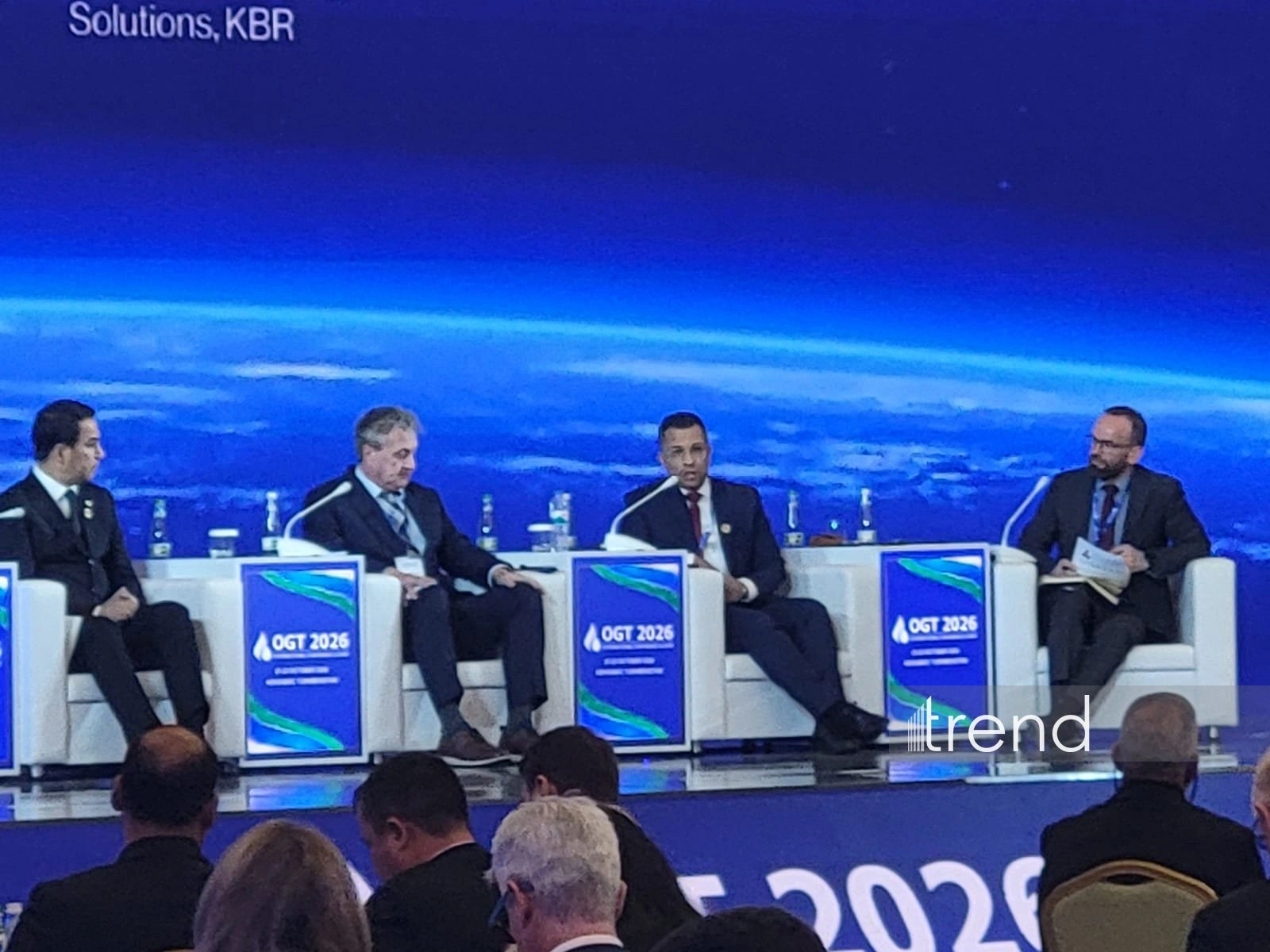
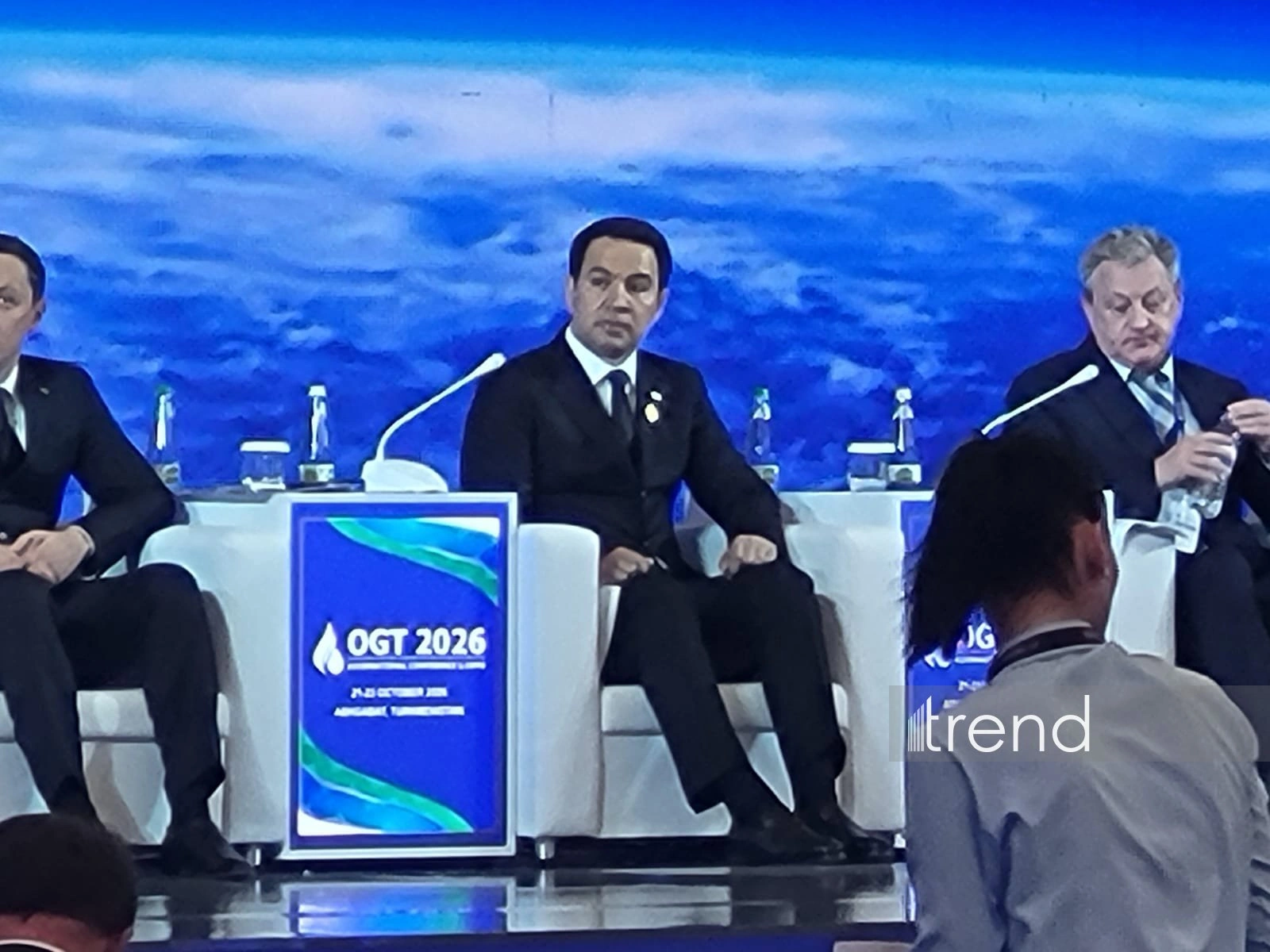
He made the remarks during the session “Gas Monetization,
Petrochemicals and Industrial Value Creation” at the 31st
International Conference and Exhibition “Oil and Gas of
Turkmenistan” (OGT 2026) in Ashgabat.
According to him, the choice of funding sources is determined by
the feasibility study for each project. The government assesses
whether a particular project should be financed through external or
domestic resources. In both cases, international financial
instruments and practices are applied.
“If we look at the projects we have already implemented in the
oil and gas sector, they were structured on the principles of
project financing with the participation and support of export
credit agencies,” Jepbarov said.
He named Japan’s NEXI, Germany’s Euler Hermes and South Korea’s
K-SURE among these agencies. According to the bank’s chairman, the
agencies provided insurance coverage that enabled financial
institutions to allocate funds for project implementation.
Jepbarov also cited syndicated lending as another financing
mechanism, involving several commercial banks joining forces to
finance projects.
He noted Turkmenistan’s cooperation with international financial
institutions, including the Asian Development Bank, the Islamic
Development Bank and the European Bank for Reconstruction and
Development.
The bank’s chairman emphasized that the banking sector supports
oil and gas projects both by attracting foreign financing and by
providing domestic resources. Commercial banks, in turn, facilitate
day-to-day financial transactions for project participants.
According to Jepbarov, the experience gained in structuring
major projects with partners from Japan, Europe and South Korea
provides a foundation for further cooperation in the energy
sector.
He also linked the development of financing mechanisms to
Turkmenistan’s economic diversification goals, noting that the
country places particular emphasis on deeper hydrocarbon processing
and the production of higher value-added goods.
“As part of our economic diversification policy, we are actively
developing the deep processing of hydrocarbons into finished
products,” Jepbarov said.
Meanwhile, the second day of the 31st International Conference
and Exhibition “Oil and Gas of Turkmenistan” (OGT 2026) has begun
in Ashgabat. As part of the event, a session is being held on the
topic “Investment and development opportunities in the Turkmen
sector of the Caspian Sea.” Discussions are focusing on investment
opportunities for developing the Turkmen sector, prospects for
offshore exploration and production of hydrocarbons, and the
development of international partnerships.
The agenda also includes existing and new production-sharing
agreements (PSAs), as well as modern seismic survey programs
designed to help assess resource potential and prepare promising
blocks for development.