BAKU, Azerbaijan, October 27. Gas from
Azerbaijan's Absheron field could potentially reach 16 export
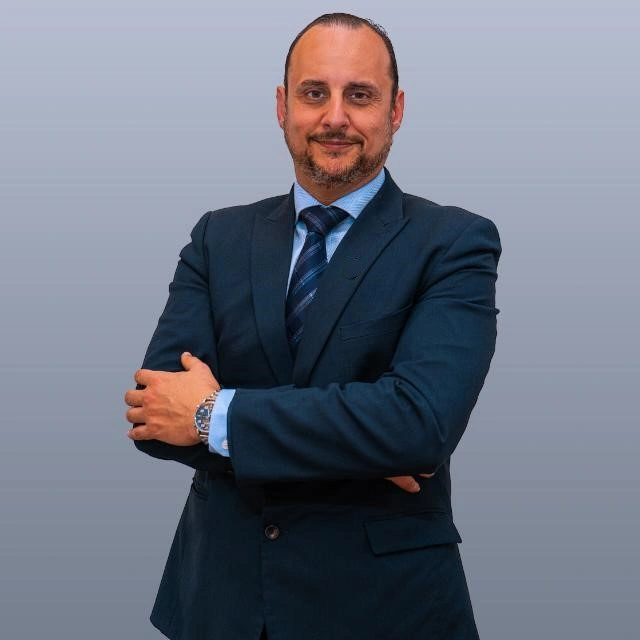
markets, Bassem Tadros, Director, Asset Management, XRG, said in an
exclusive interview with Trend on October 27.
XRG is the international investment arm of Abu Dhabi National
Oil Company (ADNOC), the UAE’s state-owned oil and gas company,
which holds a share in the Absheron field.
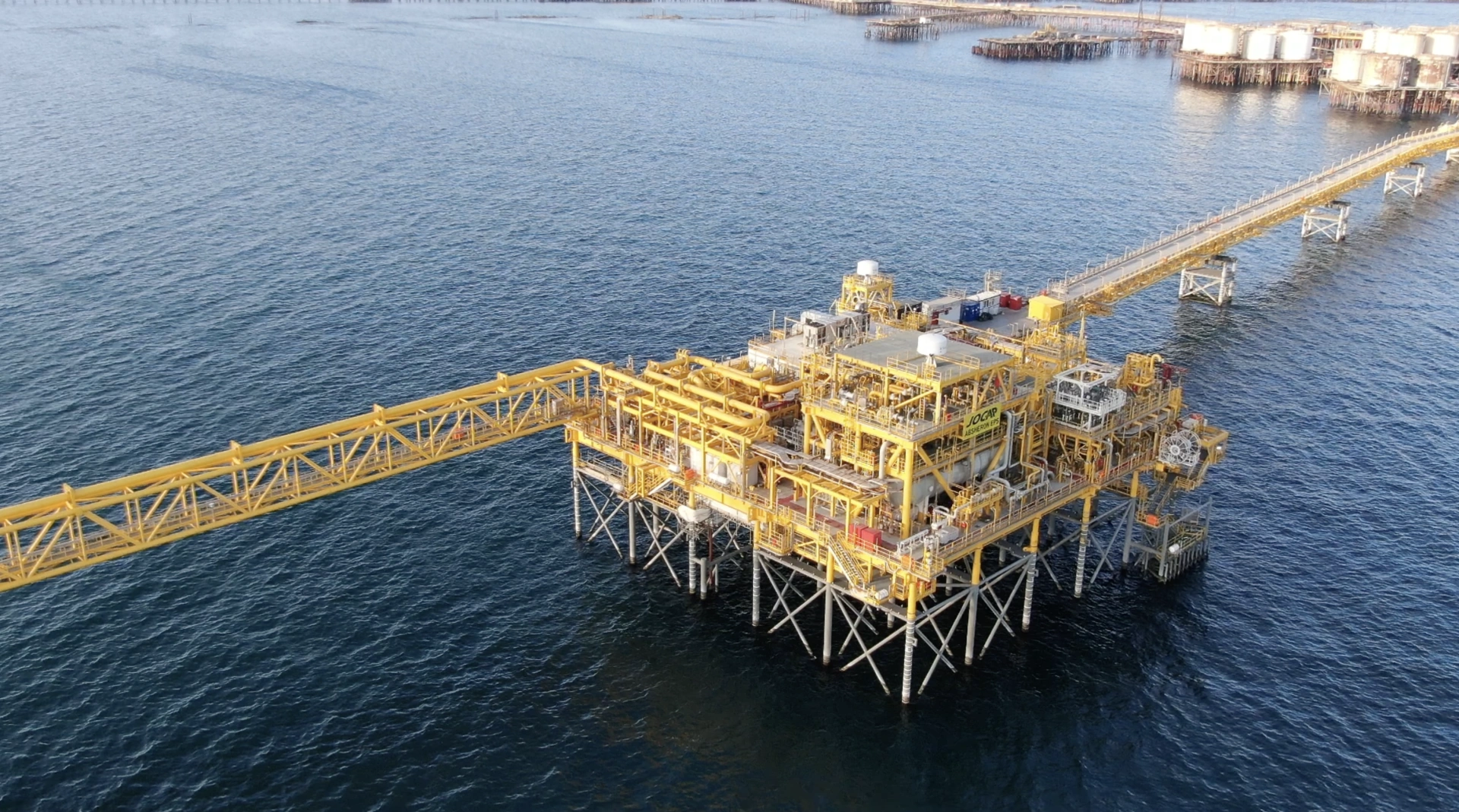
"Absheron combines a substantial gas resource with partners
committed to its long-term development. SOCAR, Azerbaijan’s state
energy company, and TotalEnergies each hold 35%; TotalEnergies is
the operator, and XRG holds 30%. This brings together Azerbaijan’s
deep local expertise, international development capability and
long-term capital. The first phase has supplied Azerbaijan’s
domestic market since 2023," he said.
Tadros recalled that the final investment decision for the full
field development, announced on 26 September 2026, marks the next
chapter, with start-up expected in 2029 and daily gas production
set to increase fourfold, from 150 million to 600 million cubic
feet.
"For us, the strategic opportunity is to support that expansion
alongside our partners and connect resource investment with
infrastructure and future sales," he added.
How XRG has created value since the original Absheron
investment
The director noted that the clearest progress is the move from
interest in a producing field to an agreed significant expansion,
with a future customer secured for exports and domestic supply to
SOCAR.
"A long-term sales agreement with BOTAŞ establishes an outlet
for future Absheron supply to Türkiye and potentially up to 16
export markets, while the partners’ final investment decision
commits us to the next development stage. Our approach to value
creation considers development, transport and sales together:
customer commitments help inform investment planning, and
infrastructure connects the resource to those customers. These are
tangible commercial foundations. The task now is to turn them into
reliable delivery through disciplined capital allocation and
execution with our partners," he explained.
XRG in Azerbaijan: strategic priorities and partnership
value
"We bring long-term capital, industrial experience and
commercial expertise, deployed through active ownership rather than
a purely financial holding. In practice, that means working with
our partners on development priorities, capital discipline and the
commercial arrangements needed to reach customers. SOCAR’s
knowledge of Azerbaijan and TotalEnergies’ operating expertise are
central to that work; our contribution is complementary," he
said.
Tadros believes that there is also scope for two-way learning
between Azerbaijani and UAE energy professionals.
"Our approach starts with shared objectives and clear
responsibilities, so each partner’s strengths contribute to the
development’s long-term success," he said.
The director pointed out that Azerbaijan is an experienced
energy producer and a strategic link between the Caspian, Türkiye
and Europe.
"Its world-class resources established infrastructure and energy
expertise make it a priority for our international gas business.
Our investment builds on the strong, enduring relationship between
Azerbaijan and the UAE. That provides a foundation of trust for
long-term collaboration, bringing together complementary energy
expertise and a shared commitment to connect resources with
customer needs. That is the story we invite visitors to explore
with XRG at ADIPEC: how XRG is investing with partners in energy
systems that connect resources, infrastructure and markets around
the world," he said.
Southern Gas Corridor - important part of the
story
Tadros noted that XRG wants to build on the Southern Gas
Corridor, evolving it into an integrated system that connects
multiple upstream resources.
"The Southern Gas Corridor is an established network extending
around 3,500 kilometres through Georgia and Türkiye towards Europe,
developed by Azerbaijan and a wider group of countries and
companies. Our investment there complements our Absheron interest:
the field partnership develops the resource, while the corridor’s
own stakeholder network supports market connectivity. Assessing the
resource and its route to market together helps us understand where
capital is needed and where commercial risks sit. For Azerbaijan,
that connectivity supports its established position as an energy
partner; for investors and customers, it makes access to markets
part of the investment decision.
Our strategy is therefore to build on the Southern Gas Corridor,
evolving it into an integrated system that connects multiple
upstream resources with strategic infrastructure and end markets.
Today, the corridor delivers more than 25 bcm of gas annually to
regional and European markets," he explained.
Tadros noted that Azerbaijan’s contribution begins with
developing resources to meet domestic needs and sustain its role as
a reliable regional supplier.
"Absheron’s next phase is intended to serve Azerbaijan and
Türkiye, with the wider network providing links to European
markets. Europe benefits from a broader range of supply options and
from the long-term relationships that underpin dependable energy
trade. That outcome requires coordinated investment by producers,
infrastructure partners and buyers, not resource ownership in
isolation. Our role is to support that cooperation through
commercially grounded investment," the director added.
What differentiates XRG’s investment
approach?
"We combine the financial discipline of private capital, the
industrial expertise of an energy company and a long-term
investment horizon. Partnership is how we put those capabilities to
work. Rather than assessing a field in isolation, we work with our
partners to consider development plans, infrastructure access and
customer demand together. Through active ownership, we contribute
to decisions on how projects are developed, costs are managed and
future supply reaches customers," he said.
Tadros noted that XRG's aim is to invest in connected energy
systems, not simply accumulate standalone assets.
"But integration is not an end in itself: each investment must
make commercial sense and strengthen the wider portfolio, creating
long-term value for our partners and investors. This reflects an
integrated, partnership-led approach, rather than a series of
standalone investments," he explained.
Tadros pointed out that the Caspian experience reinforces the
importance of capable local and international partners, a credible
development plan, infrastructure and a clear view of customer
needs.
"Other markets have different resources, regulations and
commercial structures, so the right combination will differ. We
would apply the same questions: what does the host country want to
achieve, what can each partner contribute, and how does the
investment connect with demand? That is how we seek to build
scalable platforms without losing discipline at the individual
investment level," he said.
What does success look like by 2029?
Tadros believes that success means delivering the next phase of
Absheron safely and reliably, while sustaining the partnership
needed over the field’s life.
"The next phase of development, targeted to start production in
2029, is expected to quadruple daily gas production from 150
million to 600 million cubic feet, alongside nearly 50,000 barrels
of condensate per day. The development will serve customers in
Azerbaijan and Türkiye, with access to wider European markets
through existing pipeline infrastructure. For us, success means
additional supply for Azerbaijan, future deliveries to Türkiye and
Europe, and enduring value for our partners, customers and
shareholders," he said.
The noted that just as importantly, success means deepening the
practical collaboration between Azerbaijani, UAE and international
expertise that underpins this investment.
"Ultimately, we would judge success both by delivering on
against our commercial commitments and by the strength of those
relationships, within the broader, enduring partnership between
Azerbaijan and the UAE," he concluded.