BAKU, Azerbaijan, October 29. Kazakhstan's net
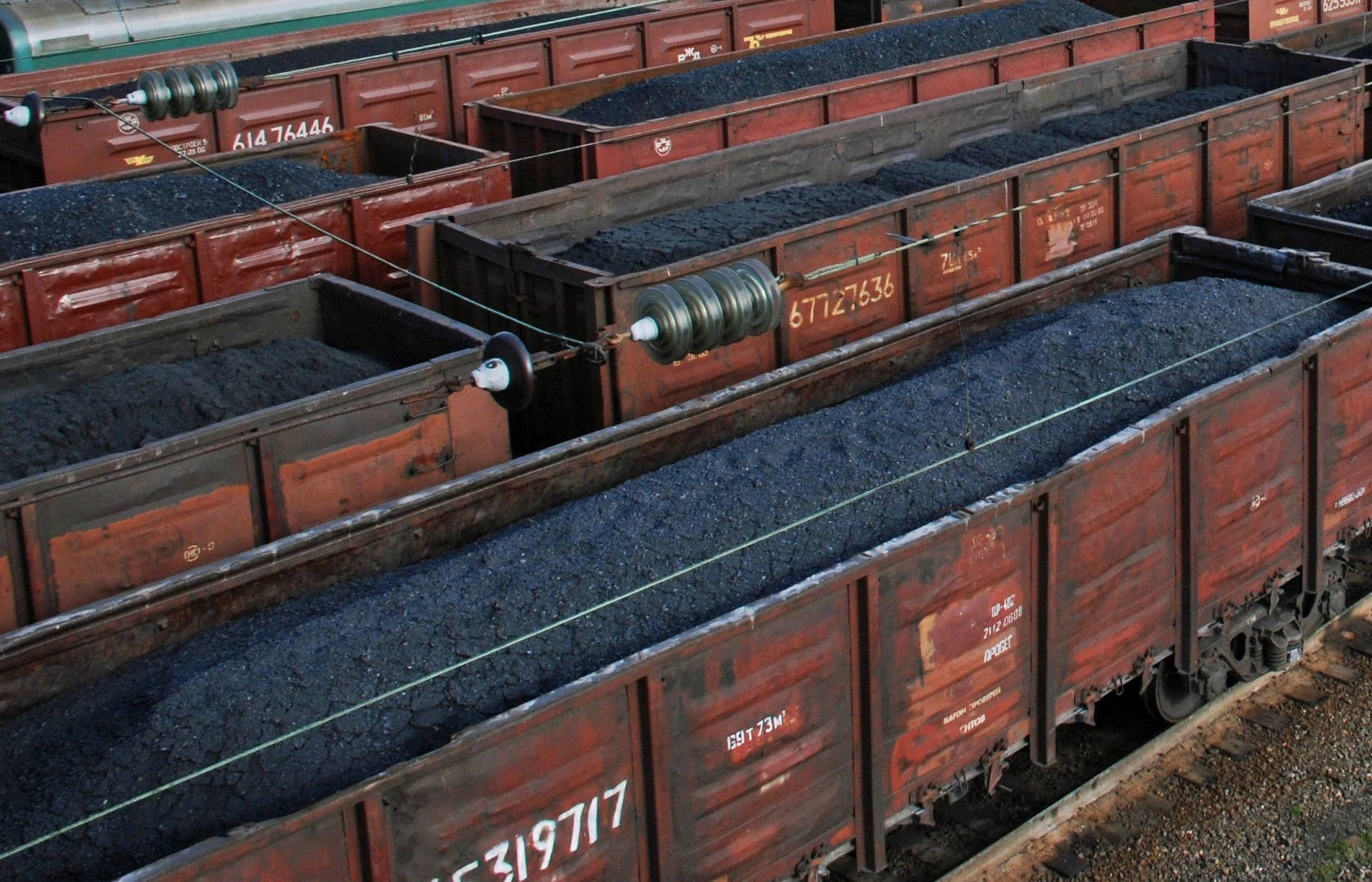
coal exports are projected to decline from 29.8 million tonnes in
2025 to 21.3 million tonnes by 2050, while coal production and
domestic consumption are also expected to decrease, according to
the National Energy Report prepared by the Kazenergy Association in
cooperation with S&P Global.
According to the report's forecast, Kazakhstan's coal production
will fall from 115.9 million tonnes to 70.5 million tonnes by 2050.
Visible coal consumption is projected to decline from 86.1 million
tonnes in 2025 to 49.3 million tonnes over the same period.
"These trends are consistent with a scenario in which
Kazakhstan's economy gradually improves energy efficiency,
progressively increases gas consumption, expands renewable power
generation capacity and develops nuclear power generation," the
report says.
Despite the projected decline in production and consumption,
Kazakhstan remains one of the world's leading coal producers and
consumers, supported by its substantial coal resources. The country
ranks tenth globally in coal reserves, which are sufficient to last
for more than 300 years at current production rates, according to
the report.
As of January 1, 2025, Kazakhstan's balance coal reserves
totaled 33.52 billion tonnes. Reserves in categories A+B+C1,
equivalent to proven and probable reserves, amounted to 28.72
billion tonnes, while category C2 resources, classified as
prospective, totaled 4.8 billion tonnes. The reserves and resources
are distributed across 49 deposits, with industrial mining underway
at deposits containing 51.4% of the total.
Around two-thirds of Kazakhstan's coal reserves consist of
bituminous and sub-bituminous coal, both classified as hard coal
under the country's classification system. The remainder is
lignite, or brown coal.
Coal mining in Kazakhstan is concentrated in five coal basins
and 14 deposits. The largest basins are located in central and
northern Kazakhstan, particularly in the Karaganda and Pavlodar
regions.
More than half of the country's coal reserves are concentrated
in Pavlodar region, home to the Ekibastuz basin, with reserves of
10.1 billion tonnes, and the Maikuben basin, with 2 billion
tonnes.
Major open-pit mines include Bogatyr, Severny, Vostochny and
Ekibastuz. The Ekibastuz basin has relatively low production costs
because its coal seams are thick and lie close to the surface,
allowing coal to be extracted using open-pit methods. Major
coal-fired power plants in Kazakhstan use relatively inexpensive
Ekibastuz coal, the report says.