BAKU, Azerbaijan, August 7. The economies of
the Eurasian Economic Union (EAEU) member states remain stable and
are showing positive momentum despite ongoing global
challenges.
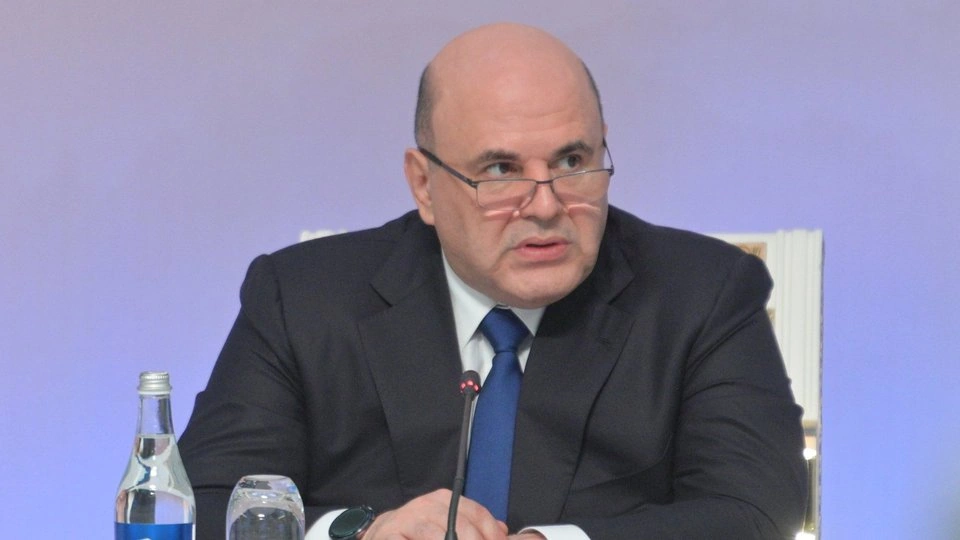
This was stated by Russian Prime Minister Mikhail Mishustin at
an expanded meeting of the Eurasian Intergovernmental Council.
According to Mishustin, the development of Eurasian integration
brings practical benefits to all member states of the Union,
contributing to increased business revenues, improved quality of
life, and greater well-being for citizens. “As President of the
Russian Federation Vladimir Putin emphasized at the meeting of the
Supreme Eurasian Economic Council in Astana in May, close Eurasian
integration brings real benefits to each of the member states and
contributes to increased business revenues, improved quality of
life, and greater well-being for the populations of our countries,”
he said.
Mishustin noted that, despite external factors and instability
in the global economy, the EAEU countries continue to show growth
in key areas. “Even taking global challenges into account, we see
positive trends in macroeconomic indicators. In the period from
January through May, real gross domestic product grew, as did
industrial production, agriculture, and retail trade; our mutual
trade is also increasing,” the Russian prime minister noted.
He emphasized that the Union’s member states continue to work
together to strengthen integration and achieve the goals set by the
heads of state.
Mishustin also highlighted the importance of advancing the
EAEU’s digital agenda. According to him, a joint statement on the
responsible development of artificial intelligence was adopted in
May at the Eurasian Economic Forum in Astana, which will serve as a
roadmap for further work in this area. “This serves as a roadmap
for activities in this crucial area, including the implementation
of joint digital projects among the five member states,” he
said.
The Russian Prime Minister noted that further deepening
integration requires a focus on developing industrial cooperation,
the agro-industrial complex, digital solutions, and technological
cooperation.
He also emphasized the need to continue working to strengthen
food security and expand economic cooperation both within the Union
and with external partners. “Together, dear colleagues, we continue
to work to strengthen Eurasian integration and fulfill the tasks
set by our presidents,” Mishustin said.