BAKU, Azerbaijan, August 20. The Aga Khan
Foundation in Tajikistan has announced a tender for the supply and
installation of solar panels for 30-ton cold storage facilities in
several villages of Penjikent city as part of a European
Union-funded rural development project.
The tender is being conducted within the framework of the
project "Integrated Natural Resource Management for Equal and
Sustainable Development in the Zeravshan Valley (INVEST)," which is
part of the Rural Development Programme funded by the European
Union.
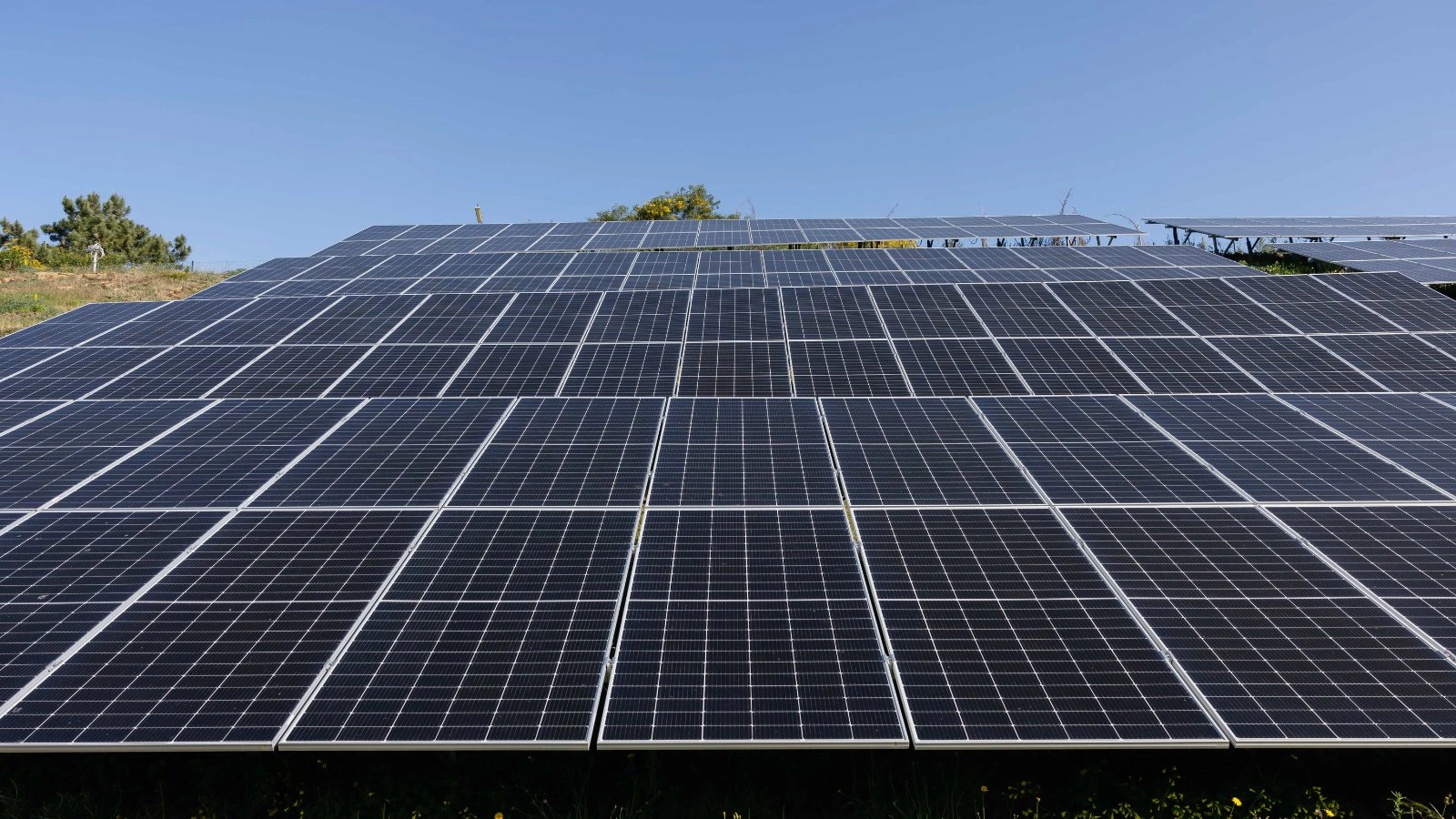
The project envisages the installation of solar panels for cold
storage facilities in the villages of Suchina Dasht, Suchina
Mushkhona, Chorbog, Kabudsang and Khamirteppa in Penjikent city, as
well as in Neknoti Nav and Navruzteppa villages. Interested
eligible companies are invited to submit sealed bids for the
construction works. Tender documentation can be obtained by
contacting the Aga Khan Foundation via email at [email protected].
"Companies will be selected based on an evaluation and awarding
of points in accordance with the criteria set forth in the "Bidding
Document," the main ones being: availability of the necessary
equipment/machinery, engineering and technical personnel, work
experience, sound and accurate estimates, deadlines for completion
of the work, the best payment terms, absence of debt, the company's
financial position, etc.," the announcement at the official tender
portal of Tajikistan says.
The deadline for submission of tender applications is 5:00 p.m.
on September 2, 2026. Commercial proposals and required documents
must be submitted in sealed envelopes to the Aga Khan Foundation
offices in Ayni district or Dushanbe. Tender proposals will be
opened at 11:00 a.m. on September 2, 2026, with participants also
given the opportunity to attend the process online. The Aga Khan
Foundation also noted that applications from companies founded
and/or managed by women entrepreneurs are encouraged.
Trend’s analysis
shows that the project highlights the growing role of renewable
energy solutions in strengthening rural infrastructure in
Tajikistan, where agricultural development increasingly depends on
reliable energy access and modern storage facilities. Solar-powered
cold storage can help producers reduce post-harvest losses,
preserve product quality and improve access to markets by extending
the period for selling agricultural goods.
Penjikent and the wider Zeravshan Valley are among Tajikistan’s
important agricultural areas, with fruit and vegetable production
forming a significant part of rural economic activity. By combining
renewable energy generation with cold-chain infrastructure, the
initiative supports a transition from traditional agricultural
production toward more efficient and value-added supply chains.
The approach also reflects a broader regional trend in Central
Asia, where development institutions are increasingly focusing on
infrastructure projects that deliver direct benefits for local
communities. The Eurasian Development Bank (EDB) previously told
Trend that large
infrastructure investments are being structured not only around
macroeconomic impact, but also around measurable improvements in
energy access, resilience and livelihoods at the local level.
According to the Bank, the water-food-energy nexus has become a
central element of regional development strategies, as Central
Asian countries face rising demand for electricity, pressure on
water resources and the need to improve agricultural productivity.
EDB noted that total electricity demand in the region could
increase by 40% by 2030, while up to 70% of power grids and thermal
power facilities require modernization, making decentralized and
renewable energy solutions increasingly relevant.
In this context, solar-powered agricultural infrastructure
represents a practical application of the broader energy transition
agenda. Unlike large-scale generation projects, distributed
renewable systems can directly support rural businesses and
communities by providing electricity for specific economic
activities, including food storage and processing.
The Aga Khan Foundation and EU-supported initiative also fits
into wider efforts to strengthen climate resilience in Tajikistan’s
rural regions. By improving storage capacity and reducing
dependence on conventional energy sources, such projects can
contribute to food security, support small producers and create
additional opportunities for local entrepreneurship.