BAKU, Azerbaijan,
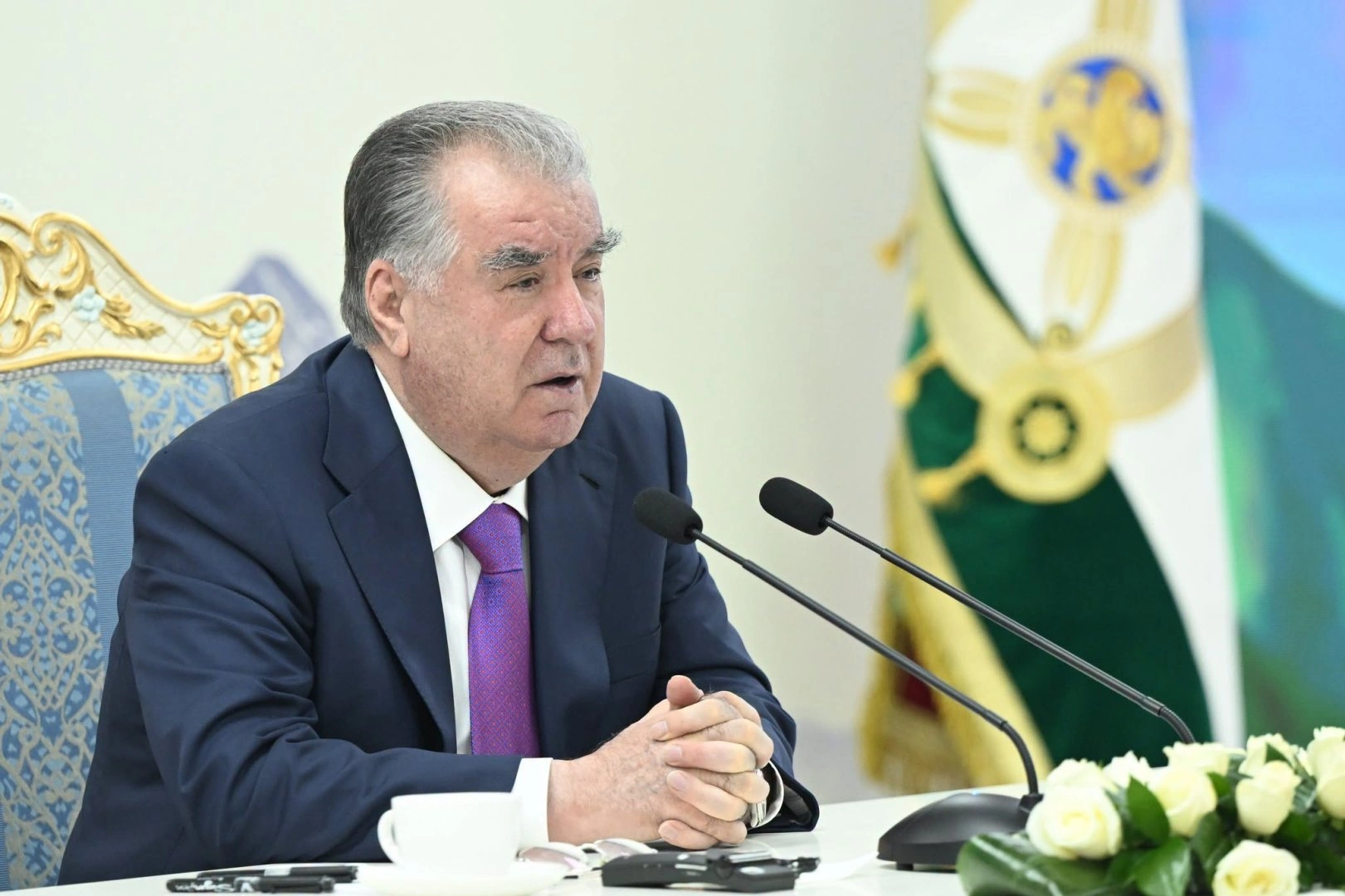
August 21. President of Tajikistan Emomali Rahmon
has instructed officials to commission the fourth generating unit
of the Rogun Hydropower Plant by September 2027.
This was reflected in the statement by the press service of the
Tajik president, citing his statement made at a meeting with
employees working in the construction of the Rogun HPP.
“The Rogun Hydropower Plant, jointly with Voith Hydro under Lot
1, should take the necessary measures to commission generating unit
No. 4 by September 2027,” Rahmon said.
According to him, testing of the runner for unit No. 4 was
conducted at the Lot 1 contractor's laboratory in Austria from July
29 to 31, 2026, after which transportation to Tajikistan began. The
runner is expected to arrive at the hydropower plant by the end of
September 2026.
Rahmon noted that replacing the temporary runners with permanent
ones would allow the generating capacity of two units to reach 600
megawatts during the summer-autumn period. This capacity is
approximately equivalent to the generating capacity of the
Sangtuda-1 hydropower plant. The president instructed the project
owner and contractor to take all necessary measures to ensure the
timely completion of work on the fourth unit.
Meanwhile, the Rogun Hydropower Plant is being built on the
Vakhsh River in southern Tajikistan and is one of the country's
largest infrastructure projects. Once completed, the facility is
planned to have an installed capacity of 3,780 megawatts.
The project includes the construction of a 335-meter-high
rockfill dam, which is expected to become the world's tallest of
its kind. The dam and reservoir are being developed in complex
mountainous and underground geological conditions, requiring
large-scale excavation, tunneling, and construction works.
Rogun HPP is intended to increase Tajikistan's electricity
generation capacity and improve the country's energy security,
while also creating additional potential for electricity exports to
regional markets.
Construction of the plant has been carried out in stages, with
work focusing on the dam, underground structures, tunnels and
reservoir. The project remains a major priority for the Tajik
government as the country seeks to expand its hydropower capacity
and strengthen its energy infrastructure.