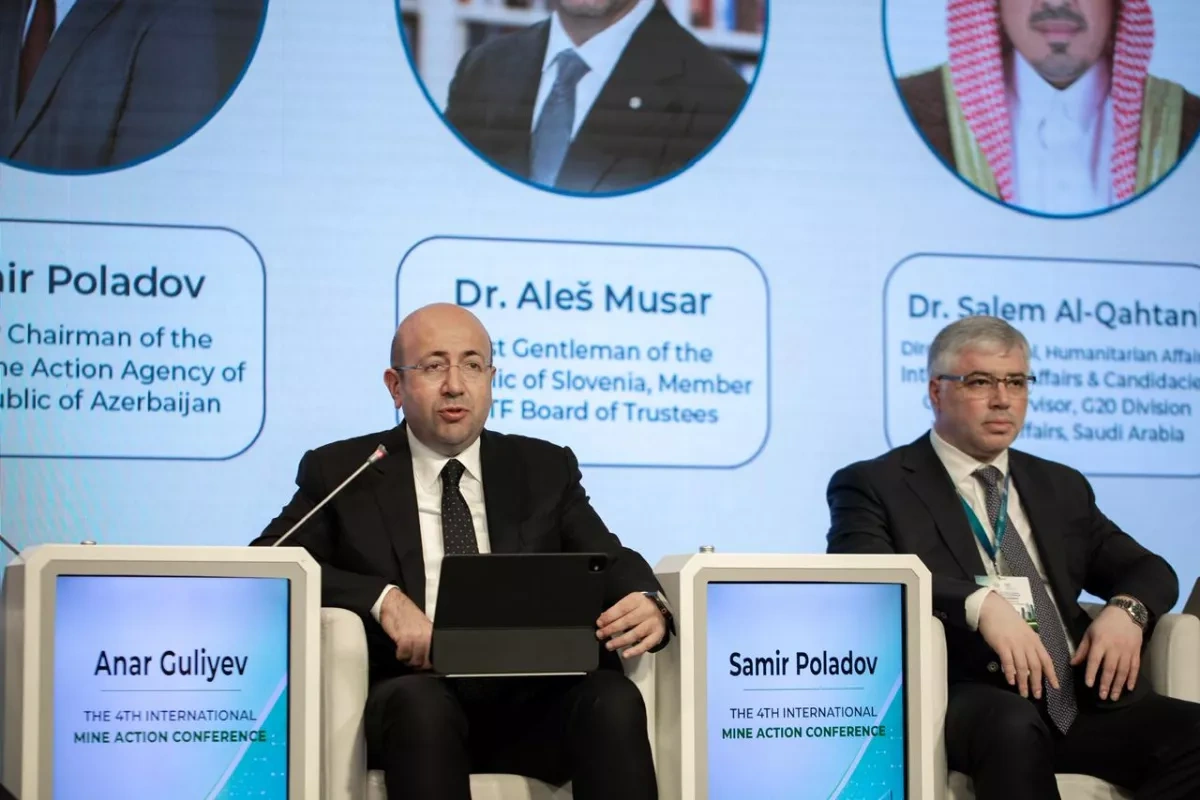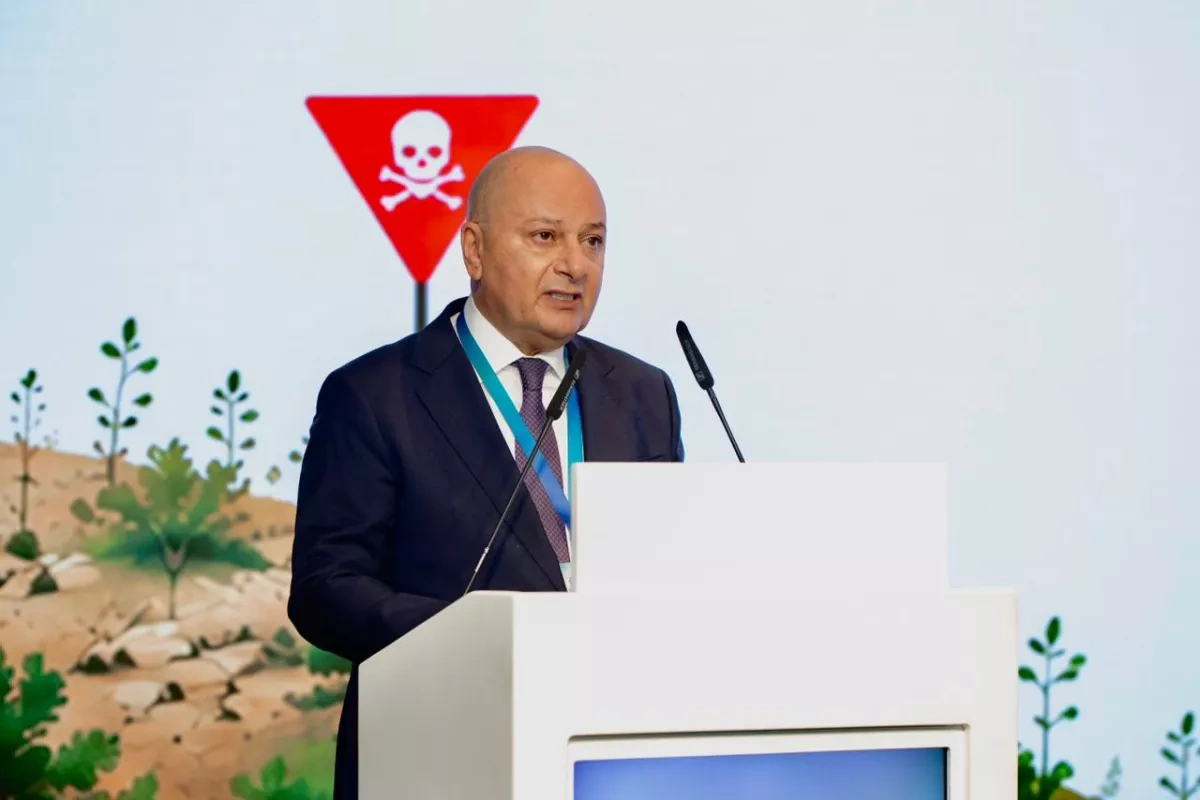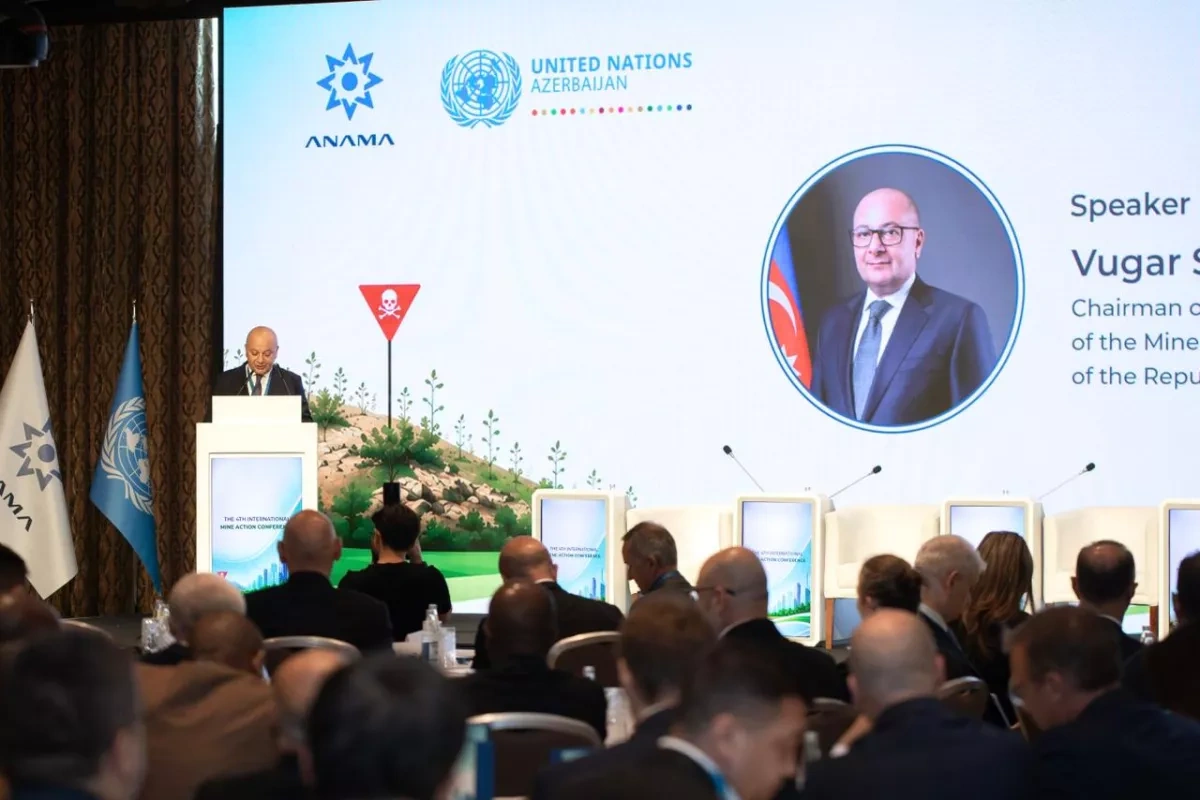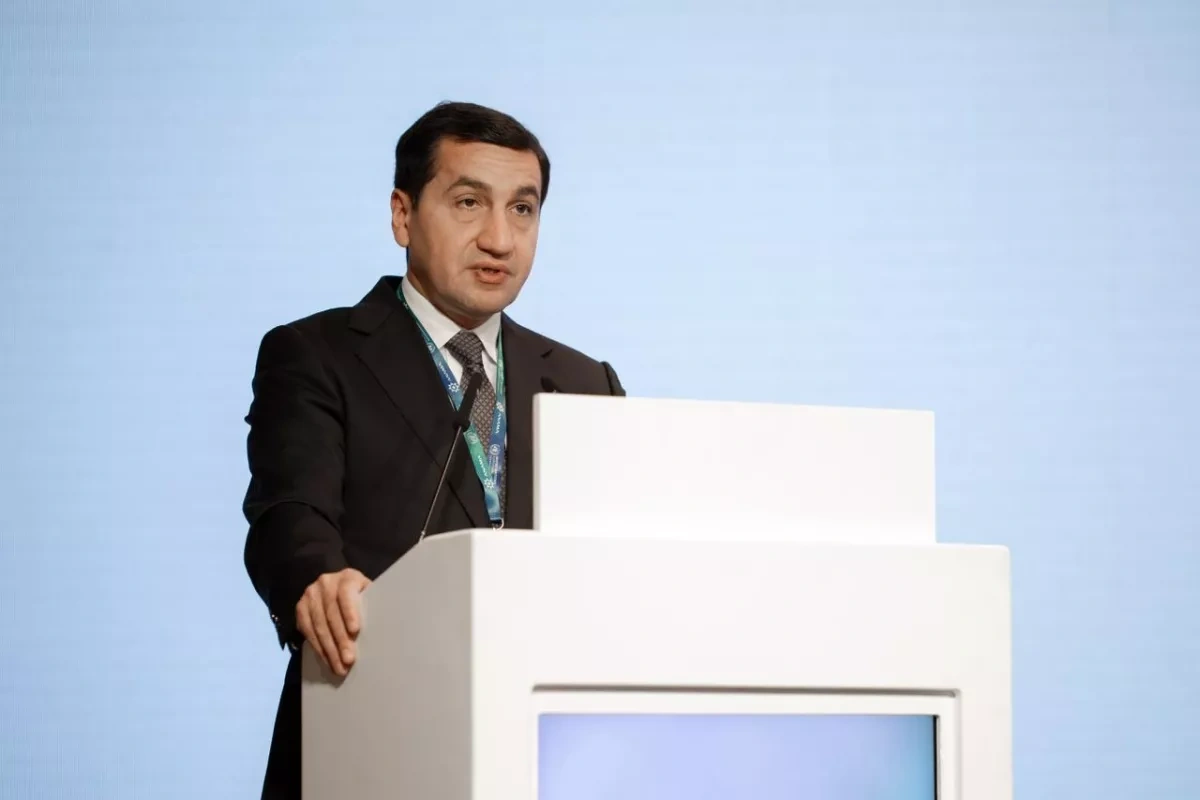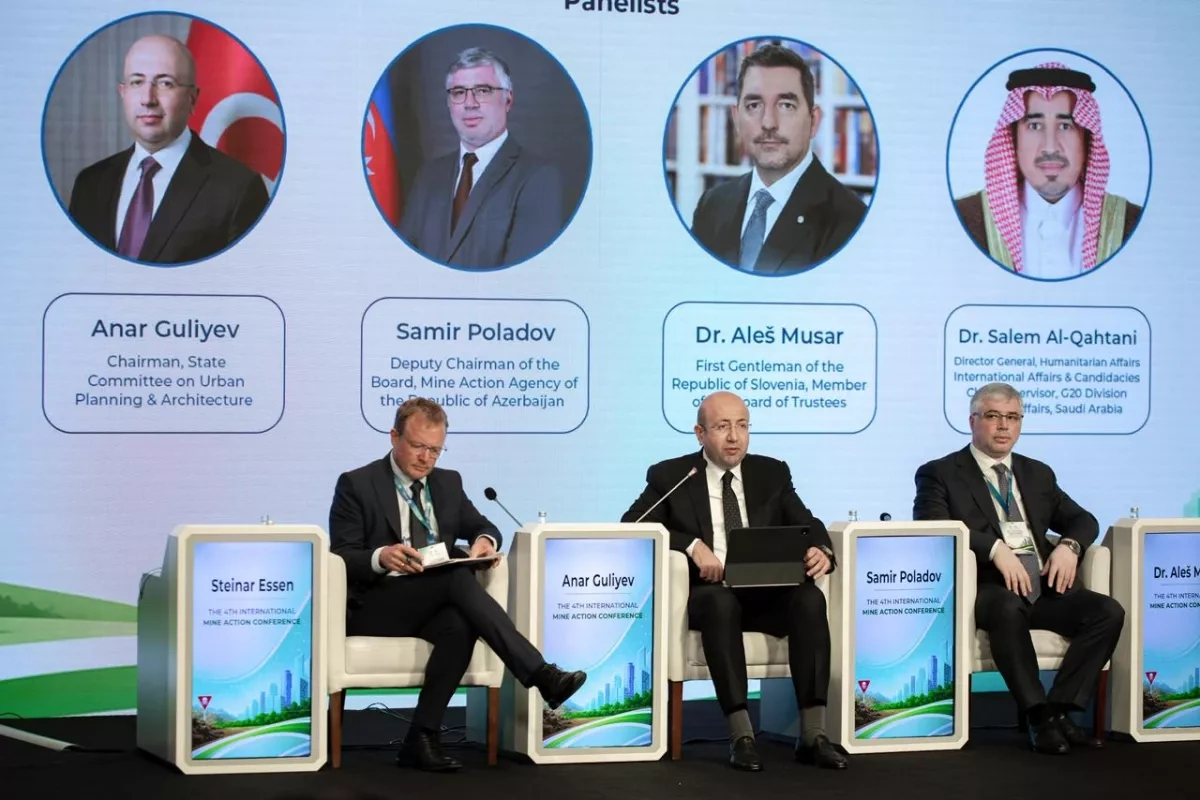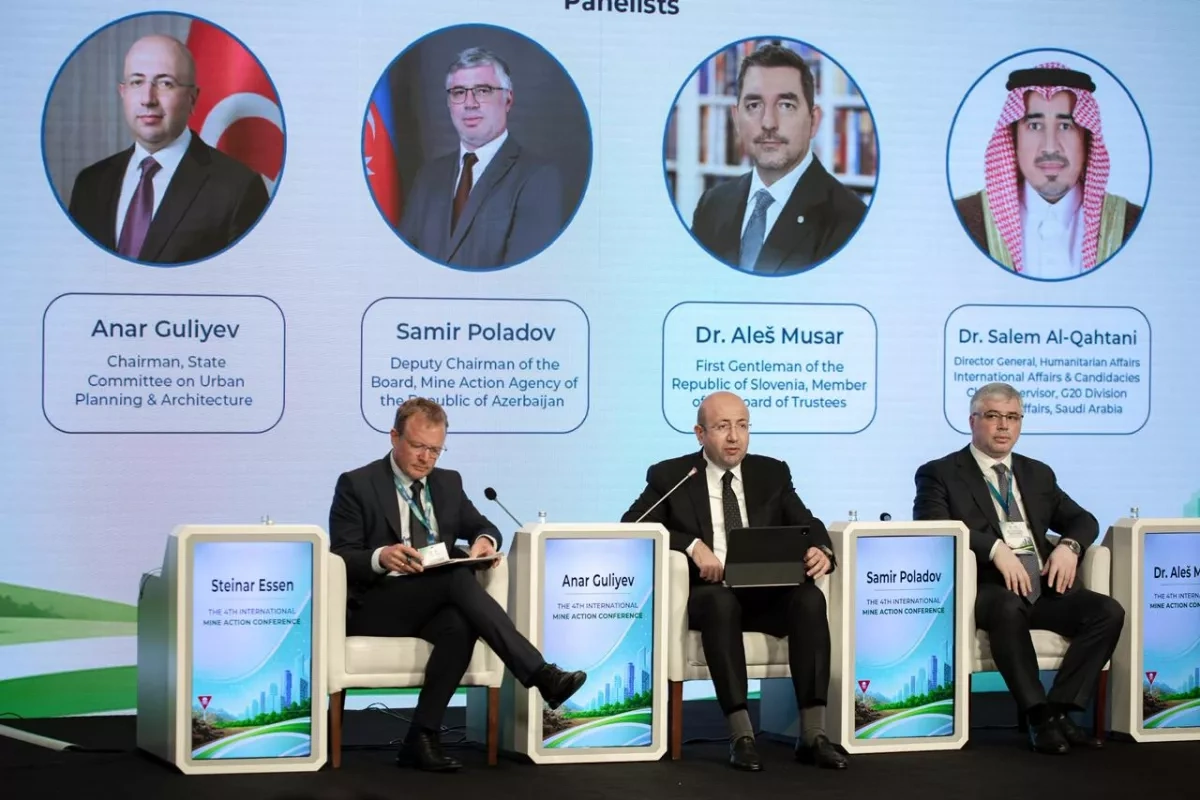
In large-scale post-conflict recovery processes, a transition is required from a "clearance first, construction second" approach to an integrated model, Anar Guliyev, Chairman of Azerbaijan’s State Committee for Urban Planning and Architecture, has said.
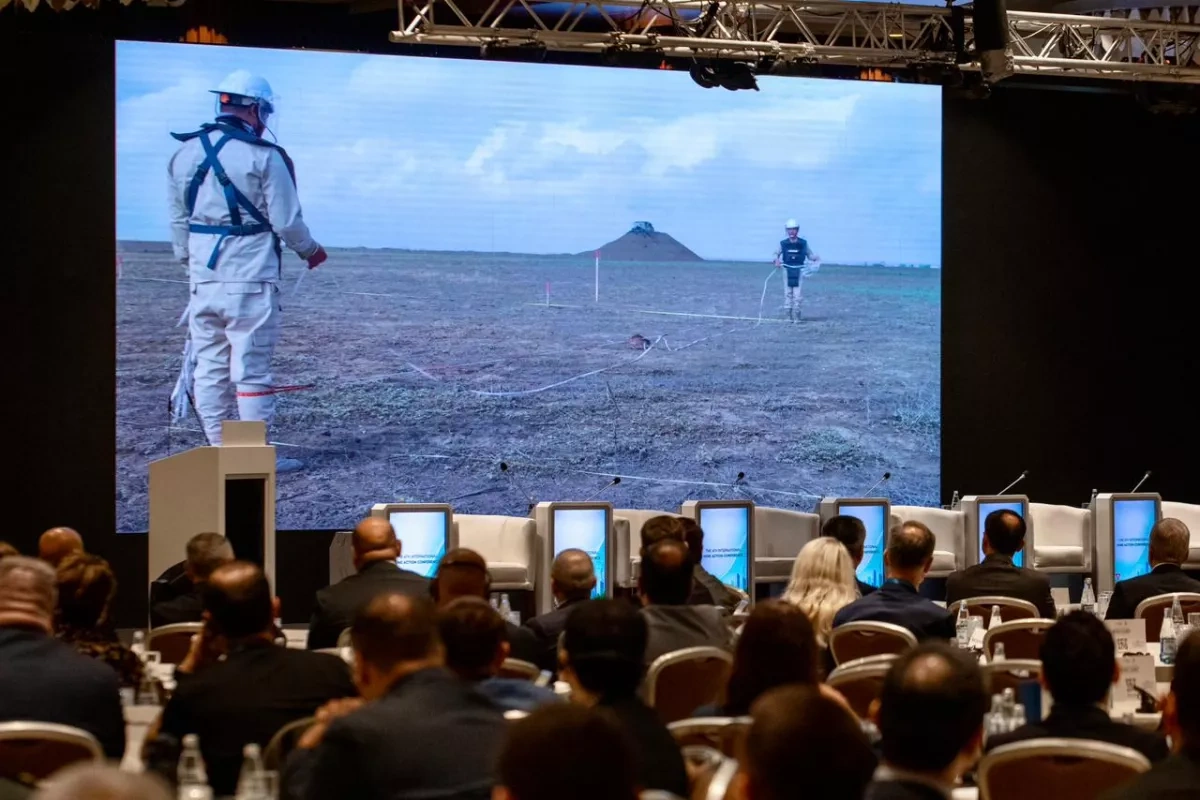
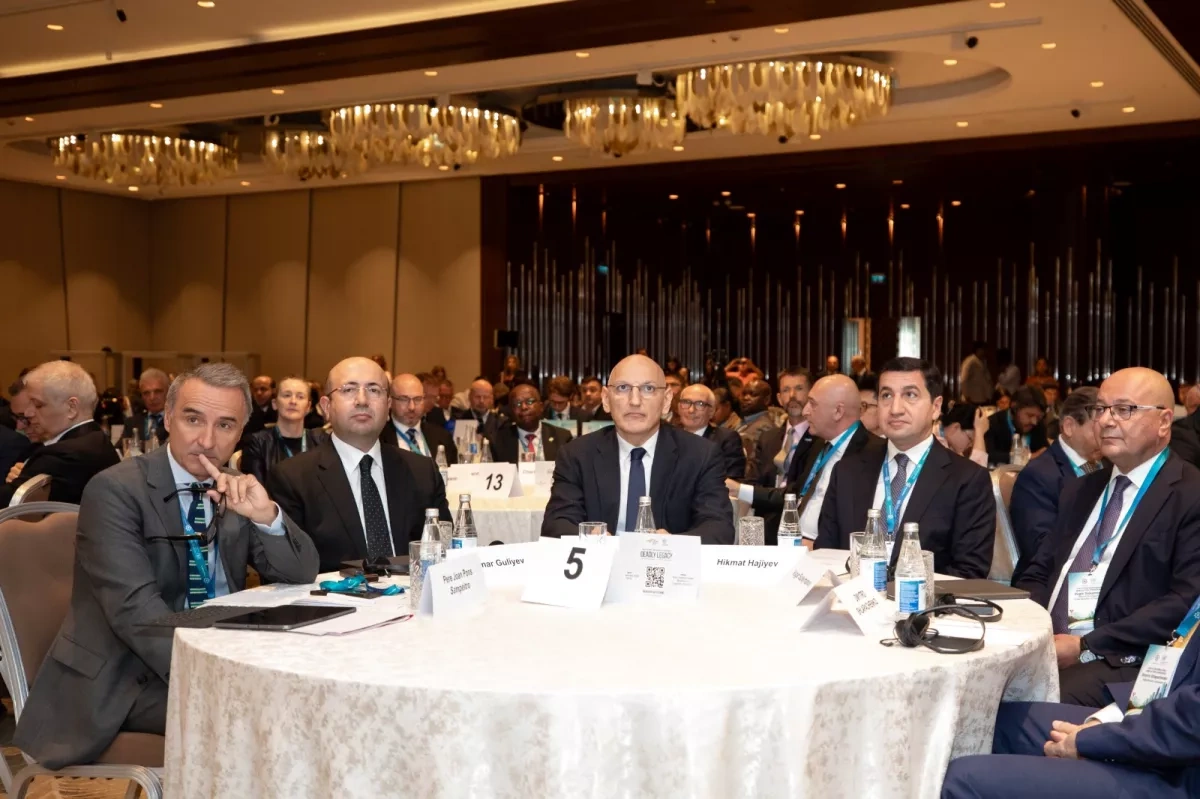
Speaking at a panel discussion titled Demining as the Foundation of Urban Rehabilitation held as part of the 4th International Conference on Mine Action in Baku, he stated that eliminating the mine threat in the liberated territories is not only a humanitarian and security issue, but also an integral part of urban planning, spatial planning and long-term regional development, Caliber.Az reports, citing local media.
According to him, land safety and accessibility should be taken into account when setting development priorities.
Guliyev stressed that Azerbaijan’s experience could serve as an example for post-conflict and post-crisis reconstruction efforts.
In his words, creating safe areas means more than simply clearing plots of land of mines. The process lays the foundation for building cities, villages, schools, hospitals, roads and energy systems, developing economic activity and, ultimately, ensuring the safe return of people to their homes in these areas.
“The reconstruction and redevelopment efforts being carried out in Azerbaijan’s liberated territories involve the transformation of vast areas. In this regard, the activities of the State Committee for Urban Planning and Architecture are not limited to planning individual cities and settlements, but also include shaping the spatial structure that determines the long-term development of these territories,” Guliyev added.
The committee chairman outlined that the General Plan for Karabakh and Eastern Zangazur was developed and presented as a practical expression of this approach.
The plan covers an area of about 13,600 square kilometres and brings together 12 cities, 11 settlements and 286 villages. Separate master plans have also been developed for all 12 cities and 106 settlements and villages. These plans cover an area of more than 24,700 hectares and provide a planning framework for approximately 538,000 people.
Construction is currently underway in 12 cities and more than 80 villages and settlements across the liberated territories. The first residential neighbourhoods have already been commissioned in 10 cities, three settlements and 34 villages, while construction permits have so far been issued for 16,500 new housing units.
More than 30 schools and preschool institutions are operating in the settlements, while more than 2,100 students are studying at Karabakh University. In total, around 90,000 people now live, work and study in the liberated territories.
Reconstruction efforts notably extend beyond the restoration of settlements. To establish a new transport and economic structure for the region, three international airports, more than 150 kilometres of railway lines and 68 road projects with a combined length of more than 3,800 kilometres have been completed.
Guliyev further stated that cooperation with the UN Human Settlements Programme (UN-Habitat) plays an important role in developing spatial planning. He said spatial planning work would be carried out in the Kalbajar and Jabrayil districts as part of the project “Integrated Spatial Planning for Sustainable Urban Development – Towards Smart, Sustainable and Inclusive Settlements in the East Zangazur Region of the Republic of Azerbaijan.”
By Bakhtiyar Abbasov