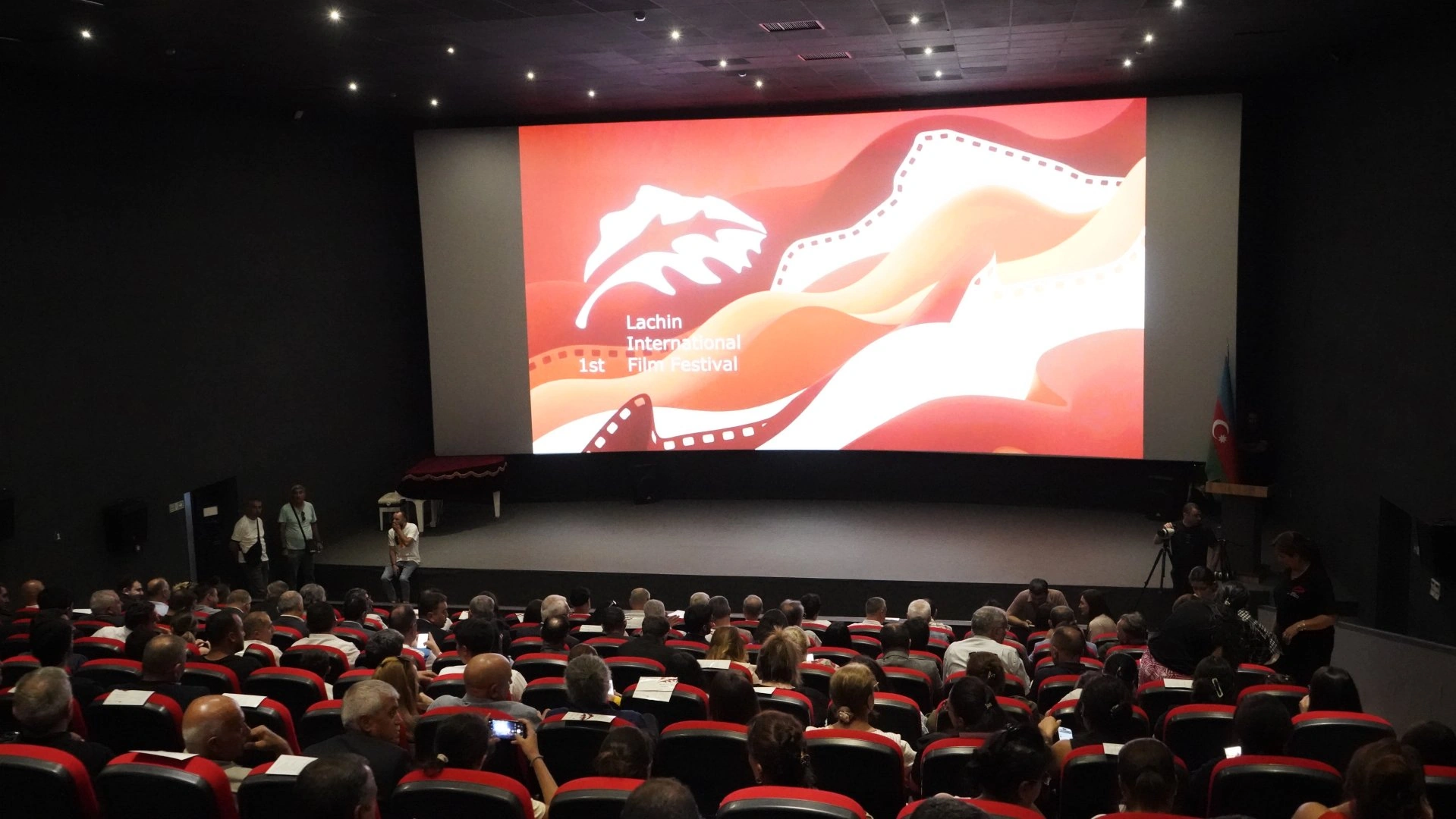
BAKU, Azerbaijan, September 3. The Karabakh
Revival Fund (KRF) served as an official partner of the first
Lachin International Film Festival, held in Lachin from 24 to 27
August.
The festival formed part of the ceremonial programme marking
Lachin City Day and represents a further step in the cultural
revival of Karabakh and East Zangezur.
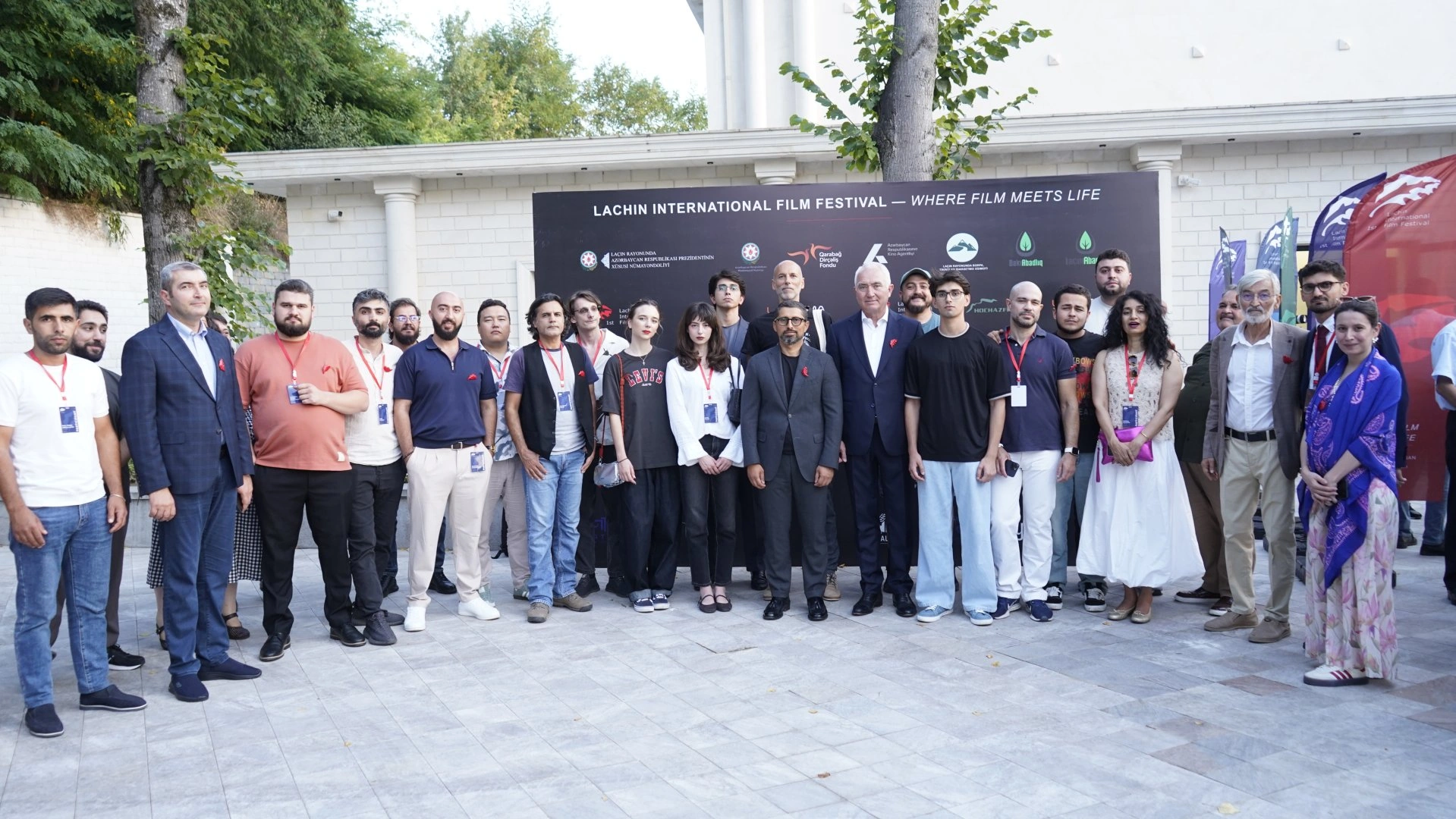
Held under the banner “Where Film Meets LIFE”, it was organised
by the Hoçazfilm studio with the support of the Ministry of Culture
of the Republic of Azerbaijan, the Special Representative Office of
the President of the Republic of Azerbaijan in the Lachin district,
the Karabakh Revival Fund, the Film Agency of the Republic of
Azerbaijan and Bakı Abadlıq Xidməti.
As the first international film festival ever held in Karabakh
and East Zangezur, it showed once again that the reconstruction of
the liberated territories is not a matter of infrastructure alone:
restoring the cultural and civic life of these lands is no less of
a priority.
The festival will be remembered as more than a programme of
screenings — it was a cultural event that embodied the idea of
revival itself. Its significance works on several levels at once:
it brings new creative voices to light, introduces Lachin’s
cultural revival to an international audience, and establishes the
city as a new creative venue on the map of world cinema.
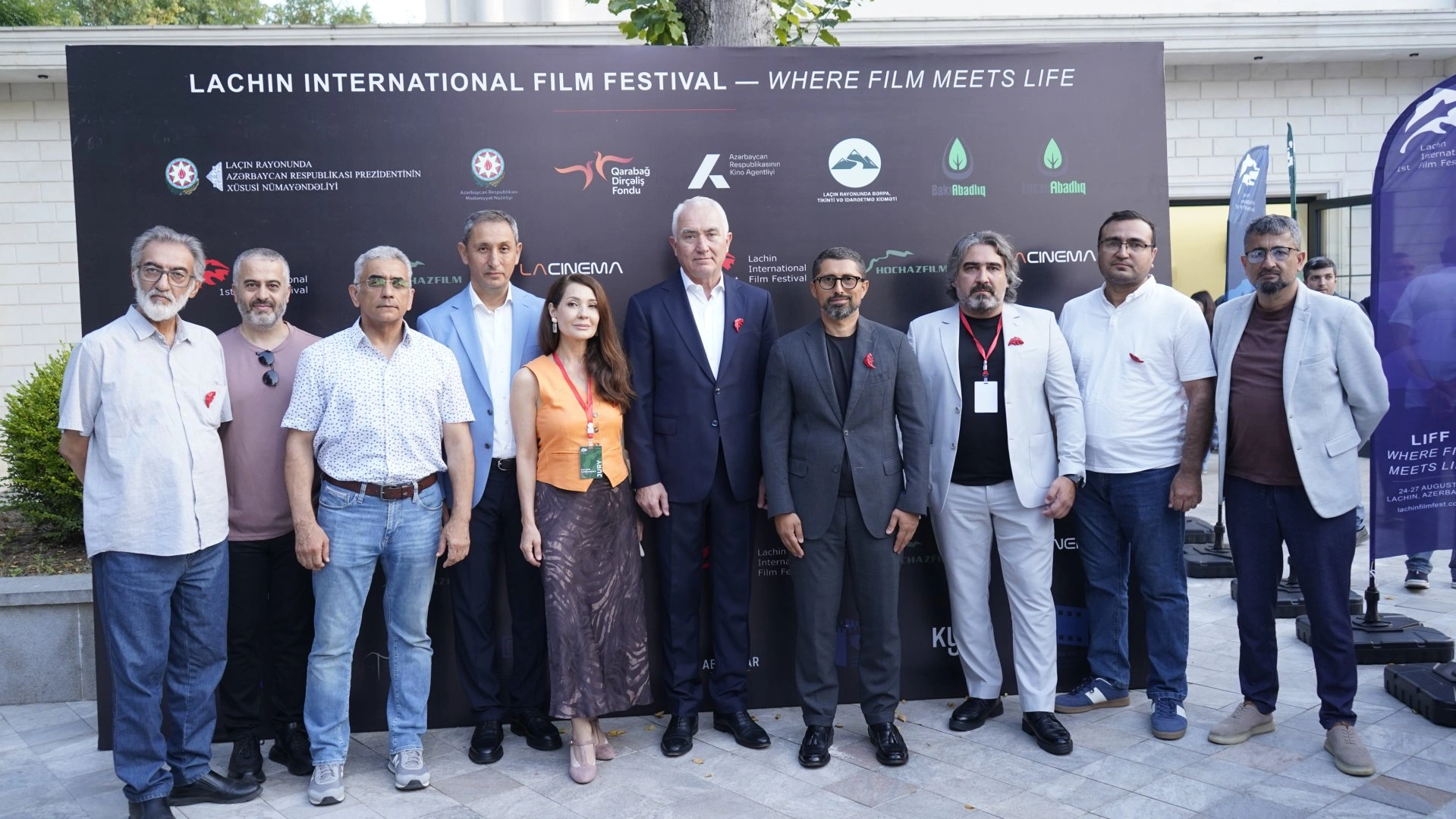
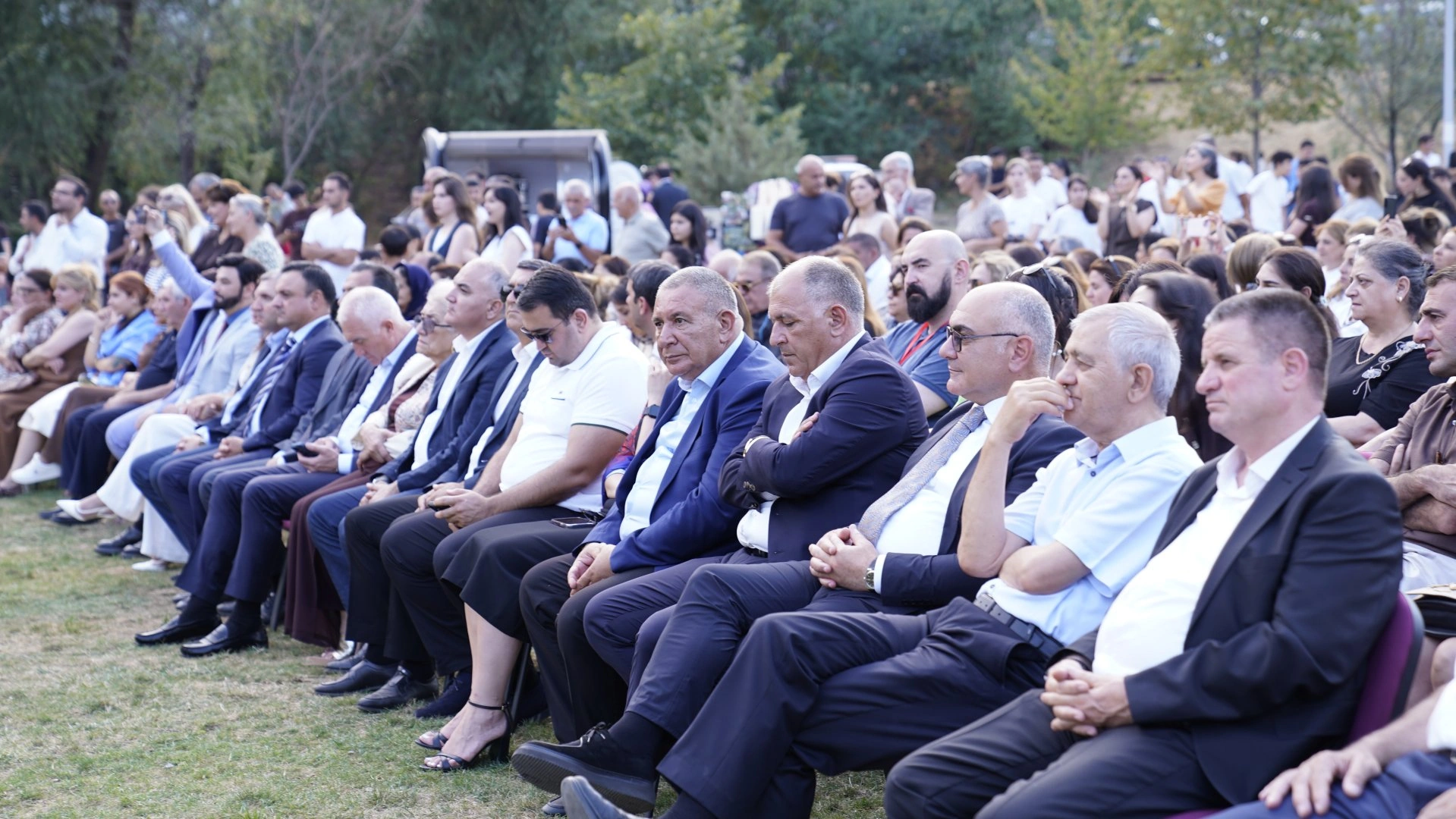
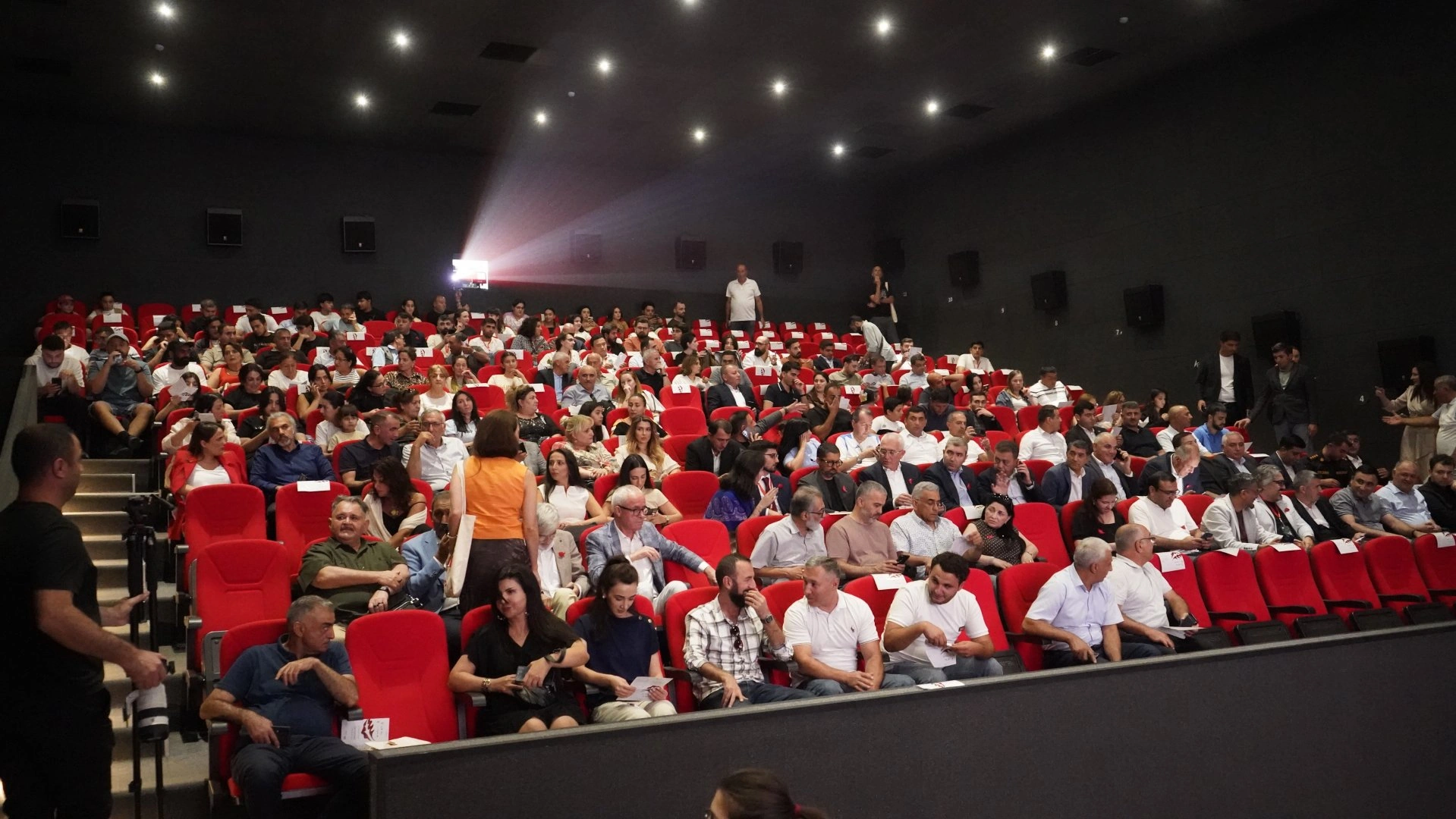
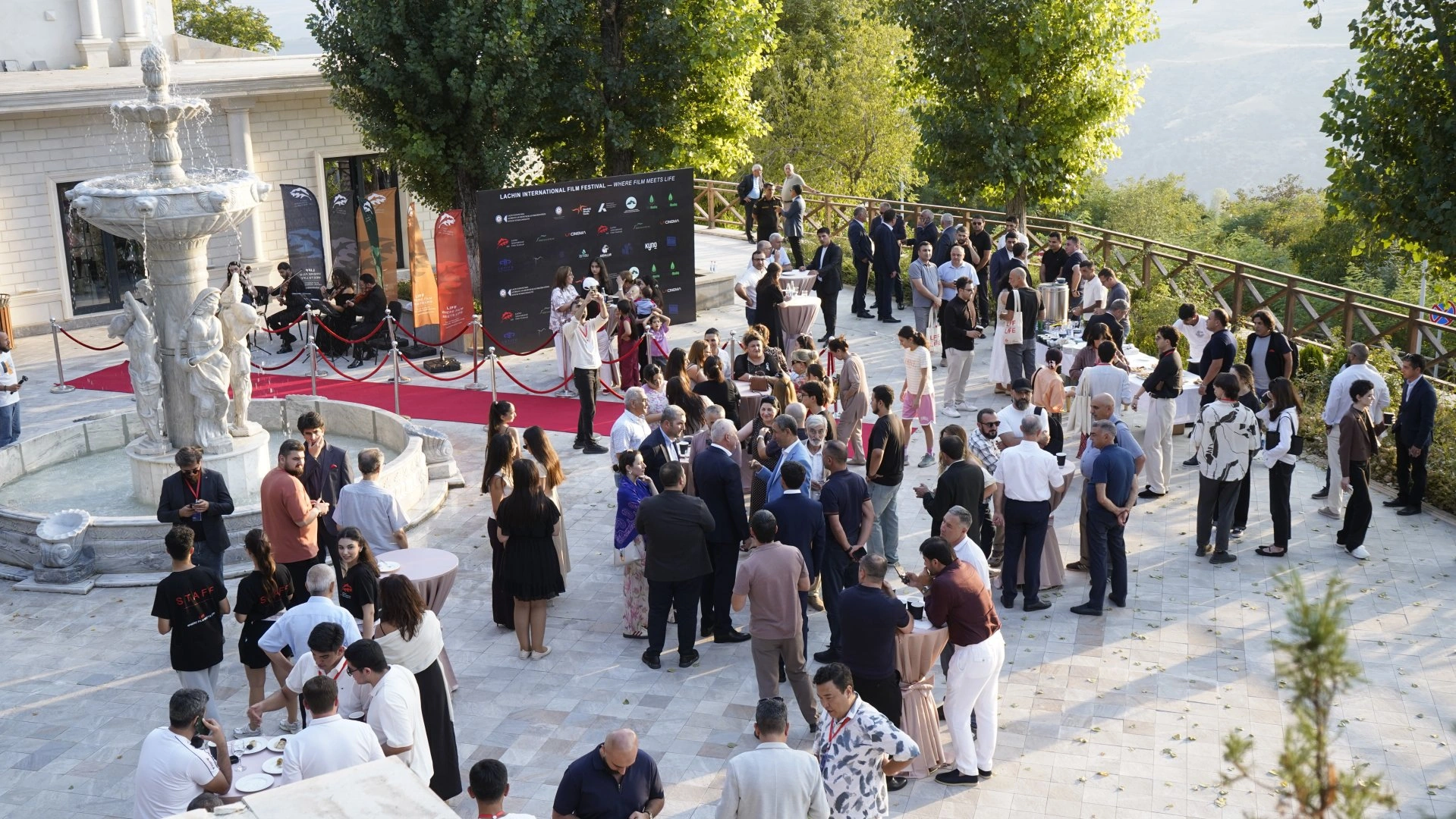
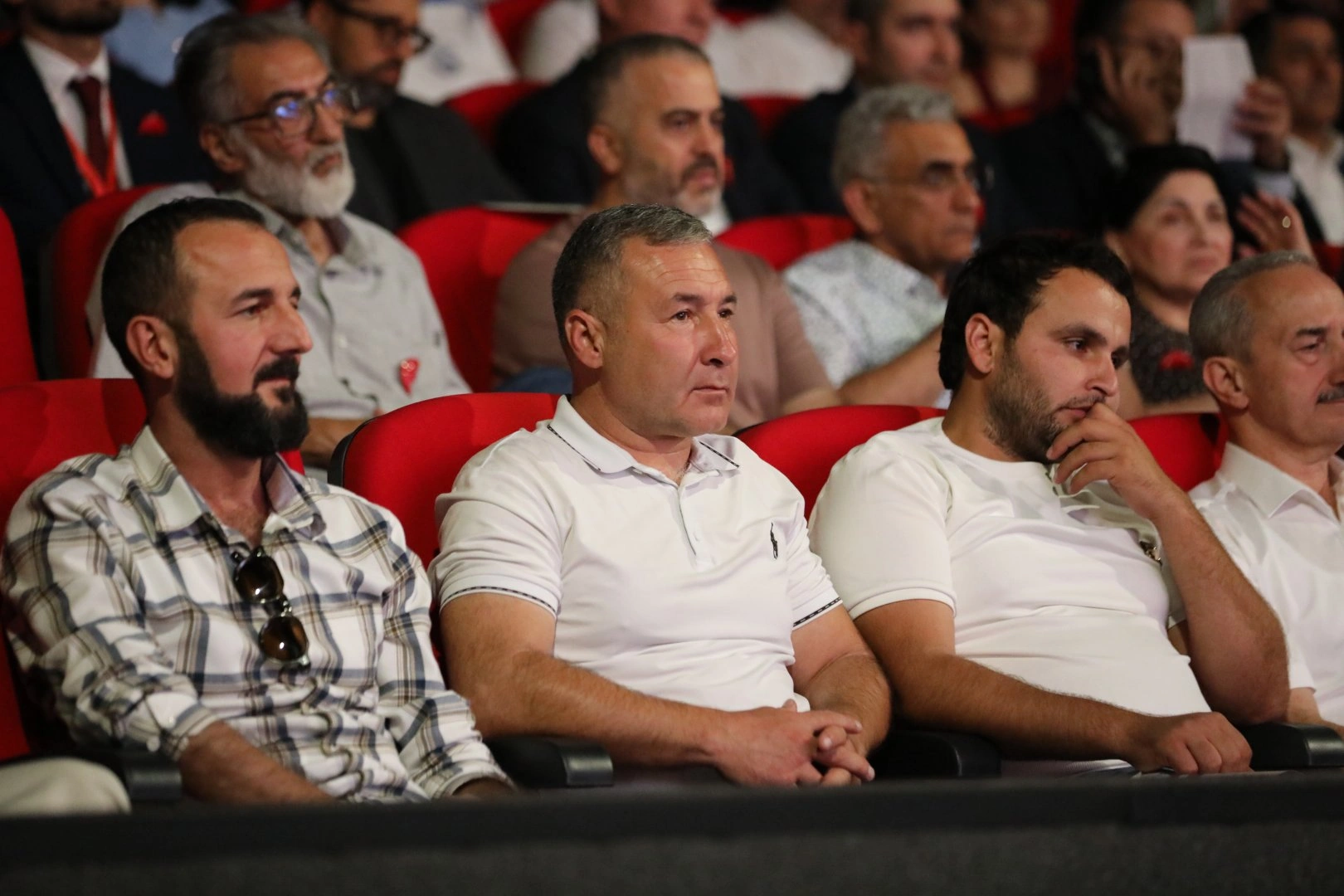
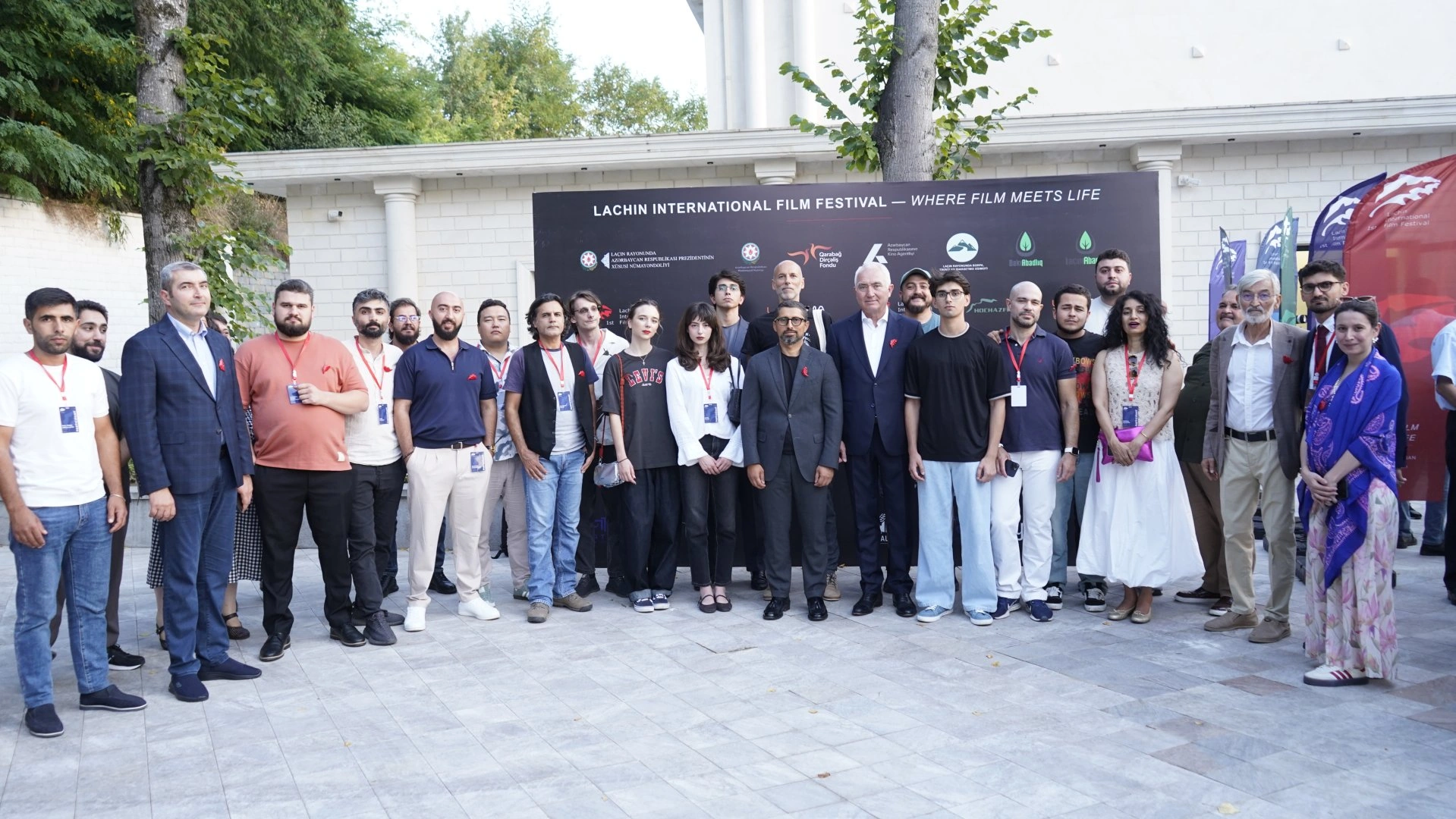
Among those attending were government officials, prominent
figures from culture and the arts, guests from abroad, and
residents and visitors of Lachin.
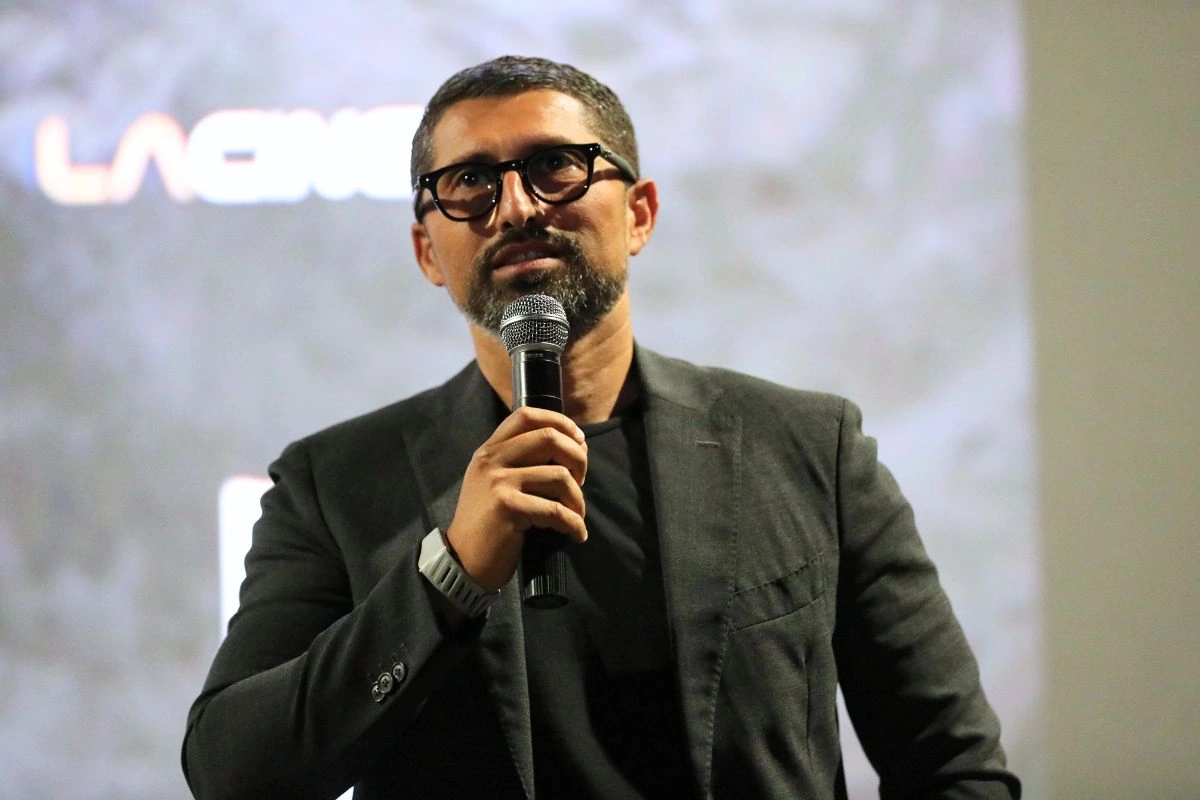
Speaking at the ceremony, Rahman Hajiyev, Chairman of the
Executive Board of the Karabakh Revival Fund, said that alongside
the large-scale reconstruction under way across the liberated
territories, bringing cultural life back to the region remains a
particular priority.
The festival, he said, gives filmmakers from Azerbaijan and
abroad a rare chance to see Karabakh as it is today. He expressed
confidence that the initiative will inspire the international film
community with the story of the region — its past and its present
revival — and encourage filmmakers to take up Karabakh as a subject
in future work.
Close to 300 films from 47 countries were submitted to the
festival, of which 20 titles representing 15 countries were
selected for screening. Among them was a special Karabakh premiere
of the Uzbek film Amir Temur, directed by Jacob
Schwartz.
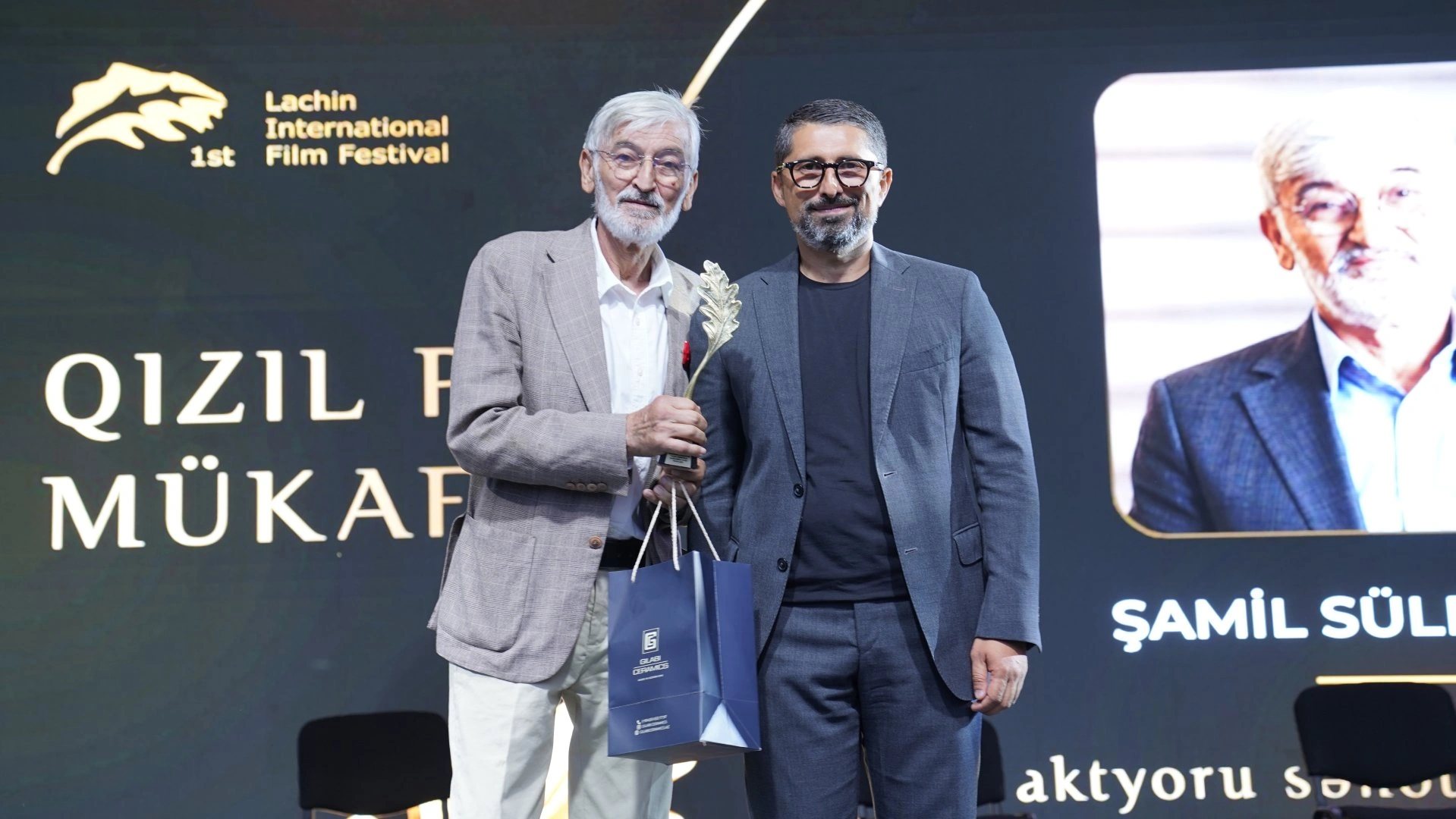
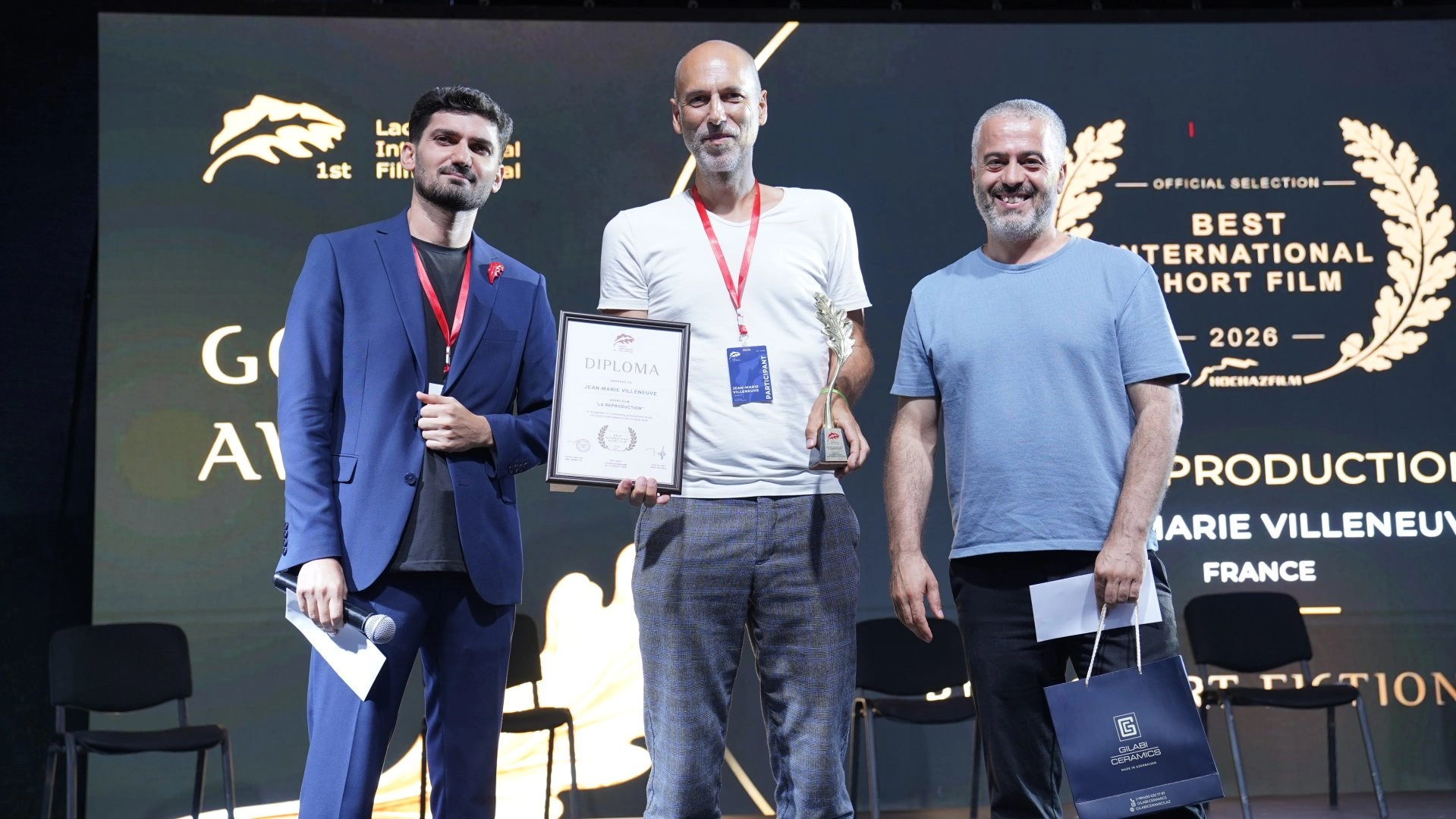
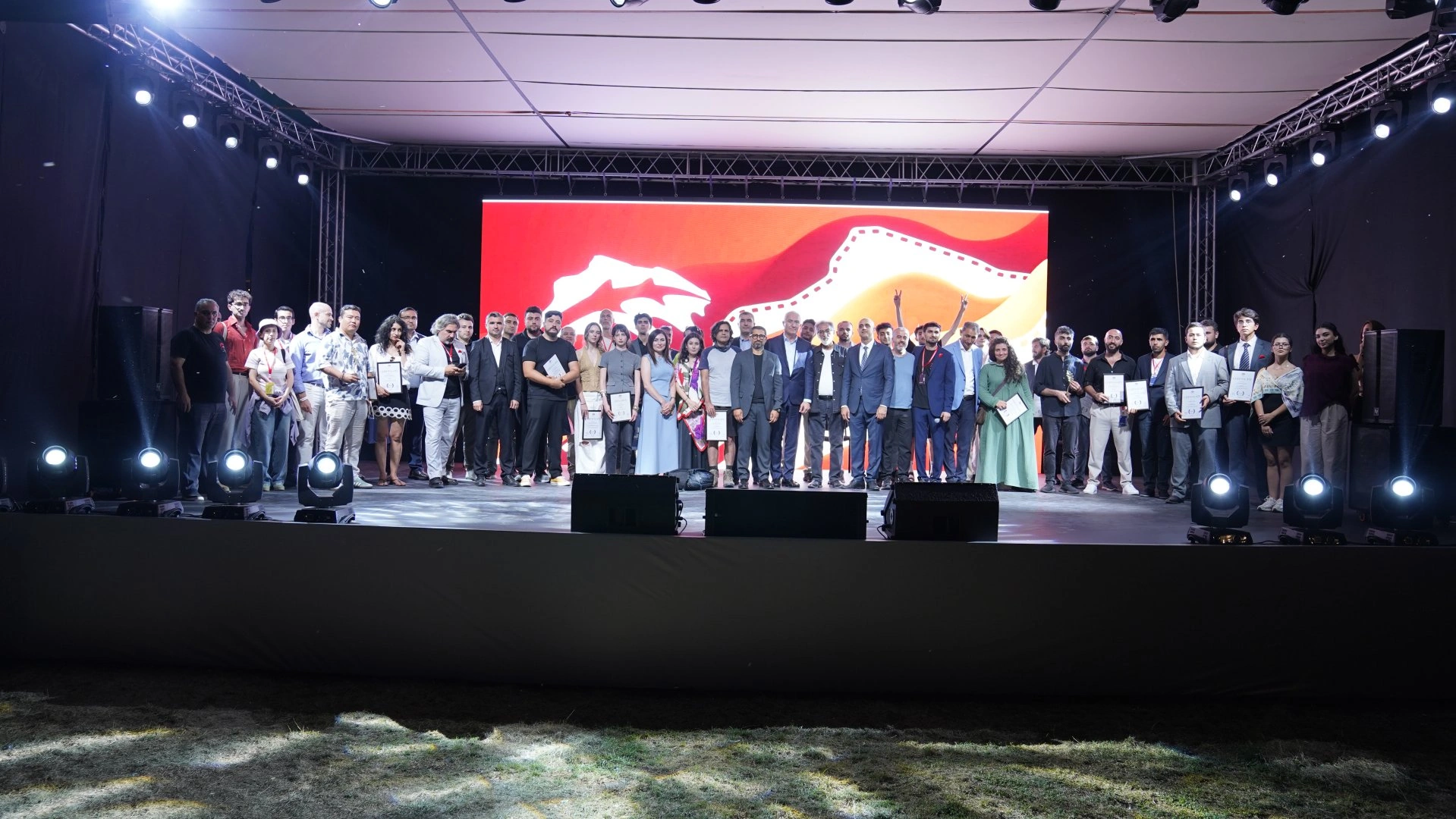
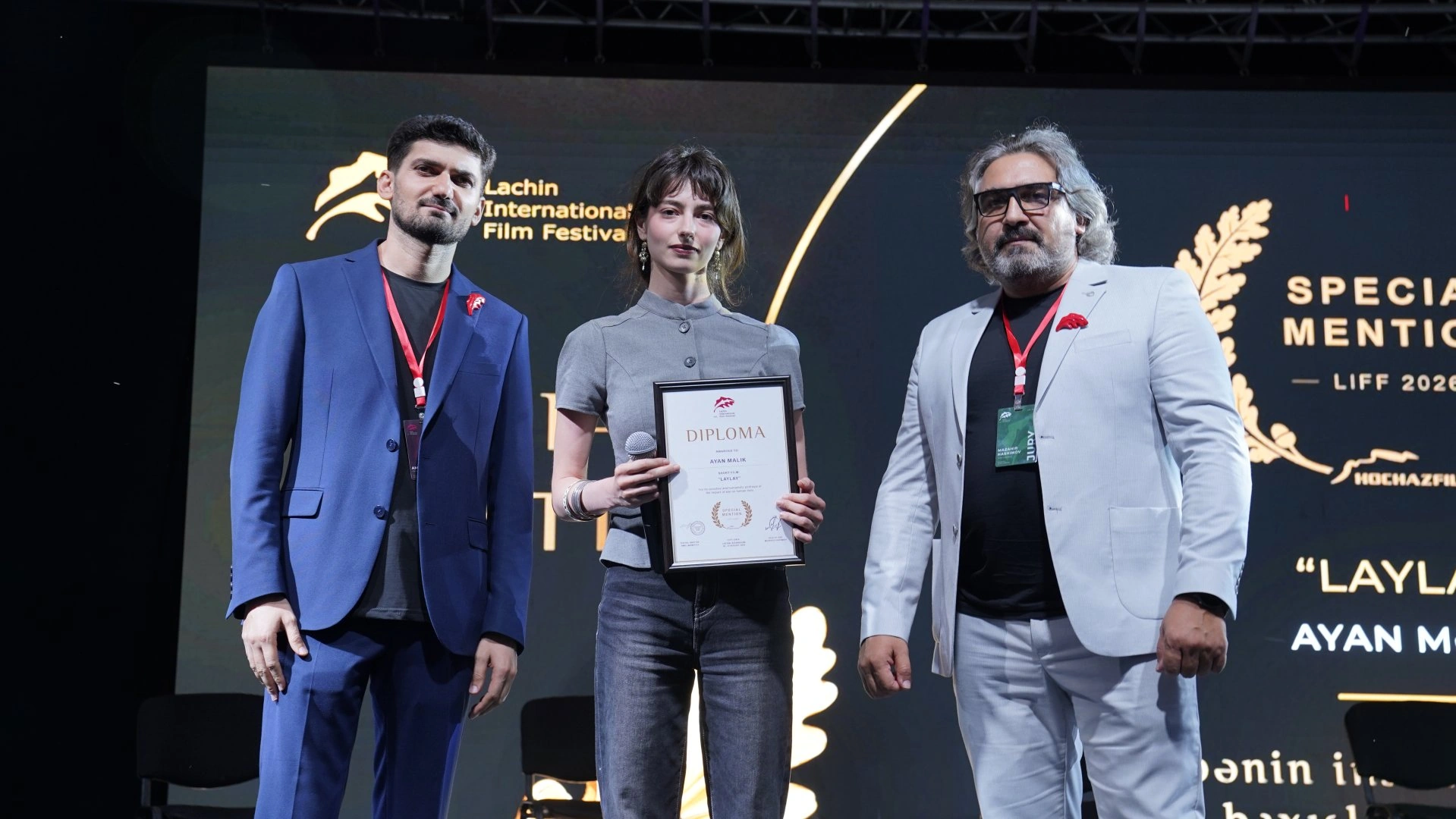
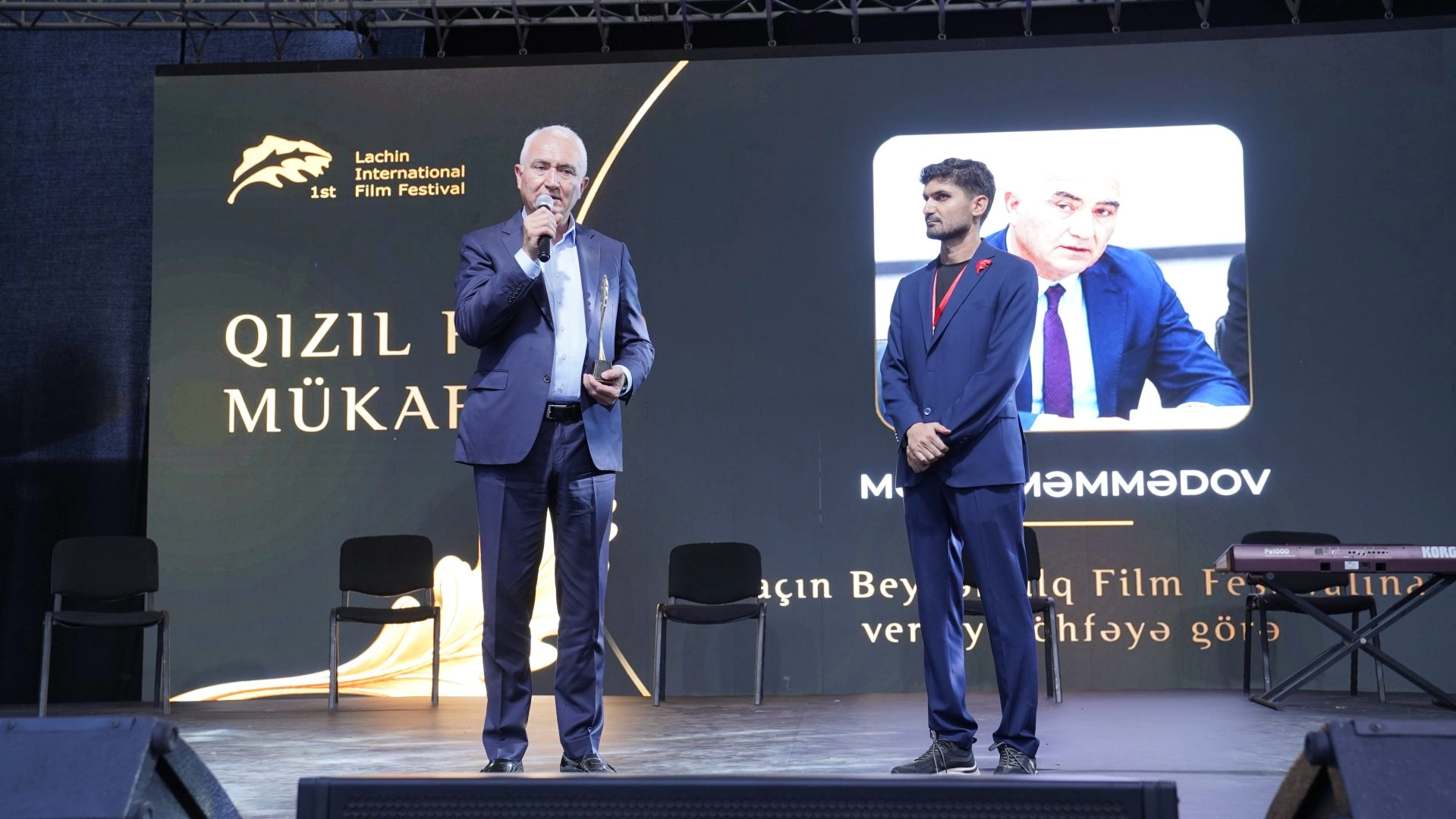
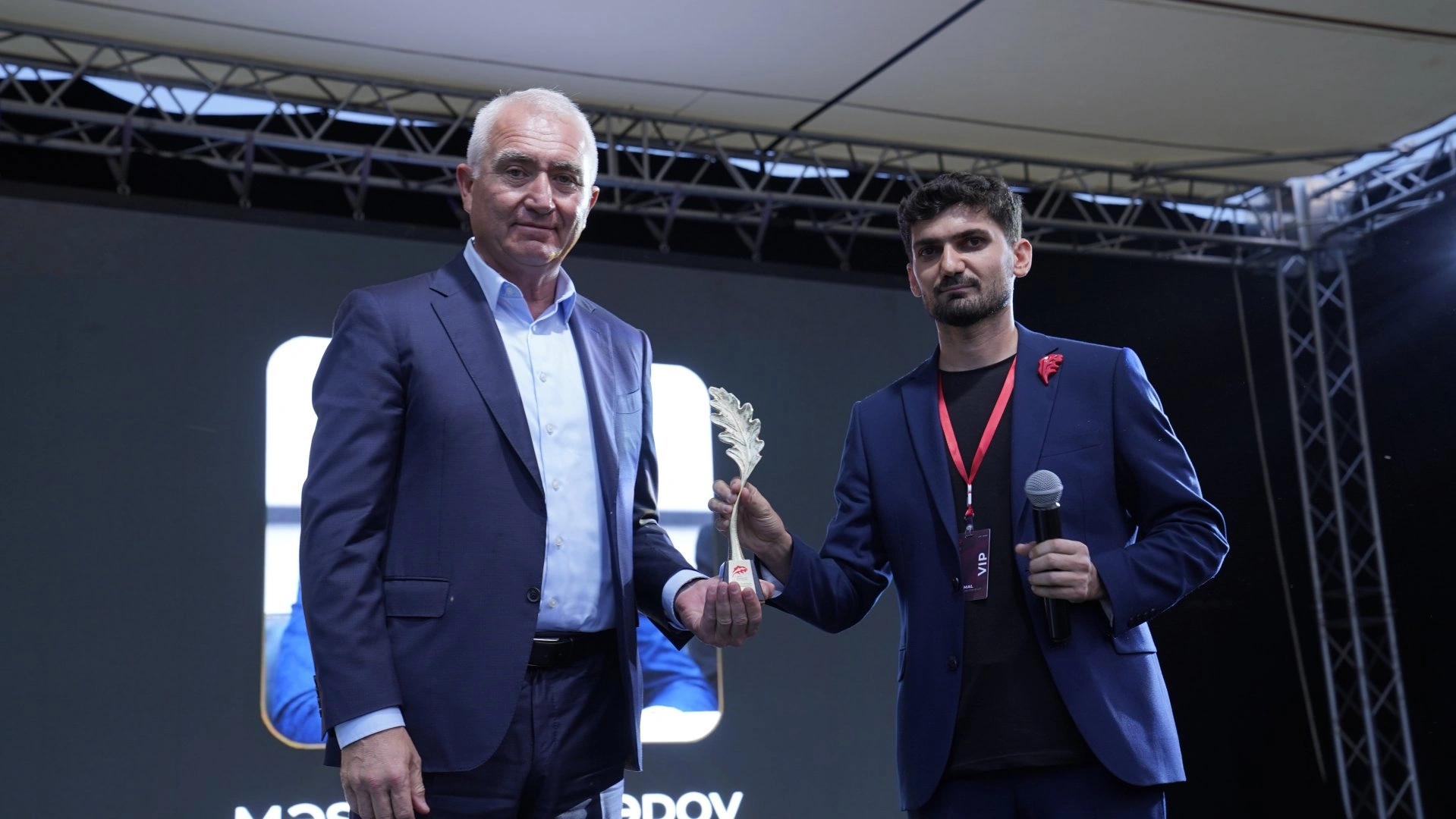
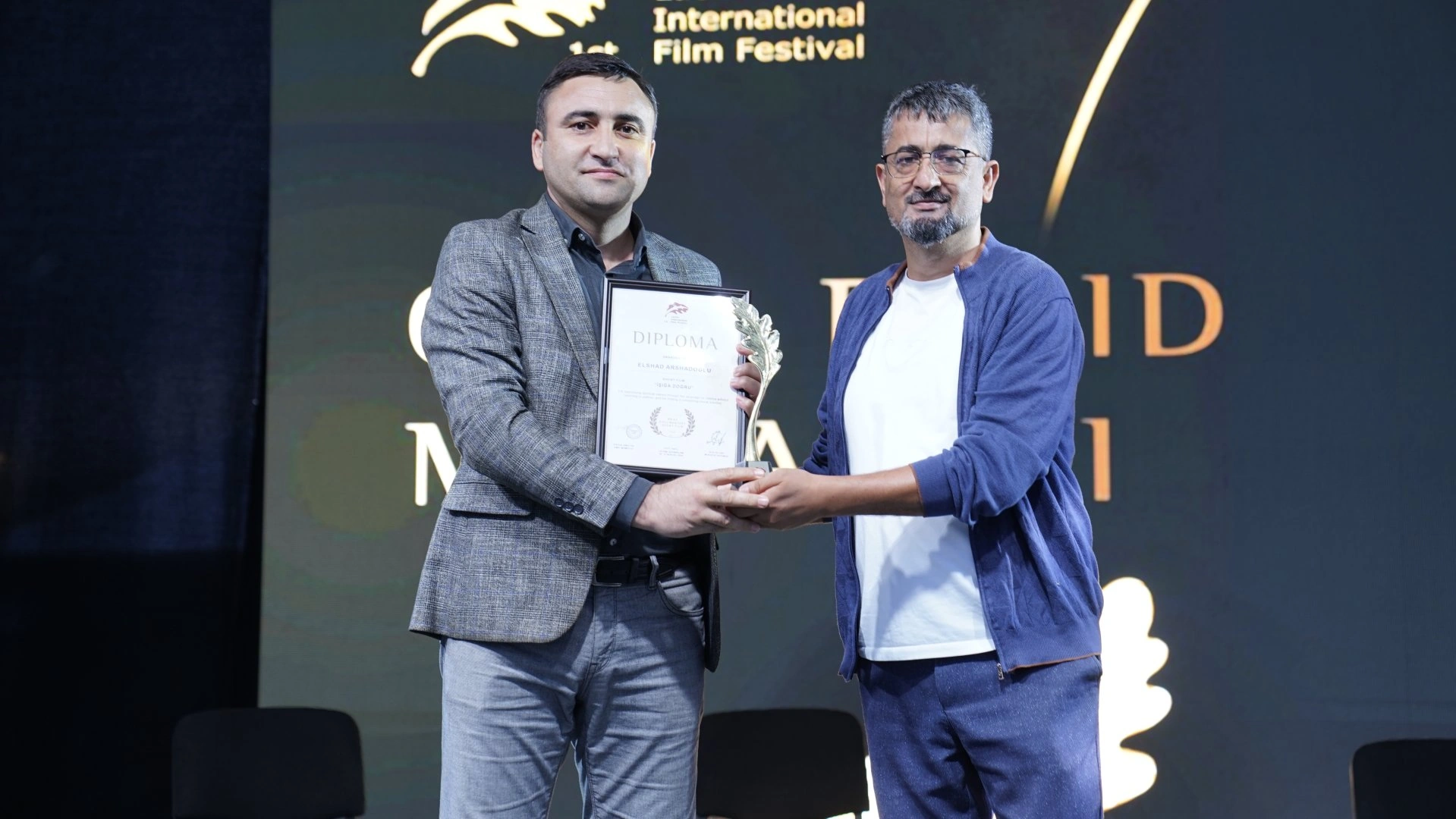
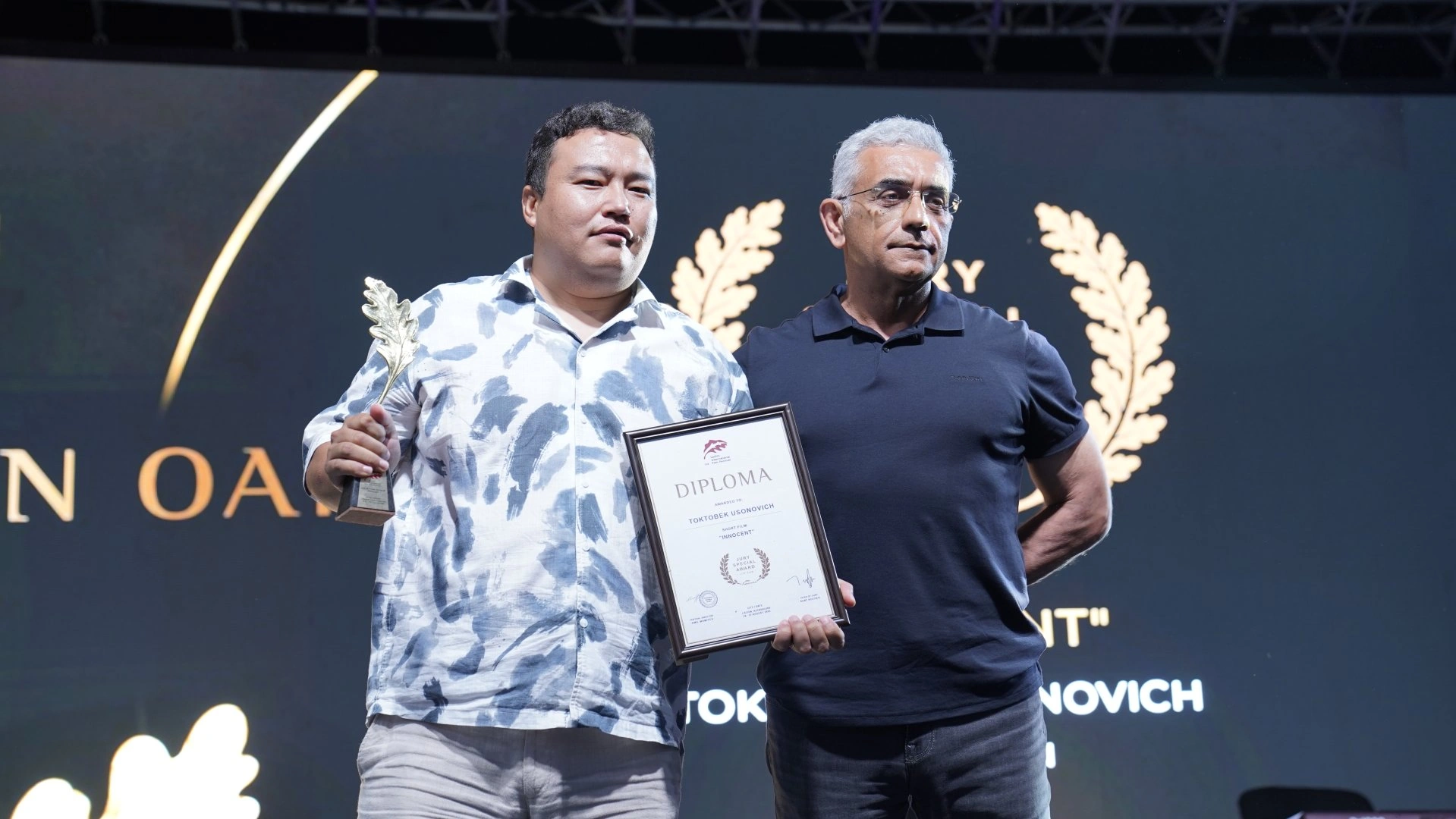
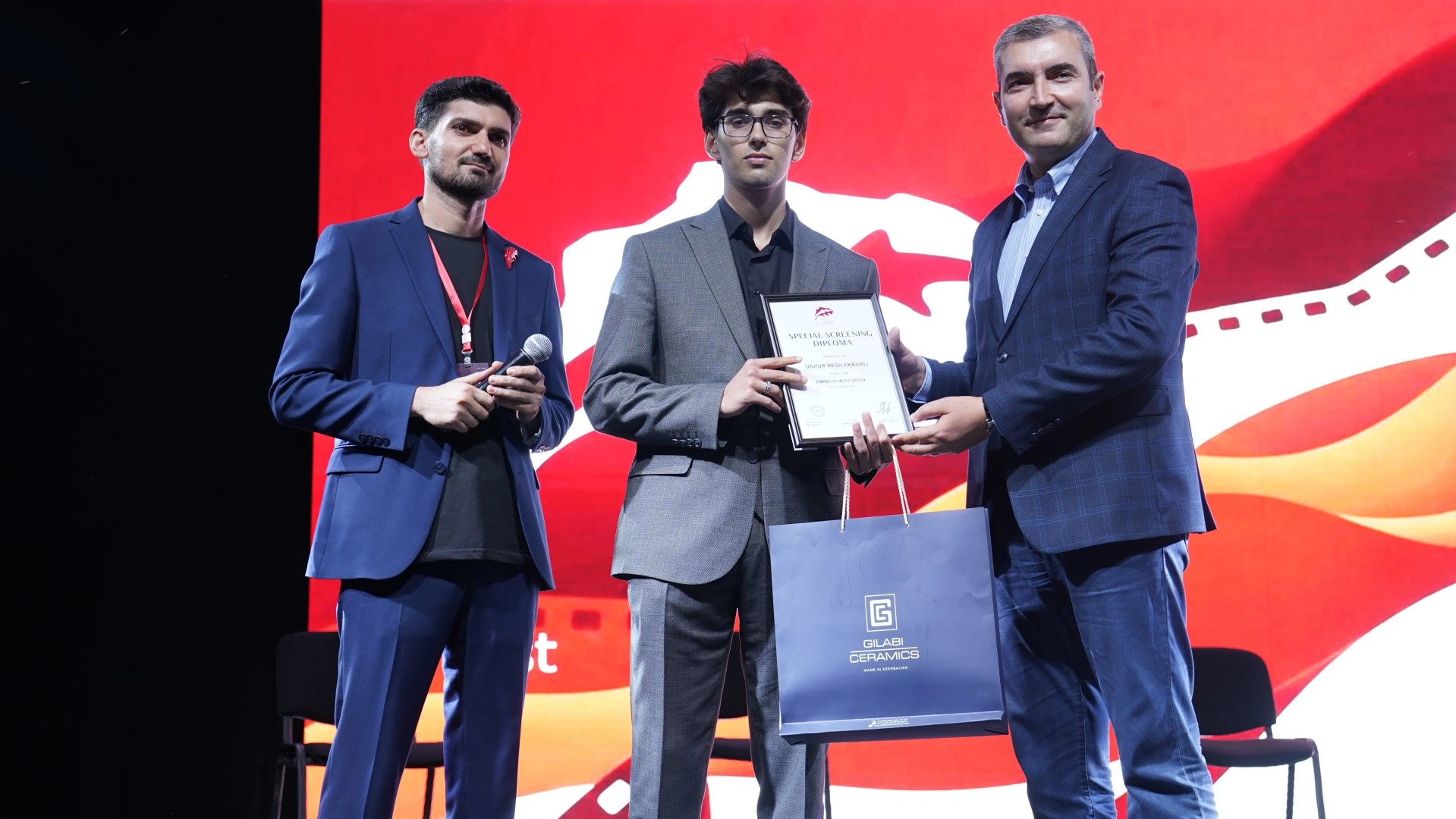
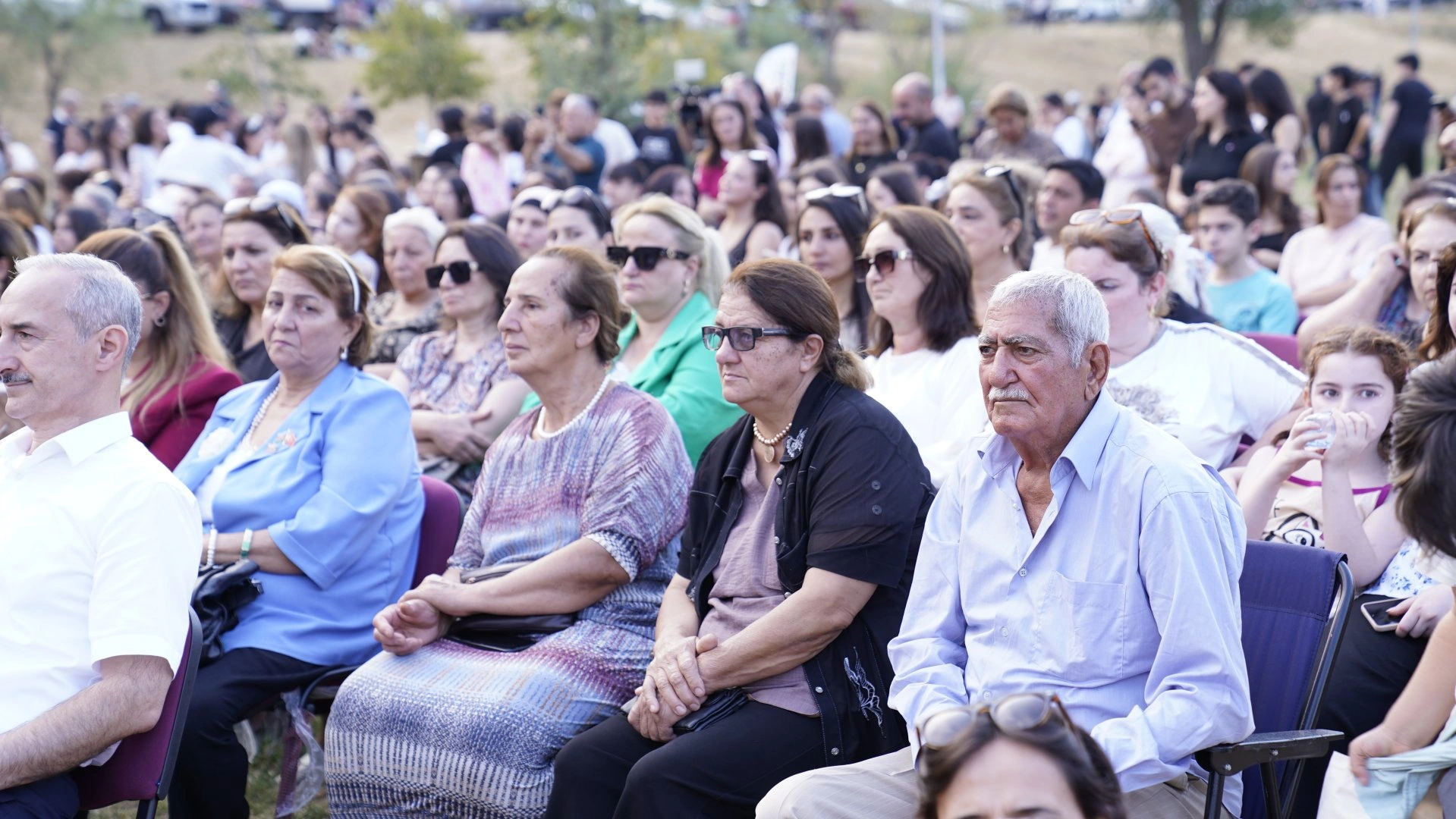
The closing and awards ceremony was held as part of a special
event for Lachin City Day, attended by hundreds of residents and
visitors. Official Selection certificates were presented to 39
participants, and 17 awards were made in total. The festival’s
official prize, the Golden Oak Branch, went to five Azerbaijani and
two international directors.