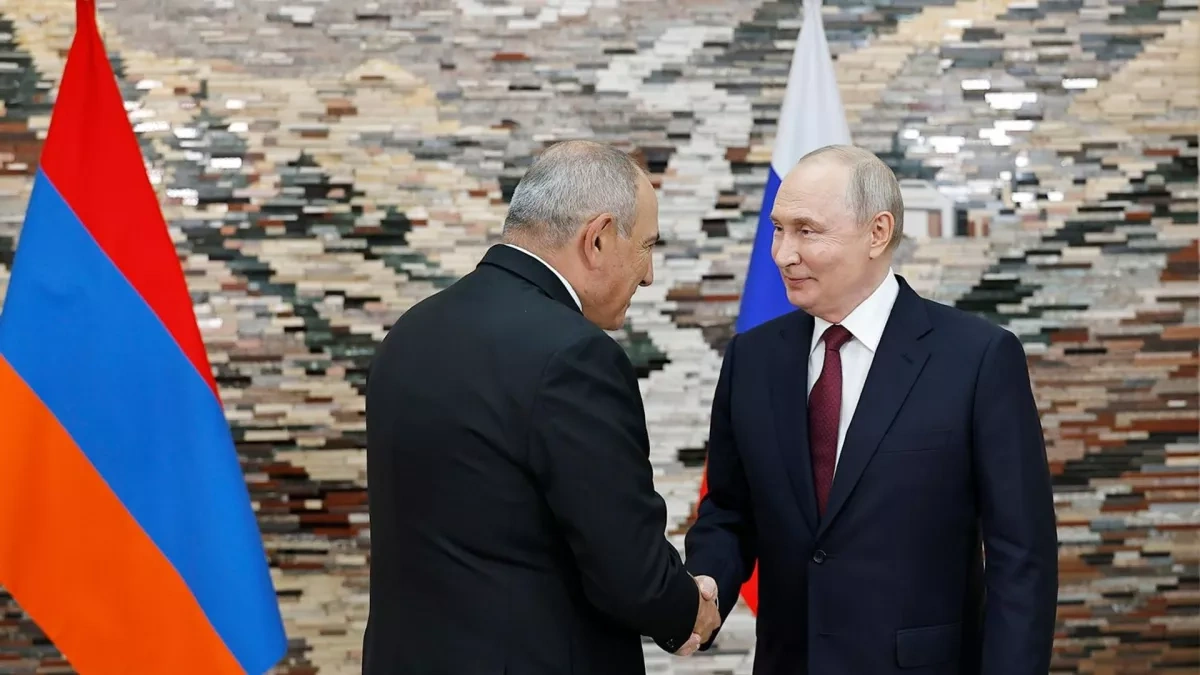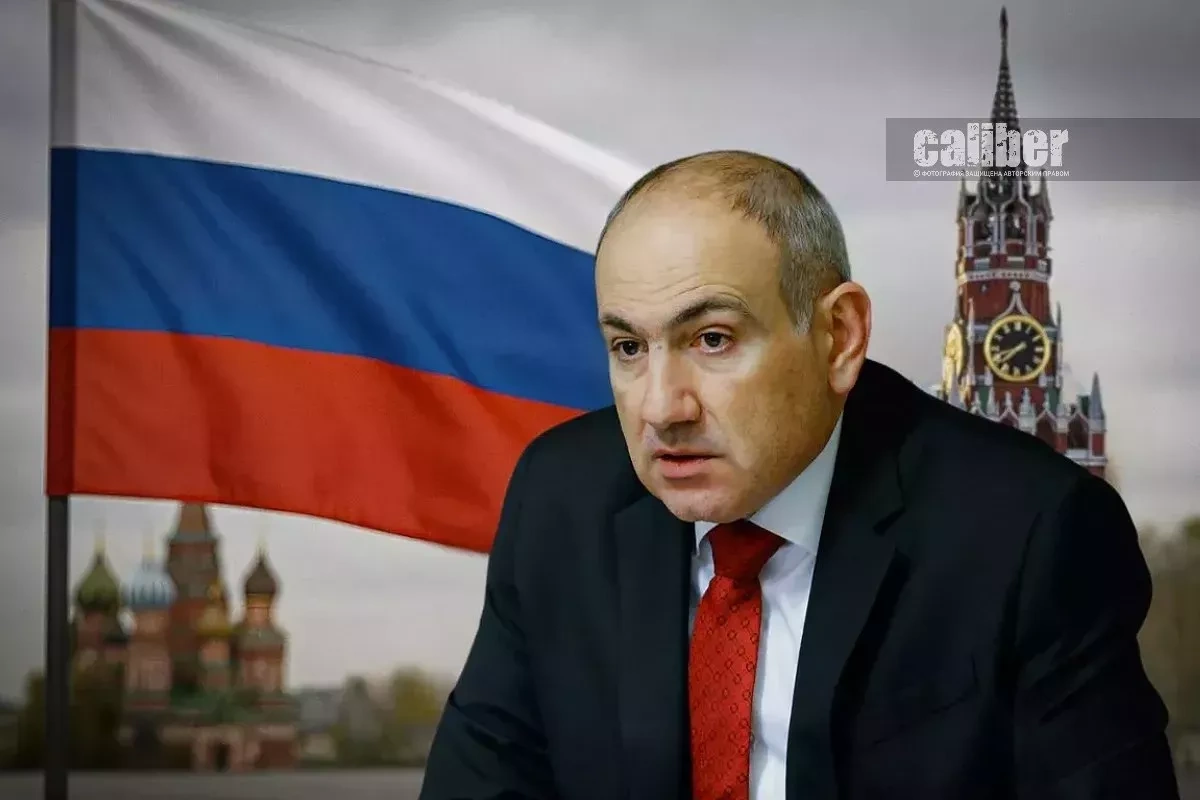
The old model of Russian-Armenian relations is rapidly fading. Yerevan is steadily distancing itself from Moscow and moving closer to the EU, while Russia is responding with increasingly sharp criticism. The September 1 meeting between Russian President Vladimir Putin and Armenian Prime Minister Nikol Pashinyan in Bishkek offered a telling snapshot of this changing relationship.
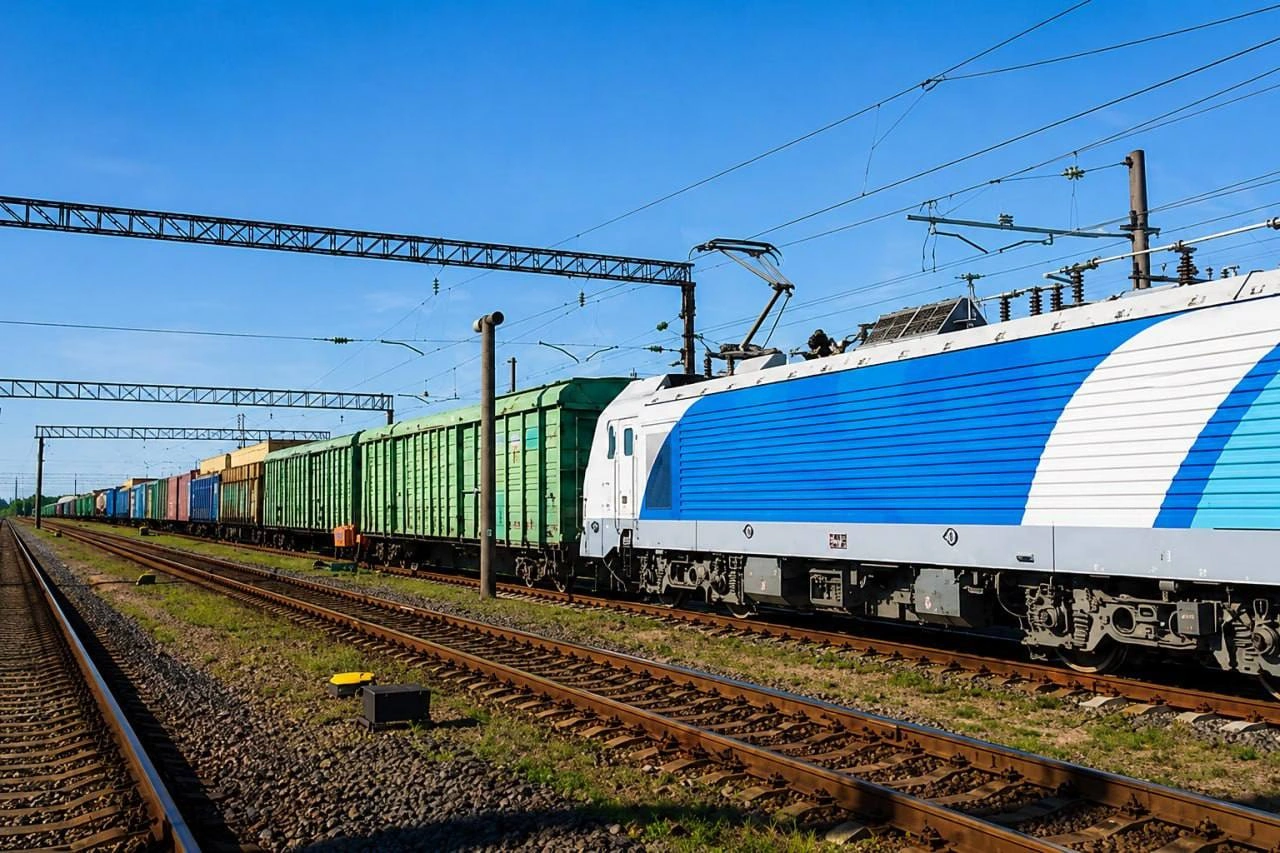
Putin said that launching Armenia’s EU accession process would effectively mean the country’s withdrawal from the Eurasian Economic Union (EAEU), and suggested that the issue should be put to a referendum. He also made clear that Moscow would not invest in restoring railway infrastructure in Armenia unless freight volumes through the country increased.
Pashinyan, meanwhile, stressed that Armenia’s European integration was not directed against Russia or the EAEU, arguing that diversifying the country’s foreign relations was its sovereign right. At the same time, he said Yerevan had not formally notified its partners of any decision to leave the EAEU.
Pashinyan also said that he and Putin had agreed to conduct a comprehensive review of the concept of “Armenian-Russian relations” and clearly define the areas where Moscow and Yerevan’s interests coincide, as well as those where their positions fundamentally diverge.
How do Moscow and Yerevan view the current state of their relationship? Armenian and Russian political experts shared their assessments with Caliber.Az.
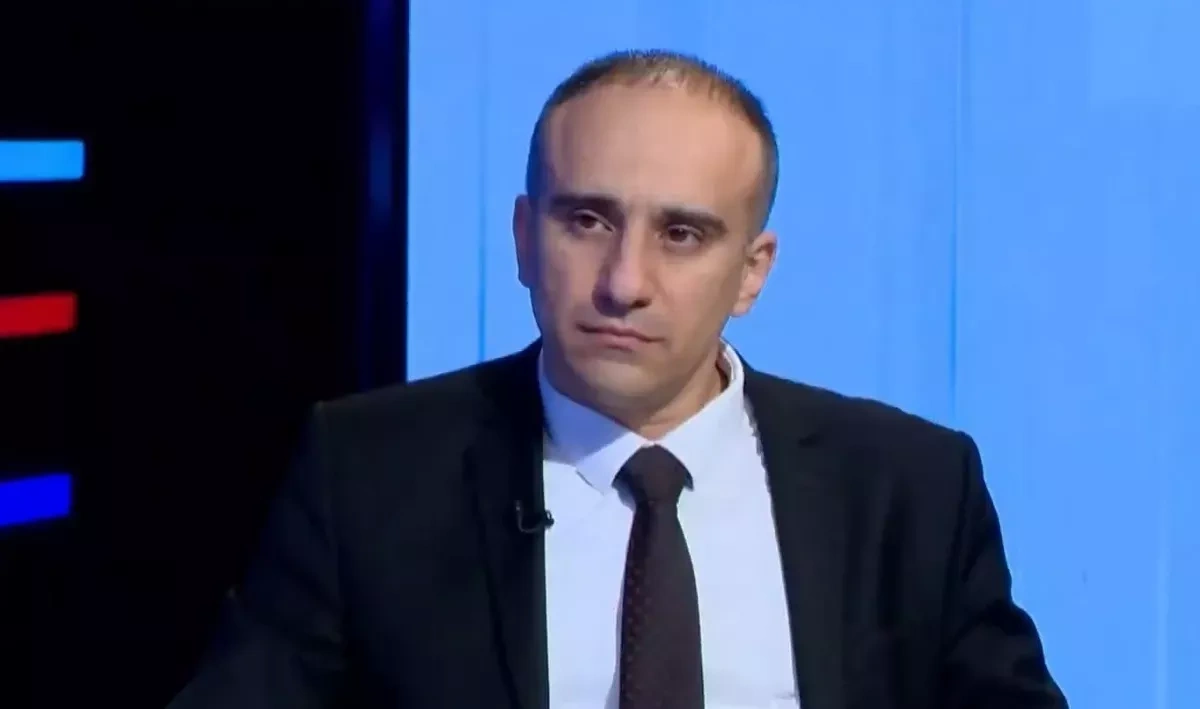
Political analyst and research fellow at the Armenian Council research centre Robert Ghevondyan believes that Russian-Armenian relations are currently in poor shape.
“Russia is no longer described as a strategic ally in Armenia’s new government programme. Instead, the document refers only to cooperation and its further development. Diversifying Armenia’s relations with Moscow, while taking into account the interests of Armenian society, is now the only course that can help preserve the republic’s statehood and ensure its continued stability in the region.
At the same time, Russia is not yet ready to accept that Armenia is no longer its outpost — and does not want to be one. An increasing number of steps taken by Yerevan, particularly in foreign policy, without coordination with Moscow are being perceived in Russia as hostile. This is especially painful for Moscow, which until 2022 remained the key actor in decision-making not only in Armenia but across the region as a whole,” the expert stressed.
According to Ghevondyan, the erosion of Russian influence in Armenia is inevitably affecting Moscow’s position in the South Caucasus as well.
“Until 2022, Armenia was one of the main instruments through which Russia projected its influence and capabilities across the region. Through Yerevan, Moscow could exert influence not only over Azerbaijan but also over Georgia, while maintaining significant leverage over developments in the South Caucasus. Therefore, the deterioration of relations with Yerevan means that Russia is losing not only some of its positions in Armenia, but also part of its influence across the region as a whole. This is also reflected in Moscow’s relations with Azerbaijan and Georgia,” the political analyst noted.
At the same time, Ghevondyan believes Moscow is mistaken in assuming that Armenian society opposes the foreign policy course pursued by the current authorities.
“Moscow is trying to exploit and deepen divisions between the Armenian authorities and society through pressure, economic restrictions and other measures. But I disagree with this assessment. Armenian society wants to diversify its relations with Russia, perhaps even more decisively than the Armenian government itself. The reason is that over the past five or six years, Russia has come to be seen by many ordinary Armenians as an unreliable partner. Therefore, the changes in Yerevan’s foreign policy cannot be explained solely by the decisions of the current authorities. To a large extent, they reflect a demand coming from Armenian society,” the expert said.
Gevondyan also noted that diversification inevitably means reducing Russian influence in a number of areas.
“Although the Armenian authorities say that diversification is being pursued ‘at no one’s expense,’ this is practically impossible. Until 2022, Russian influence across various sectors of Armenia was so extensive that any effort to develop cooperation with other states and international organisations would inevitably come at Russia’s expense. There are few areas in Armenia where diversification could take place without affecting Russian interests. Therefore, any move by Armenia toward other partners is extremely painful for Moscow. In my view, Russia now essentially has only one significant instrument left to exert pressure on Armenia: the economic lever,” Gevondyan stressed.
Assessing Moscow’s possible next steps, the expert believes Russia’s room to intensify pressure on Armenia is limited.
“Given that Russia is heavily preoccupied with the war in Ukraine, it has virtually no tools left to significantly increase pressure on Yerevan. To some extent, Russia has already used most of the means at its disposal against Armenia — from the developments surrounding Karabakh in 2020 to economic restrictions and attempts to exacerbate the political climate inside Armenia.
The only remaining option would perhaps be direct military intervention. But I do not think Russia would resort to such a step now, partly because of the situation in Ukraine. Moreover, Russia does not share a border with Armenia, making such a scenario highly unlikely. Moscow may continue to apply economic and political pressure and use other levers, including in the transport and gas sectors,” the political analyst said.
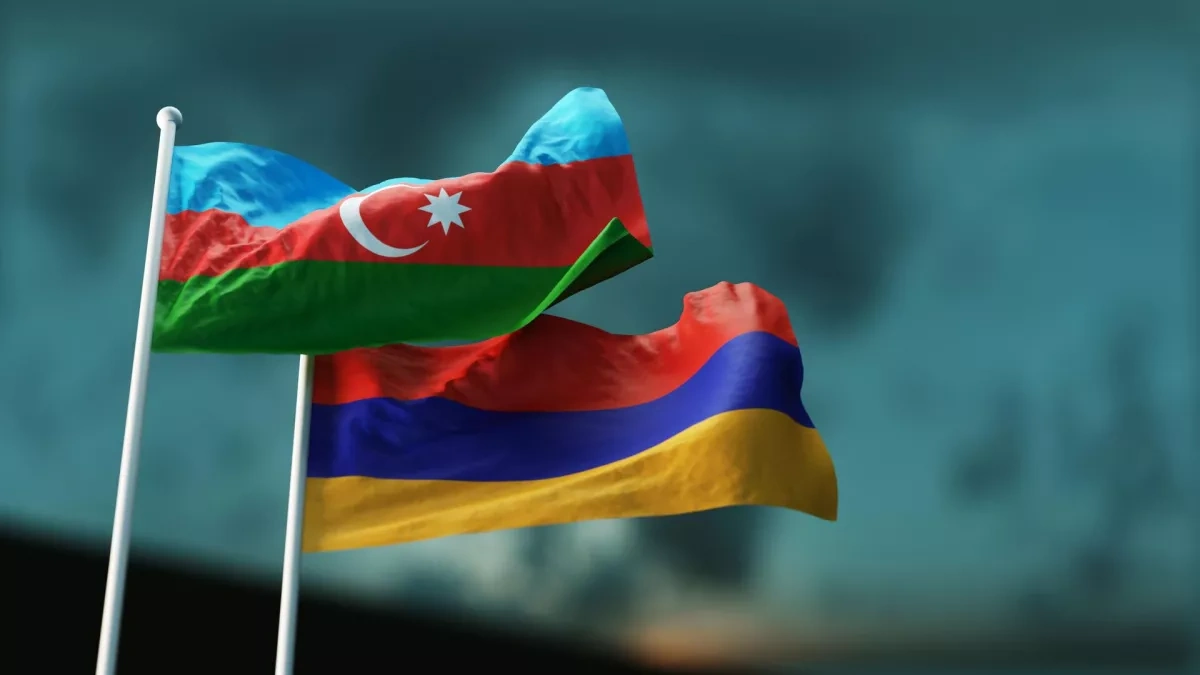
At the same time, he believes Yerevan is gaining new opportunities to counter Russian pressure, including through the normalisation of relations with Azerbaijan.
“Azerbaijan could supply gas to Armenia, as well as provide access to communications and transport routes. This could complement the current Armenian-Azerbaijani agenda and enable the two countries to jointly prevent Russian pressure from returning to the level seen before 2022. I believe Azerbaijan also does not want Moscow to dictate what should be done with the region and its states. Therefore, Yerevan and Baku may have certain overlapping interests in this regard.
Relations between Armenia and Russia are indeed difficult at present. They are more complicated than ever before. But Armenia has acquired new tools and opportunities. Nikol Pashinyan, for example, has spoken about this, noting that under the new circumstances, relations between Armenia and Russia should be built along new
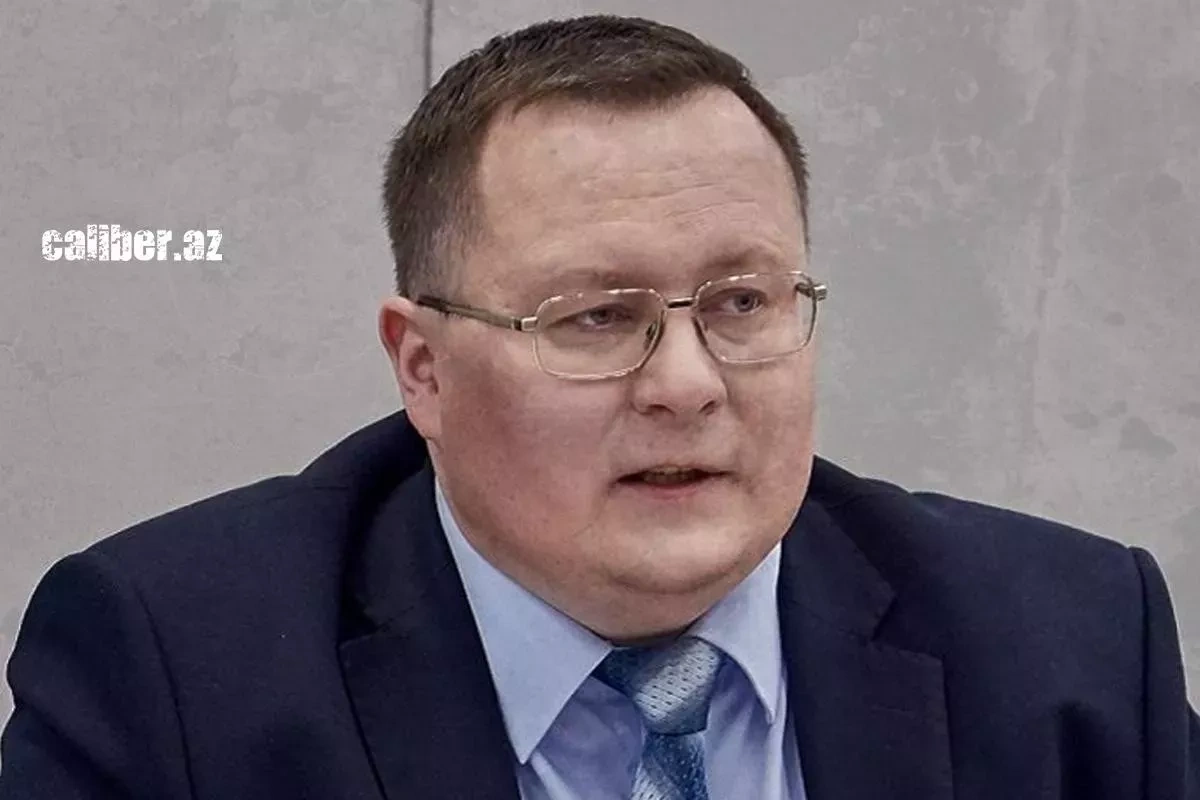
Russian political analyst and Eurasia expert Alexander Razuvaev believes that since the outbreak of the Ukraine war, the Russian leadership has become particularly sensitive to developments in countries where Moscow has previously invested substantial resources and provided various forms of financial support.
“Of course, Armenia is not Belarus, where truly substantial resources have been invested and subsidies have reached 15% of GDP. But it is important to understand that this is also about Armenia’s behaviour. The country is a member of the Eurasian Economic Union and, until recently, was also a member of the Collective Security Treaty Organization (CSTO). Therefore, what is happening is perceived in Moscow not simply as a shift in one country’s foreign policy course, but as a signal to other states belonging to Russia-led integration structures.
The general position of the Russian authorities is that goodwill must be earned. You cannot simultaneously enjoy all the benefits of cooperation with Russia while moving in a completely different geopolitical direction,” Razuvaev noted.
According to the political analyst, the broader geopolitical transformation of Eurasia, in which the Turkic world is gaining increasing importance, also plays a significant role in shaping the current situation.
“As Lev Nikolayevich Gumilev wrote, if Russia is to be saved, it will be through Eurasianism. Today, we see developments that confirm the particular importance of this approach. For example, Kazan will host the World Nomad Games in 2028. There is growing discussion about the emergence of a distinct Russian-Turkic space. At the same time, relations between Armenians and the Turkic world are, to put it mildly, tense. Taken together, all these factors help shape the current situation.
If Armenia, for example, had recognised Crimea, or if Armenian volunteers had taken part in the fighting in Donbas, Moscow’s attitude toward Yerevan might be different today. But Armenia chose a different
Armenia is located in a different part of the region, and its economic and logistical opportunities are closely tied to its surroundings. Moving toward a rupture with Russia could have very serious consequences for Armenian statehood.
Russia will act firmly enough to discourage others from following the same