BAKU, Azerbaijan, September 7. In the early
years of its independence, Azerbaijan had to simultaneously build a
state, wage war, and overcome a severe international information
blockade.
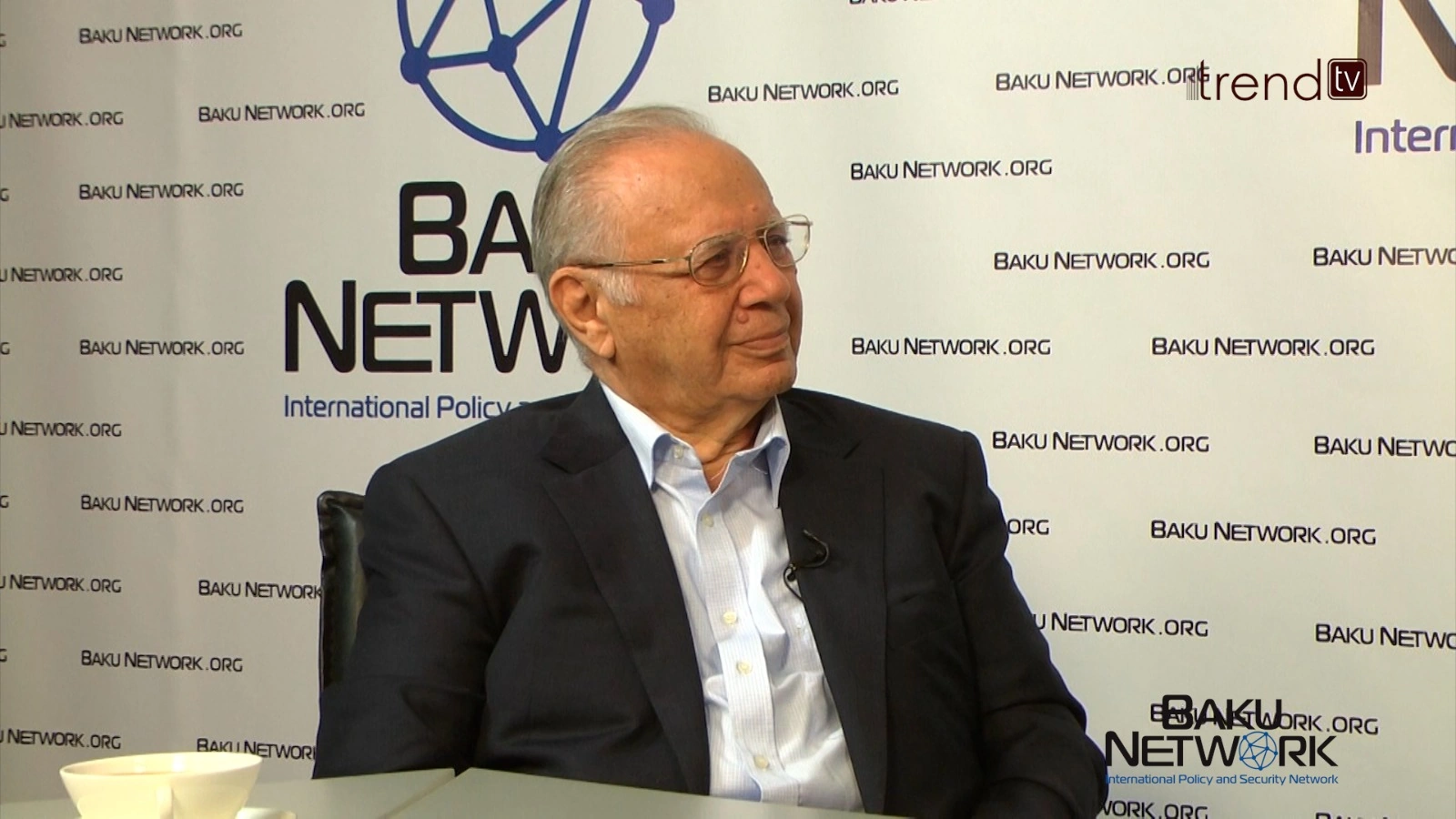
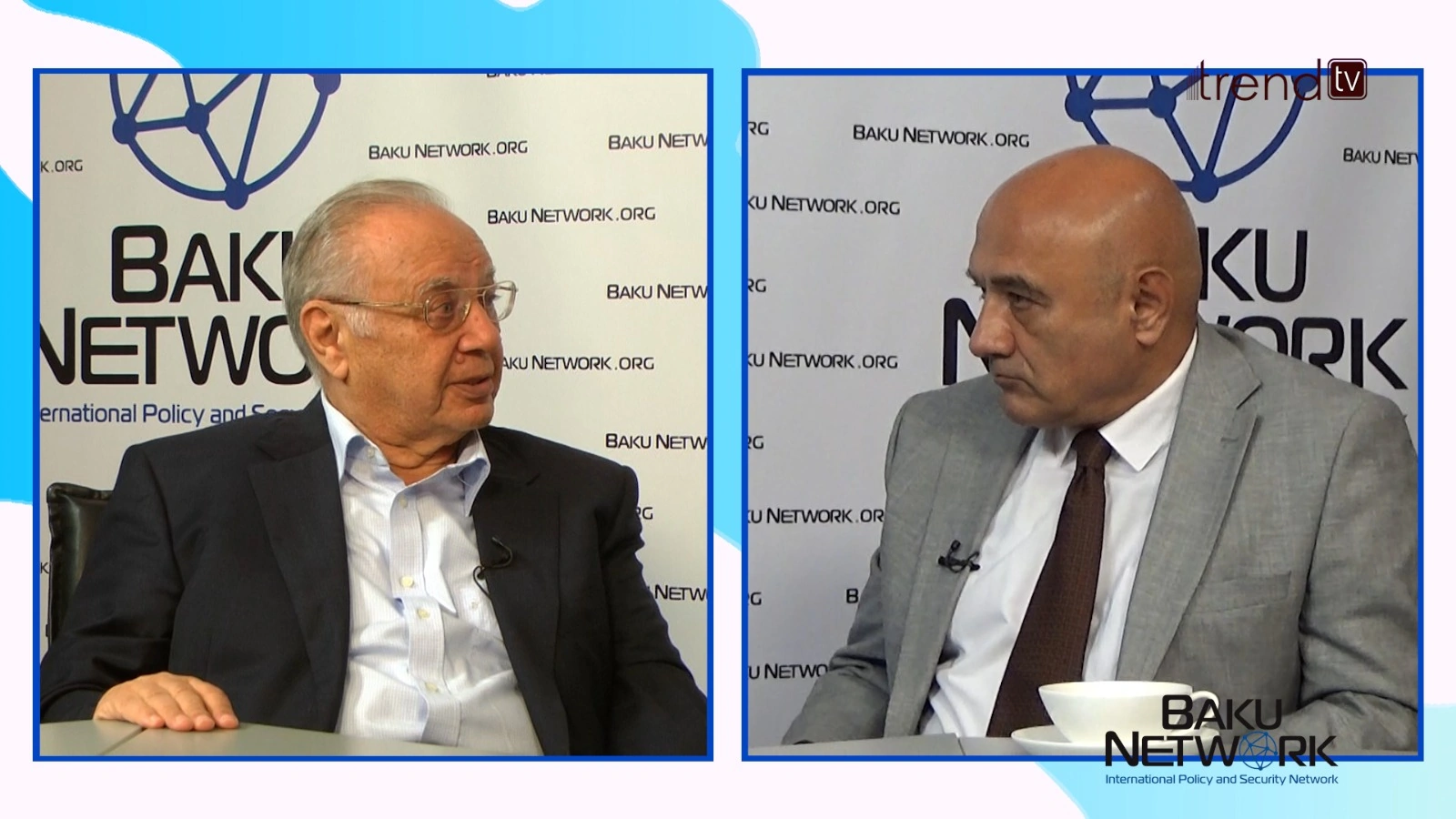
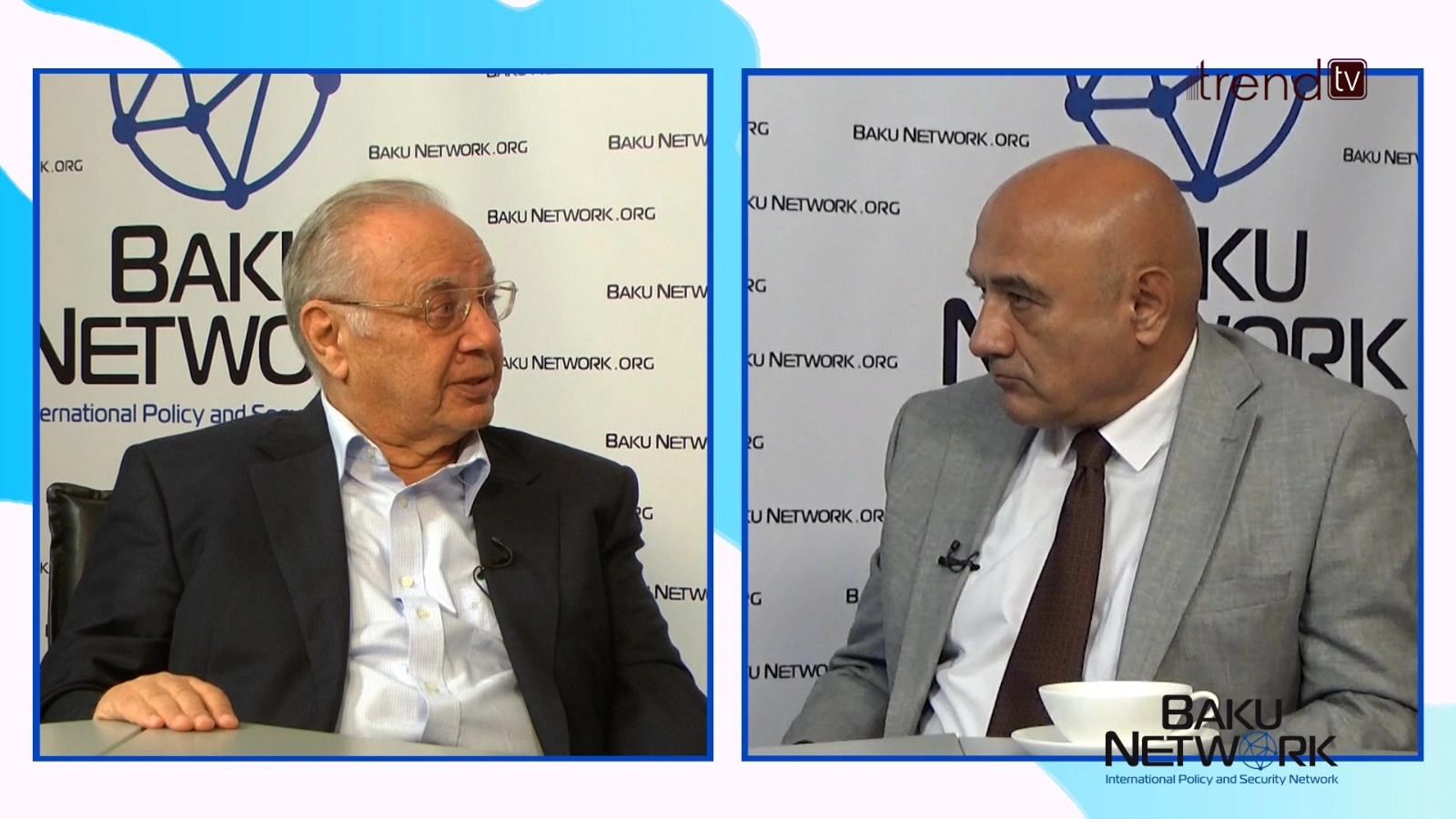
This was stated by Hasan Hasanov, a prominent statesman and
public figure, former Prime Minister and Minister of Foreign
Affairs of Azerbaijan, in the latest episode of the Baku Network’s
analytical video series “Dialogue with Tofig Abbasov.”
According to him, the restoration of Azerbaijan’s independence
coincided with one of the most difficult periods in the country’s
modern history.
He noted that in the early 1990s, Azerbaijan was in an extremely
difficult position on the international stage as well. Many
countries had virtually no idea what was happening in the country,
while the Armenian side already held strong political and
informational positions.
“We didn’t start from scratch, but rather with a negative
perception of Azerbaijan and a positive one of Armenia,” Hasanov
emphasized.
He explained that Shusha was occupied just two days after he
presented his credentials to UN Secretary-General Boutros
Boutros-Ghali.
“I didn't have time to get up to speed. On the very second day,
I already had to defend Azerbaijan's interests using Shushi as an
example. I had to break through the information blockade under
extremely unfavorable conditions,” he said.
Speaking about the diplomatic school of national leader Heydar
Aliyev, G. Hasanov cited his ability to make strategic decisions
instantly as one of his most important qualities.
“One could name a thousand positive traits about Heydar Aliyev.
But at the very top of the list is his ability to make instant
decisions,” he noted.
According to the former foreign minister, Heydar Aliyev
repeatedly offered the Armenian side compromise options for a
settlement, but Yerevan rejected them.
“Even Ter-Petrosyan foresaw the future better than other
Armenians and told his associates: ‘You are now rejecting what
Azerbaijan is offering; the day will come when you will regret
it,’” Hasanov said.
He paid particular attention to the policies of Azerbaijani
President Ilham Aliyev and the state’s long-term preparations for
restoring its territorial integrity.
“In 2003, President Ilham Aliyev stated at his inauguration that
we would liberate Karabakh. He wasn’t just making a promise back
then; he knew the path we had to take. He knew that no matter how
the war unfolded, it had to end at the Shushi cliffs,” Hasanov
said.
Hasanov noted that consistency and pragmatism have become the
defining characteristics of the head of state’s policy.
“Politicians often limit themselves to mere statements. But
President Ilham Aliyev resolved the Karabakh conflict precisely
through a pragmatic approach,” the former minister said.
In his view, following its victory, Azerbaijan has also chosen a
pragmatic path—not to turn military success into an end in itself,
but to consolidate its results politically.
“One cannot and should not boast about victory. We must
consolidate this victory step by step, building relations with a
country that until recently was an outright enemy,” Hasanov
stated.
At the same time, he emphasized that historical memory should
not mean eternal enmity.
“We will not forget the destruction we have suffered, nor will
we forget the forced displacement of our people, the thousands who
were killed, or the thousands of lives that were shattered. But
that does not mean we must always remain in a state of hostility.
While not forgetting the past, we must chart a new, proper course
for our future,” he said.
Moreover, Hasanov expressed confidence that peace between
Azerbaijan and Armenia is possible, but that Yerevan needs the
political will to make it happen.
The full video footage of the program is available here: