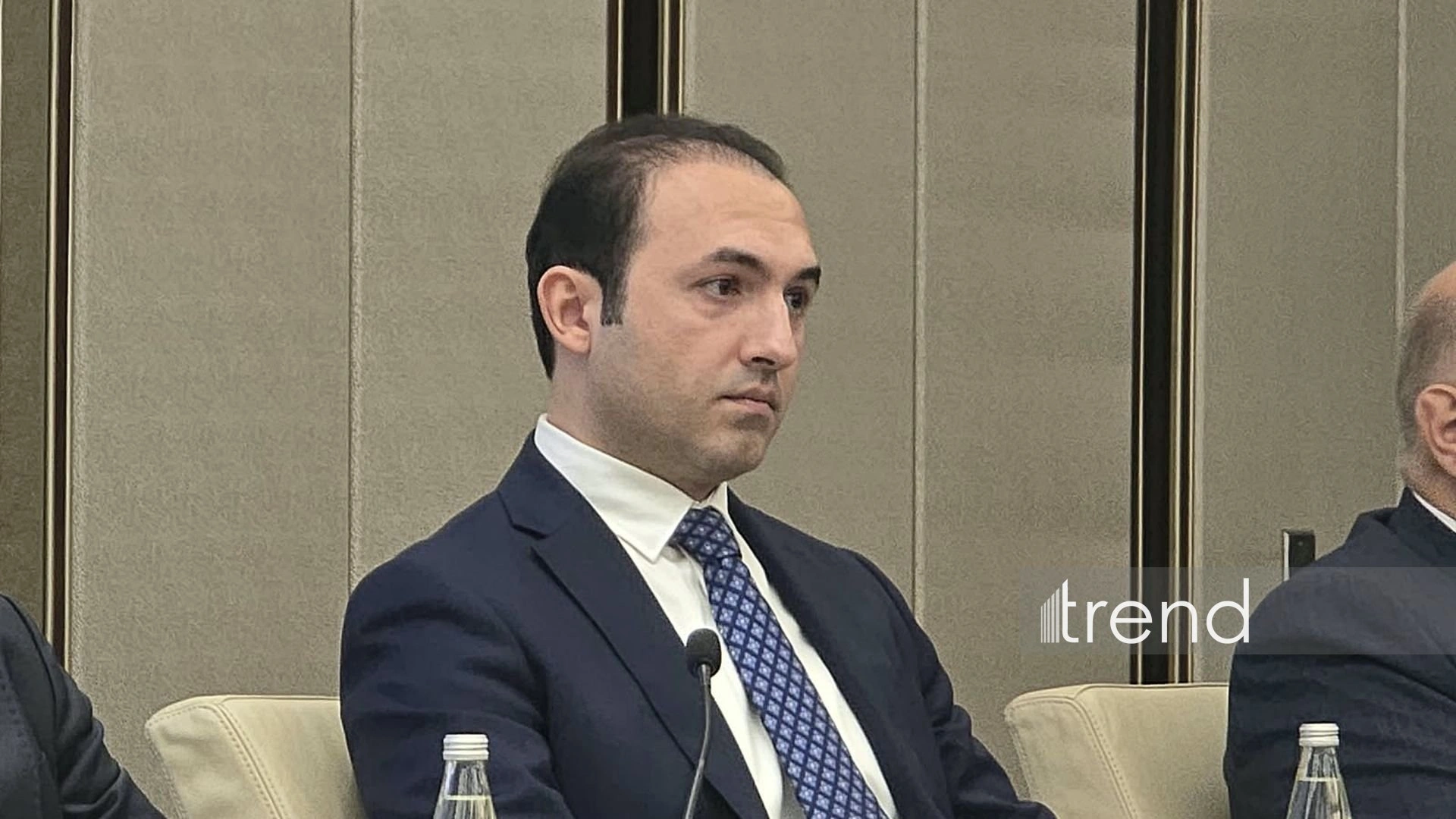
BAKU, Azerbaijan, October 22. The number of
daily transactions processed through Azerbaijan's Instant Payments
System, operated by the Central Bank of Azerbaijan (CBA), has
reached 1 million, with total transaction turnover exceeding 2
billion manat ($1.17 billion), Afghan Abbasov, director of the
CBA's Payment Systems and Product Development Department, said,
Trend's correspondent
reports from the event.
He made the remarks on Thursday at a conference in Baku
dedicated to the digital transformation of public finance.
He said the system's main advantages were its ability to process
payments instantly, around the clock, seven days a week, and at
lower cost. The system has recorded significant growth recently,
driven by the integration of banks and government agencies and the
wider use of different payment types.
“In 2024, the Instant Payments System processed 1 million
transactions over the entire year. Today, that figure has reached 1
million transactions per day,” Abbasov noted.
According to him, transaction turnover through the system has
exceeded 2 billion manat ($1.17 billion), approximately five times
higher than in the same period last year.
Abbasov said the system supports transfers between individuals
and legal entities, low-value payments, as well as budget-related
and other government payments.
He identified expanding the use of the Instant Payments System
for government payments as one of the Central Bank's priorities.
Work is underway to enable settlements for transactions processed
through the Government Payment Portal, which covers utility bills,
taxes and other budget payments, to be carried out through the
instant payment system.
“This will enable government and budget payments to be processed
instantly while also reducing transaction costs,” he stressed.
According to the department director, several banks have already
integrated with the system, enabling them to accept payments.
Transaction volumes in this area have increased more than tenfold
compared with the previous year. These figures are expected to rise
further as more banks expand their use of the system.
Abbasov said that alongside expanding the system's use, ensuring
its uninterrupted and reliable operation was also essential. Banks,
fintech startups and government agencies currently use the system,
while the number and volume of transactions continue to grow.
“Previously, we focused mainly on connecting participants to the
system and introducing different payment types. Now, we
continuously monitor transaction processing times down to the
second and millisecond levels. Our goal is to make transactions
even faster,” he said.
He added that ongoing efforts were also being made to reduce
technical errors experienced by system participants. The aim is to
ensure that payments are processed faster and with fewer
errors.
Abbasov noted that the system's resilience was maintained
through regular operation of both primary and backup centers. This
approach helps ensure that payments are processed reliably and
without interruption.