BAKU, Azerbaijan, October 27. SOCAR plans to
launch programs at the IE Leadership and Innovation Center in three
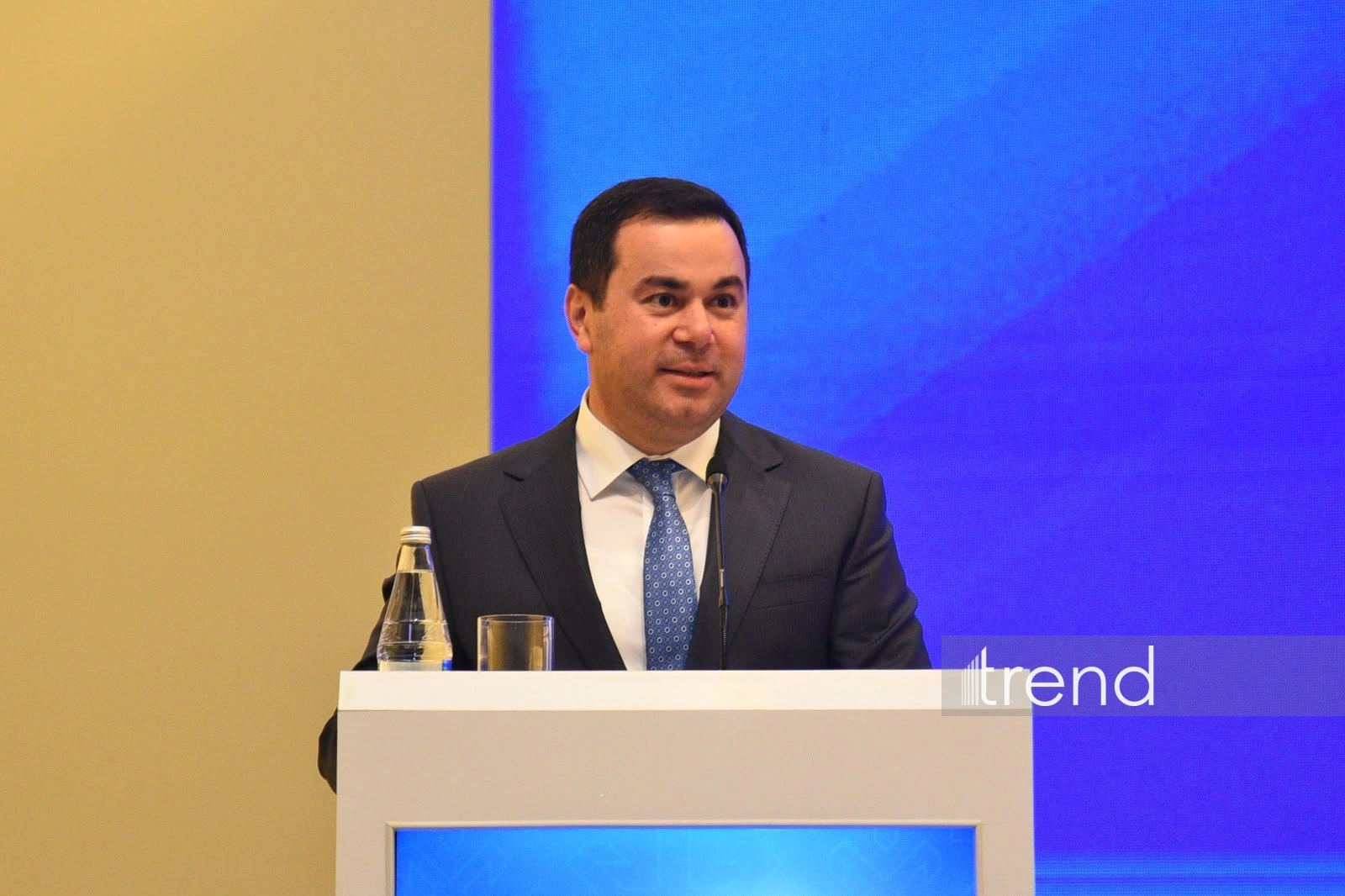
key areas, SOCAR Vice President Ziba Mustafayeva said at the
opening ceremony of the IE Leadership and Innovation Center in Baku
on Tuesday, Trend's
correspondent reports from the event.
According to her, the areas include: developing leadership and
management skills, transforming educational leadership in the age
of artificial intelligence, and preparing business case studies
highlighting Azerbaijan’s successful practices.
She said human capital development is one of SOCAR’s core
values, making the opening of the new center particularly
significant. According to Mustafayeva, the initiative is not simply
about creating new educational programs, but primarily about
establishing a long-term cooperation platform focused on developing
human potential.
“Buildings can be constructed, technologies can be developed or
implemented. However, people are at the center of all these
processes. It is people who adapt to change and even shape it by
setting new trends,” Mustafayeva said.
She emphasized that this approach is particularly important for
SOCAR. As the energy sector continues to evolve, the pace of change
is accelerating, making the adoption of new business models and
forms of partnership increasingly necessary. As a national energy
company, SOCAR has a responsibility that extends beyond its
corporate operations to contributing to the country’s overall
development.
The vice president noted that one of Azerbaijan’s achievements
in education has been the export of its domestic educational
expertise to international markets. With the support of the
Ministry of Science and Education, an Azerbaijani educational
program was exported for the first time to a university in
neighboring Uzbekistan approximately two years ago, she said. This
marked an important step in bringing Azerbaijan’s educational
services to international markets.
Mustafayeva added that cooperation with IE University, alongside
a partnership model involving the public and private sectors,
government agencies and regulatory bodies, creates broader
opportunities.
“The main advantage of cooperation is that each partner brings a
different perspective, experience, and set of expectations to the
process. Bringing these approaches together makes it possible to
create greater value than individual institutions could achieve
independently,” she said.
The SOCAR vice president also outlined the three main areas of
the center’s activities:
The first is an Advanced Management Program to be implemented in
cooperation with IE University. The program is intended not only
for SOCAR’s management team but also for public-sector executives.
Designed to meet modern leadership and management requirements, it
will use a blended learning model combining traditional and digital
teaching methods.
The second area is a program on educational leadership and
transformation in the age of artificial intelligence, to be
developed with the support of the Ministry of Science and
Education. It will help education leaders shape future academic
programs, integrate AI into the education system, and establish
responsible governance mechanisms for this process.
The third area involves developing business case studies that
showcase Azerbaijan’s achievements and best practices at both
domestic and international levels. These materials are intended to
be incorporated into the curricula of local and international
universities and shared with the global academic community.