BAKU, Azerbaijan, October 28.
The amount of conventional fuel consumed for the generation of each
kilowatt-hour of electricity at the Azerbaijan Thermal Power Plant
has been reduced by more than 30% as a result of measures
implemented to enhance energy efficiency in the country, Deputy
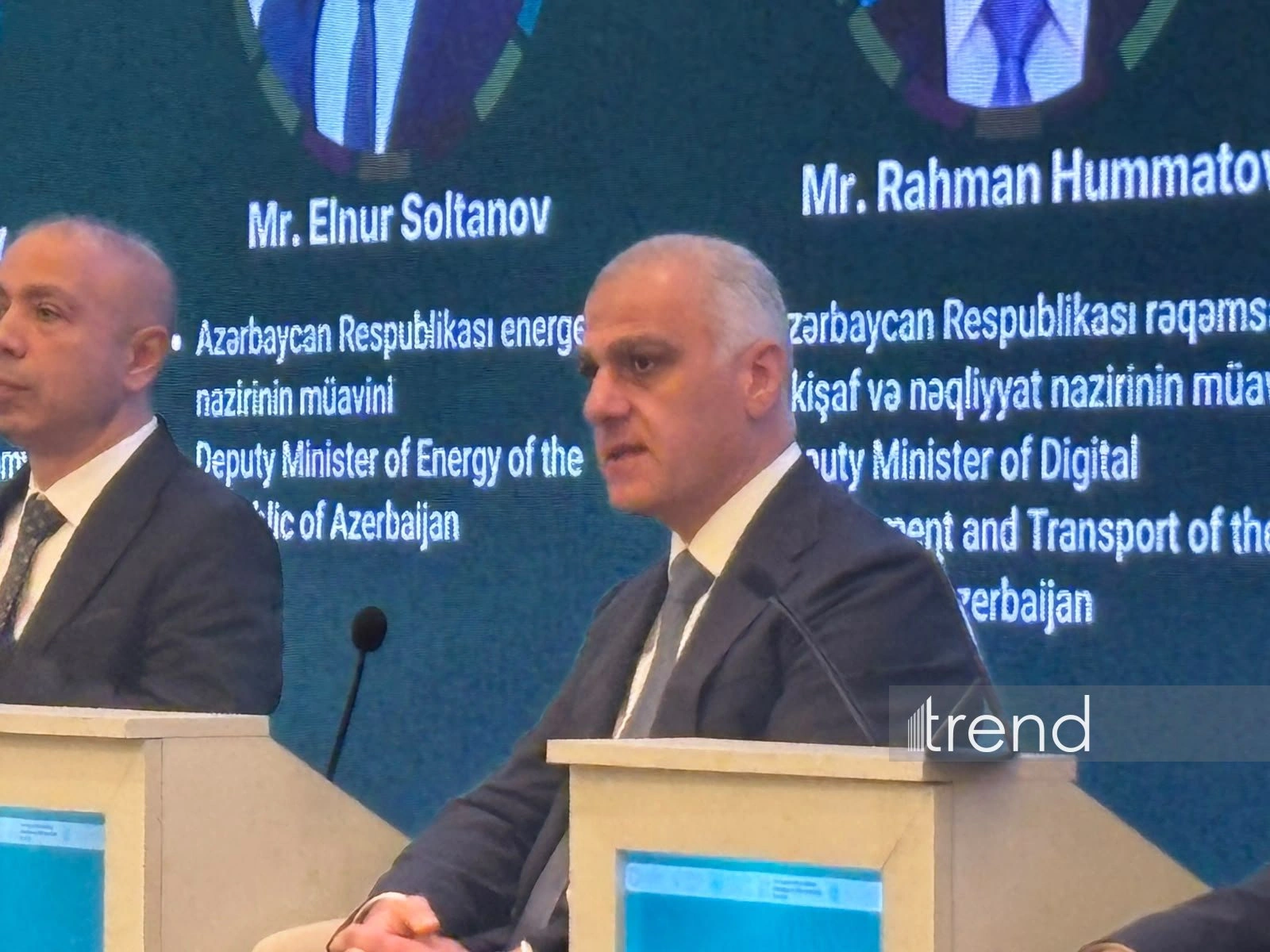
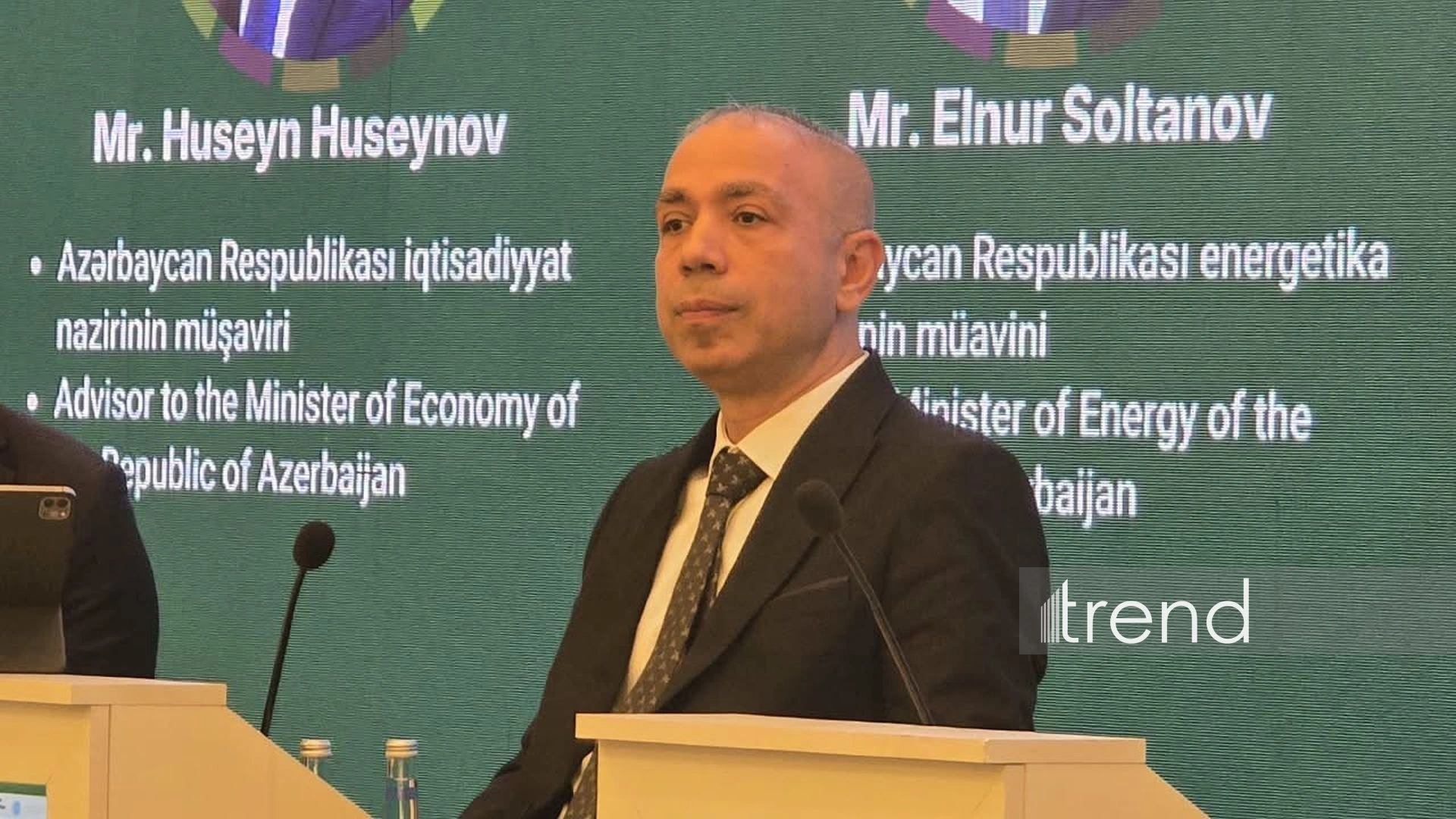
Minister of Energy of Azerbaijan Elnur Soltanov said during the 9th
Sustainable Development Goals (SDG) Dialogue held in Baku on
Wednesday, Trend’s
correspondent reports from the event.
The deputy minister noted that sustainable development in the
energy sector is not limited solely to increasing investments in
renewable energy sources. Enhancing energy efficiency, upgrading
existing infrastructure, and reducing energy losses also play a
crucial role in this process.
"Looking merely at the scale of renewable energy investments is
not enough. It’s also vital that the state dedicates significant
energy, effort, time, and resources to this sector. Another key
area is energy efficiency, and Azerbaijan has taken significant
steps in this regard as well," Soltanov remarked.
He recalled that the Azerbaijan Thermal Power Plant, with an
installed capacity of 2.4 gigawatts, is the largest in the
Caucasus. A few years ago, the plant's systems were upgraded using
equipment manufactured in Italy.
"What was once Azerbaijan's least efficient power plant has now
become the country's most efficient one. Previously, 330 grams of
'standard fuel' were consumed to generate one kilowatt-hour of
electricity; today, this figure is below 220 grams. Consequently,
we have achieved an efficiency increase of over 30%," the deputy
minister noted.
According to him, this improvement could lead to annual savings
of nearly half a billion cubic meters of natural gas. This
highlights the economic and environmental significance of
modernizing existing energy infrastructure.
Soltanov also addressed losses occurring during the transmission
and distribution of electricity. He noted that losses in
transmission lines are at a level comparable to global best
practices. However, higher loss rates in distribution networks
necessitate further measures in this area.
The deputy minister pointed out that, in addition to upgrading
existing infrastructure to reduce energy losses in distribution
networks, it’s also essential to attract financial resources and
strengthen cooperation with banks.
He emphasized the significant role that buildings and facilities
play in enhancing energy efficiency. He noted out that a
substantial portion of electricity is consumed within these very
structures, and improving their energy performance can help reduce
overall consumption.
"Starting next year, the mandatory implementation of 'building
passports' is planned. We should support the construction of
higher-quality, energy-efficient buildings through incentives
rather than punitive measures," Soltanov explained.
According to him, the objective is to enhance the market
advantages of buildings with high energy efficiency. In this
context, the introduction of a certification mechanism, in the form
of 'passports' that reflect energy performance, is envisaged.
"We are striving to create incentive mechanisms for the
construction of high-quality, efficient buildings, rather than
relying primarily on fines. For instance, a building with an 'A'
grade energy certificate could command a higher market value, as
such a structure would consume less electricity and other forms of
energy," the deputy minister remarked.
He added that efforts to enhance energy efficiency extend beyond
buildings; work is also underway to develop standards ensuring the
efficient operation of various types of equipment.
Soltanov also highlighted initiatives within the oil and gas
sector aimed at decarbonization. He mentioned that SOCAR is taking
significant steps in this direction, and that the company's
activities could contribute to the fulfillment of Azerbaijan's
climate commitments.
"Indeed, SOCAR is taking revolutionary steps that are a source
of pride for our country. I believe that SOCAR, as the leading
entity in the oil and gas sector, will be able to accelerate the
implementation of certain requirements outlined in Azerbaijan's
third Nationally Determined Contribution (NDC 3)," he stressed.
The deputy minister pointed out that the initiatives joined by
SOCAR include the Oil and Gas Decarbonization Charter and the Oil
and Gas Methane Partnership 2.0.
"These are among the most serious and verifiable initiatives in
the world," Soltanov said.
According to him, increasing energy efficiency, reducing losses
in electricity grids, improving the energy performance of
buildings, and lowering emissions in the oil and gas sector are
complementary areas in Azerbaijan's transition toward a sustainable
energy system.